
April 8, 2024 Total Solar Eclipse: Here’s what you need to know -Smarter Every Day 295
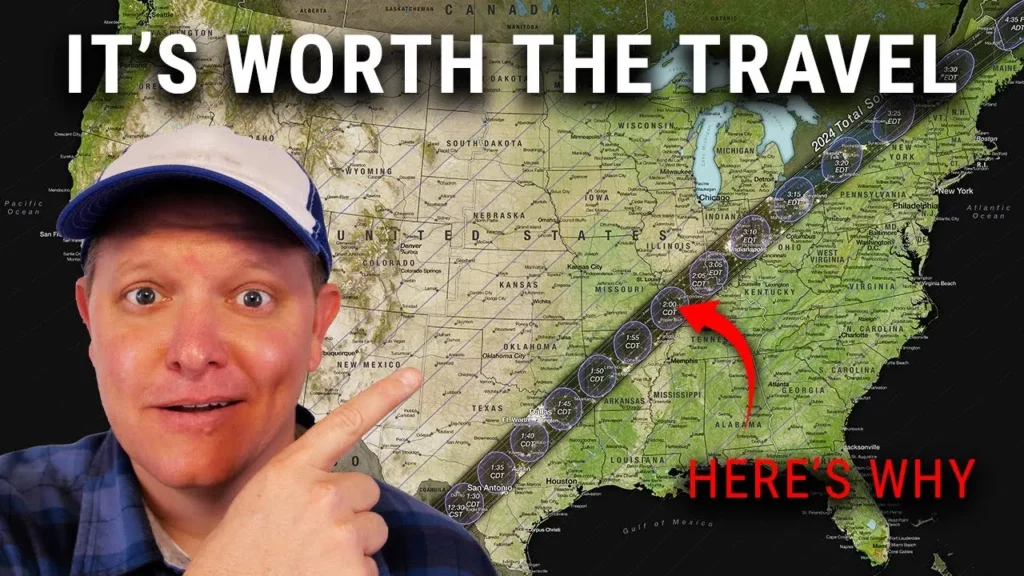
The lesson highlights the awe-inspiring experience of witnessing a total solar eclipse, emphasizing the unique changes in nature and animal behavior that occur during this event. It encourages viewers to travel to the path of totality in 2024 to fully appreciate the eclipse, while also stressing the importance of safety measures, such as using certified solar eclipse glasses. Additionally, resources like science stations and an app are available to enhance the viewing experience and understanding of the phenomena associated with the eclipse.
Touring the Vulcan Rocket on the Launch Pad – Smarter Every Day 297

In this episode of Smarter Every Day, viewers are taken on an engaging tour of the Vulcan Rocket at Cape Canaveral, guided by Tory Bruno, CEO of United Launch Alliance. The lesson highlights the rocket’s impressive features, including its dual engine types and advanced safety systems, while also celebrating the excitement of aerospace innovation as ULA prepares to launch the Vulcan, marking a significant transition from their older rocket models. The experience is made even more special by the presence of the host’s father, adding a personal touch to this exploration of cutting-edge technology.
I Accidentally Photographed Something Unknown During the Eclipse – Smarter Every Day 298
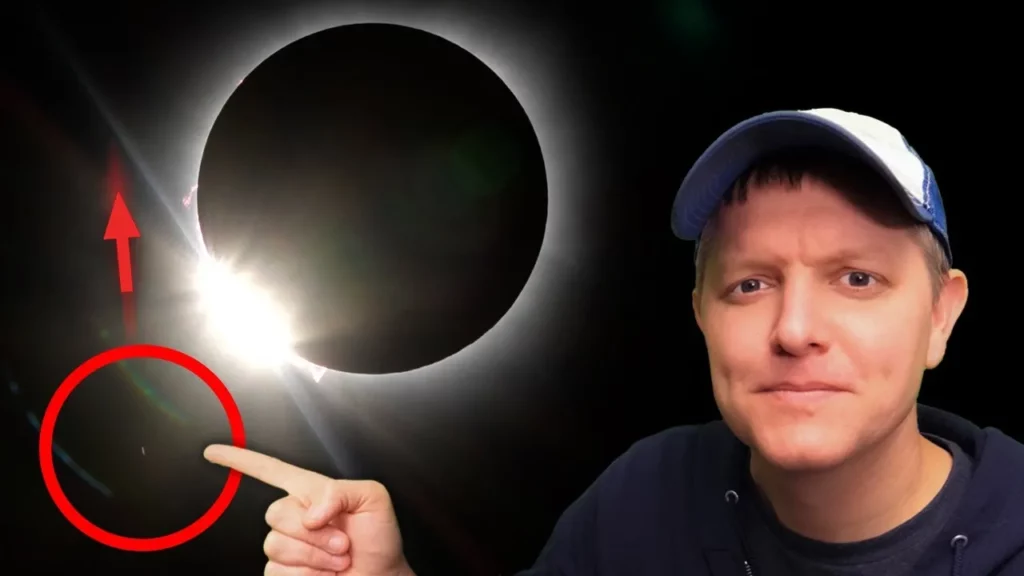
In the lesson “I Accidentally Photographed Something Unknown During the Eclipse,” the narrator recounts their thrilling experience during the 2024 total solar eclipse, where they captured a mysterious object in the sky while focusing on the event’s beauty. The story highlights their passion for eclipses, the meticulous preparation involved, and the excitement of sharing this moment with friends and family, culminating in the discovery of an unknown object that sparked curiosity and collaboration with experts. Ultimately, the lesson emphasizes the joy of exploration and the unexpected surprises that come with pursuing one’s interests.
How Do Cicadas Make Noise? (In Slow Motion) – Smarter Every Day 299
In this lesson, we explore how cicadas produce their distinctive sounds using a specialized structure called the tymbal, which operates similarly to a Snapple bottle cap. Through high-speed filming, we observe that the tymbal opens and closes in just six milliseconds, creating various frequencies amplified by the cicada’s hollow body. The lesson also highlights the cicada’s life cycle, their periodic emergence, and the unique anatomy that enables their loud calls, culminating in a deeper understanding of these fascinating insects.
Nature’s Incredible ROTATING MOTOR (It’s Electric!) – Smarter Every Day 300
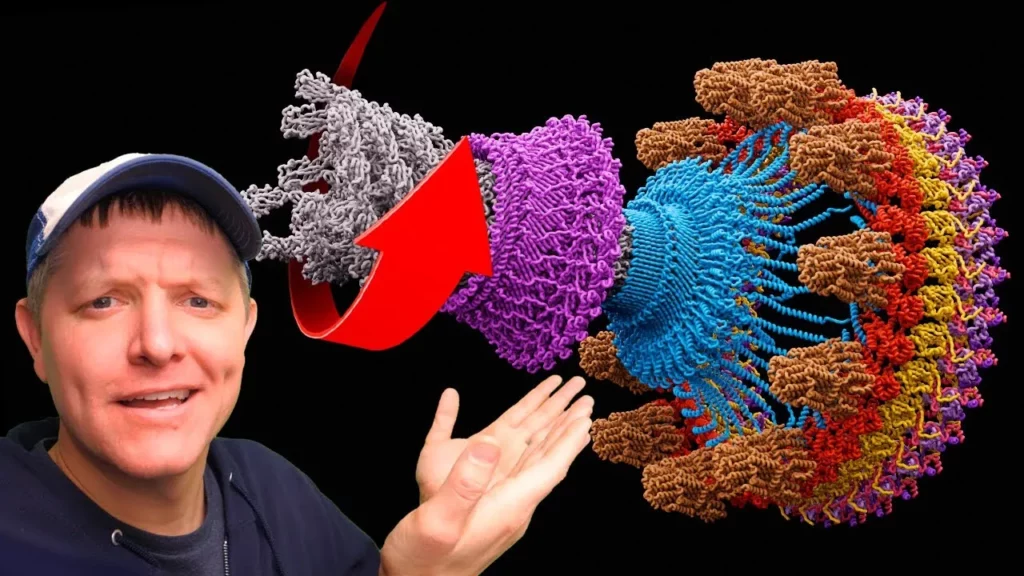
The lesson explores the flagellar motor, a remarkable molecular mechanism found in organisms like sperm and bacteria, which enables their movement through a rotating whip-like structure called the flagellum. Powered by a gradient of hydrogen ions, this motor converts potential energy into kinetic energy, allowing bacteria to swim and navigate their environment through a process known as chemotaxis. Ongoing research aims to uncover the motor’s intricate structure and evolutionary origins, highlighting the complexity of biological systems and their implications for understanding life.
How Disc Golf Discs Are Made (MVP Manufacturing Tour) – Smarter Every Day 301
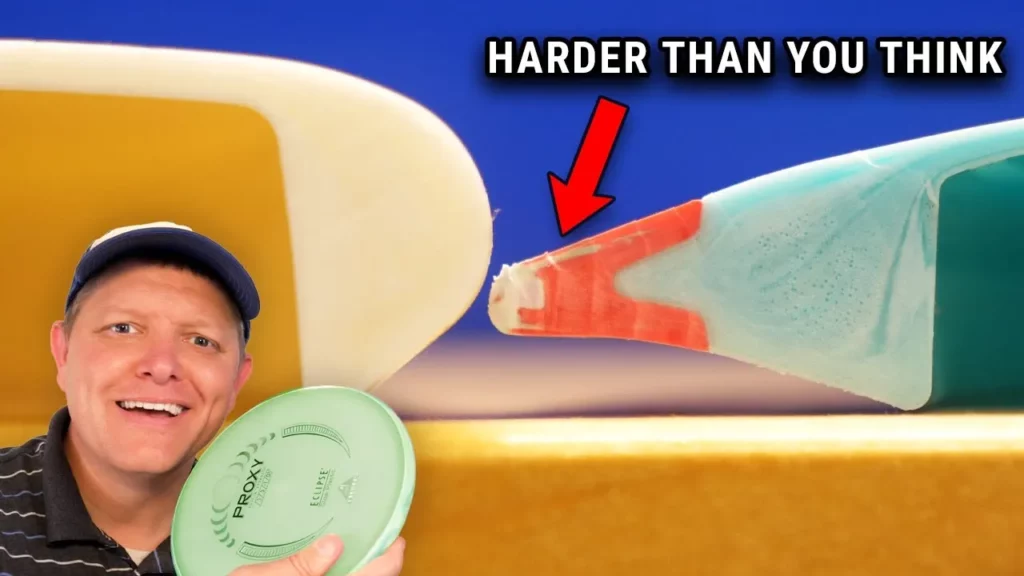
In this lesson, we explored the manufacturing process of disc golf discs at MVP Disc Sports in Michigan, highlighting the importance of aerodynamics and innovative design. The Richardson brothers’ unique overmold technology enhances disc performance, while the use of advanced manufacturing techniques and a commitment to sustainability showcases MVP’s dedication to quality and environmental responsibility. Overall, the tour provided valuable insights into the intersection of engineering and recreational sports.
What Would a T-Rex Have Tasted Like?
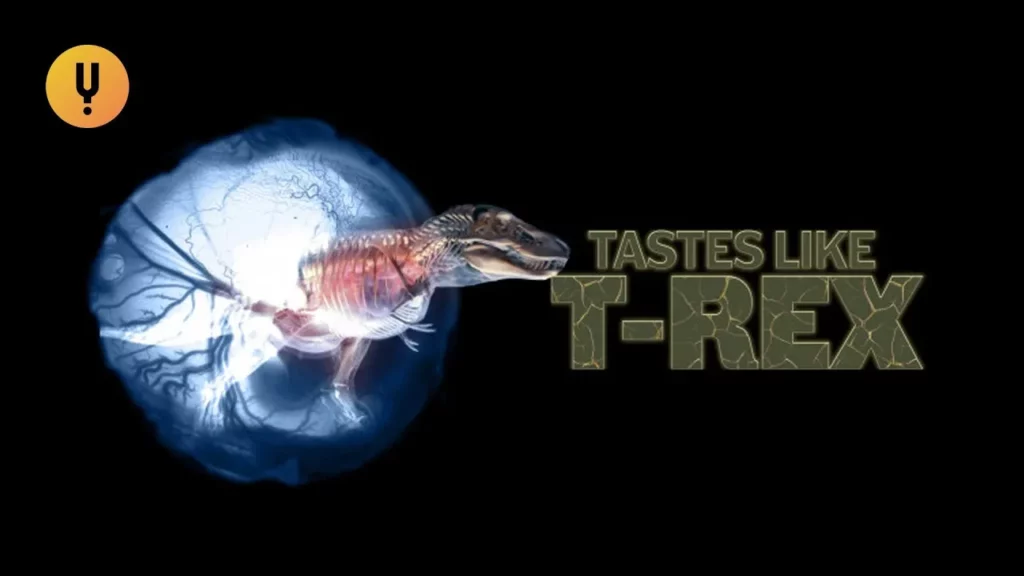
The lesson explores the fascinating connection between modern birds and their dinosaur ancestors, particularly focusing on how birds like chickens share traits with theropod dinosaurs such as the T-Rex. Scientists have investigated the possibility of reversing evolution to create dinosaur-like features in birds, revealing that chickens could provide a hint of what T-Rex might have tasted like. Through advanced research on embryo development, researchers have successfully modified chicken embryos to exhibit dinosaur-like characteristics, highlighting the enduring legacy of dinosaurs in today’s avian species.
The Psychology of a Pandemic
The lesson “The Psychology of a Pandemic” explores the profound psychological and behavioral changes that arise during a global crisis like COVID-19. It highlights the impact of fear, communication, and community response, emphasizing the importance of clear information and the dangers of scapegoating. Additionally, it underscores the emotional toll on healthcare workers and the necessity of maintaining connections despite social distancing, ultimately framing the pandemic as an opportunity for collective growth and resilience.
Digging Through Time: First Look at Pompeii’s Hidden Secrets!
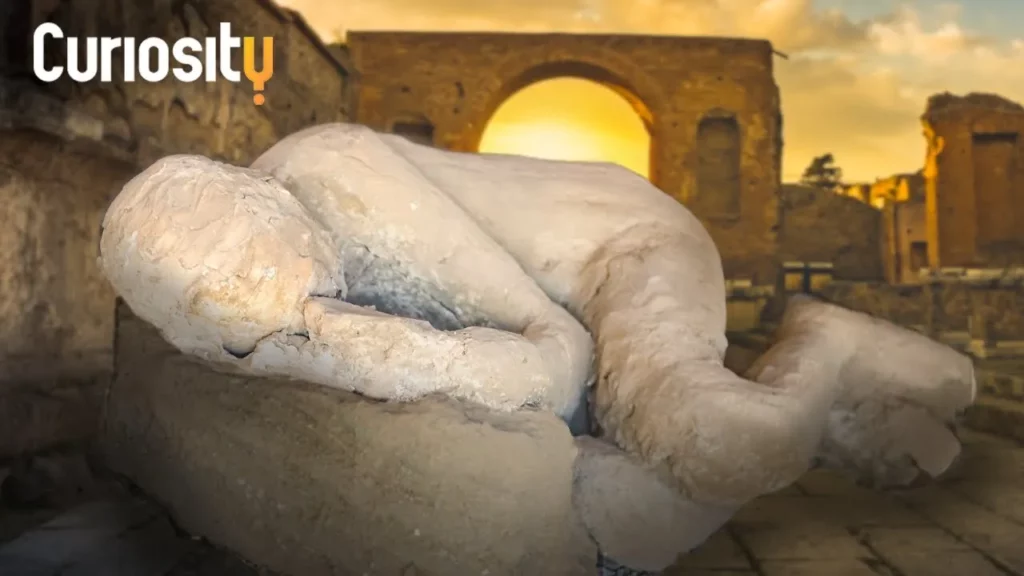
The lesson explores the recent archaeological excavations in Pompeii, which uncovered remarkable artifacts and structures buried under volcanic ash since the catastrophic eruption of Mount Vesuvius in 79 A.D. Led by Massimo Osanna, the excavation team revealed stunning mosaics, everyday items, and the layout of the ancient city, while also planning dramatized reenactments to illustrate the final moments of its residents. This project not only brings history to life through modern techniques but also deepens our understanding of the human stories behind this ancient tragedy.
NASA & SpaceX Successfully Launch First Crewed Spaceflight from US in 10 Years
The NASA SpaceX Demo-2 mission marks a historic milestone as it is the first crewed spaceflight from the United States in nearly a decade, successfully launching astronauts to the International Space Station aboard the Crew Dragon spacecraft. This mission highlights the effectiveness of public-private partnerships in space exploration and sets the stage for future endeavors, including potential missions to Mars. With astronauts Bob Behnken and Doug Hurley aboard, the mission not only showcases advancements in space travel but also symbolizes a new era in humanity’s quest to become a multiplanetary species.