
The Illegal Arrival of America’s Last Slave Ship
The lesson discusses the Clotilda, the last illegal slave ship to bring enslaved Africans to the United States in 1860, and the descendants of its survivors, Joycelyn Davis and Darren Patterson, who are among the few African Americans aware of their ancestors’ stories. It details the harrowing journey of the Clotilda’s passengers from present-day Benin, the ship’s subsequent destruction to conceal its illegal voyage, and the establishment of African Town, a community formed by the survivors. The lesson emphasizes the importance of preserving this history to honor the resilience of those who suffered and to educate future generations.
Narrowly Avoiding Disaster on Apollo 13
The Apollo 13 mission, intended for a lunar landing, faced a life-threatening crisis when an oxygen tank exploded, jeopardizing the crew’s safety and resources. Quick thinking and collaboration between the astronauts and engineers on Earth led to innovative solutions, including using the lunar module for life support and devising a makeshift carbon dioxide removal system. Ultimately, the crew’s successful return to Earth highlighted the importance of problem-solving, teamwork, and resilience in the face of adversity.
Rebirth of an Underwater Forest
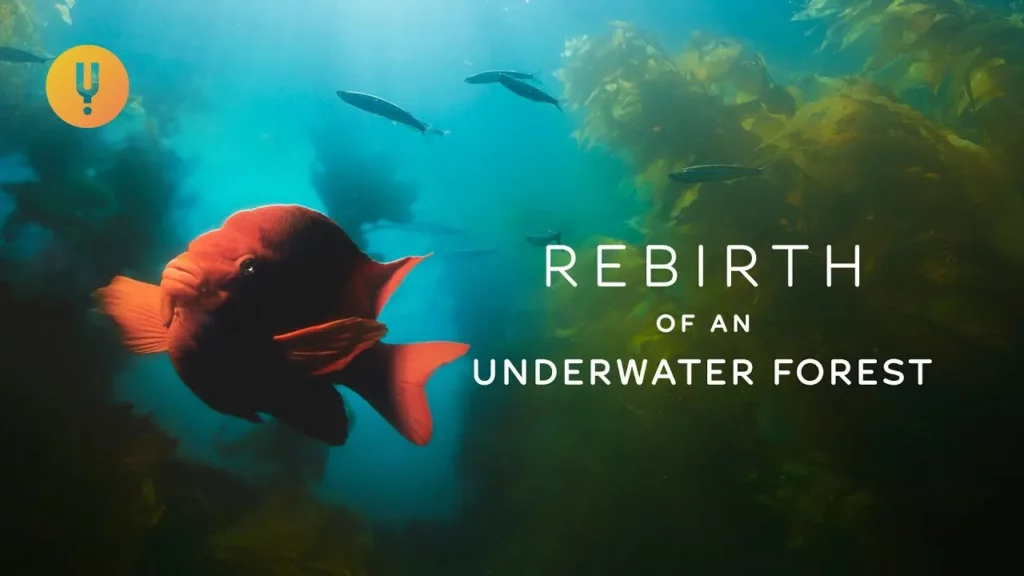
The lesson discusses the importance of kelp forests as vibrant ecosystems that rely on a delicate balance between predators and prey. It highlights the problem of sea urchin overpopulation due to the decline of their natural predators, which threatens the kelp forests along the California coast. The solution involves human intervention to remove the urchins, allowing the kelp to recover and restore the diverse marine life that depends on this habitat, demonstrating that ecological restoration is possible even in urban areas.
Science Below Zero
In the lesson “Science Below Zero,” filmmaker Rosario Jimenez explores Antarctica’s significance as a scientific research hub, particularly in understanding climate change. The journey highlights the continent’s ancient forests, the formation of the Southern Ocean, and the vital role of the Antarctic Circumpolar Current in regulating global climate. Through firsthand experiences with scientists studying marine ecosystems, the lesson emphasizes the interconnectedness of oceanic conditions and their impact on Earth’s environmental balance.
The Mysterious Life of the World’s Smallest Otter
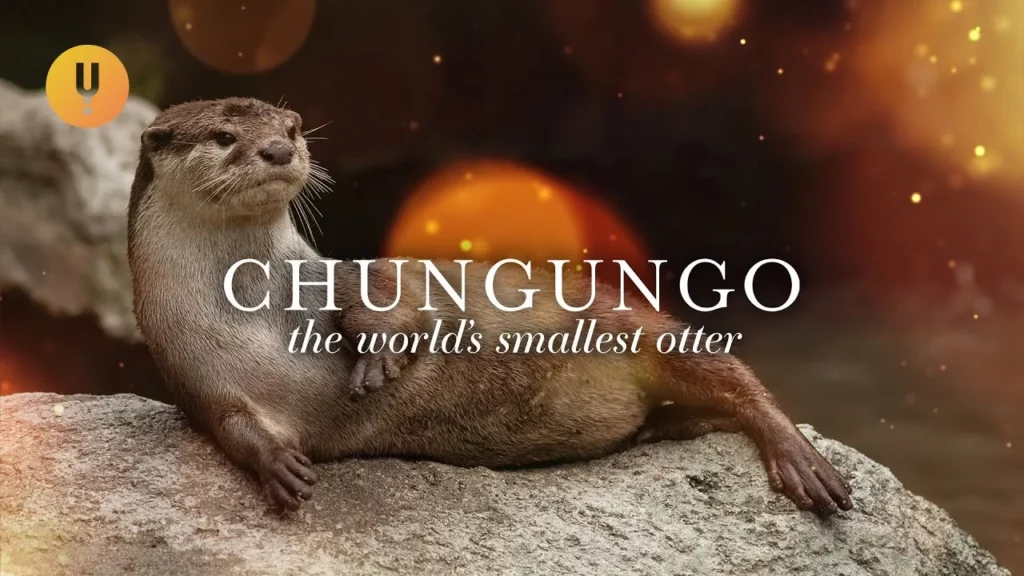
The lesson explores the life of the South American marine otter, the world’s smallest marine mammal, which thrives in the nutrient-rich waters of northern Chile. It highlights the otter’s role as a top predator in its ecosystem, emphasizing the importance of maternal care and the otters’ impact on their environment. The narrative underscores the otters’ resilience and adaptability, showcasing their journey from being hunted for fur to finding safety and abundance in a protected habitat.
The Secret Underwater Planet off the California Coast
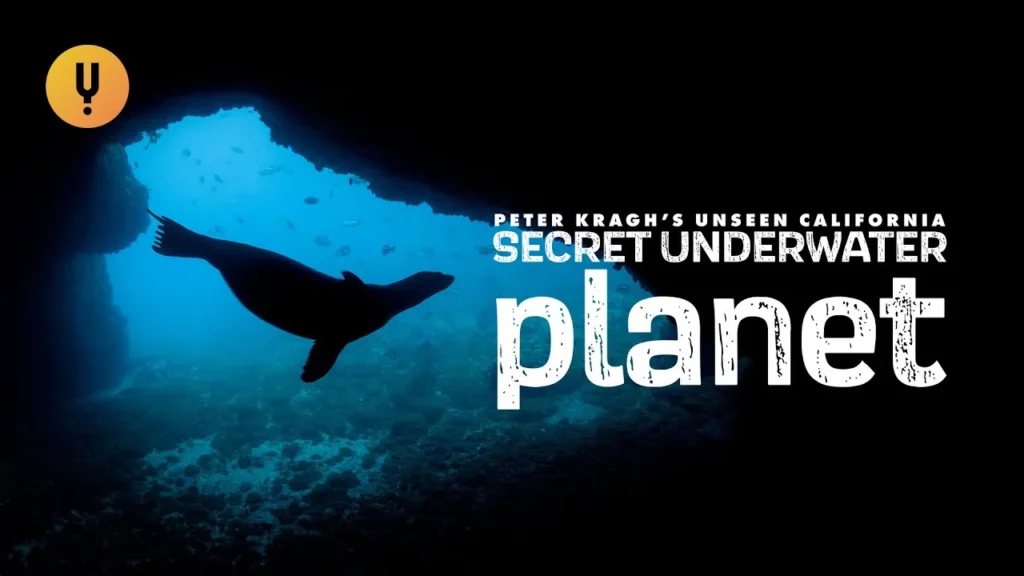
The lesson explores the vibrant underwater ecosystem off the California coast, highlighting the work of cinematographer Peter Croc as he captures the diverse marine life. It emphasizes the importance of patience and skill in underwater filming, showcasing unique creatures such as the giant green anemone, sand dollar, purple sea urchin, and the elusive Pacific hagfish, each playing a vital role in their habitat. Through Croc’s lens, we gain insight into the beauty and complexity of ocean life, encouraging appreciation for this hidden world.
New Advances in Firefighting Technology
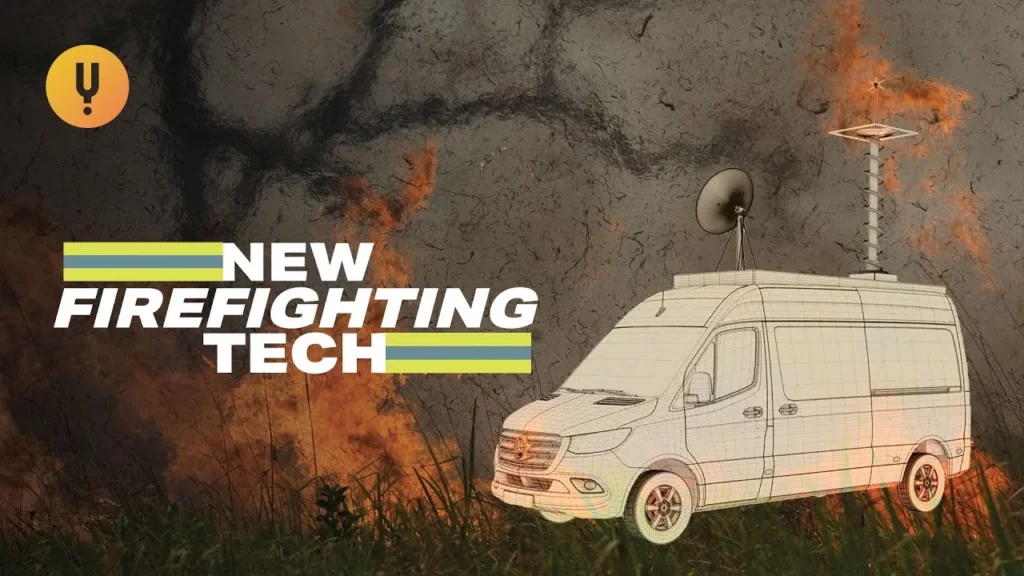
The lesson highlights the urgent need for innovative firefighting technologies in response to increasing fire challenges due to climate change. California is at the forefront of this advancement with the introduction of the MSTAR (Mobile Special Technology and Aero Response), a sophisticated emergency vehicle that integrates drones, remote operations, and smart connectivity to enhance situational awareness and operational efficiency. By embracing such technologies, firefighters can improve their effectiveness and safety while managing resources more efficiently.
NASA Searching for Signs of Ancient Life on Mars with Perseverance Rover Launch
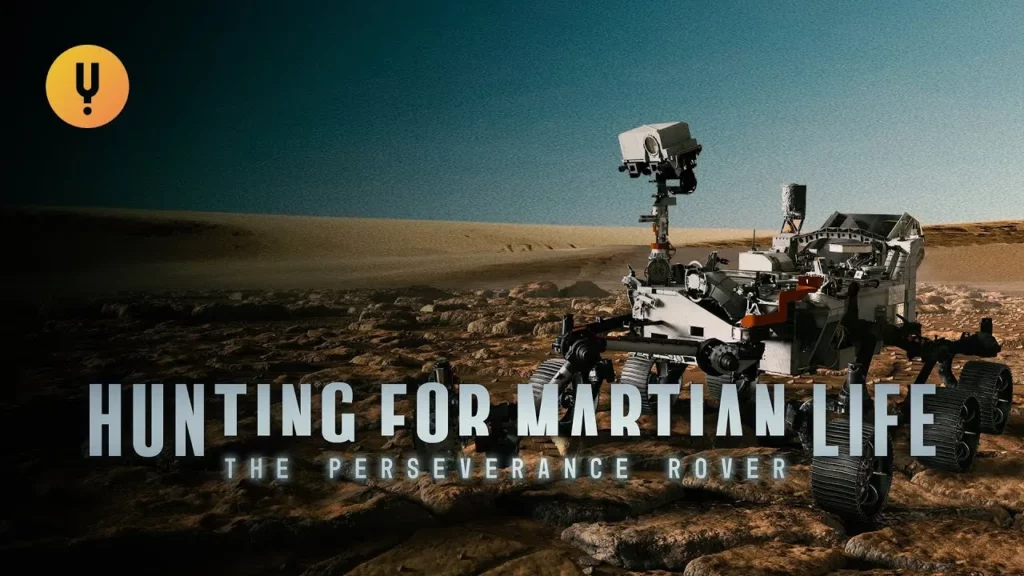
The lesson discusses NASA’s Perseverance rover, which is tasked with exploring Mars, specifically the Jezero Crater, an ancient lake bed that may hold clues to past life on the planet. Launched using an Atlas V rocket, Perseverance is equipped with advanced scientific instruments and cameras to search for signs of life and collect samples, while also testing technologies like oxygen production for future human missions. The mission represents a significant step in humanity’s quest to understand the potential for life beyond Earth and the history of Mars.
Cosmic Code Breakers: Deciphering the Mystery Signal from Space!

In the lesson “Cosmic Code Breakers: Deciphering the Mystery Signal from Space,” astronomers have detected fast radio bursts (FRBs) from an unknown source, particularly focusing on the enigmatic FRB 121102, which challenges previous assumptions about these signals. Utilizing the Green Bank Telescope, researchers explore the possibility that these bursts may originate from magnetars, rather than extraterrestrial civilizations, as they investigate the unique patterns and immense energy of these cosmic phenomena. This ongoing research not only aims to decode the nature of FRBs but also seeks to enhance our understanding of the universe and its extreme events.
Fighting Back Against 2020’s Massive Locust Swarms
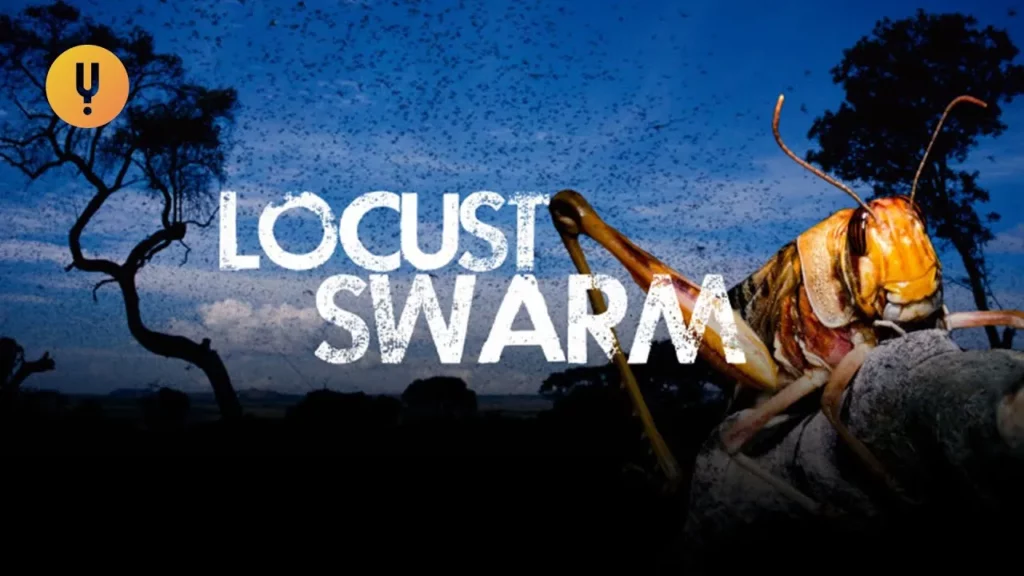
The lesson discusses the significant threat posed by desert locust swarms, particularly in East Africa and parts of Asia, where they have caused severe crop damage and food shortages. It highlights the challenges in controlling these swarms, including the reliance on pesticides and the need for safer alternatives, while also emphasizing ongoing scientific research aimed at understanding locust behavior and improving management strategies. As conditions for locust breeding continue to worsen, the lesson underscores the importance of proactive measures to mitigate their impact on vulnerable communities.