
What Did Vikings Really Eat?

The lesson explores the true dietary habits of Vikings, revealing that they were primarily farmers who lived in longhouses and cultivated crops, rather than the fierce raiders often depicted in popular culture. Through a visit to the Viking Museum in Stockholm and a cooking demonstration, we learn that Vikings consumed a diet rich in grains, vegetables, and fish, while meat was a luxury. The lesson also debunks common myths about Viking culture, emphasizing their complexity beyond the stereotypes.
Turning Trash into Timber: Exploring the Eco-Friendly Side of Recycled Lumber!
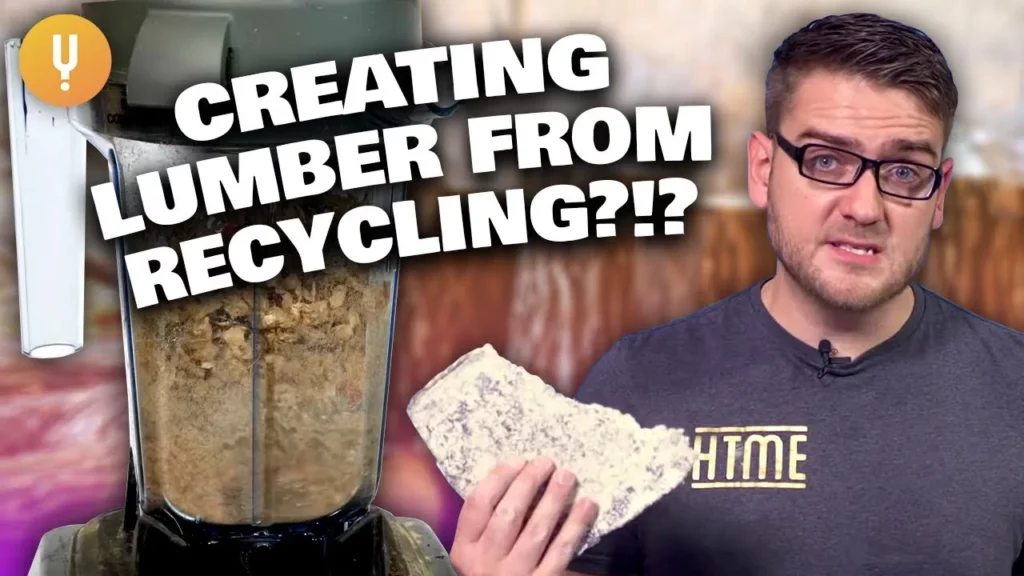
In the lesson “Turning Trash into Timber,” Andy from the YouTube channel “How to Make Everything” explores the creation of recycled lumber using waste materials like cardboard, plastic, and sawdust amid rising lumber prices. Despite facing challenges in particle size reduction and material composition, Andy successfully produced a solid wood substitute, demonstrating the potential of recycled materials for sustainable lumber production. The project emphasizes the importance of innovation in recycling and the need for industrial equipment to enhance the efficiency and quality of recycled lumber.
Upcycling Home Made Lumber Into a Micro-House | Silly Sustainability
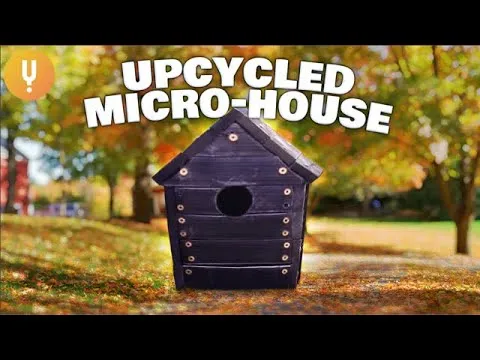
In this lesson, Andy from “How to Make Everything” explores the process of upcycling waste materials into homemade lumber for constructing a micro-house. He details the challenges faced in creating industrial-grade equipment, such as a shredder and an extruder, to effectively process materials like plastic and cardboard. Despite the labor-intensive nature of the project and some structural issues with the final product, Andy emphasizes the potential of repurposing waste for sustainable building solutions.
Building the Cosmic Eye: The Journey of the James Webb Telescope!
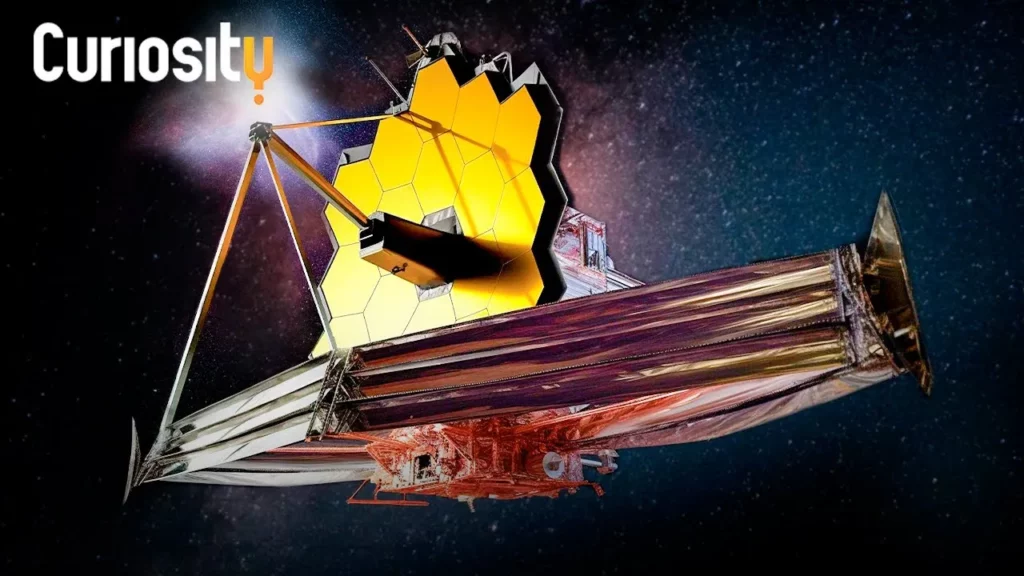
The lesson on the James Webb Space Telescope (JWST) highlights its groundbreaking mission to explore the universe by capturing the earliest light from the Big Bang, studying galaxy and star formation, and searching for signs of life on distant planets. Designed to operate in the infrared spectrum, the JWST features advanced engineering, including a large, segmented mirror and sophisticated instruments, all while being positioned a million miles away from Earth at Lagrange Point 2 to avoid heat interference. This ambitious project represents a significant leap in our understanding of the cosmos and showcases the power of innovation in space exploration.
Who makes the laws on Mars? | Space Greed
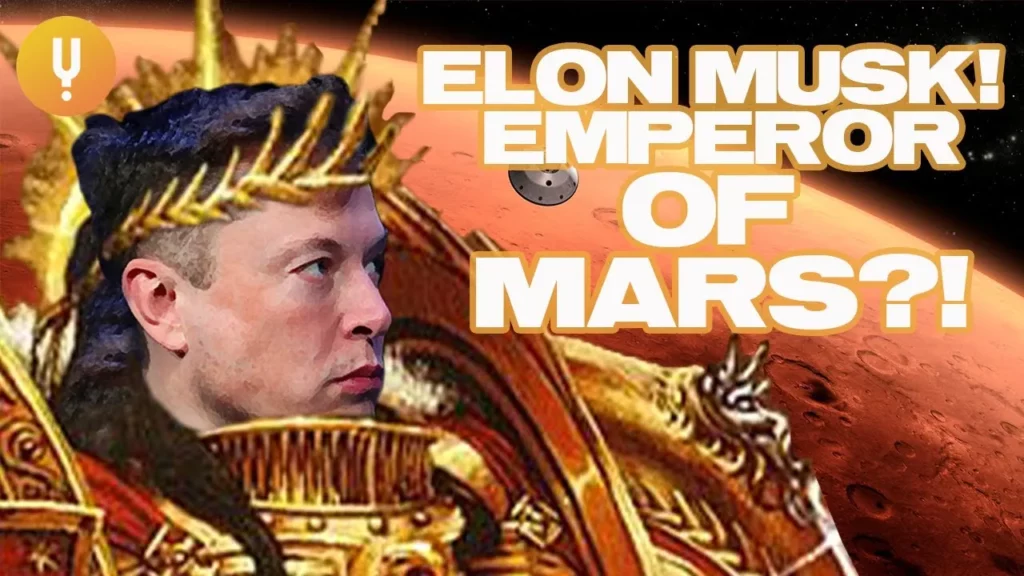
The lesson explores the complexities of establishing laws and governance on Mars, emphasizing the historical fascination with the planet and the current ambitions of private entities like Elon Musk to colonize it. It highlights the legal framework provided by the Outer Space Treaty, which prohibits territorial claims and asserts that space is a shared domain, while also addressing the challenges of adapting these laws to modern scenarios involving private exploration and resource extraction. Ultimately, the lesson raises critical questions about how governance and legal jurisdiction would function in a Martian settlement, given the limitations of Earth-based laws.
Can A Corporation Own The Sun? | Space Greed

The lesson explores the implications of corporate interests in space exploration, particularly the potential commodification of solar energy. As corporations invest heavily in space technology, there are concerns about the ethical and practical ramifications of privatizing access to sunlight, which could lead to a future where sunlight is treated as a commodity rather than a shared resource. The lesson emphasizes the need for responsible management of solar energy to ensure a sustainable and equitable energy future for all.
Terraforming Odyssey: Crafting a New World Beyond Earth!
The lesson “Terraforming Odyssey: Crafting a New World Beyond Earth!” explores the concept of terraforming as a potential solution for humanity’s survival in the event of catastrophic events on Earth. It highlights the unique conditions that make Earth habitable and discusses the challenges of recreating these conditions on other planets, particularly Mars, which is currently viewed as the most viable candidate for terraforming despite significant obstacles. Ultimately, the lesson emphasizes the importance of addressing climate change on Earth while considering the possibilities of life beyond our planet.
Carbon Costs: Is Space Exploration Even Worth It?
The lesson explores the balance between the benefits of space exploration and its environmental costs, particularly in terms of carbon emissions from rocket launches. While advancements in space travel have led to significant technological progress and the potential for future clean energy solutions, the rise of private space tourism raises concerns about increased carbon footprints. As the industry evolves, it is crucial to prioritize sustainable practices to mitigate environmental impacts while pursuing the wonders of the universe.
Moon’s Secret Stash: Looting The Moon for Trillions of Dollars
The lesson explores the potential of the moon as a valuable resource for future space exploration, highlighting its historical significance and the renewed interest in lunar mining driven by financial incentives. Key resources such as water, rare earth metals, and helium-3 are identified as crucial for supporting space missions and energy production, while also addressing the challenges and implications of mining activities on the moon. As nations and private companies pursue these opportunities, the lesson emphasizes the importance of considering the long-term effects of human actions on celestial bodies.
Recycling K-Cups… As Shoes?! | Silly Sustainability
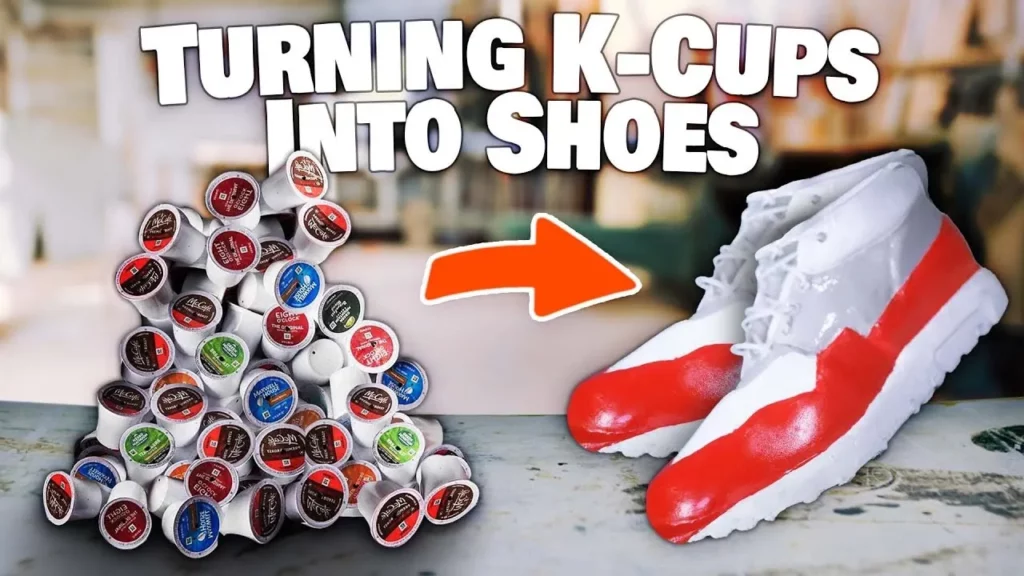
In this lesson, Andy from the YouTube channel “How to Make Everything” explores the challenge of recycling single-use coffee pods by transforming them into a pair of shoes. He details the process of collecting, sorting, and preparing the various components of the pods, including separating plastics for recycling, and ultimately creating a sneaker from the materials. Through this project, Andy emphasizes the importance of repurposing waste and encourages others to be mindful of their plastic consumption.