
Return of the Pack: Wolves’ Restoration on Isle Royale!
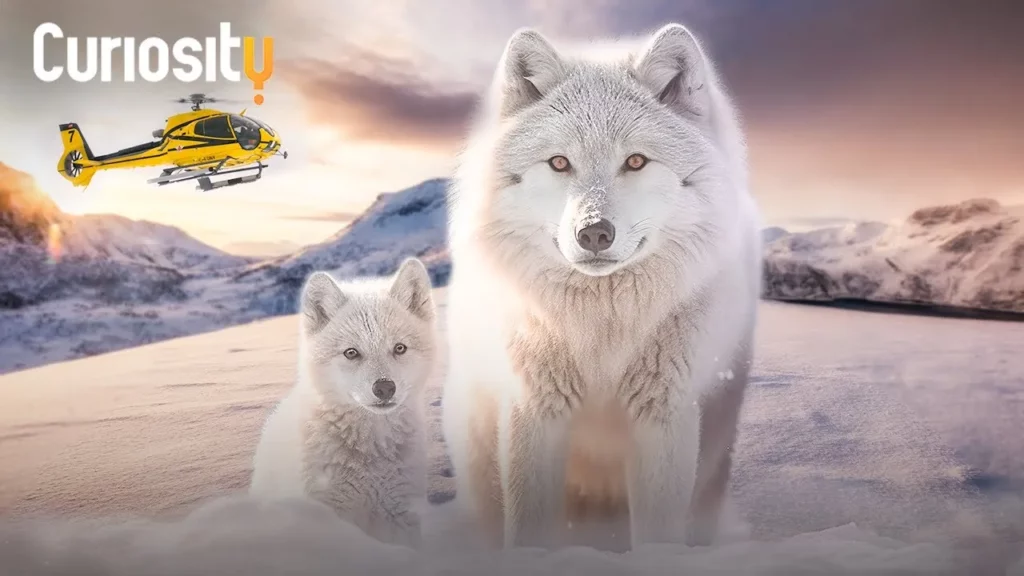
The lesson on the restoration of wolves on Isle Royale highlights the efforts of the U.S. National Park Service and Ontario’s Ministry of Natural Resources to reintroduce wolves to restore ecological balance in the park, which has suffered from an overpopulation of moose due to the decline of its wolf population. The capture and relocation process involves careful health checks and tracking measures to ensure the wolves’ successful adaptation to their new environment. This initiative not only aims to stabilize the wolf population but also serves as a critical study of predator-prey dynamics and the broader implications for biodiversity and ecosystem resilience in the face of climate change.
The Blockchain Revolution

The lesson on “The Blockchain Revolution” explores the transformative potential of blockchain technology, which aims to decentralize trust and democratize innovation across various sectors, including finance, healthcare, and supply chains. While it offers significant benefits, such as enhanced security and efficiency, the technology also faces challenges like coding errors, energy consumption, and the risk of scams. Overall, blockchain holds promise for reshaping the future, but its full potential will only be realized once existing limitations are addressed.
Pandemic Fit: The Revolution of Your Virtual Sweat Sessions

The lesson highlights the transformation of fitness during the pandemic, emphasizing the rise of virtual workouts and connected fitness technologies that have made exercising more personalized and engaging. It discusses the historical context of fitness, the innovative adaptations people made to stay active at home, and the positive mental health benefits of exercise. Personal stories, like that of Angela Peters, illustrate how these changes have fostered community and motivation in a time of isolation.
Mars Perseverance Rover: Countdown to Impact | JPL Mars Helicopter
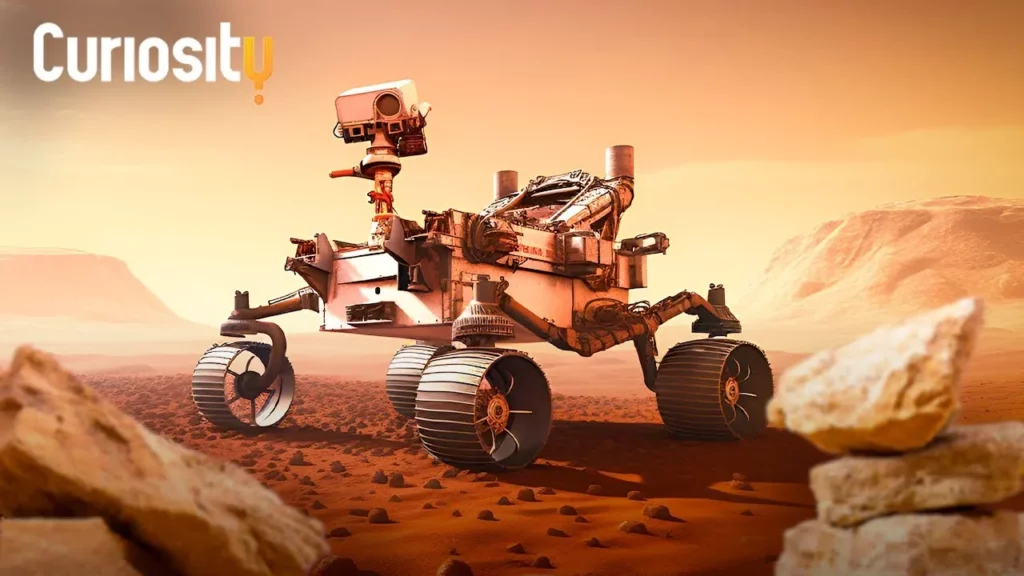
The lesson on the Mars Perseverance Rover highlights its remarkable journey of nearly 300 million miles to Mars, culminating in its landing on February 18th, 2021. It discusses the rover’s mission to explore Jezero Crater for signs of past life, utilizing advanced technologies and instruments, including the Ingenuity helicopter for aerial exploration. The mission not only aims to uncover Mars’ history but also prepares for future human exploration by testing tools that could support astronauts on the red planet.
How Taste Evolved to Keep Us Alive
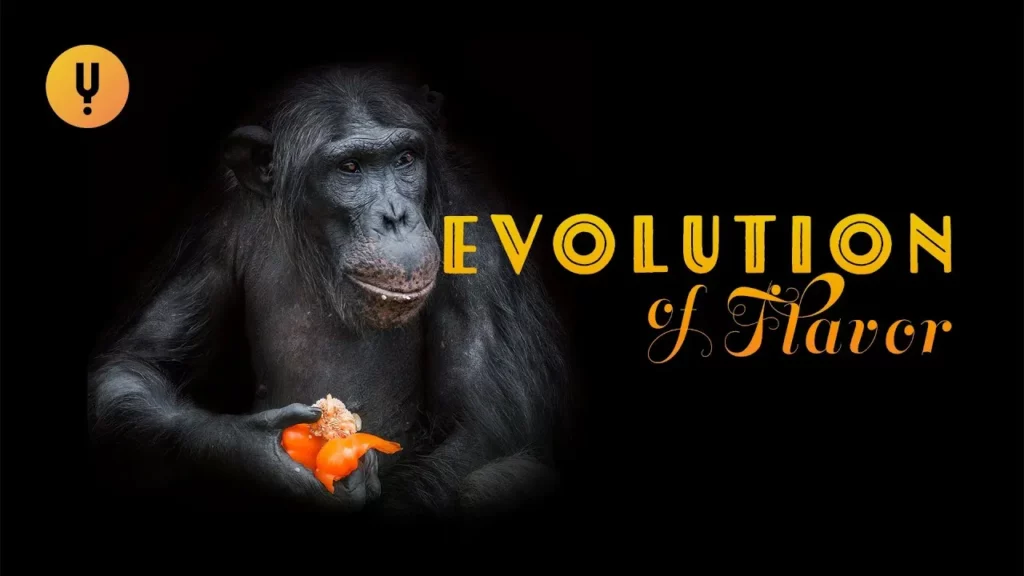
The lesson explores the evolution and complexity of the sense of taste, highlighting its critical role in survival and health. It reveals that taste and smell are interconnected, with taste receptors not only present on the tongue but also throughout the body, influencing our dietary choices and immune responses. Additionally, individual differences in taste perception can affect food preferences and health outcomes, emphasizing the importance of taste receptors beyond mere flavor enjoyment.
Drones in Space: From Mars to the Moons of Saturn
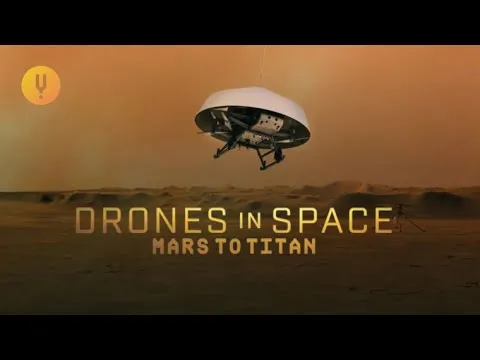
The lesson discusses the groundbreaking achievements of the Mars Ingenuity helicopter, which became the first powered aircraft to fly on another planet, marking a significant milestone in space exploration. It also highlights NASA’s upcoming Dragonfly mission to Titan, Saturn’s moon, which aims to explore its unique environment and potential connections to Earth’s past, showcasing the advancements and challenges of using drones in space exploration. Together, these missions represent a new era of autonomous aerial exploration beyond Earth.
Turning Grass into Gasoline: Green Fuel Revolution
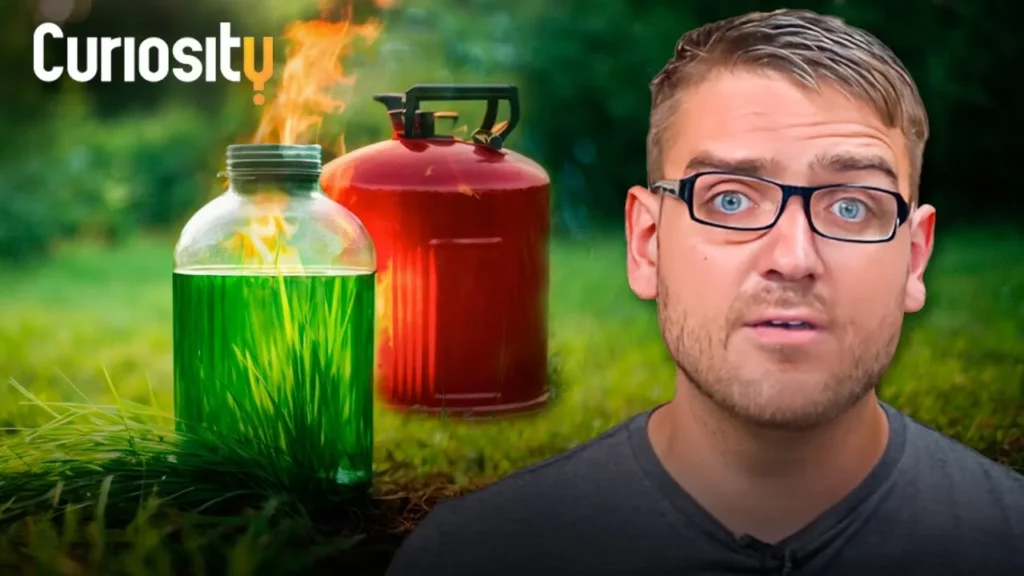
The lesson discusses the innovative concept of producing fuel from grass, highlighting a project by Andy from the YouTube channel “How to Make Everything.” Through his experiment, he aimed to convert lawn grass into ethanol using a process involving acid hydrolysis and fermentation, ultimately demonstrating both the potential and challenges of creating cellulosic ethanol, which is currently costly and inefficient compared to traditional gasoline. The experiment serves as a reminder of the importance of exploring alternative fuel sources and the need for advancements in biofuel production methods.
Eat Like Catherine The Great
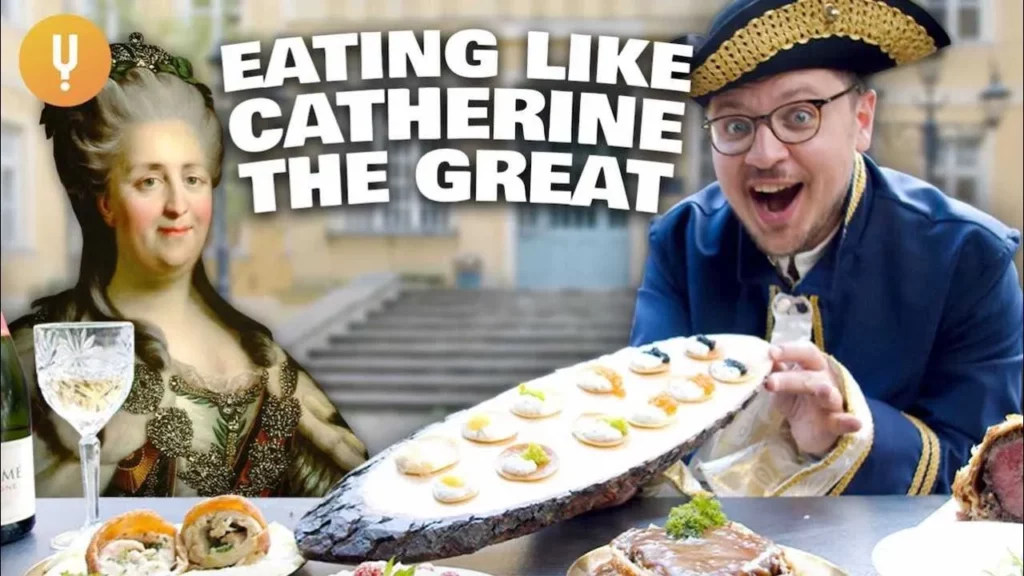
In this lesson, we explore the life and culinary preferences of Catherine the Great, the longest-ruling female leader of the Russian Empire, known for her significant contributions to Russia’s modernization and culture. The episode recreates a royal feast inspired by her favorite dishes, including caviar, Chicken Kiev, and a pavlova dessert, while also delving into her fascinating background, achievements, and the challenges she faced during her reign. Through this culinary journey, viewers gain insights into both Catherine’s legacy and the historical context of her time.
I Ate Like A Wolf For A Day

In this lesson, we explored the fascinating world of wolves, learning about their diet and behavior while preparing a wolf-inspired meal in a cozy cabin. We gathered gamey meats and even incorporated blueberries, reflecting the surprising aspects of a wolf’s diet. The experience highlighted the connection between humans and these wild creatures, emphasizing the importance of curiosity and discovery in understanding nature.
NASA’s Voyage to Venus
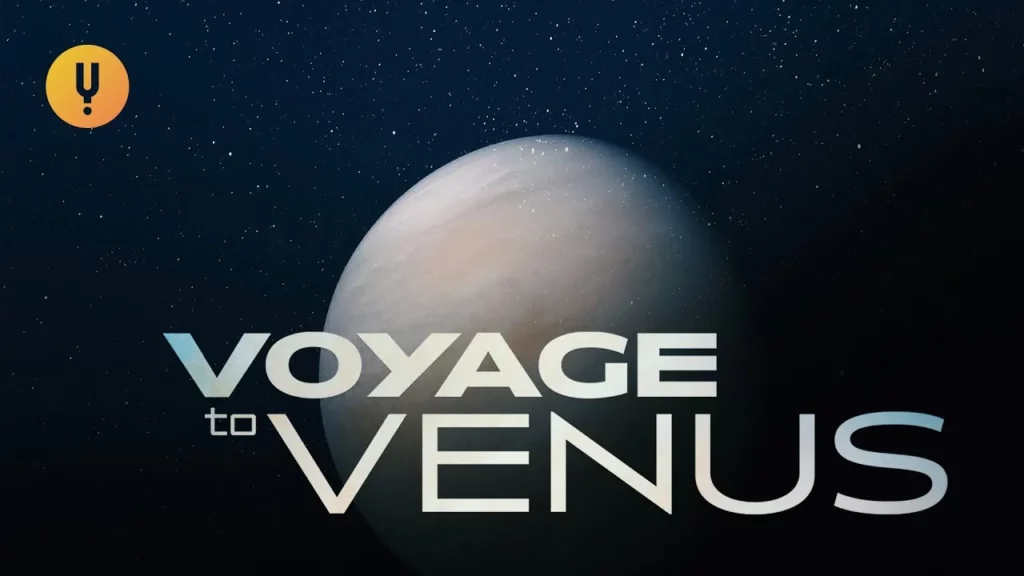
NASA’s upcoming missions to Venus, DAVINCI and VERITAS, aim to explore the planet’s harsh environment and uncover its historical similarities to Earth, which may provide insights into the evolution of habitability in our solar system. With a focus on understanding Venus’s atmospheric composition and geological processes, these missions seek to answer fundamental questions about water’s role in planetary development and the potential for life beyond Earth. By studying Venus, scientists hope to gain a deeper understanding of both our planet’s past and its future.