
Stealing In Space
The lesson “Stealing In Space” explores the intriguing possibility of piracy in space, sparked by Senator Ted Cruz’s prediction and the subsequent establishment of the U.S. Space Force. It delves into the historical context of piracy, highlighting its evolution from the Golden Age to modern instances, such as Somali piracy, while also considering the potential for cyberattacks on spacecraft as a contemporary form of piracy. Ultimately, the lesson emphasizes the importance of securing space assets and addressing the ethical implications of technological advancements as space exploration continues to expand.
How MrBeast Grew His Channel

The lesson explores the inspiring journey of MrBeast, also known as Jimmy Donaldson, who rose to fame on YouTube despite humble beginnings and personal challenges, including a diagnosis of Crohn’s disease. His commitment to creating engaging content and his passion for helping others led him to incorporate philanthropy into his videos, fostering a cycle of giving that not only grew his channel but also inspired positive change in the community. Ultimately, MrBeast’s story emphasizes the impact of kindness and the potential for anyone to make a difference, regardless of their circumstances.
Mad Scientists In Outer Space
The lesson “Mad Scientists In Outer Space” explores the evolution of space stations and their significance for scientific research and economic development in low Earth orbit (LEO). It highlights the unique research opportunities provided by microgravity environments, exemplified by the International Space Station (ISS), which has facilitated thousands of experiments in human health, technology application, and fundamental science. As the ISS approaches the end of its operational life, the focus is shifting towards privately owned space stations, promising a new era of economic ventures and continued advancements in space research.
Space As A Tax Haven
The lesson discusses the potential wealth that could be generated from space exploration, particularly through the mining of asteroids like Psyche, which may contain vast amounts of valuable metals such as nickel. It highlights the disparity in tax obligations between the ultra-rich and average Americans, revealing how wealthy individuals often exploit offshore tax havens to minimize their tax liabilities, while the space industry continues to grow rapidly, raising complex questions about future taxation and equity in wealth distribution.
Going So Fast That Time Slows Down
The lesson explores the concept of time dilation, a phenomenon predicted by Albert Einstein’s theory of relativity, which suggests that time can slow down for objects moving at high speeds compared to those at rest. It explains how this principle, alongside the constant speed of light, leads to different perceptions of time and distance, particularly in scenarios involving significant speeds, such as those approached by spacecraft. The lesson also touches on the implications of time dilation for future space travel and the potential societal impacts of manipulating time through speed.
Homes Inspired By Astronauts
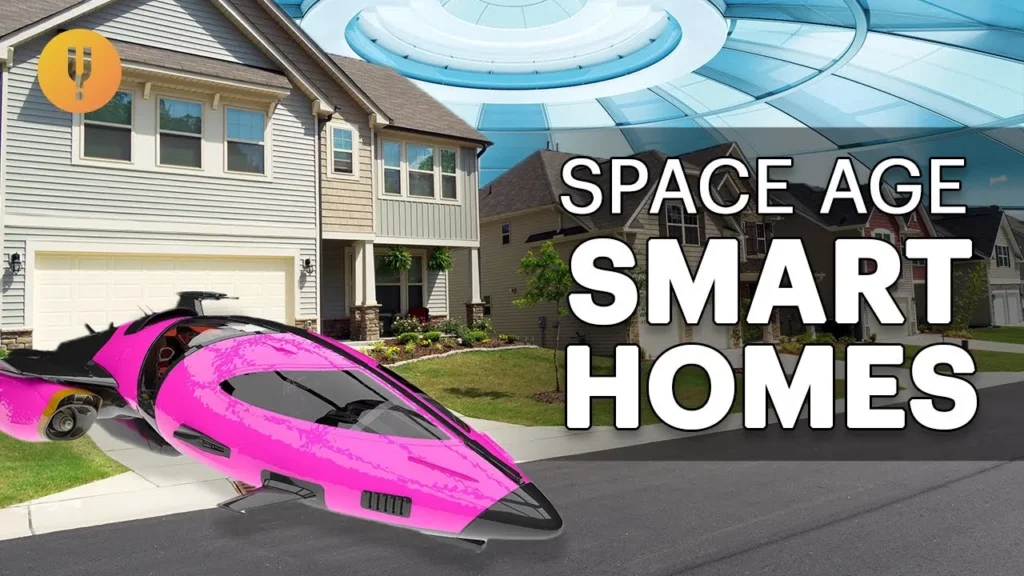
The lesson “Homes Inspired By Astronauts” explores how space exploration has provided valuable insights into sustainable living on Earth, particularly in light of challenges posed by climate change and resource depletion. It highlights advancements made in life support systems aboard the International Space Station (ISS), such as water recycling and oxygen generation, and discusses the growing need for sustainable architecture to address the environmental impact of urbanization. By applying lessons learned from space technology, such as water purification and regenerative design, we can develop innovative solutions for sustainable living on our planet.
Real Life Cyborg – Robot Hand & Optimized Brainwaves | “Suppressed Science”
In the lesson “Real Life Cyborg: Robot Hand & Optimized Brainwaves,” Athena Brensberger explores the intersection of humanity and technology, highlighting advancements in biomechatronics and brain-computer interfaces that challenge our understanding of what it means to be human. The discussion emphasizes the ethical implications and societal impacts of these technologies, particularly in terms of privacy, safety, and inequality, while advocating for ongoing dialogue to ensure these innovations benefit all. Ultimately, the lesson underscores the inevitability of technological progress and its potential to redefine human capabilities.
World Wide Wifi
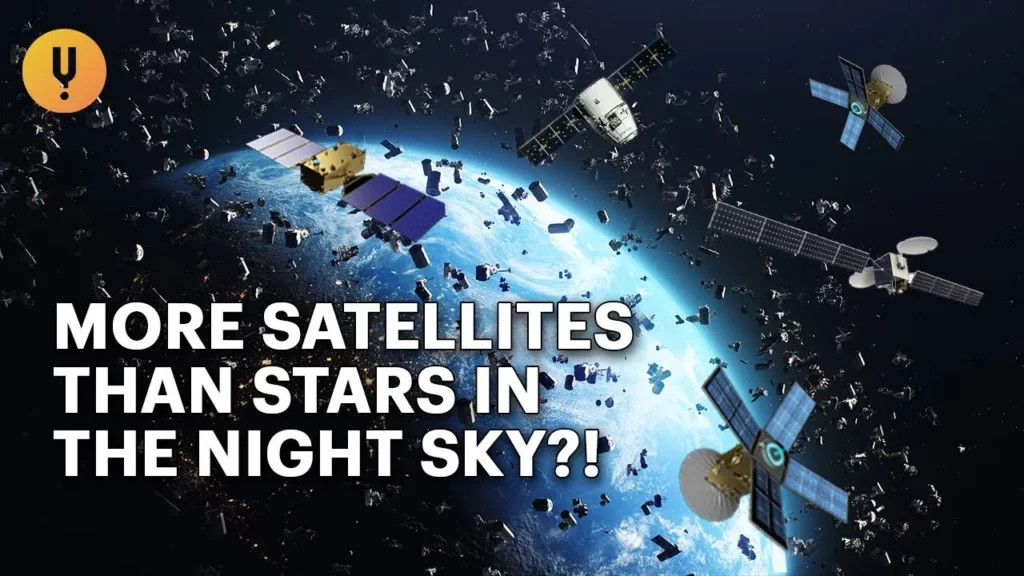
The lesson “World Wide Wifi” explores the impact of technology on both our access to the internet and our view of the night sky. It highlights the digital divide, with millions lacking reliable internet access, particularly in rural areas, while also addressing the environmental and astronomical consequences of increasing satellite deployments aimed at bridging this gap. Ultimately, the lesson emphasizes the need to balance expanding connectivity with preserving our natural night sky for future generations.
MAGIC MUSHROOMS & ACID: Psychedelic Trip or Miracle Cure? | “Suppressed Science”
In this lesson, “Magic Mushrooms & Acid: Psychedelic Trip or Miracle Cure?”, Athena Brunsberger explores the historical and cultural significance of psychedelics, highlighting their ancient use in spiritual rituals and the resurgence of modern research into their therapeutic potential. The lesson discusses the impact of social movements, the Cold War, and the pharmaceutical industry on the perception and regulation of these substances, while emphasizing the need for careful navigation of legal and ethical challenges as society re-evaluates their role in mental health treatment.
Space Recipes
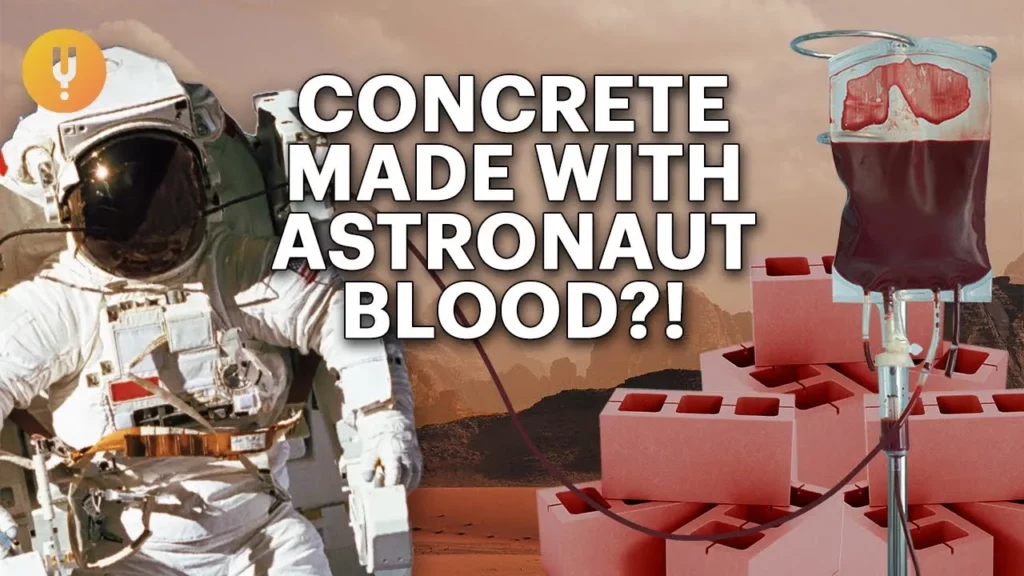
The lesson “Space Recipes: Preparing for Life Beyond Earth” explores the complexities of sustaining human life in space, emphasizing the need for self-sufficiency in future colonies. It highlights essential survival needs such as food, water, and air, and discusses innovative solutions like recycling systems and in-situ resource utilization to address these challenges. The lesson also touches on the economic implications of space colonization, suggesting that resources derived from human byproducts could become valuable commodities in a new extraterrestrial economy.