
RACE: History, Society and Science | “Suppressed Science”
The lesson on “Suppressed Science” emphasizes that race, while historically significant and socially constructed, lacks a biological foundation. It explores how racial categories emerged during the Enlightenment and were further distorted by movements like eugenics, ultimately revealing that genetic diversity exists more within populations than between them. The lesson underscores the importance of recognizing the social implications of race, particularly in medicine and health, while advocating for a nuanced understanding of human diversity informed by genomic science.
The Weather Control/Geo-Engineering Debate | “Suppressed Science”
The lesson on “The Weather Control/Geo-Engineering Debate” explores the concept of geoengineering as a potential solution to combat climate change, highlighting techniques such as carbon dioxide removal and solar radiation management. While these methods offer hope for mitigating extreme climate impacts, they also raise significant concerns regarding unintended consequences and ethical considerations. The debate remains complex, emphasizing the need for careful research, global consensus, and a balanced approach that includes emission reductions alongside innovative geoengineering solutions.
A Black Hole in our Back Yard: First Images
The lesson discusses the groundbreaking achievement of capturing the first images of black holes, specifically focusing on Sagittarius A*, the supermassive black hole at the center of our Milky Way galaxy. Through the global collaboration of the Event Horizon Telescope, astronomers have transformed theoretical concepts into visible evidence, revealing the dynamics of black holes and enhancing our understanding of the universe. This milestone not only confirms the existence of Sagittarius A* but also exemplifies humanity’s enduring quest for knowledge and exploration of the cosmos.
LeVar Burton: Leaving the Church to Inspire on Screen | Beyond the Spotlight | Full Documentary
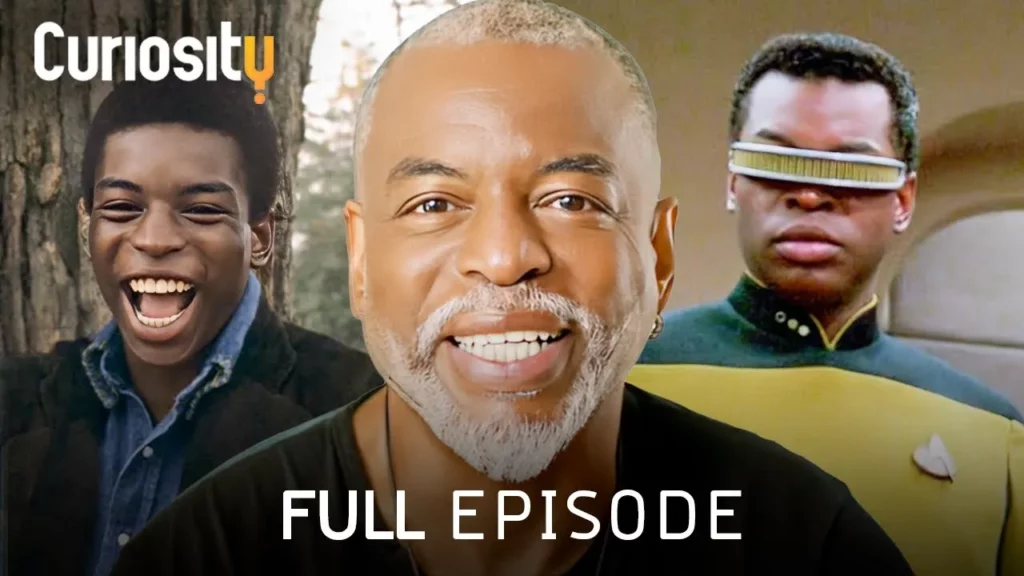
LeVar Burton’s journey from aspiring priest to celebrated actor exemplifies personal transformation and resilience in the face of societal challenges. Inspired by his mother’s emphasis on education and his experiences in theater, he ultimately found his calling in the arts, achieving fame with roles like Kunta Kinte in “Roots.” Through initiatives like “Reading Rainbow,” Burton has championed literacy and representation, leaving a profound legacy that inspires future generations.
The Making of Planet Insect: Filmmaking In A Pandemic
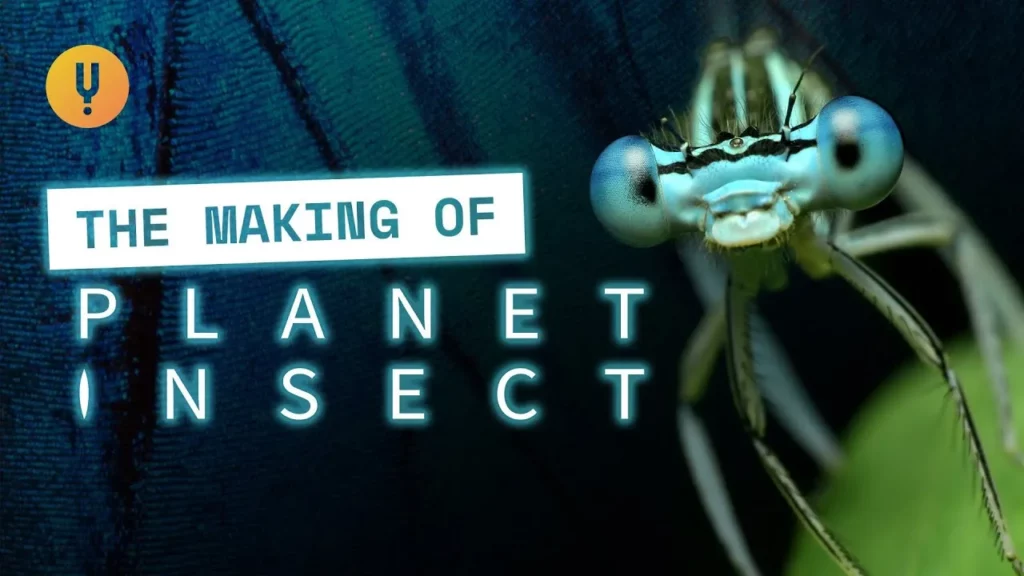
The lesson discusses the innovative filmmaking process behind “Planet Insect,” which adapted to the challenges posed by the global pandemic by creating a rainforest environment in a studio rather than traveling to remote locations. The production team collaborated with Metabugs UK to utilize their extensive insect collection, while also venturing into Mexico’s caves to film unique crustaceans, demonstrating resilience and creativity in showcasing the diverse world of insects despite logistical hurdles.
The Making of Planet Insect: Bug Camera Techniques
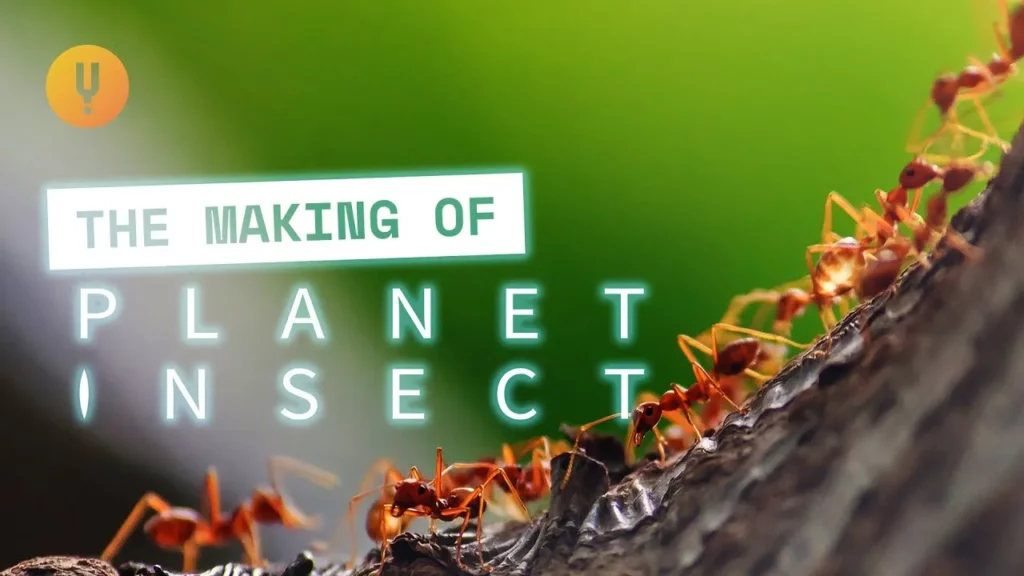
The lesson on “The Making of Planet Insect: Bug Camera Techniques” explores the innovative filming methods and specialized equipment used to capture the intricate world of insects. Techniques such as drone navigation for an insect’s perspective, precise camera movements with probe lenses and robotic arms, and the use of high-resolution LED screens for dynamic backgrounds enable filmmakers to reveal the complexity and beauty of these tiny creatures in unprecedented detail. Through these advancements, audiences gain a deeper appreciation for the fascinating lives of insects.
The James Webb Space Telescope Changes Everything | Breakthrough
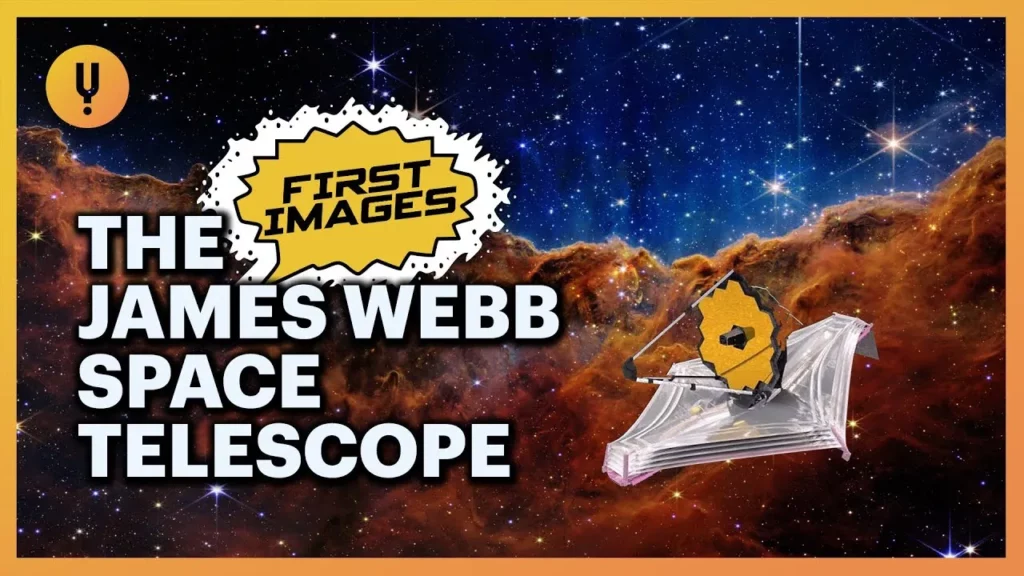
The James Webb Space Telescope (JWST) represents a groundbreaking advancement in space exploration, allowing us to observe the universe in unprecedented detail, particularly in the infrared spectrum. Launched on Christmas Day in 2021, JWST is designed to investigate the universe’s history, including the formation of galaxies and the potential for life on distant planets, using its advanced instruments and innovative technology. This collaborative achievement by NASA and international partners not only enhances our understanding of the cosmos but also exemplifies the power of teamwork in scientific endeavors.
The Making Of Planet Insect: Studying Colonies
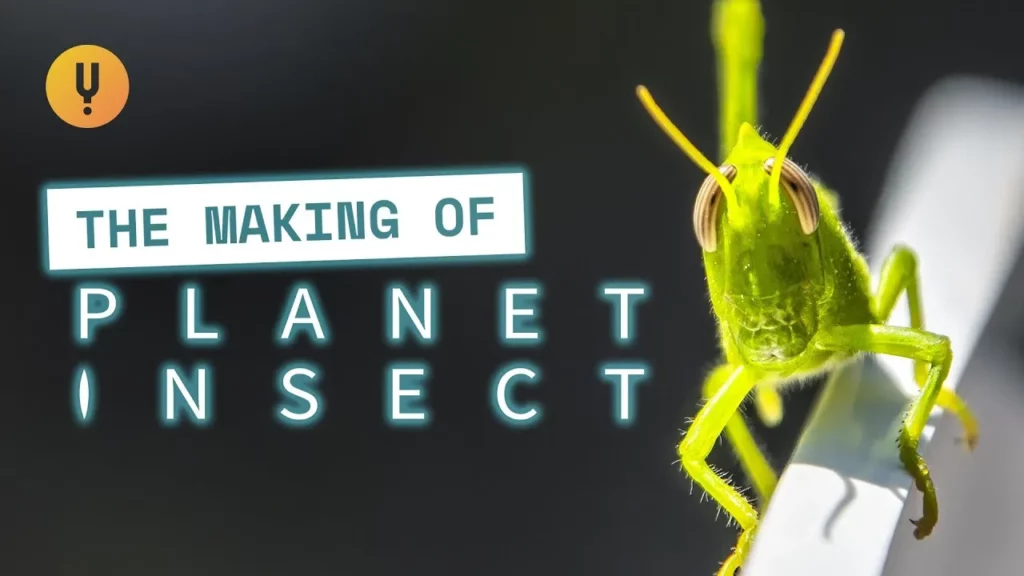
The lesson explores the fascinating world of social insects, particularly ants and bumblebees, and how scientists study their complex colonies and hidden structures. Through innovative methods like using aluminum casts to reveal ant nests and creating specialized environments to observe bumblebee behavior, researchers uncover the intricate ways these insects communicate and collaborate. Understanding their lives not only highlights their remarkable abilities but also deepens our appreciation for the natural world.
Why do songs get stuck in our heads? Explaining Earworms | Science of Sound
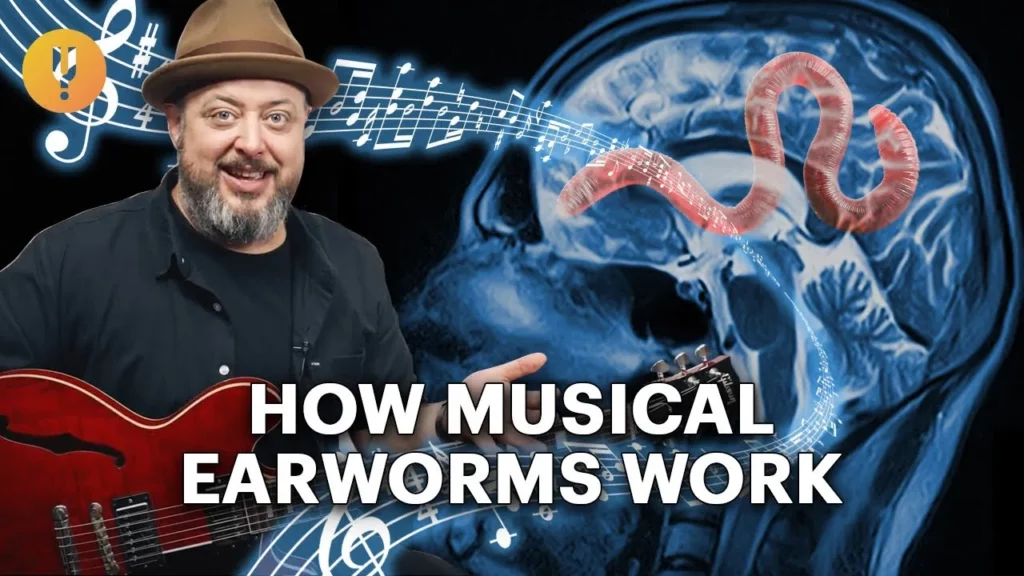
The lesson explores the phenomenon of “earworms,” or songs that get stuck in our heads, through insights from neuroscientist Dr. Carol Sherling. It explains that earworms result from involuntary musical imagery, where the brain continues to process music even when it’s not playing, influenced by factors such as catchy lyrics, emotional resonance, and repetition. Strategies to manage earworms include replacing the song with another tune, discussing it, or even chewing gum to distract the brain.
What’s it like to work with Physics Girl? | Proof Of Concept
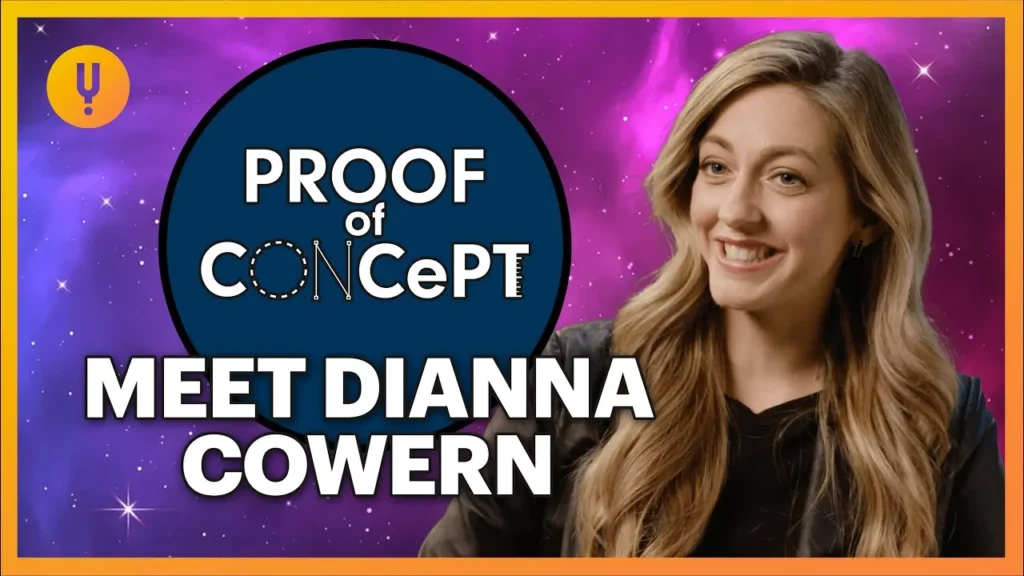
The lesson highlights the collaborative experience of working with Diana Cowan, known as “Physics Girl,” in creating engaging science content that simplifies complex ideas through innovative approaches. It emphasizes the importance of meaningful science communication, aiming to inspire future generations by making topics in math and logic accessible and entertaining. The project, “Proof of Concepts,” seeks to challenge perceptions of knowledge while empowering young audiences through captivating demonstrations and real-world applications.