
What is the Music Genome Project? | Science of Sound

The lesson explores the Music Genome Project, which underpins Pandora’s personalized music recommendations through a combination of human analysis and machine learning. By meticulously analyzing musical elements and listener data, the project creates unique “thumbprints” for songs, allowing for tailored playlists based on user preferences. Insights from this process reveal patterns in musical tastes and demonstrate how streaming services facilitate a diverse exploration of music across generations.
The Past, Present, and Future of Comedy
The lesson explores the evolution of stand-up comedy, highlighting its historical roots from figures like Tribulae, a royal jester in 15th-century France, to the modern digital age. It discusses how humor has been used to challenge authority and reflects on the nature of comedy, which can be both relatable and surprising. As technology continues to advance, the future of comedy remains uncertain, yet it will likely adapt to reflect societal changes.
The Past, Present, and Future of Psychedelics

The lesson explores the history and evolving perception of psychedelics, beginning with Albert Hofmann’s accidental discovery of LSD in 1943 and tracing the use of consciousness-altering substances back to ancient civilizations. It highlights the resurgence of interest in psychedelics for therapeutic applications, particularly in mental health, and emphasizes the importance of understanding their historical context as society begins to view them as potential tools for healing rather than mere recreational substances.
The Past, Present, and Future of Music
The lesson explores the rich history and evolution of music, beginning with ancient instruments discovered in Germany that date back over 40,000 years, highlighting music’s integral role in human culture. It traces the development of musical notation, the birth of recorded sound, and the impact of technology on music consumption, culminating in the current influence of artificial intelligence in music production. As technology continues to advance, the lesson suggests that AI may soon play a pivotal role in creating music that resonates with contemporary audiences.
The Past, Present, and Future of Communication
The lesson explores the evolution of communication, tracing its origins from the early development of neurons to the complex systems of human interaction today. It highlights key milestones such as the emergence of language, the invention of writing, and the technological advancements leading to the internet, which have transformed how we share and process information. Looking ahead, the potential of brain-computer interfaces suggests a future where communication could become even more direct and integrated, emphasizing the importance of thoughtful sharing in an increasingly connected world.
The Past, Present, and Future of Transportation
The lesson explores the evolution of transportation, beginning with the invention of the wheel in Mesopotamia around 3500 BC, which facilitated the movement of goods and people and shaped civilizations. It highlights key advancements, such as the use of boats and horses, the impact of the Industrial Revolution, and the rise of automobiles, while also addressing the challenges of pollution and urban congestion. Looking ahead, the lesson emphasizes the potential of emerging technologies like electric vehicles and drones to transform transportation, alongside the need for careful planning to mitigate new issues that may arise.
Tomorrow’s Flying Cars | Breakthrough
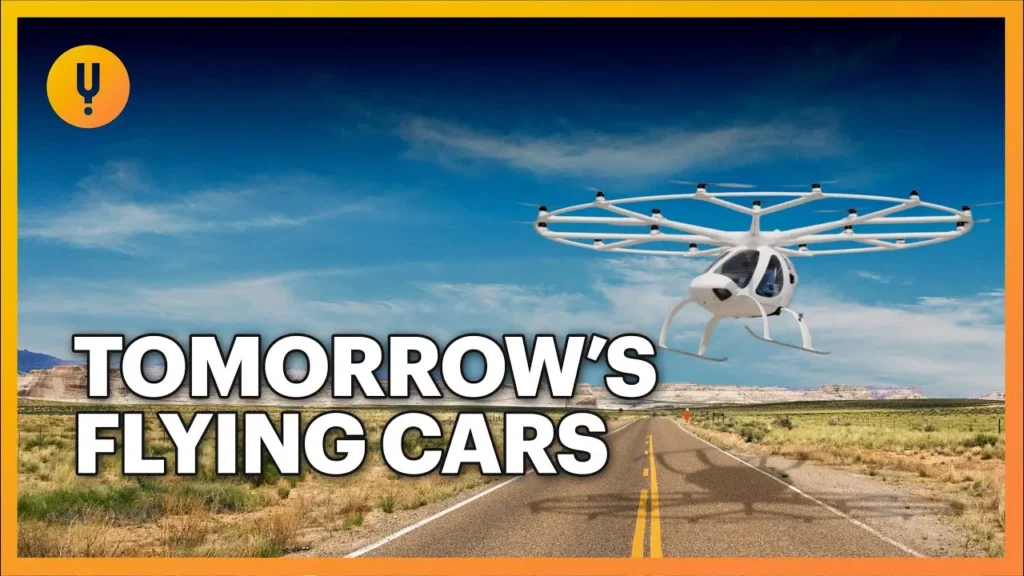
The lesson explores the exciting advancements in electric vertical takeoff and landing (eVTOL) technology, which is paving the way for the development of flying cars and air taxis. While these innovations promise to alleviate traffic congestion and reduce pollution, they also face challenges related to safety, noise, and affordability. Companies like Volocopter and Jetson are leading the charge, aiming to revolutionize urban transportation and personal flight experiences in the near future.
Jupiter’s Moons And The Search For Life | Breakthrough
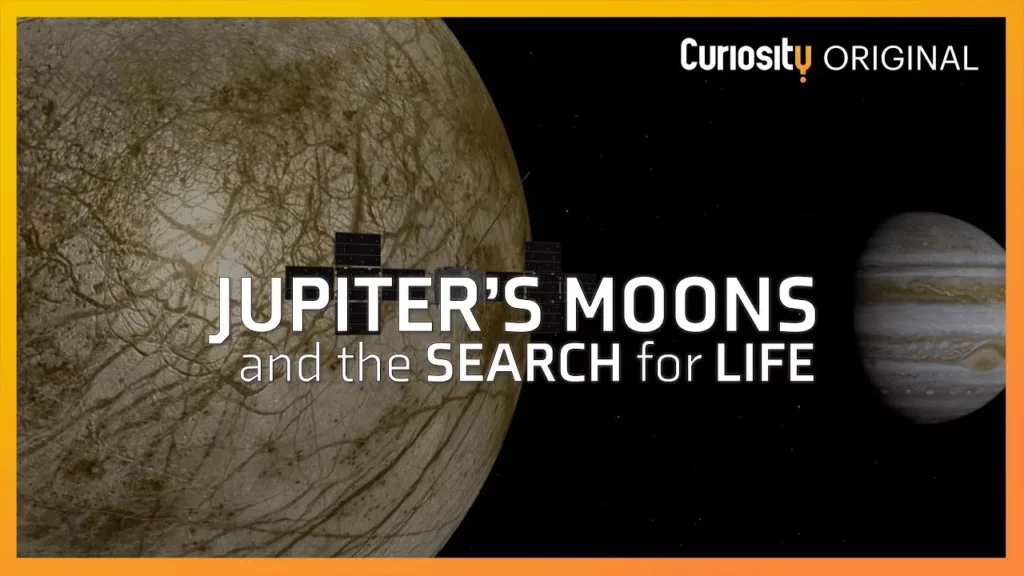
The lesson discusses the upcoming JUICE (Jupiter Icy Moons Explorer) mission, which aims to explore Jupiter’s icy moons—Europa, Callisto, and Ganymede—in search of conditions that could support life. With advanced instruments like RIME, JUICE will investigate the potential for subsurface oceans and energy sources on these moons, challenging the traditional belief that life requires sunlight. This mission, alongside others like NASA’s Europa Clipper and observations from the James Webb Space Telescope, promises to enhance our understanding of the Solar System and the possibility of extraterrestrial life.
Creating Breakthroughs | A Short Film
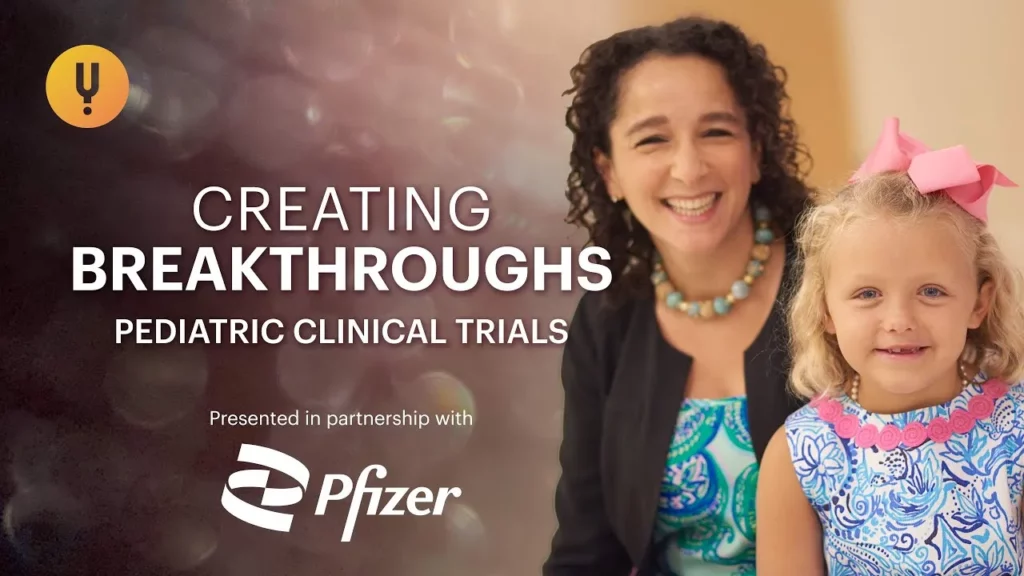
The lesson “Creating Breakthroughs: A Journey of Hope and Innovation” follows Edie’s battle with stage four neuroblastoma, highlighting the critical role of pediatric research and clinical trials in advancing cancer treatment. Dr. Yael Mosei’s innovative approach, which emphasizes translating insights from patient experiences to research, led to significant breakthroughs in Edie’s care, including the identification of genetic predispositions and participation in a transformative clinical trial. This story underscores the importance of collaboration among medical professionals, families, and researchers in fostering hope and improving outcomes for vulnerable pediatric patients.
Hi$tory – Cold War | Full Documentary

The lesson on the Cold War highlights the significant role of economic power in shaping historical events, particularly the intense military spending by the U.S. and the Soviet Union as they vied for dominance. It explores how ideological battles, living standards, and economic pressures contributed to the eventual collapse of the Soviet Union, culminating in a shift from communism to capitalism in Russia. The legacy of the Cold War serves as a reminder of the lasting impact of economic forces on global relations and the importance of understanding history for future navigation.