
Why does music trigger memories? | Science of Sound
The lesson explores the profound connection between music and memory, highlighting how music can evoke nostalgia and trigger emotional responses by activating various brain regions associated with memory and identity. It emphasizes the role of music therapy in enhancing mental and physical health, particularly for individuals with cognitive impairments, and illustrates how familiar songs can awaken memories and improve well-being. Ultimately, the lesson underscores the therapeutic potential of music and its ability to influence our emotions and cognitive functions.
Artemis Ascends: NASA Launch Propels Humanity to New Horizons!
The Artemis program marks a significant advancement in human space exploration, aiming to return astronauts to the moon and establish a sustainable presence there, unlike the short visits of the Apollo missions. With the launch of the Artemis I mission, NASA’s powerful Space Launch System (SLS) and Orion spacecraft will pave the way for future lunar settlements and prepare for eventual missions to Mars. This initiative represents a new era of exploration, focusing on long-term habitation and scientific research on the moon.
Reggie Watts, Maz Jobrani, and more join Physics Girl’s brand new show | Proof Of Concept
“Proof of Concept” is a new show that creatively combines games, humor, and educational content to explore complex scientific ideas in an engaging manner. Featuring notable guests and innovative set designs, the show emphasizes curiosity and collaboration, making learning enjoyable and accessible to a broad audience. By presenting intricate concepts through entertaining formats, it aims to inspire viewers to embrace and understand science without the need for specialized tools.
Why does music help with focus? | Science of Sound
This lesson explores the intriguing relationship between music and focus, highlighting how personal preferences and cultural backgrounds influence its effectiveness in enhancing concentration and motivation. Key points include the importance of choosing the right type of music—instrumental over lyrical for studying—and the role of cognitive arousal in improving performance, as exemplified by the “Mozart Effect.” Additionally, the lesson discusses music’s motivational power in athletic contexts and its therapeutic applications in improving motor skills and memory.
Why is Live Music Better? | Science of Sound
The lesson explores the profound impact of live music on our emotions and neurological responses, highlighting its unique ability to engage various brain regions, such as the auditory cortex, amygdala, and hippocampus. Through discussions with neuroscientist Dr. Michael Oliver, it emphasizes how live music fosters emotional connections and shared experiences, enhancing memory and social bonds among audiences. Additionally, the lesson touches on the dynamic nature of live performances, particularly in genres like electronic dance music, where audience interaction plays a crucial role in shaping the emotional experience.
Year Of The Asteroid | Breakthrough
The lesson “Year Of The Asteroid: Exploring the Mysteries of Space” highlights the significance of asteroids in our solar system, particularly those that pose a potential threat to Earth. It discusses NASA’s ongoing missions, such as the Psyche mission, which aims to study an asteroid believed to be part of a planet’s core, and the DART mission, designed to test asteroid deflection techniques to protect Earth from possible collisions. Through these efforts, NASA is advancing our understanding of asteroids and developing technologies to safeguard our planet.
The Past, Present, and Future of Surgery
The lesson explores the evolution of surgery, highlighting the groundbreaking contributions of Huatuo, a third-century Chinese physician who pioneered surgical techniques and anesthesia despite societal challenges. It then discusses the significant advancements in modern surgery, including robotic systems and the potential future impact of AI and nanobots, which could transform surgical practices by enabling less invasive procedures and continuous health monitoring. Overall, the lesson emphasizes the remarkable journey of surgical practices from ancient times to the cutting-edge technologies of today and tomorrow.
Do musicians hear music differently? | Science of Sound
In this lesson, Marty Schwartz explores how musicians perceive music differently from casual listeners, highlighting insights from neuroscientist Dr. Carol Sherling. Musicians experience structural and functional changes in their brains, such as increased gray matter in areas related to auditory processing, which enhances their ability to notice musical details and connections. The discussion also touches on the lasting benefits of musical training on brain health, the phenomenon of synesthesia, and the impact of rhythm on cognitive functions.
The Past, Present, and Future of Sports

The lesson explores the historical evolution of sports, highlighting their significance in society and their transformation from ancient combat-related activities to modern competitive games and esports. It discusses the deep-rooted connection between sports and warfare, the emergence of new sports in the 20th century, and the rise of esports as a major industry. As sports continue to adapt in the digital age, the lesson prompts reflection on their future trajectory and ongoing cultural importance.
The Past, Present, and Future of Food
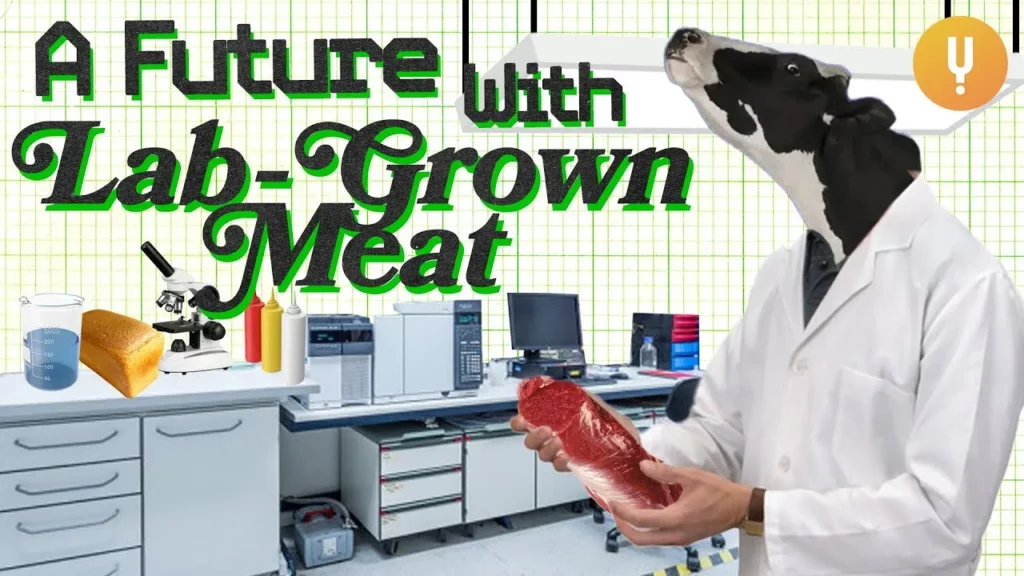
The lesson explores the evolution of culinary practices from the 16th century, highlighting Bartolomeo Scappi’s influential cookbook that combined artistry and science in cooking during the Italian Renaissance. It discusses the transition to modern innovations, such as plant-based and lab-grown meats, as well as alternative protein sources and 3D printing technology, which are shaping the future of food production and sustainability. Ultimately, it emphasizes how Scappi’s legacy continues to inspire contemporary culinary creativity and the exploration of new frontiers in gastronomy.