
The New Design For the World Trade Center #NYC #WorldTradeCenter

The new design for the World Trade Center aims to create a vibrant “city within a city” in Lower Manhattan, enhancing connectivity with surrounding neighborhoods while replacing the lost office space from the original towers. Featuring a unique spiral arrangement of five towers, with the symbolic Freedom Tower at its center, the design not only honors the memory of 9/11 but also integrates modern architecture and sustainable practices, representing resilience and innovation for the future.
How The Like Button Impacted Our Online Lives | The Lightbulb Moment
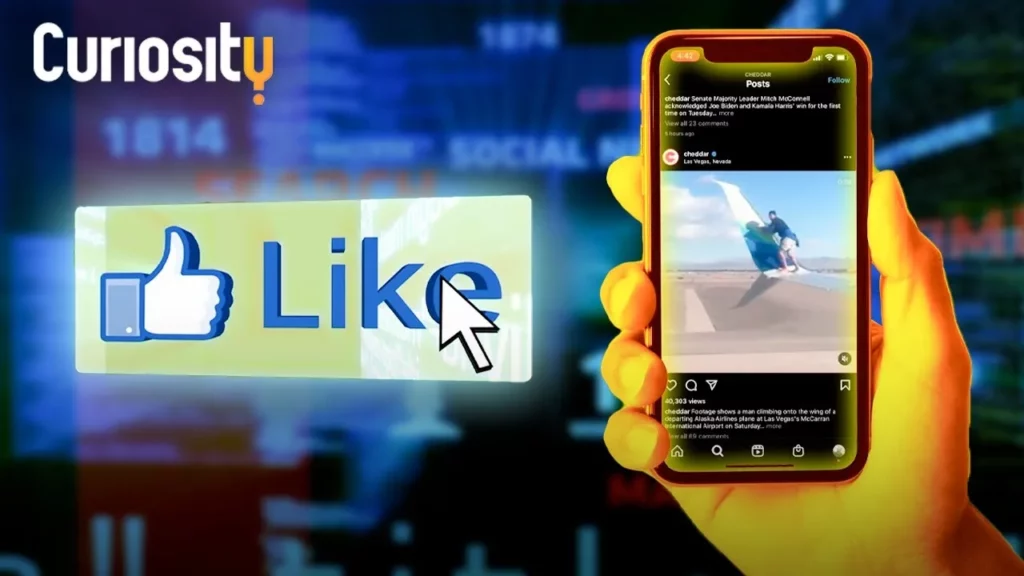
The lesson explores the profound impact of the like button on our online lives, illustrating how it has transformed from a simple expression of approval into a measure of self-worth and validation. This shift has led to addictive behaviors, feelings of inadequacy, and a commodification of personal interests, while also raising concerns about data privacy and the spread of misinformation through algorithm-driven content. Ultimately, the lesson emphasizes the importance of critical engagement with technology, particularly for younger users navigating the complexities of social media.
Can the Perseverance Rover “Live Off The Land” on Mars? #NASA #Mars

The lesson explores NASA’s MOXIE experiment, which aims to convert Mars’ carbon dioxide-rich atmosphere into oxygen, enabling future human missions to “live off the land” by utilizing local resources instead of relying solely on supplies from Earth. This approach not only enhances the feasibility of sustaining human life on Mars but also reduces costs and logistical challenges associated with space travel. Additionally, the Perseverance rover’s weather station contributes valuable data about the Martian environment, further supporting the goal of establishing a human presence on the Red Planet.
How the Barcode Became An Integral Part of Our Lives | The Lightbulb Moment

The lesson outlines the evolution of the barcode, beginning with Joseph Woodland’s inspiration in 1949 to create a machine-readable label for inventory management. Despite initial challenges, technological advancements led to the development of the Universal Product Code (UPC) in the 1970s, which revolutionized retail and logistics. Today, barcodes are integral to various industries, and their evolution continues with innovations like QR codes, highlighting the enduring impact of Woodland’s original idea.
The Oregon Trail and Its Impact on Native American Tribes | The Real Wild West

The lesson on “The Oregon Trail and Its Impact on Native American Tribes” emphasizes the profound consequences of westward expansion on Indigenous peoples, highlighting the depletion of vital resources and the forced relocation of tribes through policies like the Indian Removal Act. While the Oregon Trail is often romanticized for the pioneers’ journey, it also represents a tragic chapter for Native communities, marked by loss and resilience. The ongoing fight for Indigenous rights, exemplified by leaders like Nalin Pike, underscores the enduring spirit and cultural heritage of Native American tribes amidst historical injustices.
How Orcas Learn To Hunt #Orcas #KillerWhales

The lesson explores how orcas, led by a matriarch, learn to hunt through a rigorous training process that can last 3 to 5 years. Young orcas are selected based on their ability to handle training, and they learn by observing and practicing with the guidance of experienced members of their pod, often using props to simulate hunting scenarios. Scientists utilize drones to study these training sessions, revealing the intelligence and social dynamics of these remarkable marine mammals.
How Ethical Hackers Help Safeguard the Digital Landscape | Digits
The lesson highlights the crucial role of ethical hackers, particularly white hat hackers like Sammy Camar, in safeguarding the digital landscape against malicious threats. It emphasizes the evolution of hacking from a curiosity-driven activity to a professional field where ethical hackers are employed to identify and fix vulnerabilities in technology, fostering cooperation between hackers and companies. The lesson also aims to shift the perception of hacking from solely criminal activity to a broader understanding that includes ethical practices and the importance of ethics in maintaining cybersecurity.
Yellow Cabs Vs. Uber: Who Wins? #NYC #Taxis
The lesson explores the competition between Yellow Cabs and Uber in New York City, highlighting the significant shift in transportation preferences following the introduction of ride-sharing apps in 2011. As Uber gained popularity due to its convenience and competitive pricing, traditional taxi companies struggled to adapt, facing challenges from both the ride-sharing model and emerging technologies like self-driving cars. This evolution not only impacts the companies involved but also raises important questions about safety, regulation, and the future of jobs in the transportation industry.
The History and Psychology Of The Like Button | The Lightbulb Moment
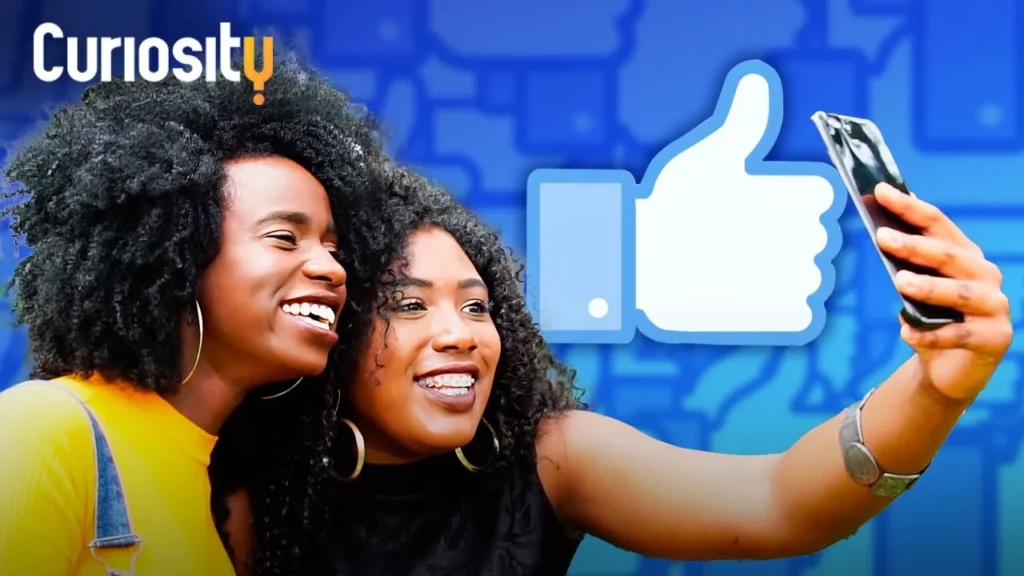
The lesson explores the history and psychological impact of the Like Button, which originated at Facebook in 2007 and was launched in 2009 after overcoming initial skepticism from CEO Mark Zuckerberg. It highlights how the Like Button transformed online interactions, fostering community engagement while also introducing competitive dynamics that can lead to feelings of inadequacy. Additionally, the lesson discusses the broader implications of the Like Button in terms of data commodification and its role in shaping cultural identity, emphasizing the need for responsible use of social media tools.
How Netflix Changed Our Viewing Experience Forever | The Lightbulb Moment
The lesson explores how Netflix has transformed the viewing experience through advanced technologies like compression, encoding, and adaptive streaming, ensuring high-quality content delivery across various devices and internet speeds. It highlights the importance of a seamless user experience, driven by innovations such as voice control and the potential future of streaming video games. As the industry evolves, the focus will likely shift towards enhancing accessibility and user engagement rather than merely increasing resolution.