
The Bull’s-Eye Design Of The Barcode #Barcode #History

The lesson discusses the invention of the bullseye barcode by Woodland, designed to be scanned from any angle, which addressed the limitations of Morse code. By transforming dots and dashes into circular lines, Woodland created an omnidirectional barcode that significantly improved the efficiency of scanning items in stores. This innovative design has since become integral to modern shopping and package tracking, showcasing the impact of creative problem-solving.
Why Orcas Are The Apex Predators Of The Ocean | Sea Lions vs Orcas
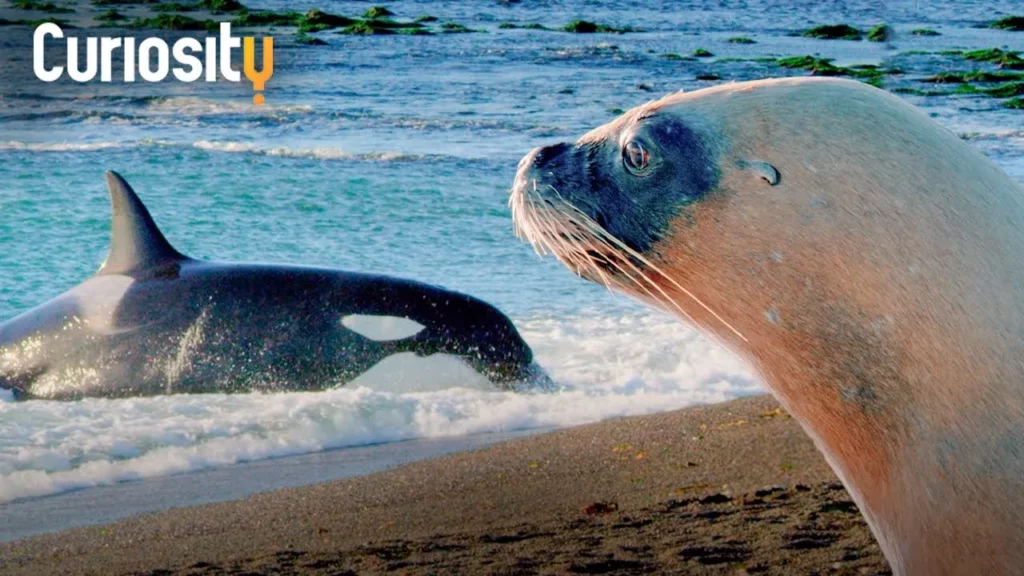
The lesson explores the intelligence and social structure of orcas, highlighting their role as apex predators in the ocean. Through the story of a female orca named Maga and her family, it illustrates their sophisticated hunting techniques, use of sonar, and unique eating habits, emphasizing the importance of teamwork and family bonds in their survival. Additionally, it touches on the cultural aspects of orca clans and the ongoing scientific research aimed at understanding their behaviors and traditions.
Did The Perseverance Rover Find Water On Mars? #NASA #Mars

The lesson explores the discoveries made by NASA’s rovers, Spirit and Opportunity, which found minerals on Mars that indicate the presence of water in the planet’s past. This suggests that Mars once had a warmer, wetter climate, raising questions about what caused its transformation into the cold, dry environment we see today. Understanding Mars’ history is crucial for learning about Earth’s own climate and the potential for life beyond our planet.
How Astronomers Captured The First-Ever Image Of A Black Hole | Breakthrough

In 2017, astronomers successfully captured the first-ever image of a black hole, Sagittarius A*, using the Event Horizon Telescope, a global network of radio telescopes. This groundbreaking achievement confirmed the existence of black holes, revealing a glowing ring of light surrounding a dark center, and provided insights into the nature of spacetime as predicted by Einstein’s theory of general relativity. The discovery not only enhances our understanding of the universe but also highlights humanity’s innate curiosity and desire to explore the cosmos.
Is This South Korean City The Solution For The Future? #Surveillance #Privacy

The lesson explores the concept of Songdo, South Korea, as a potential model for future urban living, highlighting its advanced technological infrastructure designed for efficiency and convenience. However, it also raises critical questions about the trade-off between the benefits of smart city technologies and the implications for personal privacy due to constant surveillance. Ultimately, it encourages a dialogue on how to harness technology to enhance quality of life while safeguarding individual privacy rights.
Privacy vs. Security in the Age of Digital Surveillance | Digits

The lesson explores the complex relationship between privacy and security in the context of digital surveillance, using real-life scenarios and futuristic examples like the smart city of Songdo. It highlights the invasive nature of constant monitoring in workplaces and the trade-offs residents face in smart cities, where enhanced safety comes at the cost of personal privacy. Ultimately, the lesson emphasizes the need for a careful balance between technological advancements and the protection of individual rights and freedoms.
How Facebook Became A Powerful Tool For Advertisers #Facebook #Likes
The lesson explores how Facebook evolved into a powerful advertising tool through the introduction of the “Like” button, which facilitated user engagement and data collection. By tracking user interactions and preferences, Facebook enabled advertisers to target specific audiences effectively, revolutionizing the advertising landscape and demonstrating the significant influence of social media on marketing strategies. This transformation has fundamentally changed how businesses connect with consumers, leveraging detailed user data for more impactful advertising.
The Story of The New York City Yellow Cabs | NYC Revealed
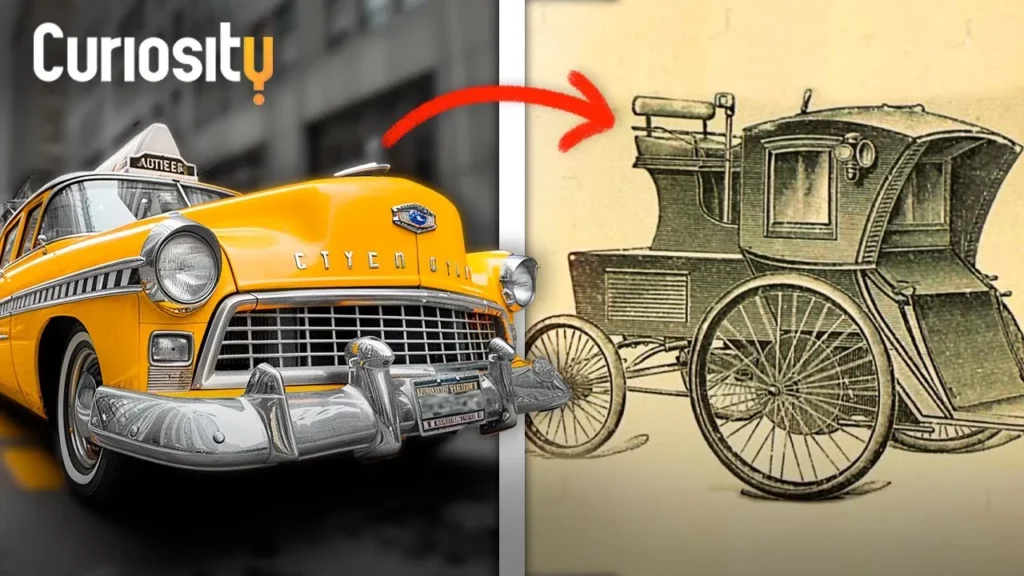
The lesson explores the evolution and significance of New York City’s iconic yellow cabs, tracing their history from early horse-drawn carriages to the modern medallion system and the challenges faced by drivers today. It highlights the impact of ride-sharing services, the financial struggles of cab drivers, particularly immigrants, and the potential future of autonomous vehicles in the industry. Ultimately, the yellow cab remains a symbol of resilience and connection within the bustling metropolis, embodying the dreams and hardships of those who drive them.
The Ecological Impact Of The Ocean Twilight Zone | Breakthrough
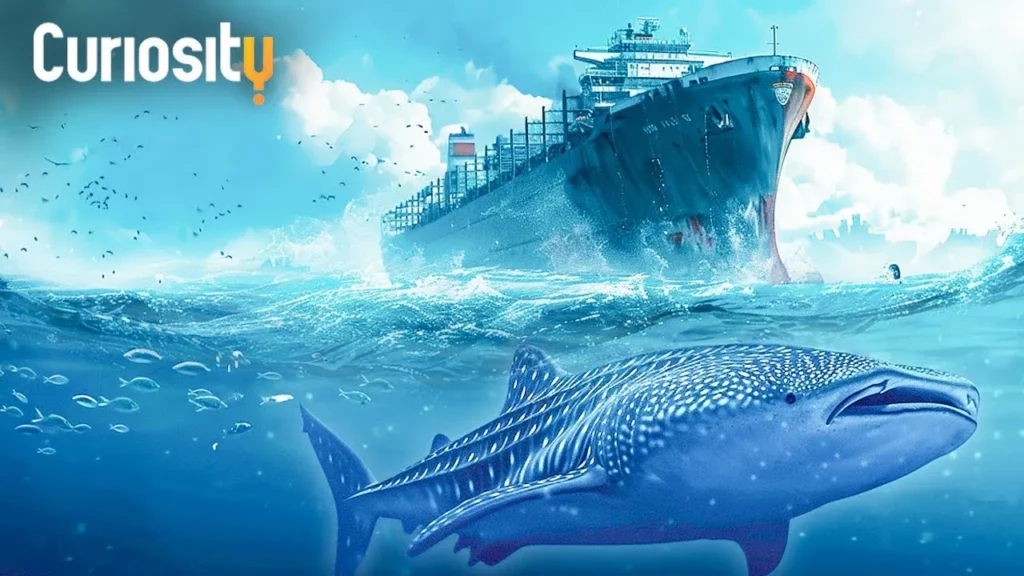
The lesson on the ecological impact of the ocean’s Twilight Zone highlights its significance as a unique and biodiverse region located between 100 and 1,000 meters deep, where organisms have adapted to low light conditions. Led by scientists Ken Bissler and Heidi Sask, a collaborative research mission aims to explore this zone’s role in carbon cycling and the biological carbon pump, revealing its importance in mitigating human-made carbon dioxide emissions. The study underscores the richness of life in this previously underestimated area, which is now known to contain a substantial portion of the ocean’s fish biomass and plays a critical role in the global ecosystem.
The Abundant Life In Deep Waters #TwilightZone #Oceans
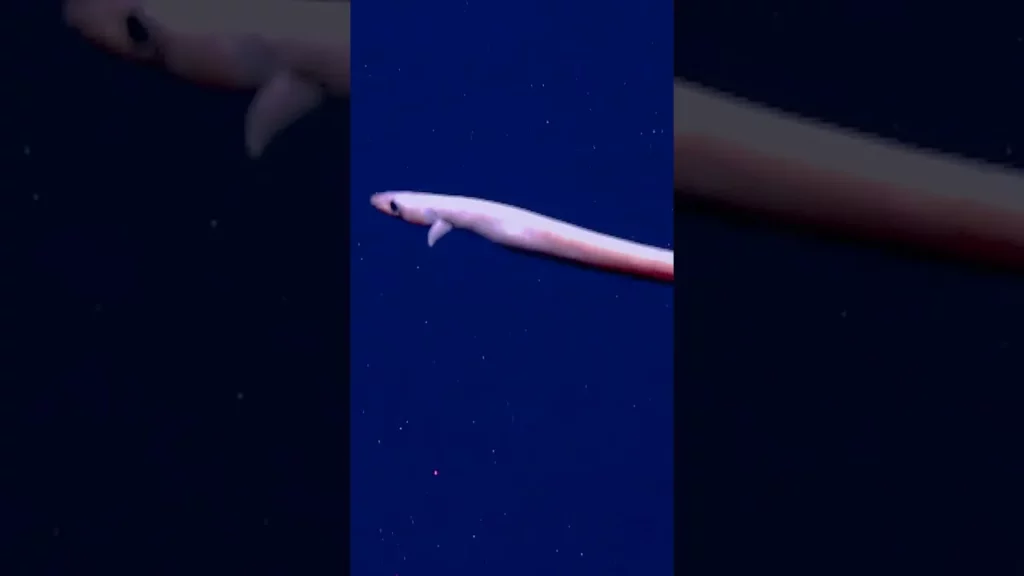
The lesson “The Abundant Life In Deep Waters” reveals that the Twilight Zone of the ocean, once thought to be barren, is actually teeming with life, housing up to 90% of the ocean’s fish biomass. Advances in technology have enabled scientists to explore this challenging environment more effectively, leading to a deeper understanding of its ecosystems and the vital role it plays in global biodiversity and climate health. As exploration continues, we uncover the mysteries of this hidden world and its significance for our planet.