
Fixing The Declining Wolf Populations | Breakthrough
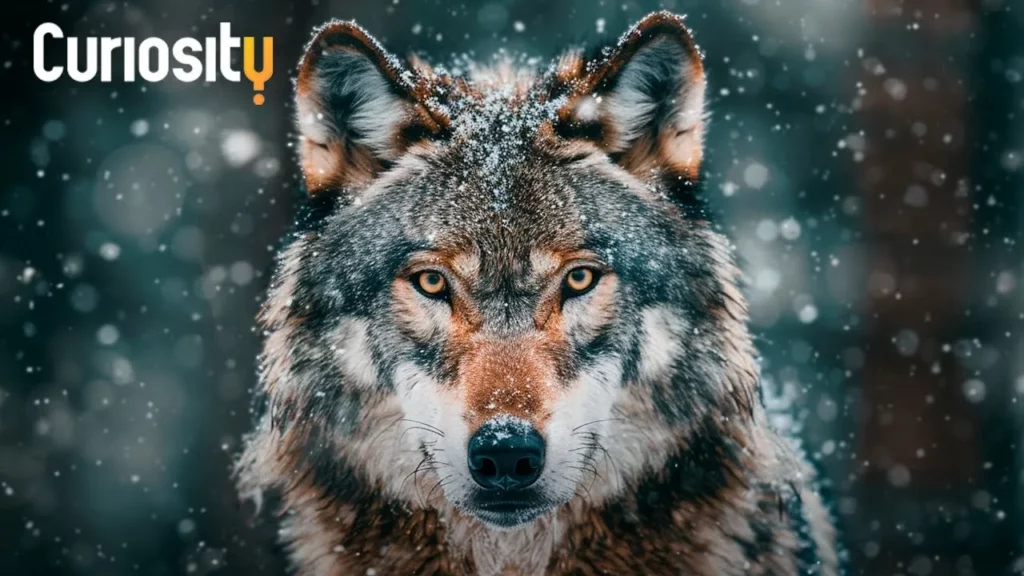
The lesson discusses the efforts of the US National Park Service and Ontario’s Ministry of Natural Resources to relocate wolves to Isle Royale National Park to restore ecological balance after the wolf population dwindled. By capturing and relocating wolves, including a genetically diverse black wolf, the project aims to control the growing moose population and protect the island’s vegetation, thereby maintaining the delicate predator-prey dynamics that have been studied for decades. The initiative highlights the challenges posed by climate change and the importance of ongoing research in understanding and preserving this unique ecosystem.
Giving Rescued Wolves A Check-up #Wolves #AnimalKingdom
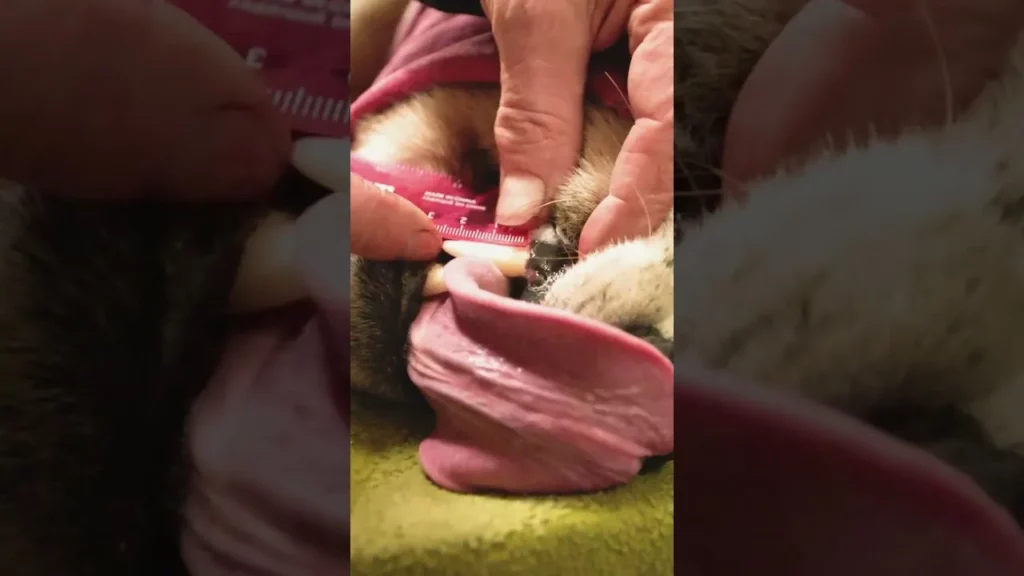
The lesson explores the health check-up process for rescued wolves before they are relocated to Wilderness Island. It highlights the importance of examining the wolves’ heart, lungs, and teeth, as well as testing for diseases to ensure their well-being. Understanding these procedures emphasizes the care and attention given to these magnificent animals, ensuring they are healthy and ready for their new home.
How Close Are We To Robots Taking Over? | A Curious World
The lesson explores the rapid advancement of artificial intelligence (AI) and its implications for the future, highlighting both the potential benefits and risks associated with intelligent machines. As AI technologies become increasingly integrated into our daily lives and critical infrastructure, concerns arise about their capacity for self-awareness and self-improvement, leading to questions about control and coexistence with these machines. Ultimately, the lesson emphasizes the need for careful consideration of who governs AI development and the potential consequences of creating systems that may surpass human intelligence.
How The LIGO’s Discovery Validated Einstein’s Theory | Breakthrough
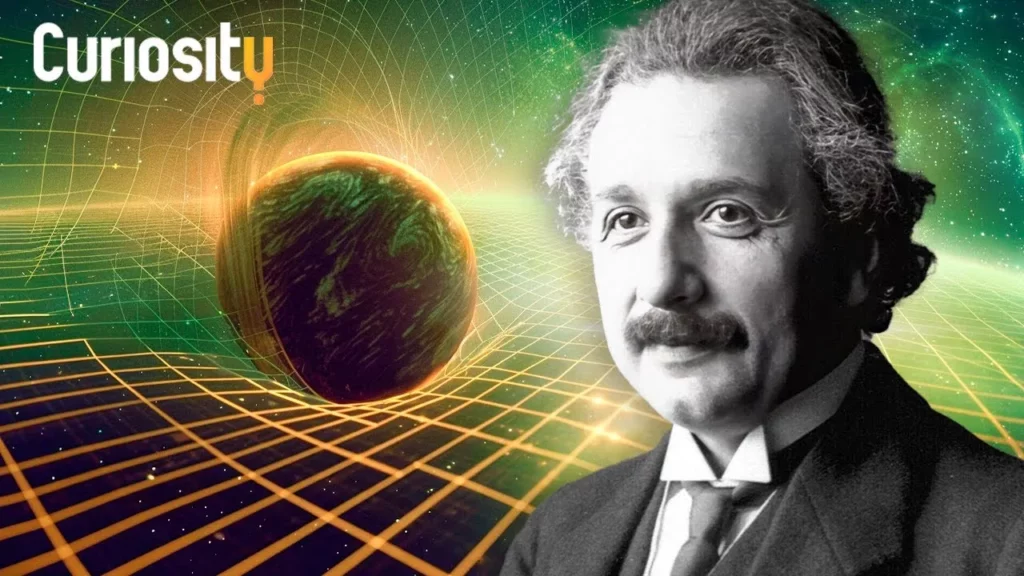
The lesson discusses how the Laser Interferometer Gravitational-Wave Observatory (LIGO) made groundbreaking detections of gravitational waves, validating Einstein’s century-old predictions about their existence. These waves, created by massive cosmic events like black hole mergers, provide unprecedented insights into the universe, allowing astronomers to observe phenomena that traditional telescopes cannot. The success of LIGO marks the beginning of a new era in astronomy, with future advancements promising to deepen our understanding of the universe’s origins and the fundamental nature of spacetime.
How Roblox Is Leading The Metaverse #Metaverse #Roblox
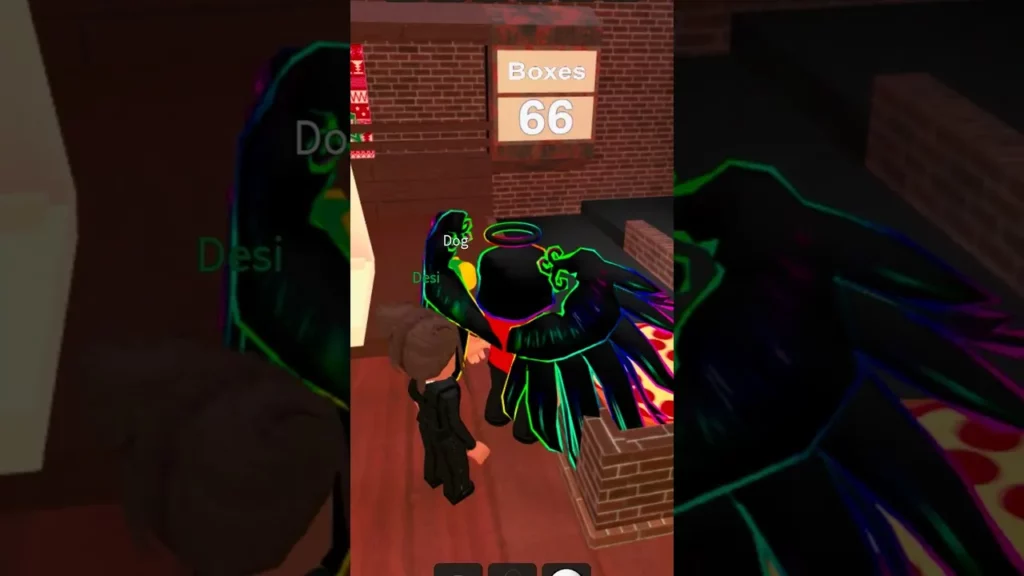
The lesson highlights how Roblox is at the forefront of the metaverse, a vast virtual world where users can create and engage in diverse experiences beyond just gaming. It emphasizes the platform’s potential for creativity and learning, as users can design games, role-play various scenarios, and develop problem-solving skills while sharing their creations globally. Ultimately, Roblox serves as a gateway for players to explore their imaginations and possibly create the next popular game.
How The Red Lionfish Has Been Altering Marine Ecosystems | Lionfish
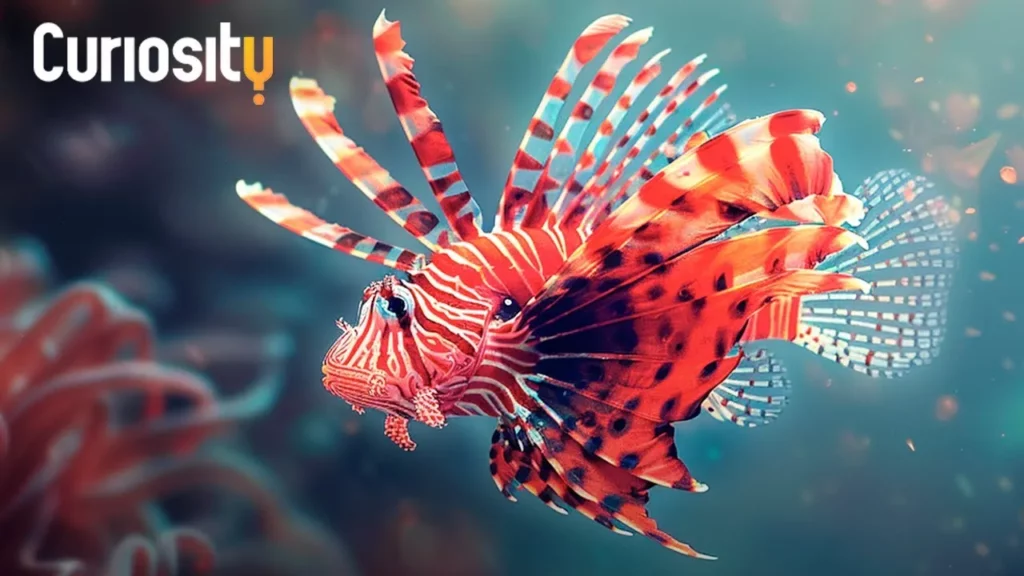
The lesson discusses the invasive red lionfish, originally from the Indo-Pacific, which has disrupted marine ecosystems in the Atlantic by preying on native fish and contributing to the decline of coral reefs. Efforts to control their population include research, removal initiatives, training natural predators like sharks, and promoting lionfish as a culinary option. While the invasion poses significant challenges, innovative solutions and community involvement offer hope for restoring balance in affected marine environments.
Robots Might Be Dumber Than We Think #AI #Robots
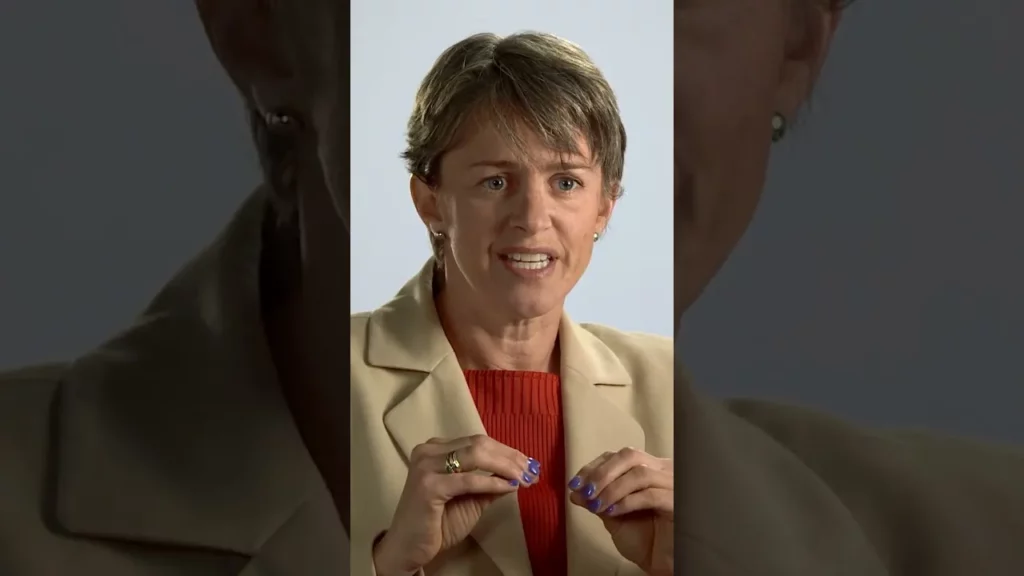
The lesson emphasizes that while robots and artificial intelligence (AI) are often perceived as highly intelligent machines, their capabilities are limited and task-specific. Unlike the human brain, which can perform numerous complex tasks simultaneously, robots currently lack the versatility and processing power to match human abilities. Understanding these limitations is crucial as technology evolves, allowing us to make informed decisions about the use of robots and AI in the future.
Protecting The Endangered Crocodiles Of Cuba | Bright Now
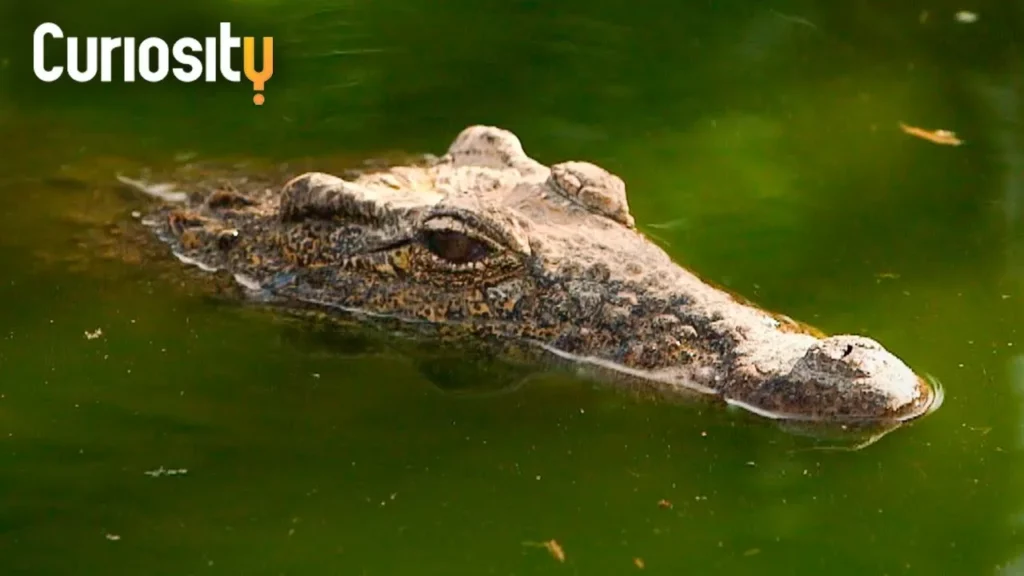
The lesson on “Protecting The Endangered Crocodiles Of Cuba” highlights the critical conservation efforts for the Cuban crocodile, primarily located in the Zapata Swamp, which has faced significant population decline due to illegal hunting and hybridization with American crocodiles. Despite being a symbol of national pride and ongoing conservation initiatives, the future of the Cuban crocodile remains uncertain as researchers work to distinguish between the two species and combat the threats posed by hybridization and habitat loss. The lesson underscores the importance of preserving the unique genetic identity of the Cuban crocodile while fostering awareness and action among the younger generation.
The LIGO Is Trying To Prove Einstein’s Theory #Gravity #Einstein
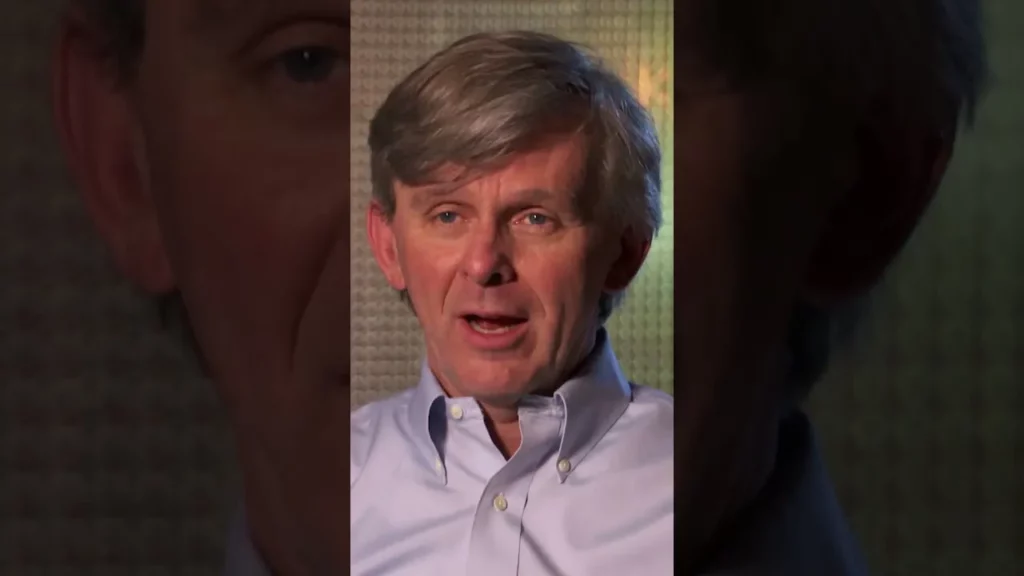
The lesson discusses the groundbreaking work of the Laser Interferometer Gravitational-Wave Observatory (LIGO) in detecting gravitational waves, a concept introduced by Albert Einstein over a century ago. By using advanced laser technology to measure minute changes in distance caused by these waves, LIGO has confirmed Einstein’s predictions and opened new avenues for understanding cosmic events and the fundamental forces of the universe. This achievement highlights the innovative spirit of scientific inquiry and its capacity to enhance our comprehension of the cosmos.
How Dolly The Sheep Led To More Genetic Advancements | Breakthrough
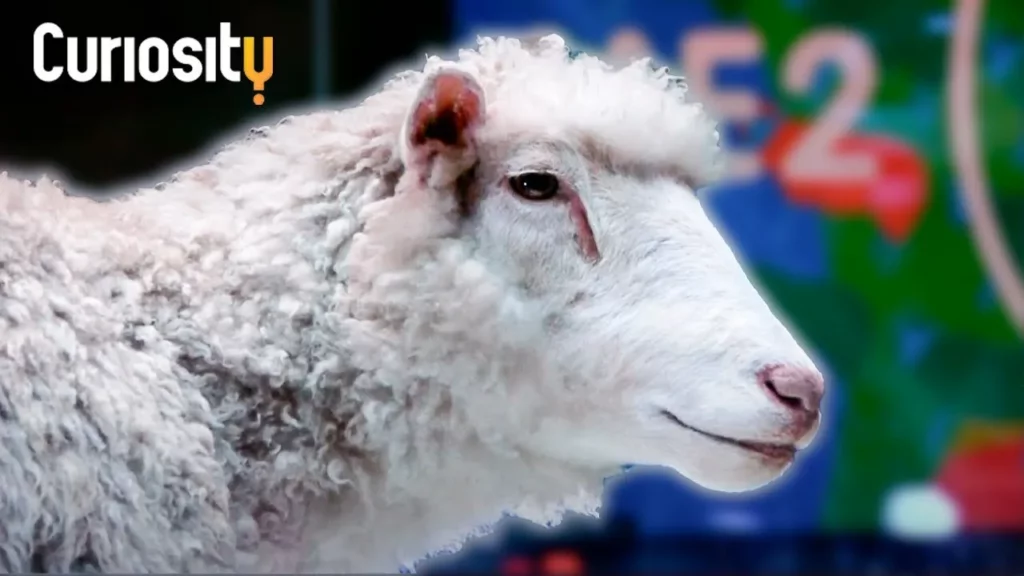
The lesson discusses the significant impact of Dolly the sheep’s cloning on the field of genetic engineering, highlighting the advancements that have emerged since her birth. It introduces CRISPR technology, a revolutionary tool that allows precise editing of DNA, offering potential cures for diseases and applications in agriculture and ecology. However, the lesson also emphasizes the ethical dilemmas and challenges associated with gene editing, urging careful consideration of its implications for humanity and the future of genetic manipulation.