
How Sharks Are Trained To Reduce Lionfish Population #Lionfish #MarineAnimals

The lesson discusses an innovative approach to controlling the invasive lionfish population in the Caribbean by training reef sharks to recognize them as a food source. While the training has shown success, the limited number of sharks means they cannot fully manage the lionfish problem alone; thus, the Bahamian government is also promoting lionfish as a culinary option for locals. This dual strategy highlights the importance of collaboration between humans and nature in addressing environmental challenges and preserving marine ecosystems.
Why Beluga Whales May Be In Danger | Animal Tales
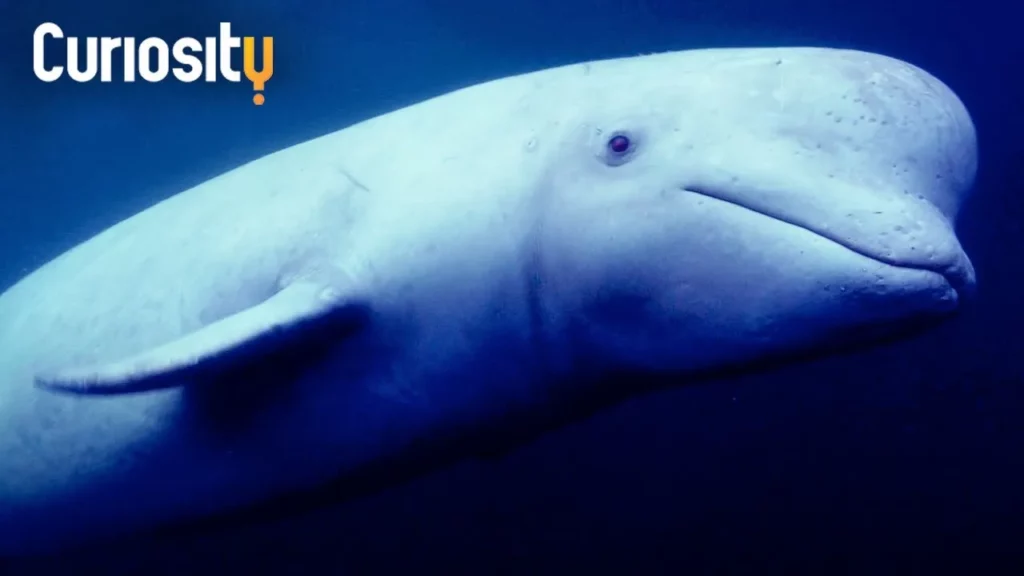
The lesson discusses the declining population of beluga whales, particularly in the St. Lawrence River, where numbers have dropped from about 10,000 in the early 1900s to fewer than 900 today. Researchers are investigating various factors contributing to this decline, including pollution, reproductive issues, and food scarcity due to overfishing and climate change. Efforts are underway to address these challenges and promote the recovery of the beluga population, highlighting their role as indicators of environmental health.
How Hyperloop Plans To Revolutionize Transportation | Engineering The Future
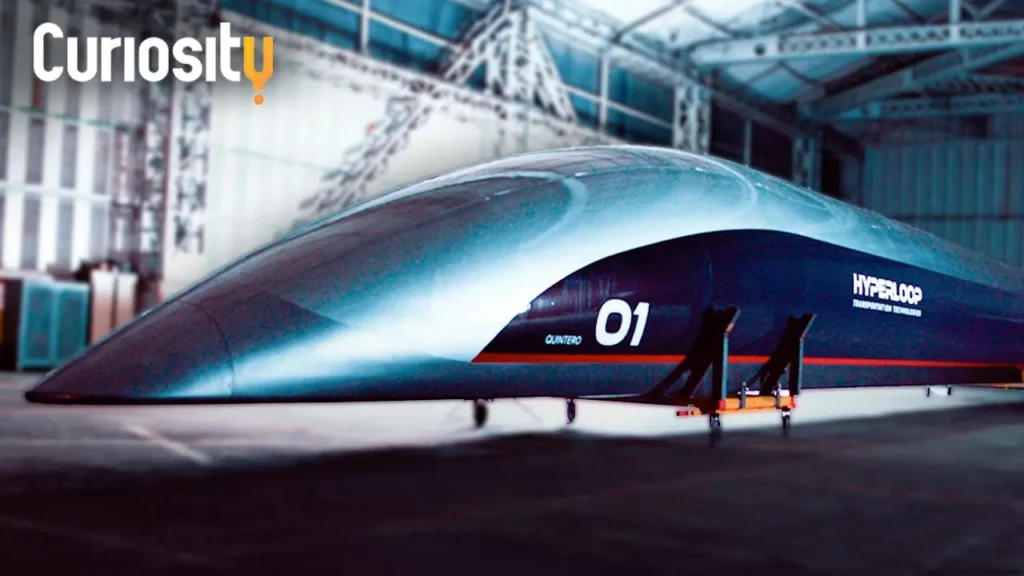
The lesson explores the revolutionary potential of the Hyperloop transportation system, which aims to provide fast, efficient, and environmentally friendly travel by significantly reducing carbon emissions associated with traditional transport methods. It highlights the engineering challenges faced in developing this technology, including overcoming friction and air resistance, and showcases the innovative solutions being implemented, such as a passive magnetic levitation system and vacuum tubes. The lesson also emphasizes the promising economic and environmental impacts of Hyperloop, as well as the collaborative efforts of engineers and students to bring this futuristic vision closer to reality.
When American and Cuban Crocodiles Meet #Crocodiles #BayOfCrocs
The lesson explores the habitats and interactions of American and Cuban crocodiles, highlighting their distinct environments—American crocodiles thrive in salty coastal areas while Cuban crocodiles prefer freshwater. As these two species increasingly meet in mixed waters, particularly in haloclines where freshwater and seawater converge, they sometimes mate, resulting in hybrid crocodiles that exhibit traits from both species. This phenomenon illustrates the complexities of species interaction and the biodiversity present in their ecosystems.
Can Zero-Emission Cars Be The Future Of Transportation? | Engineering The Future
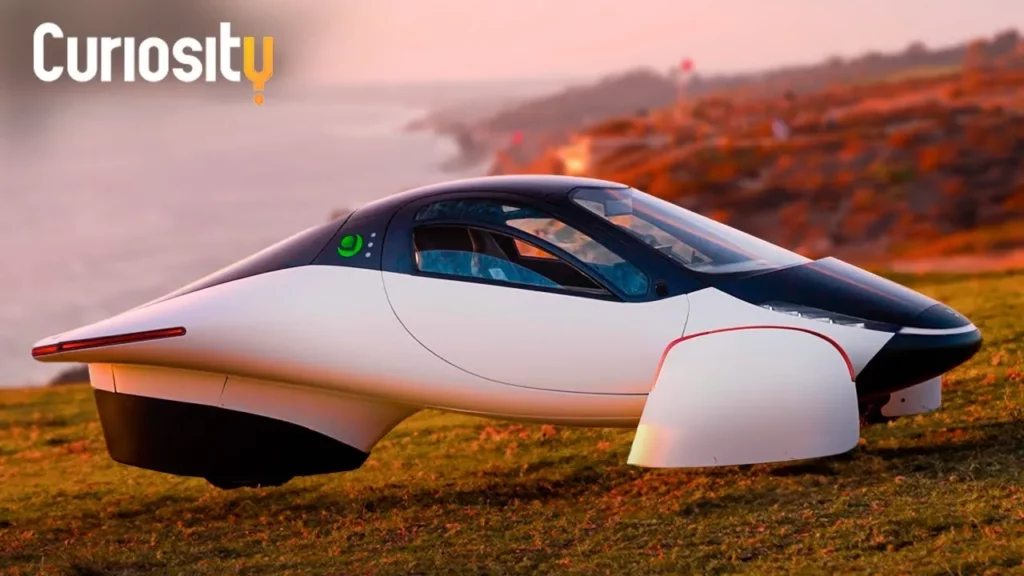
The lesson explores the potential of zero-emission vehicles as a sustainable solution for urban transportation, highlighting Arrival’s innovative approach to manufacturing through microfactories. By leveraging advanced materials, agile research and development, and a decentralized production model, Arrival aims to compete with established automotive giants while promoting local economies and reducing emissions. The company’s focus on rapid innovation and adaptability positions it as a key player in the future of environmentally friendly transportation.
Elon Musk Talks About The Hyperloop Train #ElonMusk #Hyperloop
The Hyperloop is a revolutionary transportation concept proposed by Elon Musk that envisions a super-fast train traveling through low-pressure tubes, potentially allowing for journeys like Los Angeles to San Francisco in under 30 minutes. Introduced in Musk’s 2013 document “Hyperloop Alpha,” the idea has inspired engineers globally to innovate and develop their own versions, highlighting the importance of collaboration in advancing technology. This futuristic mode of travel promises to enhance efficiency, reduce pollution, and transform long-distance transportation.
The Environmental Effects of Climate Change On Our Planet | Breakthrough
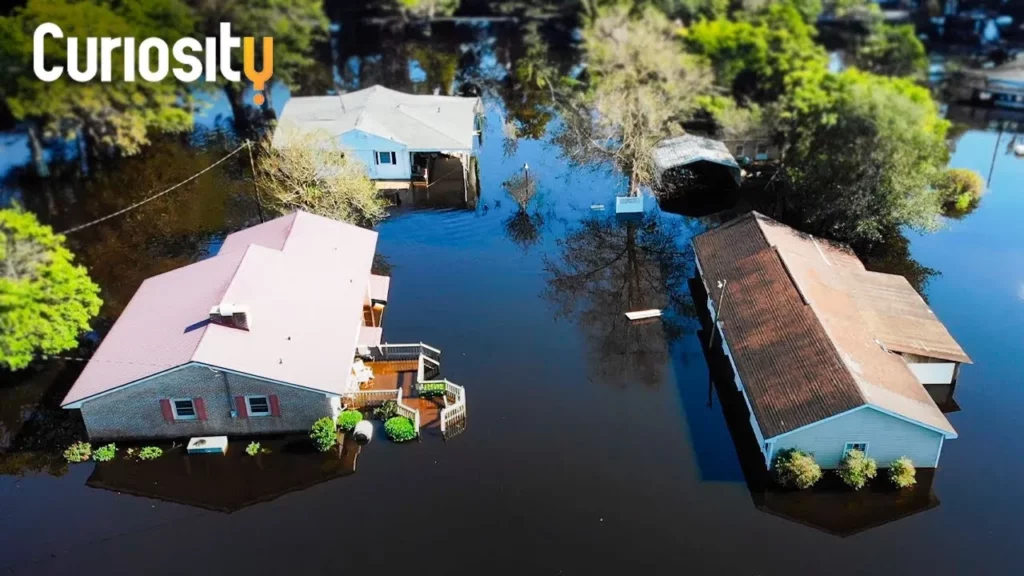
The lesson discusses the environmental effects of climate change, highlighting how unusual weather patterns, such as extreme flooding and heat waves, are becoming more frequent due to a warming planet. It explains the science behind climate change, including the greenhouse effect caused by greenhouse gas emissions, and emphasizes the significant impacts on ecosystems, food production, and human life. The lesson underscores the urgent need for awareness and action to mitigate these changes and their consequences.
Can Our Genes Hold The Secret For A Longer Life? | A Curious World

The lesson explores the potential of our genes to unlock secrets for extending human lifespan, emphasizing the dual role of genes in both disease and longevity. Researchers are investigating ways to combat aging at the molecular level, particularly through the preservation of telomeres and the use of stem cells to regenerate tissues and organs. By adopting healthy lifestyles and leveraging advancements in genetic research, there is hope for significantly improving health and longevity in the future.
What Is A Blackhole Really Made Out Of? | A Curious World
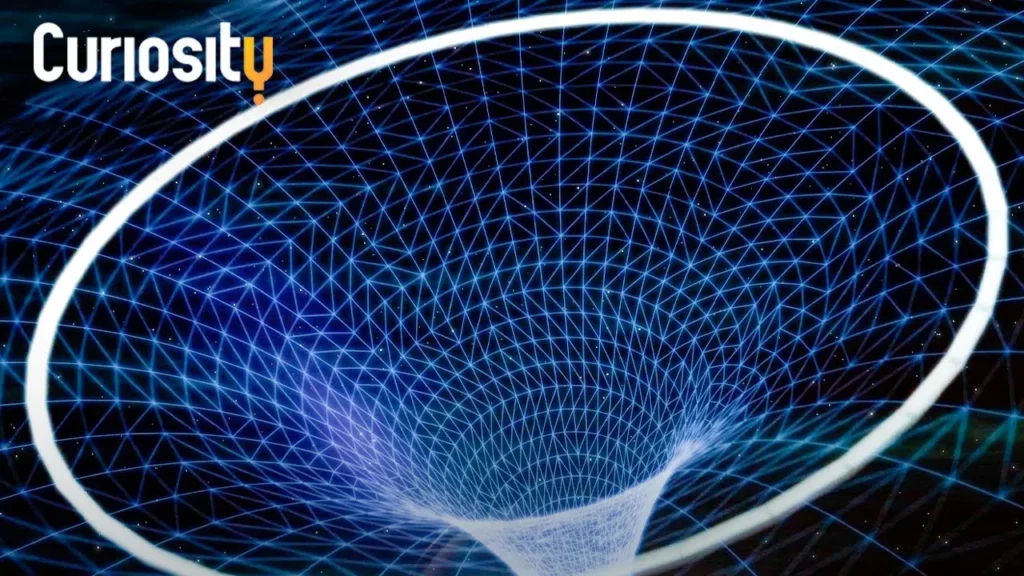
The lesson explores the nature and formation of black holes, beginning with the life cycle of stars and their eventual collapse into black holes after exhausting their nuclear fuel. It discusses how black holes are detected through their gravitational influence on nearby objects and the emission of radio waves from accreting matter, as well as the evolution of black holes from smaller ones formed by dying stars to supermassive black holes at the centers of galaxies. The lesson also highlights ongoing research and theories, including Stephen Hawking’s concept of “gray holes,” which challenge traditional views of black holes and our understanding of the universe.
The Challenges The Hyperloop System Needs To Overcome | Engineering The Future
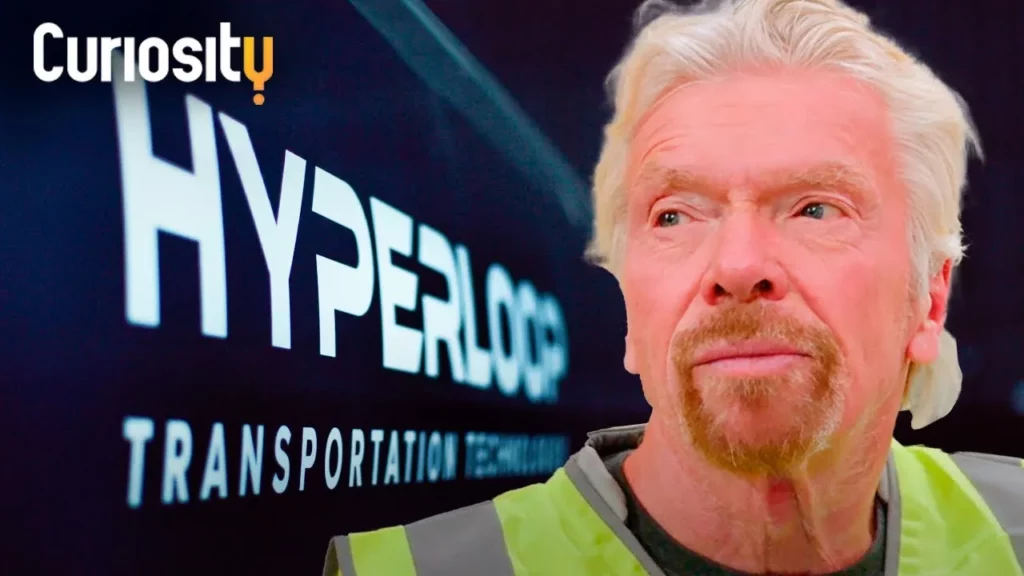
The lesson discusses the ambitious efforts of a company in the U.S. to develop a hyperloop system capable of high-speed travel while ensuring passenger safety. It highlights the challenges faced during the construction of a full-scale test track, including environmental factors and the need for innovative engineering solutions, as well as the successful testing of the technology that achieved speeds surpassing conventional high-speed rail. Despite these advancements, the team recognizes the need for further development to create a cost-effective and sustainable hyperloop infrastructure for long distances.