
Are We Truly Alone In The Universe? | A Curious World
The lesson explores the ongoing quest to determine whether life exists beyond Earth, highlighting advancements in technology and astronomy that have enhanced our understanding of the universe. Scientists are actively searching for habitable planets, particularly focusing on Mars and Europa, while utilizing powerful telescopes like Kepler and the upcoming James Webb Telescope to detect potential signs of life. With the vast number of planets in the cosmos, the possibility of discovering intelligent civilizations is becoming increasingly plausible, fueling excitement in the scientific community.
The Impact Of Super Volcanoes | A Curious World
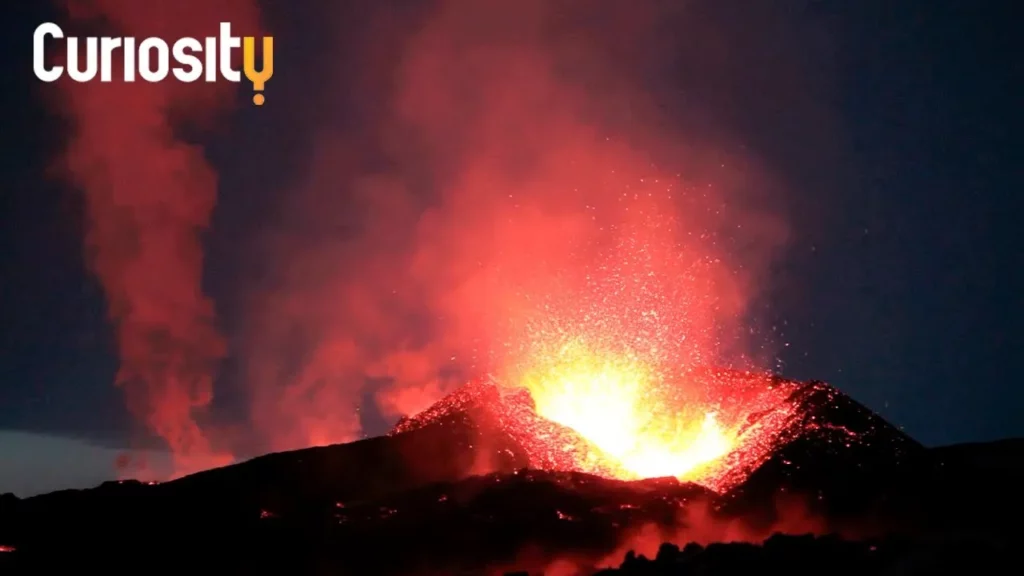
The lesson explores the immense power and potential impact of supervolcanoes, which can release vast amounts of ash and lava, far exceeding that of regular volcanoes. It highlights the unique characteristics of supervolcanoes, such as their large magma chambers and the significant environmental consequences of their eruptions, including the possibility of triggering an ice age. While scientists are actively researching ways to predict eruptions, there are currently no imminent threats from supervolcanoes, allowing for safe exploration of areas like Yellowstone National Park.
Is It Possible To Reverse Alzheimer’s? | Breakthrough
The lesson discusses the ongoing search for effective treatments and potential cures for Alzheimer’s disease, highlighting the significant emotional and cognitive challenges it poses as it progresses. Researchers, particularly Professor Christian Holscher, are exploring the use of diabetes medications to enhance brain cell repair and slow the disease’s advancement, with promising results observed in animal models. While the journey from animal trials to human applications remains complex, there is hope that innovative approaches may lead to breakthroughs in halting or reversing the effects of Alzheimer’s.
The Challenges Of Outer Space On The Human Body | A Curious World
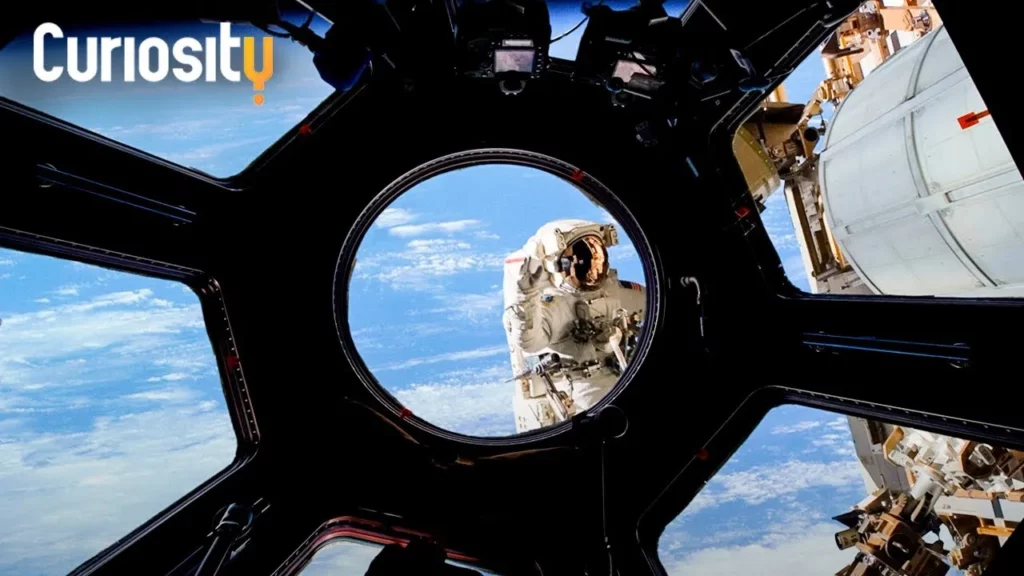
The lesson discusses the various challenges that the human body faces in outer space, particularly the absence of gravity, which can lead to physical weakness, balance issues, and changes in bodily fluids. It also highlights the psychological effects of space travel, such as disrupted sleep and stress from confinement, as well as the risks posed by radiation. To enable long-term living in space, potential solutions like artificial gravity and specialized suits are being explored, emphasizing the need for further research and technological advancements.
Can Planes Be Used To Launch Satellites? | Engineering The Future
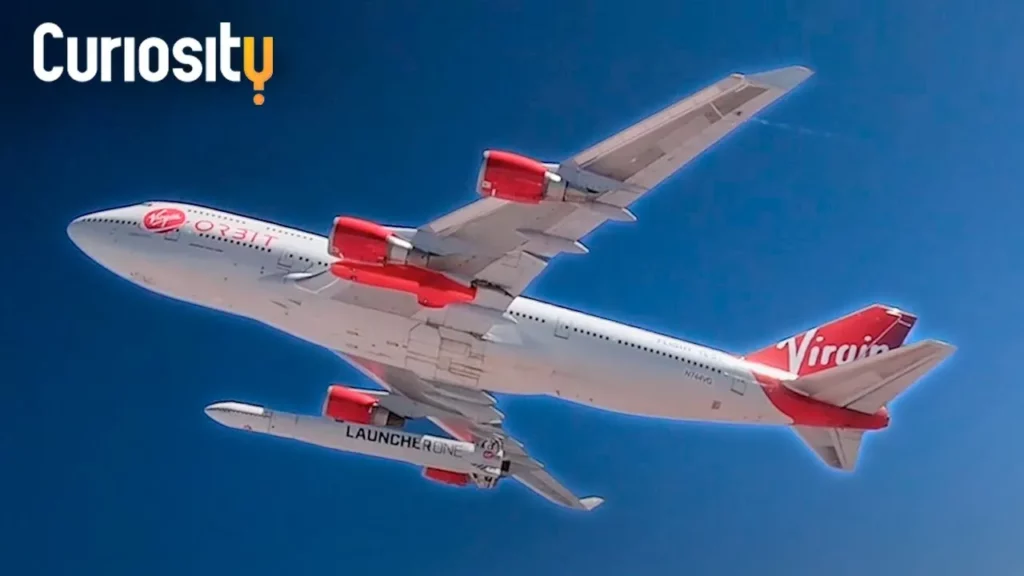
The lesson explores the innovative use of planes, specifically the Boeing 747, to launch satellites, highlighting the advancements in nanosatellite constellations and the evolution of space launch technology. It discusses the categorization of satellite orbits, the competitive landscape of launch providers, and the unique approach of Virgin Orbit, which utilizes a horizontal launch method from an aircraft to enhance efficiency and reduce costs. Overall, the lesson emphasizes the collaborative potential in the space industry to further democratize access to space technology.
What Is The Function Of Dreams? | Breakthrough
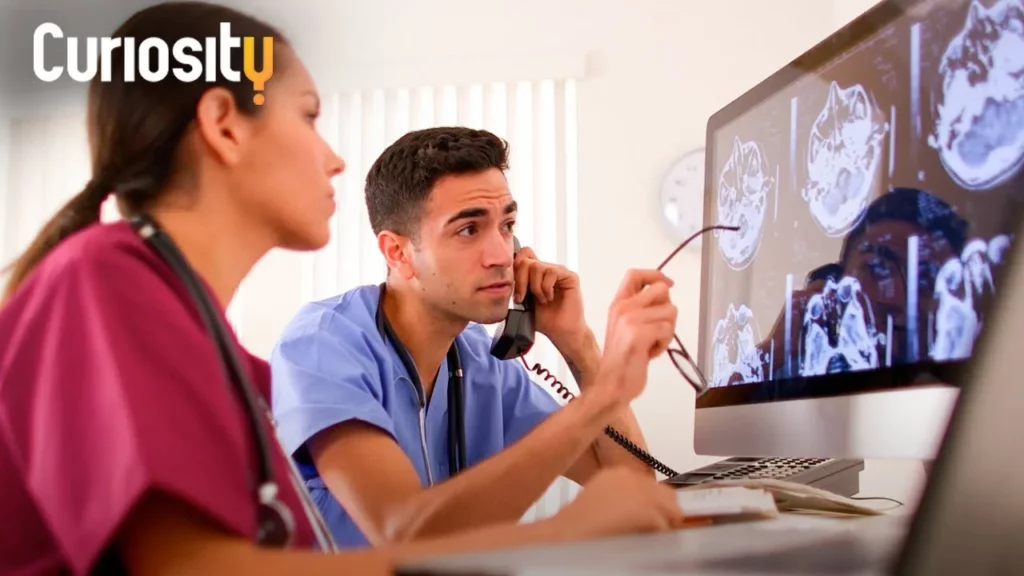
The lesson explores the intriguing nature of dreams, examining their potential functions and the science behind them. It highlights the different brain activity during sleep cycles, particularly during REM sleep, where vivid dreams occur, and discusses various theories on why we dream, such as the activation-synthesis hypothesis and the threat simulation theory. Ultimately, the lesson emphasizes the importance of REM sleep for memory formation and overall well-being.
How Did The First Life On Earth Begin? | A Curious World
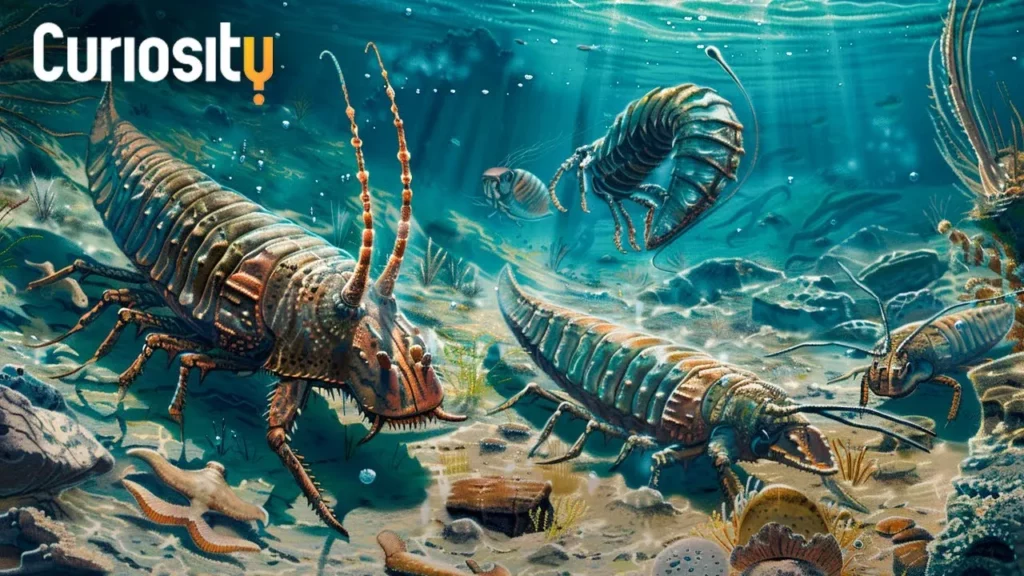
The lesson explores the origins of life on Earth, highlighting that while evidence is scarce, life has existed for approximately 3.6 billion years, with all living organisms linked through DNA to a common ancestor. Key clues, such as ancient stromatolites in Western Australia, suggest that complex cyanobacteria played a significant role in transforming Earth’s atmosphere by producing oxygen, which led to the extinction of many anaerobic bacteria. Various theories, including the role of lightning and ancient seafloor hot springs, propose mechanisms for the emergence of life, while ongoing research continues to investigate the potential spontaneous formation of DNA’s building blocks.
How Is Roblox Shaping The Future Of The Metaverse? | Engineering The Future
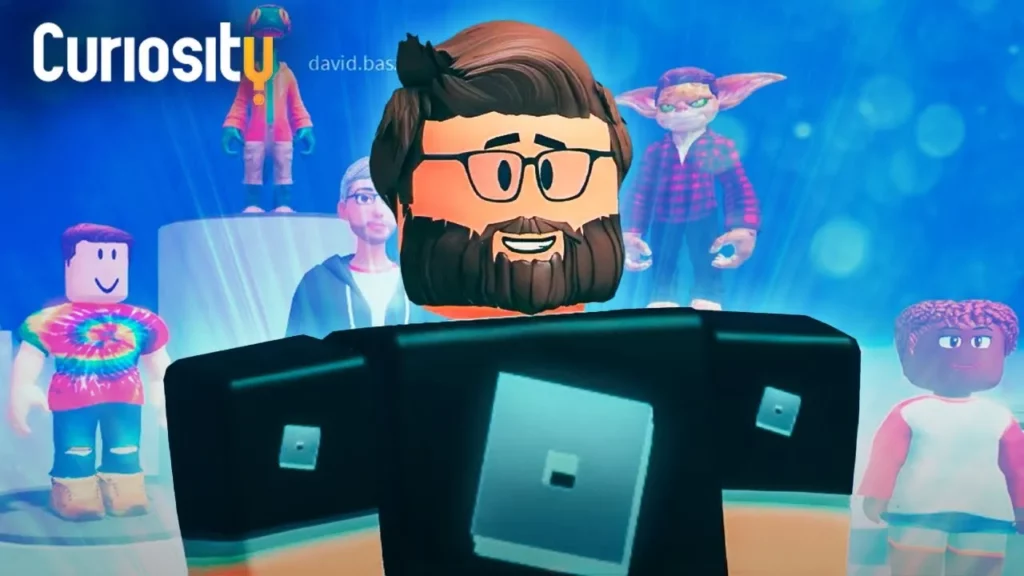
The lesson discusses how Roblox is significantly influencing the development of the metaverse by providing a platform for user-generated content, where players can create and explore diverse virtual worlds. Co-founder David Baszucki emphasizes the vision of a collaborative 3D space that fosters learning, play, and social interaction globally. The lesson highlights the journey of users like Max and Simon, who transitioned from players to creators, showcasing the potential for immersive experiences that mimic real-life scenarios while also addressing the challenges of achieving realistic virtual environments.
Earth’s Ever-Changing Geology And Landscape | A Curious World
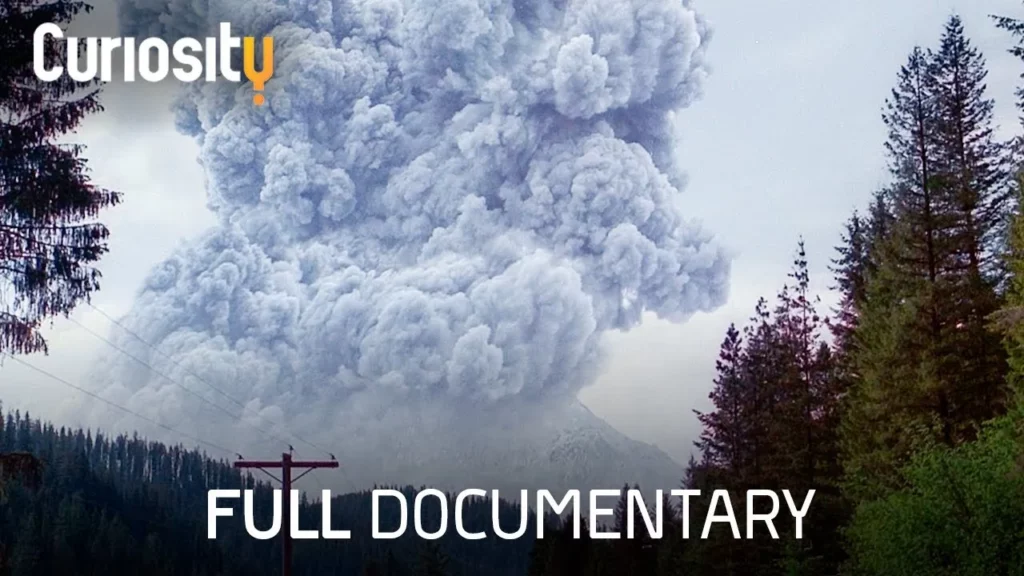
The lesson on “Earth’s Ever-Changing Geology and Landscape” explores the dynamic nature of our planet’s surface, emphasizing the theory of plate tectonics, which explains how the Earth’s lithosphere is divided into tectonic plates that move and interact at their boundaries. It details the three main types of plate boundaries—divergent, transform, and convergent—and their associated geological features, such as mountain ranges and earthquakes. Additionally, the lesson highlights the discovery of seafloor spreading and the mechanisms driving plate movement, illustrating how these processes have shaped Earth’s landscapes over millions of years.
How Our Ancestors Took Over The World | A Curious World
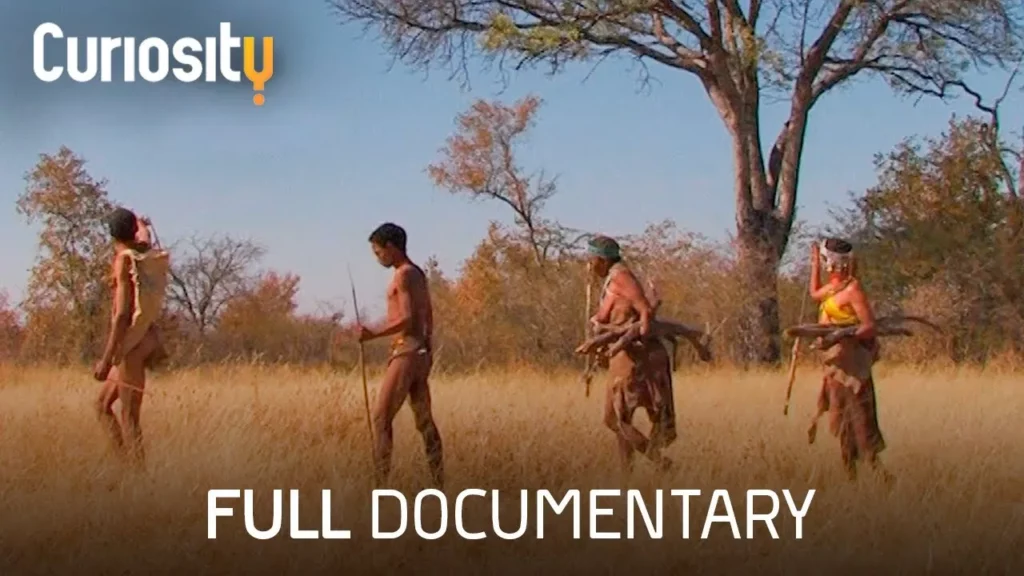
The lesson explores the migration of modern humans out of Africa around 100,000 years ago and their interactions with other human-like species, such as Neanderthals and Denisovans. Through DNA analysis, scientists trace our ancestry back to the San Bushmen and reveal that modern humans share genetic markers with these ancient relatives, highlighting the complexity of our evolutionary history. The discovery of Denisovans adds another branch to our family tree, emphasizing the ongoing exploration of our genetic heritage and the potential for uncovering more ancestral connections in the future.