
How The Iconic NYC Bridges Influenced Bridge Design | NYC Revealed

The lesson explores the significance of New York City’s iconic bridges, such as the Brooklyn and George Washington Bridges, in shaping both the city’s infrastructure and its cultural identity. It highlights the engineering innovations that these structures introduced, their historical context, and the ongoing challenges of maintenance and modernization. Ultimately, the lesson underscores the bridges’ vital role in the city’s economy and their enduring status as cultural landmarks.
Could We Manipulate The Weather? | A Curious World
The lesson explores the intriguing concept of weather manipulation, highlighting historical attempts and recent advancements in techniques like cloud seeding, which involves introducing substances like silver iodide into clouds to induce precipitation. It discusses the challenges posed by climate change and natural disasters, such as hurricanes and tornadoes, and examines innovative ideas for mitigating their impacts, including using mirrors in space and constructing massive barriers. While opinions differ on the feasibility of fully controlling the weather, the ongoing debate underscores the importance of finding solutions to manage extreme weather events.
Can Scientists Predict Earthquakes? | Breakthrough
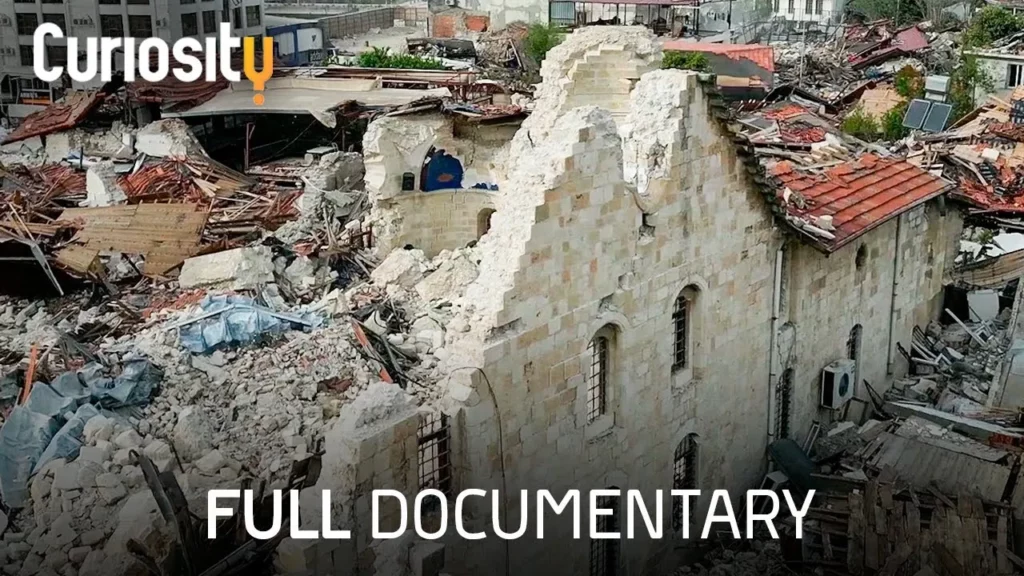
The lesson explores the challenges of predicting earthquakes, highlighted by the devastating 7.8 magnitude earthquake that struck Turkey and Syria in February 2023. While scientists are making strides in understanding the mechanics of earthquakes and improving preparedness through research and early warning systems, accurately predicting the timing and location of these events remains elusive. Emphasizing the importance of preparedness and effective building practices, the lesson underscores the potential to save lives despite the unpredictability of earthquakes.
Trying To Make Satellites More Cost Efficient | Engineering The Future
The lesson discusses the advancements in nano satellites and their potential to enhance wildfire monitoring and response efforts, particularly through the efforts of companies like Auror Tech. By deploying a constellation of these smaller, cost-effective satellites equipped with advanced sensors, the initiative aims to significantly reduce wildfire detection times and improve real-time monitoring. Additionally, the lesson highlights the broader shift in the space industry towards commercial applications, driven by innovations like the CubeSat and experimental projects such as the Visa WoodSat, which explore new materials and technologies for satellite construction.
How Has Coffee Shaped Our Lives? | Breakthrough
The lesson explores the significant role coffee plays in American culture and its vast industry, highlighting the $48 billion market and the daily consumption of 400 million cups. It delves into the journey of coffee from production to consumption, emphasizing the importance of flavor influenced by various factors such as processing methods and roasting techniques, as well as the relationships built with small-scale farmers. Ultimately, it encourages appreciation for the intricate craftsmanship involved in each cup of coffee, from its unique flavors to the art of roasting.
How Drones Are Transforming Space Exploration | Breakthrough
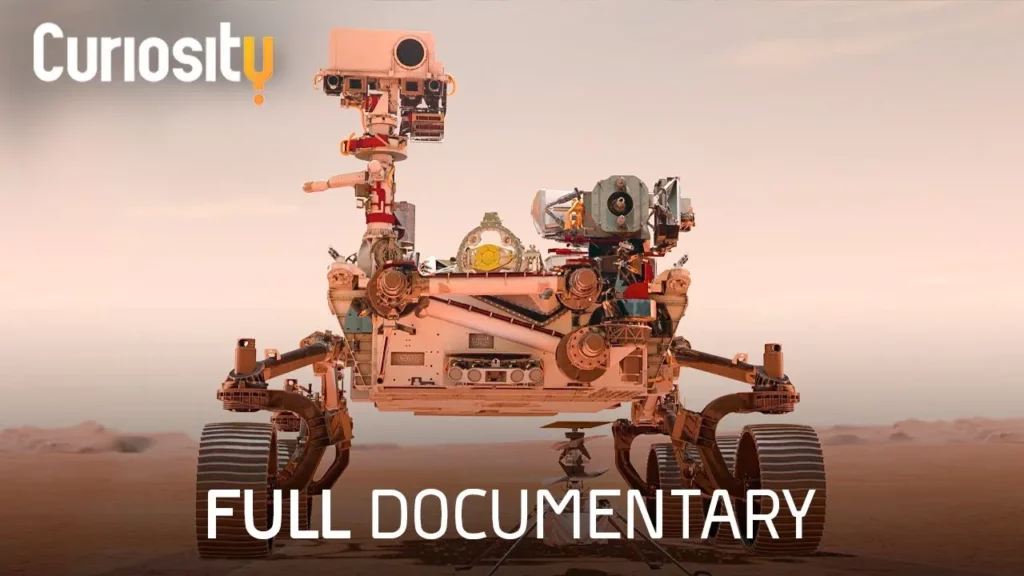
The lesson highlights the transformative role of drones in space exploration, focusing on the historic flight of the Mars Ingenuity helicopter, which became the first powered aircraft to fly on another planet. It also discusses the upcoming Dragonfly mission to Titan, Saturn’s moon, which aims to explore its unique environment and potential connections to Earth’s history. Together, these missions represent a significant advancement in our ability to explore and understand other worlds in our solar system.
Are There Signs of Life On Other Planets? | Breakthrough
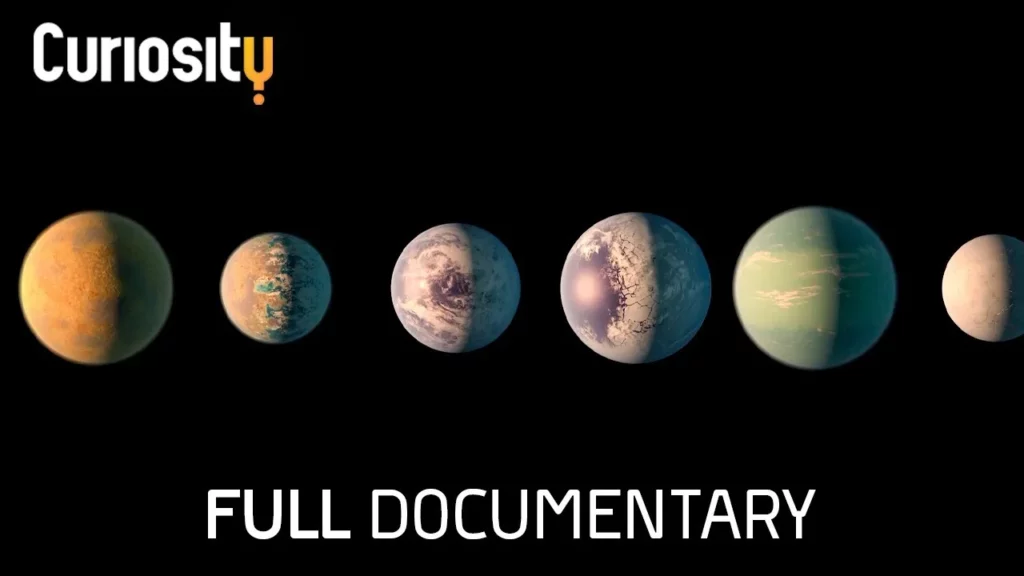
The lesson discusses the groundbreaking discovery of seven Earth-sized exoplanets orbiting the star TRAPPIST-1, three of which lie in the habitable zone where conditions may support liquid water. With advancements in technology, particularly through the Spitzer Space Telescope, scientists are now able to explore these distant worlds, raising the possibility of finding life beyond Earth. The lesson emphasizes the significance of this discovery in the broader context of exoplanet exploration and the ongoing quest to understand our place in the universe.
The Dangers To Coastal Cities Like Miami | Breakthrough
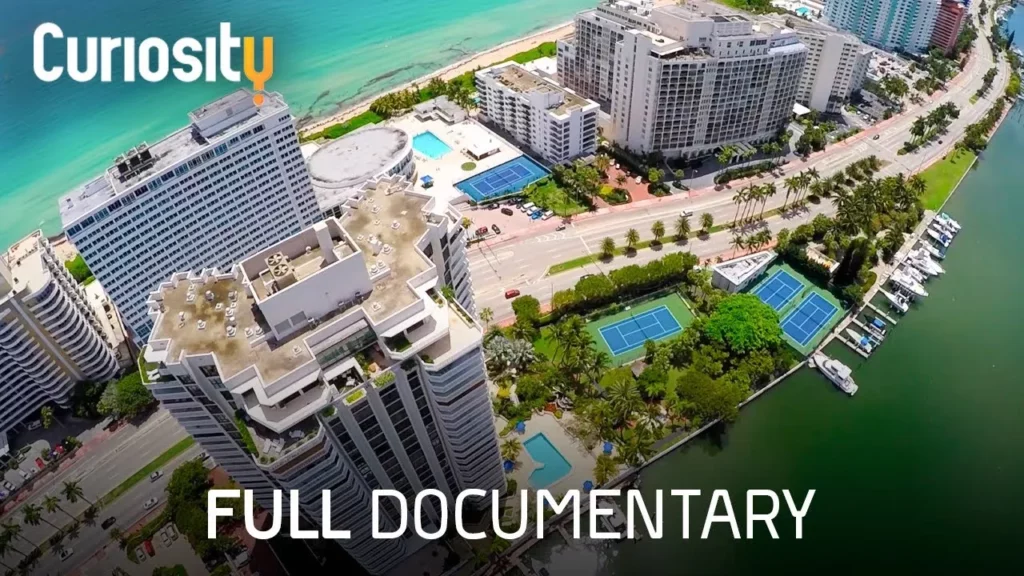
The lesson highlights the significant risks posed by rising sea levels to coastal cities like Miami and Miami Beach, where climate change is causing water levels to rise at an alarming rate. With projections indicating potential flooding of key areas and increasing frequency of high-tide flooding, the city is investing heavily in infrastructure improvements, such as raising seawalls and building water pumps, to adapt to these changes. Despite the challenges, there is a commitment to utilizing innovative strategies to ensure the long-term viability of these coastal communities.
Invisible Science That Helps Improve Daily Life | Oddly Satisfying Science
In this lesson, we explore the fascinating world of invisible scientific phenomena that impact our daily lives, such as resonance, magnetism, and the power of wind. Through engaging experiments like the spouting bowl, creating a simple compass, and demonstrating quantum locking, we uncover how these unseen forces operate and their potential effects, including the historical example of the Tacoma Narrows Bridge collapse due to resonance. Join us as we make the invisible visible and discover the science that surrounds us!
Can We Save Venice From Flooding? | Bright Now
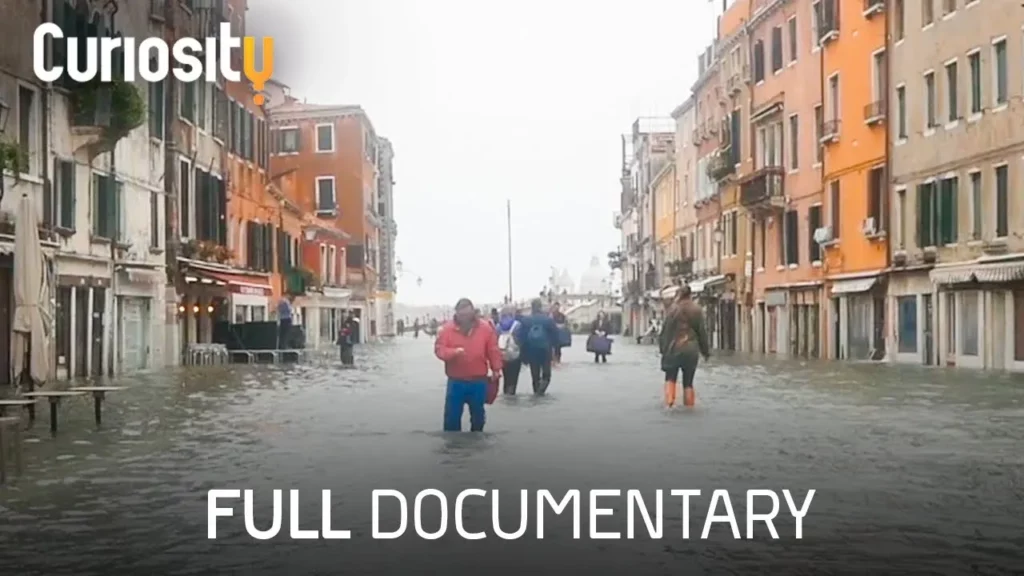
The lesson discusses the severe flooding challenges faced by Venice, particularly highlighted by the unprecedented high tides on October 28, 2018, which submerged 75% of the city. In response, the MOSE project was initiated, involving the construction of 78 massive flap gates designed to block incoming tides and protect the city. This ambitious engineering endeavor represents a significant effort to safeguard Venice’s historic landscape from the ongoing threat of rising sea levels.