
The Challenges Of Powering The City That Never Sleeps | NYC Revealed
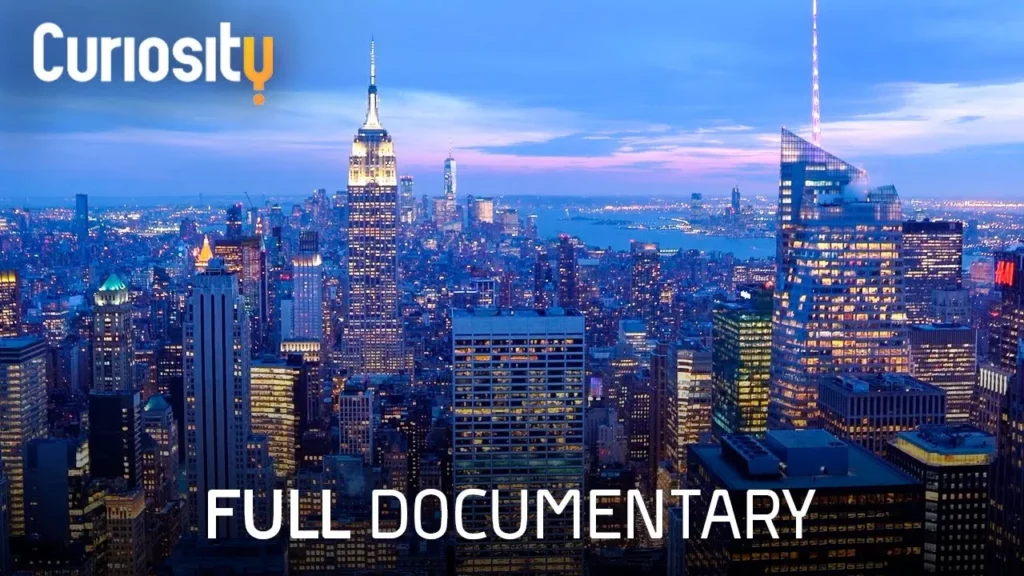
The lesson explores the complexities of powering New York City, highlighting its immense electricity consumption and the challenges of transitioning to renewable energy sources amid climate change. It discusses the historical evolution of the city’s power grid, the significance of major power sources like the Niagara Power Project and Ravenswood Generating Station, and outlines ambitious goals for increasing renewable energy usage. As NYC strives for a greener future, it faces challenges such as rising electricity demand from electrified transportation and the need for innovative energy generation and storage solutions.
A Peek Into Pole Vaulting With Sandi Morris | The Science Of Movement

In this lesson, we explore the exhilarating sport of pole vaulting through the experiences of two-time Olympic athlete Sandi Morris. The lesson highlights the combination of speed, strength, and technique required to successfully clear the bar, emphasizing the importance of energy conversion and body mechanics during the run, takeoff, and flight phases. Sandi’s journey illustrates the dedication and resilience needed to pursue Olympic dreams, inspiring others to strive for greatness in their own endeavors.
How Gymnasts Train With Yul Moldauer | The Science Of Movement

The lesson explores the intricate world of gymnastics, highlighting the blend of physical strength and mental focus required to excel in the sport. It emphasizes the unique challenges presented by the six Olympic events and showcases the dedication of athletes like Ule Moldauer, who embody the pursuit of excellence through relentless training and perseverance. Ultimately, gymnastics is portrayed as a captivating discipline that inspires both athletes and spectators alike.
Breakdancing: The Newest Olympic Sport | The Science Of Movement

The lesson on breakdancing highlights its evolution as a form of artistic expression rooted in the Bronx, combining elements of acrobatics, athleticism, and dance. It emphasizes the physical demands of breakdancing, including strength, flexibility, and endurance, while also showcasing its four main components: top rock, footwork, power moves, and freezes. Ultimately, breakdancing is portrayed as a unique blend of competition and creativity, encouraging dancers to express their individuality and connect with their audience through movement.
Two Innovative Energy Storing Methods | Engineering The Future
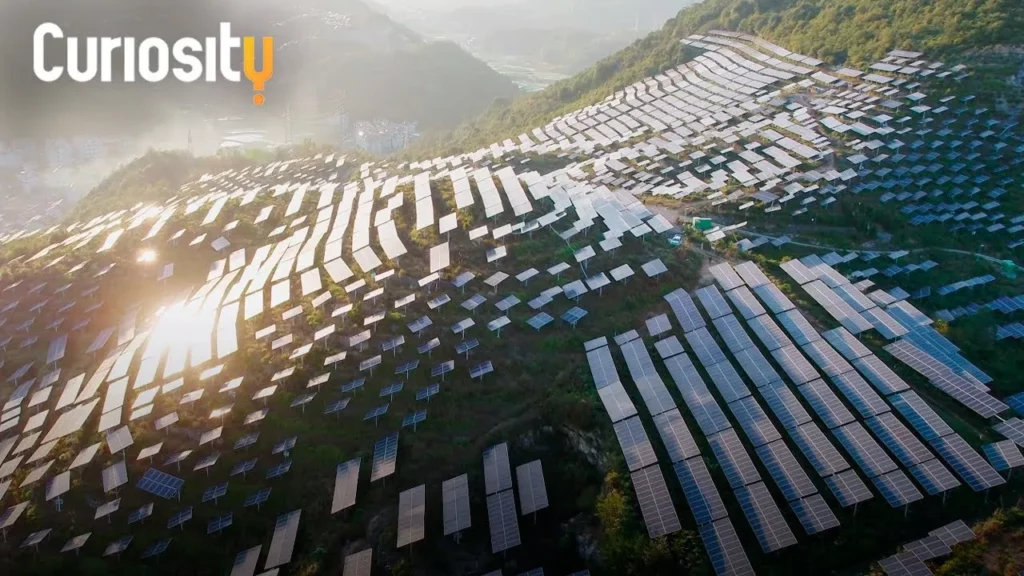
The lesson discusses two innovative energy storage methods developed by Peter Frankle’s Gravitricity and the Swiss startup Energy Vault, both leveraging gravity to enhance the stability of renewable energy sources. Gravitricity focuses on underground energy storage using heavy weights to quickly release power, achieving a rapid response time of under a second, while Energy Vault employs a crane system to lift and stack heavy bricks for energy storage and discharge. These advancements demonstrate the potential of mechanical engineering in addressing the challenges of integrating renewable energy into the electrical grid.
The Pivotal Role Of Fire In Our Society | Oddly Satisfying Science
In this lesson, Nick Uas explores the pivotal role of fire in society, highlighting its historical significance and practical applications through engaging experiments. Participants learn about the science behind fire, including how it can ignite materials like steel wool and its role in cooking and energy production, while also emphasizing safety and the importance of not attempting these experiments at home. Through various demonstrations, such as creating a tea bag rocket and examining the reaction between sodium and water, the lesson showcases the fascinating properties of fire and its impact on our daily lives.
The Spaceship That Got The Best Image Of Pluto | Breakthrough
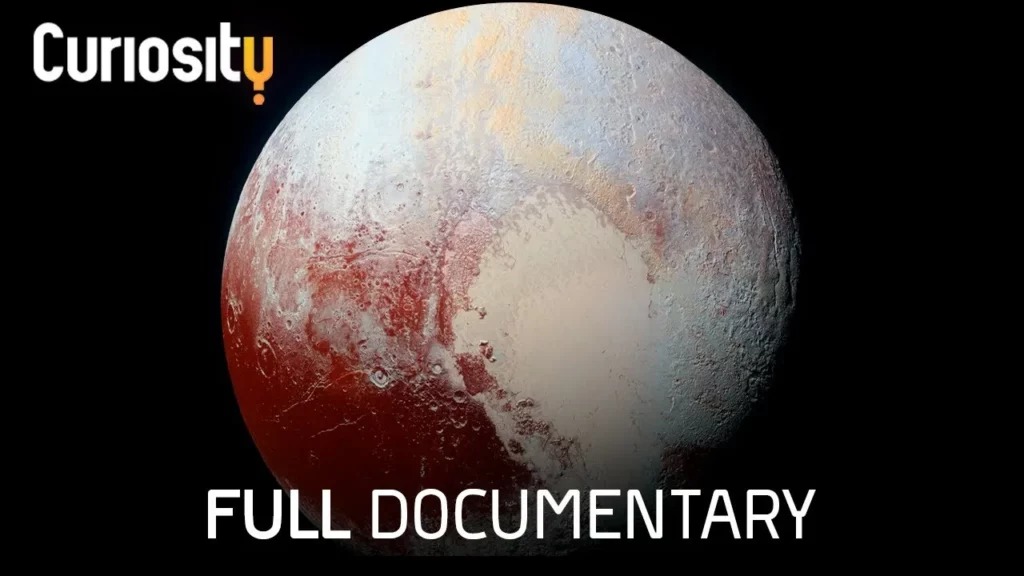
The lesson highlights the groundbreaking New Horizons mission, which in 2015 provided stunning images of Pluto, revealing its complex and dynamic landscape. Following its flyby of Pluto, the spacecraft continued to explore the Kuiper Belt, ultimately capturing detailed images of Ultima Thule in 2019, which offered valuable insights into the early solar system and the processes that shaped planetary formation. This exploration underscores the importance of studying ancient celestial bodies to enhance our understanding of not only our solar system but also planetary systems beyond our own.
How Can We Store Excess Renewable Energy? | Engineering The Future
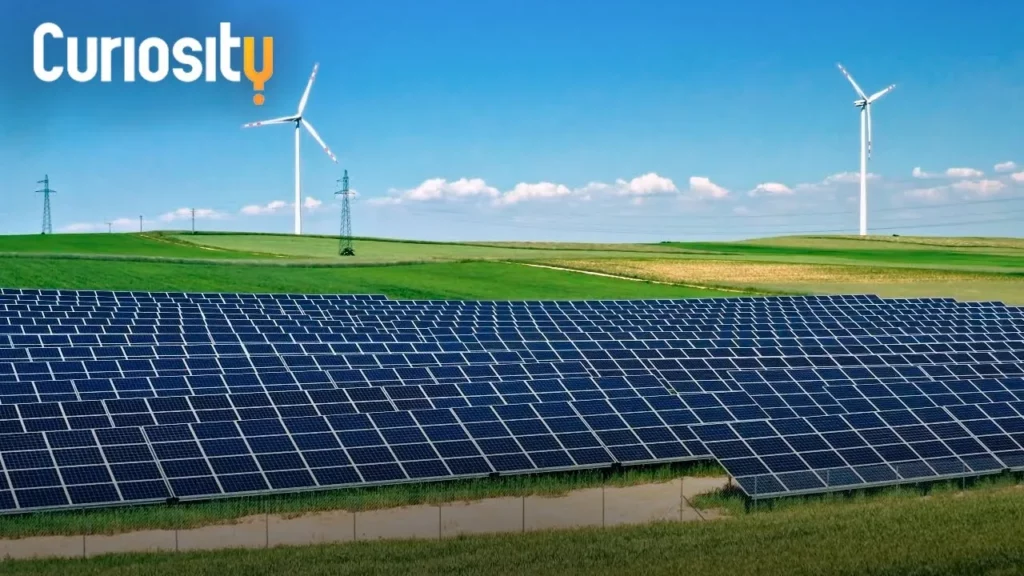
The lesson discusses the critical role of energy storage in the transition to renewable energy sources, highlighting the challenges posed by the intermittent nature of solar and wind power. It emphasizes the need for innovative storage solutions, such as mechanical batteries and pumped storage systems, to ensure a stable power supply and prevent outages, as demonstrated by California’s recent blackouts. The lesson also showcases global efforts, particularly Switzerland’s advancements in large-scale energy storage, as essential steps toward a sustainable energy future.
The Increasing Threats To Earth’s Water Supply | Breakthrough
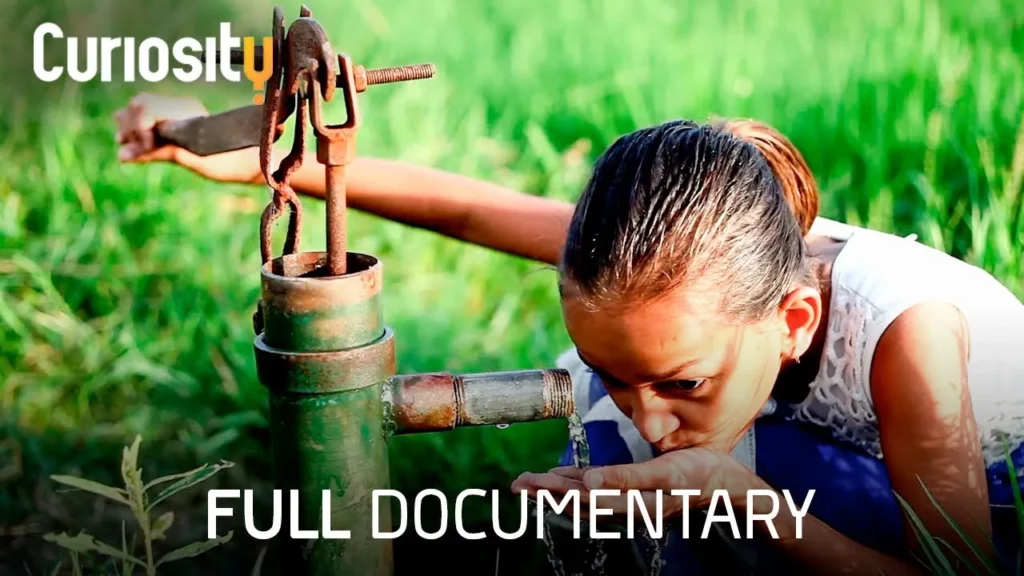
The lesson highlights the increasing threats to Earth’s water supply due to rapid population growth, climate change, and pollution, which are leading to severe water scarcity in many regions. Cities like Cape Town and São Paulo are at risk of running out of clean water, prompting a global search for new sources, such as the recent discovery of a large freshwater aquifer off the U.S. coast and advancements in desalination technology. As the demand for fresh water continues to outpace supply, finding sustainable solutions is essential for ensuring access to this vital resource for all.
Can We Revive An Extinct Species? | Breakthrough
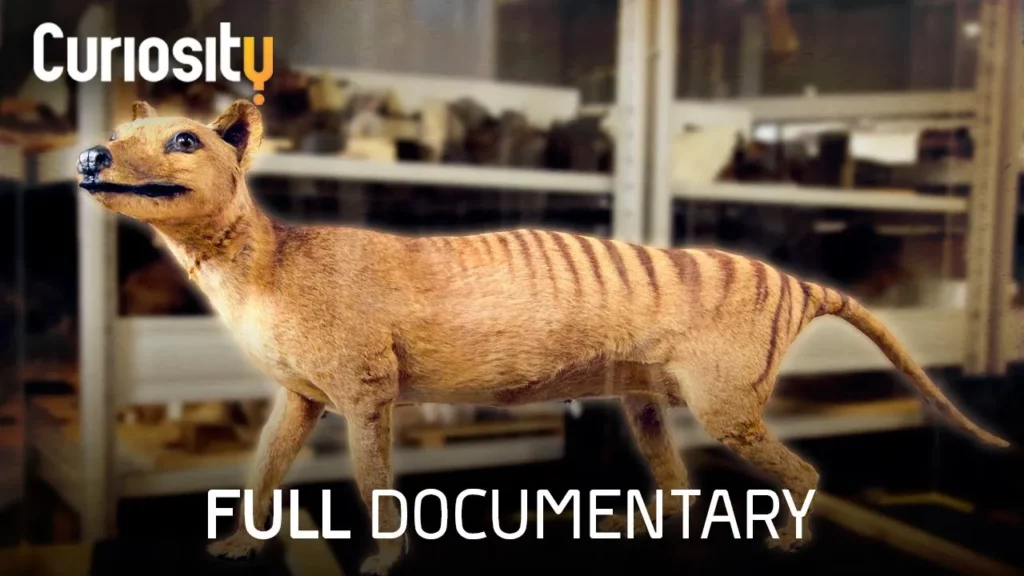
The lesson explores the efforts of Dr. Andrew Pask and his team to revive the extinct thylacine, or Tasmanian tiger, through advanced genetic techniques. By sequencing the thylacine genome and utilizing CRISPR technology, they aim to recreate the species by editing the DNA of a closely related animal, the numbat. This initiative not only seeks to restore a lost species but also highlights the importance of apex predators in maintaining ecological balance in Tasmania.