
Realistic Fiction Writing for Kids Episode 3: Writing an Introduction
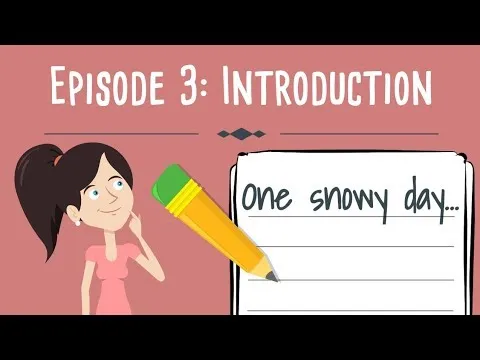
In this lesson on realistic fiction writing for kids, students learn how to craft an engaging introduction that draws readers into their stories. A good introduction should introduce the main character and the setting while utilizing creative techniques such as describing the environment, starting with a sound, or using dialogue. The lesson encourages young writers to experiment with these methods to create excitement and anticipation for their narratives.
Realistic Fiction Writing for Kids Episode 4: Writing a Draft
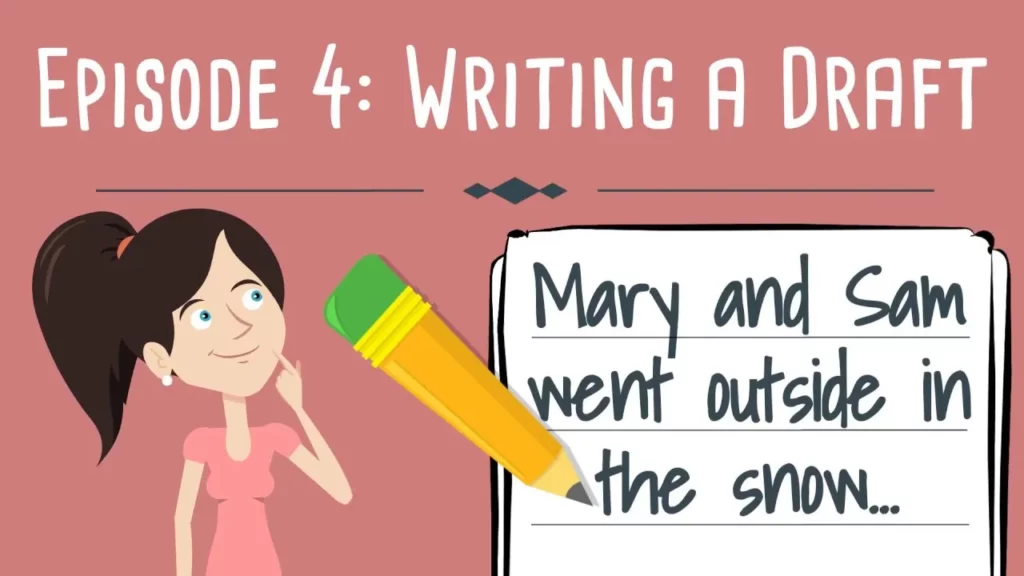
In this lesson, students learn how to develop a realistic fiction story by building tension through smaller events leading up to a significant problem. Using the example of Mary and her dog Sam, the lesson emphasizes the importance of adding descriptive details to create a vivid narrative, culminating in a moment where Mary loses control of Sam during a snowstorm. The episode sets the stage for the next installment, where students will explore how Mary resolves this dilemma.
Realistic Fiction Writing for Kids Episode 5: Writing a Closing
In this lesson on realistic fiction writing for kids, students learn how to craft an engaging ending for a story by resolving a conflict and incorporating character emotions and lessons learned. Using the example of Mary and her dog Sam, the lesson emphasizes the importance of detailing how problems are solved and encourages writers to express feelings and insights in their closing statements. The lesson concludes by motivating students to continue improving their stories through revision.
Realistic Fiction Writing for Kids Episode 6: Revising Your Story
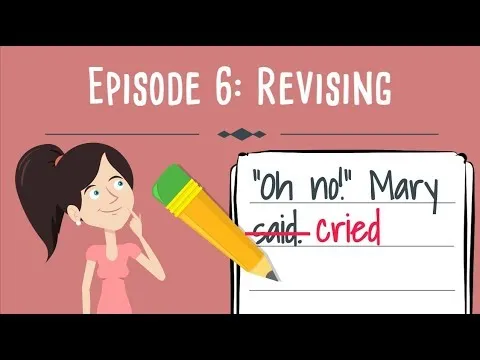
In this lesson on realistic fiction writing for kids, students learn the importance of revising their stories to enhance clarity and excitement. By examining examples, they discover how to add details, replace repetitive words, and choose more vivid language to create a more engaging narrative. The lesson emphasizes the value of rereading and refining their work to produce the best possible story.
How to Write an Imaginative Narrative for Kids Episode 1: What is it?
In this lesson, students learn about imaginative narratives, which are creative stories that stem from the writer’s imagination and often include fantastical elements. Through examples like “The Lonely Unicorn” and “Monster Monday,” students can distinguish between imaginative narratives and realistic stories, setting the stage for them to begin crafting their own unique tales in future episodes.
How to Write an Imaginative Narrative for Kids Episode 2: Brainstorming
In this lesson, kids learn how to brainstorm ideas for writing an imaginative narrative by using a graphic organizer, specifically a circle map, to capture their creative thoughts. The focus is on developing unique characters, such as magical creatures or superheroes, and diverse settings, ranging from fantastical locations to real-world places. By exploring the connections between characters and settings, students can generate a variety of options to choose from for their story.
How to Write an Imaginative Narrative for Kids Episode 3: Planning Your Story
In this lesson, students learn the importance of planning their imaginative narratives before writing. By using a story map, they can outline key elements such as the main character, setting, and significant events, which helps streamline the writing process. The lesson emphasizes brainstorming ideas, developing a character like Super Megan the superhero, and creating an engaging setting and plot, ultimately guiding students to prepare for writing their stories effectively.
How to Write an Imaginative Narrative for Kids Episode 4: Writing an Introduction
In this lesson, students learn how to craft an engaging introduction for their imaginative narratives, emphasizing its importance in capturing the reader’s interest. The introduction should include a captivating hook, a description of the main character, and the setting, while also hinting at the story’s tone. By using vivid language and exciting scenarios, writers can draw readers into their story and encourage them to continue reading.
How to Write an Imaginative Narrative for Kids Episode 5: Events
In this lesson, we explored how to craft the exciting events of an imaginative narrative for kids, emphasizing the importance of building suspense and not rushing through the action. By using the example of Super Megan, we learned how to stretch out events to create excitement and engage readers, culminating in a thrilling problem-solving moment. The lesson sets the stage for the next episode, where we’ll focus on writing a captivating ending to complete the story.
How to Write an Imaginative Narrative for Kids |Episode 6: Writing a Closing|
In this lesson, students learn how to effectively conclude their imaginative narratives by crafting engaging and memorable endings. The episode introduces two key techniques: a circular ending that ties back to the story’s beginning and a memorable closing that leaves a lasting impression on readers. By incorporating these strategies, young writers can enhance their storytelling and create satisfying conclusions.