
You Are A Fish
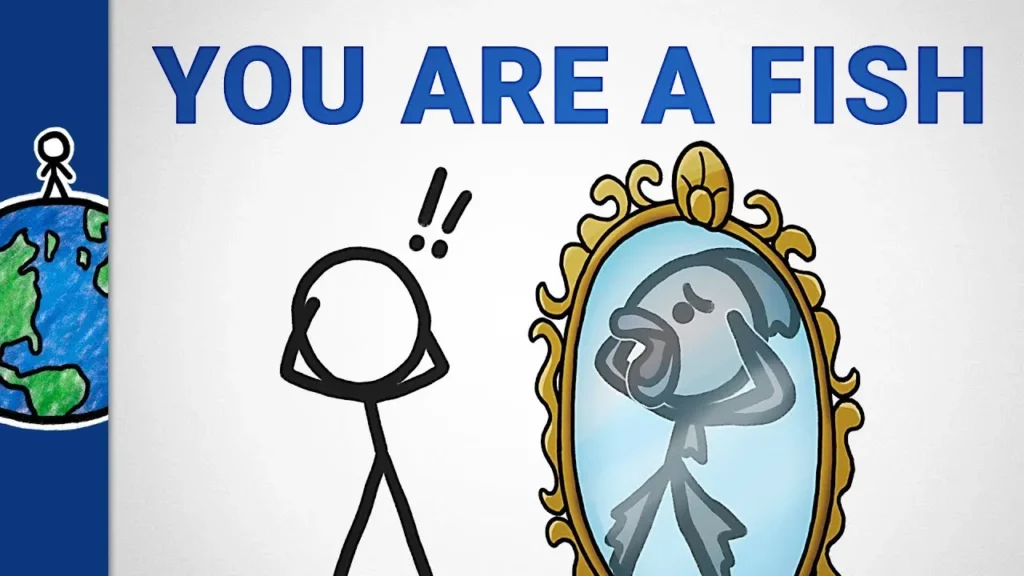
In this lesson from MinuteEarth, Jasper explains the surprising evolutionary connection between humans and fish, highlighting that all animals are related through ancestry. By using the concept of clades, which group species based on shared common ancestors, he illustrates that humans, goldfish, and sharks belong to the same clade, challenging traditional notions of what defines a “fish.” The lesson encourages a rethinking of classifications in biology and invites further exploration of evolutionary relationships through interactive tools.
Why Can’t We Get Power From Waves?
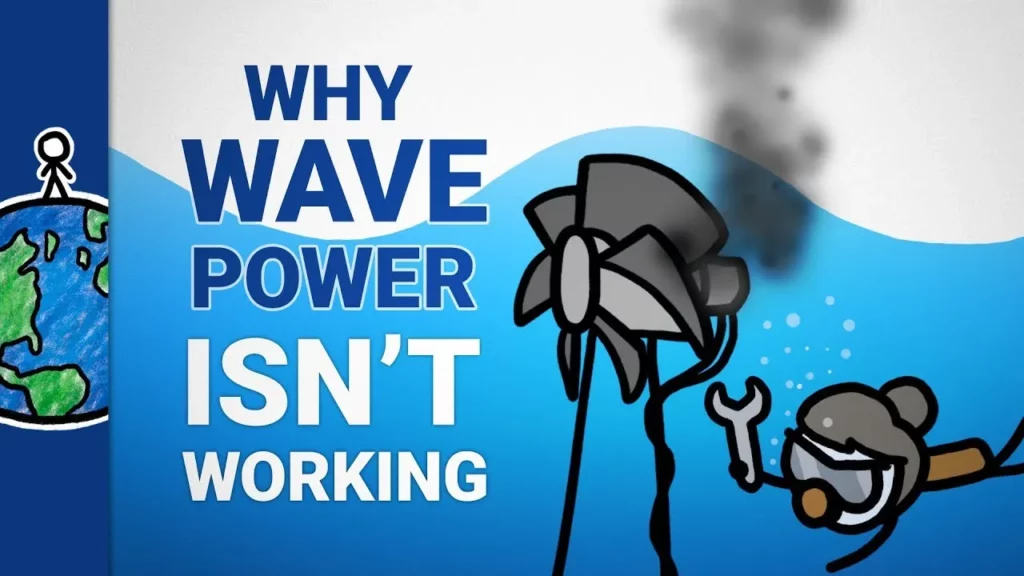
In this lesson, Alex from MinuteEarth explains the challenges of harnessing wave energy for electricity generation. While ocean waves contain significant energy, their unique movement makes it difficult to directly convert this energy into power, unlike traditional methods that utilize spinning turbines. Current technologies are still in development, facing obstacles like high costs and environmental wear, but there is hope for future advancements that could make wave energy a viable power source.
Why Is Lyme Disease Getting Worse?
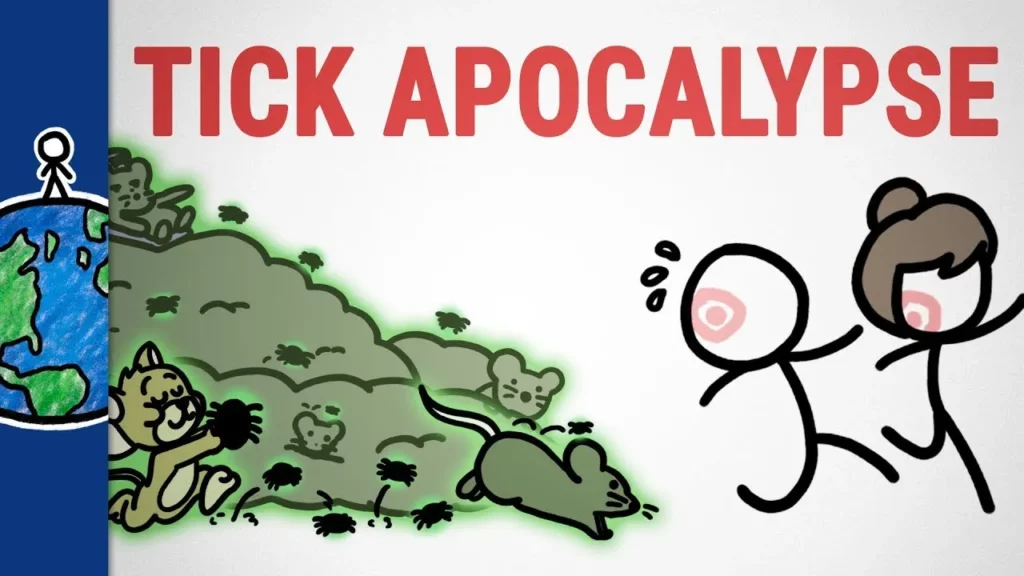
The lesson discusses the increasing prevalence of Lyme disease, which is primarily spread by ticks that feed on infected mice. Environmental changes, such as habitat alterations and climate change, have contributed to the rise in mouse populations and, consequently, the spread of Lyme disease. Efforts to combat this issue include improved detection and treatment of the disease, as well as research aimed at controlling tick populations and understanding the dynamics of tick-borne diseases.
The Secrets of Extreme Breath Holding
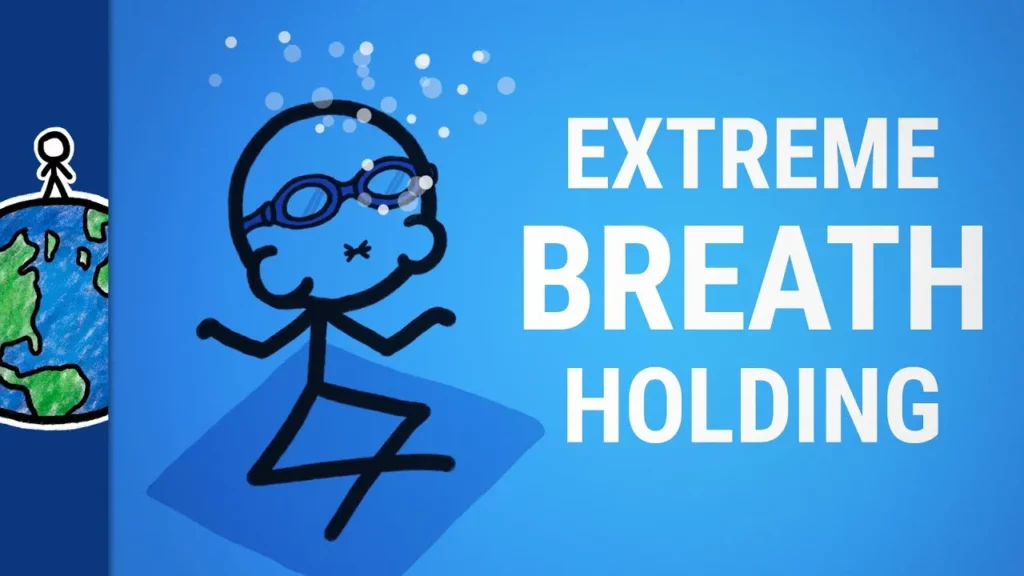
The lesson explores the techniques used by expert breath holders to extend their breath-holding capabilities beyond the average one minute. Key strategies include staying calm to optimize the body’s response to low oxygen levels, utilizing the mammalian dive reflex to conserve oxygen when submerged, and learning to ignore diaphragm spasms that signal the need to breathe. While these methods highlight the remarkable potential of the human body, they require extensive training and should only be practiced under proper guidance due to the associated risks.
This Country Has Something Everyone Else Wants
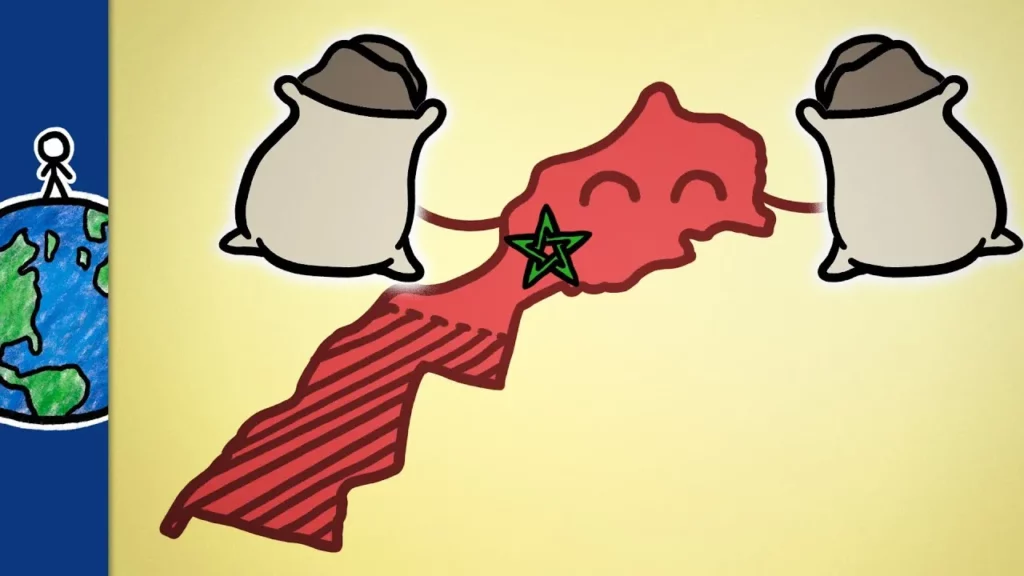
In this lesson, Alex from MinuteEarth discusses the significance of phosphorus, a vital nutrient for plant growth, and highlights Morocco’s unique position as the country with nearly three-quarters of the world’s accessible phosphate rock reserves. As phosphorus is essential for food production and is being depleted, the lesson emphasizes the urgent need for innovative solutions to recycle and manage phosphorus sustainably to ensure food security for the future.
Monoclonal Antibodies | How to Turn Cancer Against Itself
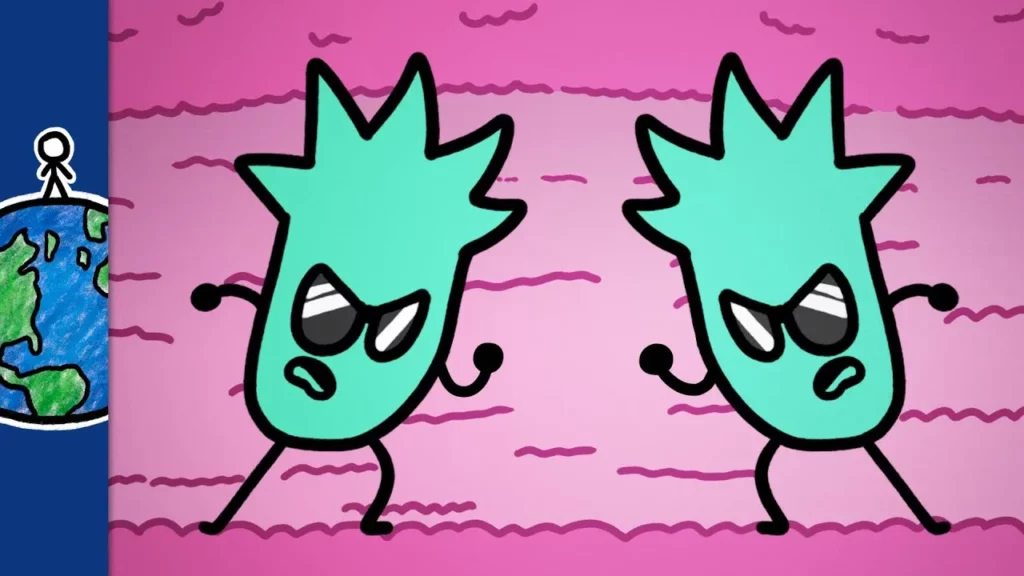
This lesson explores the innovative use of monoclonal antibodies in cancer treatment, highlighting how scientists have harnessed the immune system’s natural defenses to target and destroy cancer cells while minimizing harm to healthy cells. By creating hybrid cells that produce specific antibodies, researchers can deliver targeted therapies, including chemotherapy and radioactive materials, directly to cancer cells. This breakthrough not only enhances treatment efficacy but also opens new avenues for future cancer therapies and other medical applications.
The Cruel Irony Of Air Conditioning
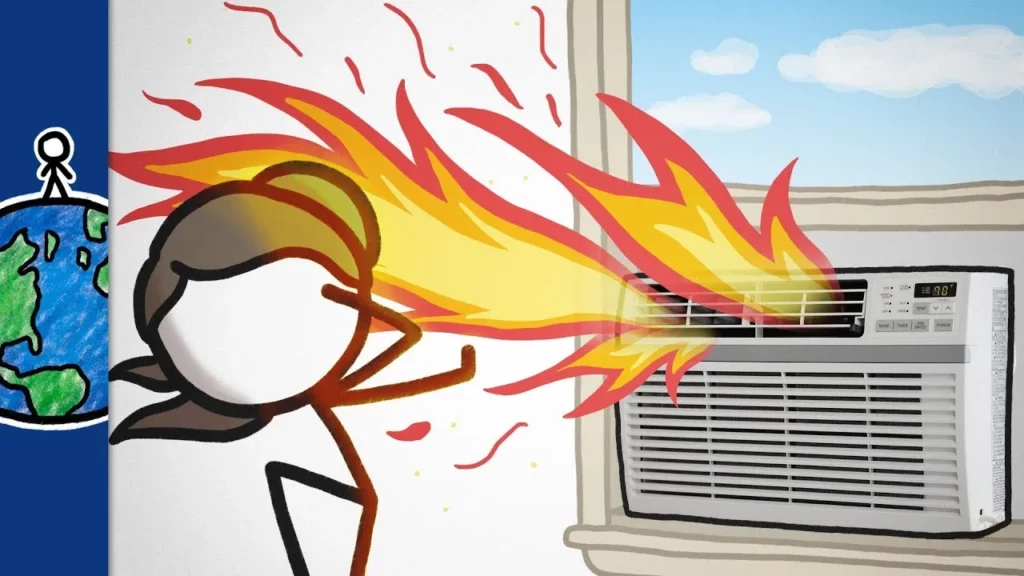
The lesson discusses the paradox of air conditioning, which, while providing comfort and cooling, contributes to global warming through increased energy consumption and the release of potent greenhouse gases. As the demand for air conditioning rises, particularly in a warming world, it creates a vicious cycle of escalating temperatures and energy use. To mitigate this issue, the lesson emphasizes the importance of using efficient cooling systems, adopting sustainable building designs, and enhancing urban green spaces to reduce reliance on air conditioning.
The Bacteria That Made Life Possible Are Now Killing Us
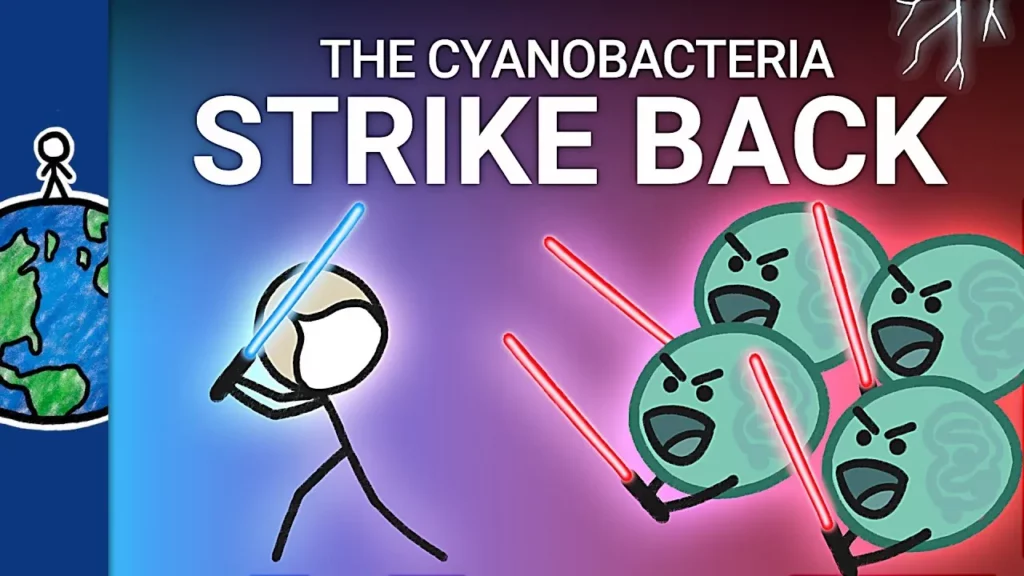
The lesson explores the dual role of cyanobacteria in Earth’s history, highlighting how these ancient microbes initially contributed to the development of oxygen-rich environments through photosynthesis, enabling the evolution of complex life. However, due to human activities like fossil fuel combustion and agricultural runoff, cyanobacteria are now thriving in ways that can lead to harmful algal blooms, creating toxic conditions and “dead zones” in aquatic ecosystems. To mitigate these issues, the lesson emphasizes the need for addressing climate change and improving farming practices to reduce nutrient pollution.
Our Best View Of Bacteria Is…From Space?!
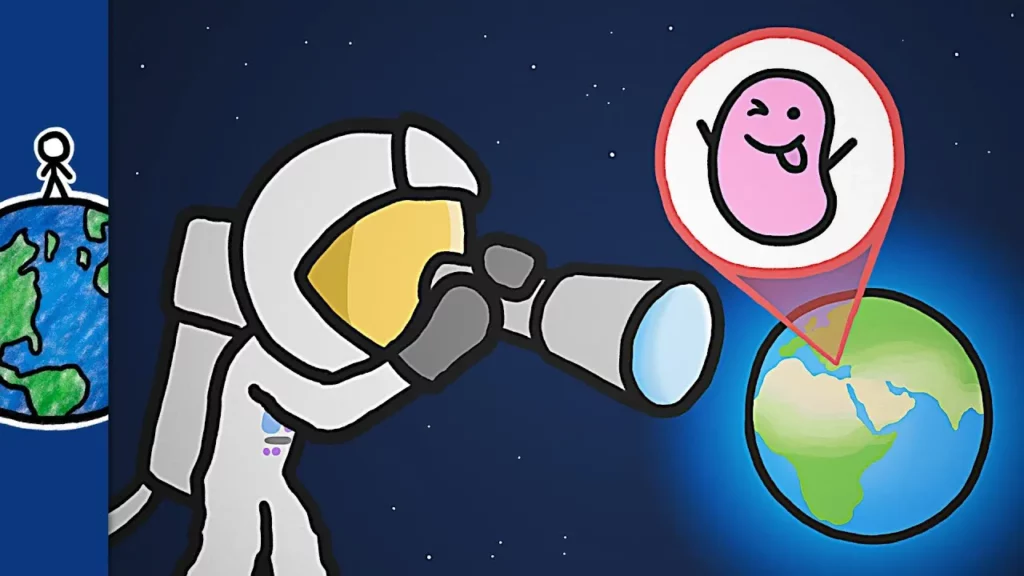
In the lesson “Our Best View Of Bacteria Is…From Space?!”, Julián from MinuteEarth explains how satellites can provide valuable insights into microbial activity on Earth, which is often difficult to observe with traditional microscopes. By monitoring changes in plant health and tracking ocean phytoplankton blooms, satellites can help detect diseases in crops and predict cholera outbreaks, ultimately aiding in environmental management and public health. The lesson emphasizes the importance of combining satellite data with microscopic research to enhance our understanding of both Earth and potential life on other planets.
How We Evolved To Browse The Web
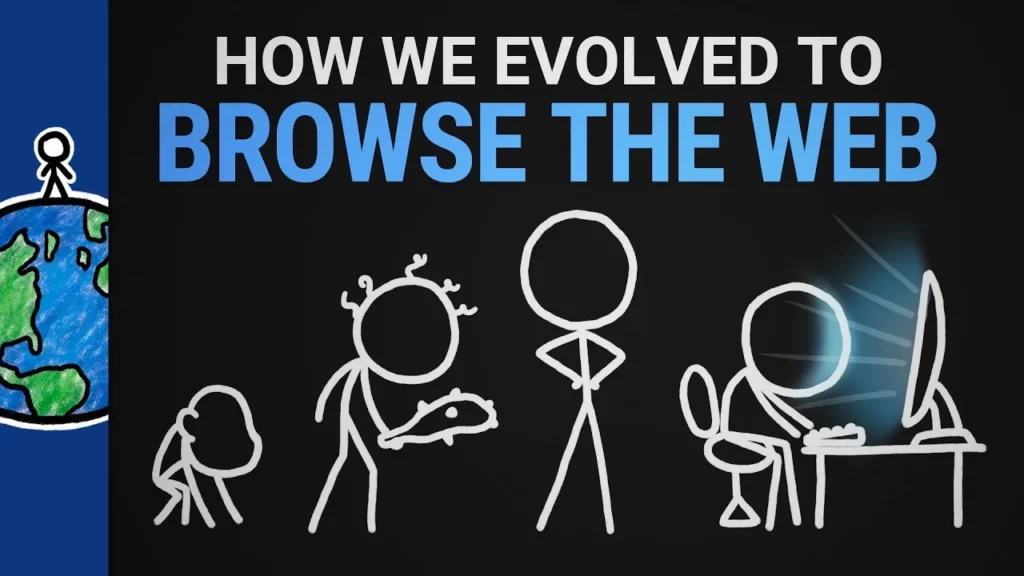
In this lesson, Kate from MinuteEarth explores the parallels between human web browsing behavior and animal foraging strategies, particularly using the example of chickadees searching for food. Both humans and animals subconsciously evaluate the rewards of their current options and decide when to move on to seek better opportunities, reflecting a shared evolutionary decision-making process. This understanding not only applies to online activities but also extends to various everyday choices, highlighting the instinctual nature of our decision-making.