
Why Do Some Animals Eat Poop?
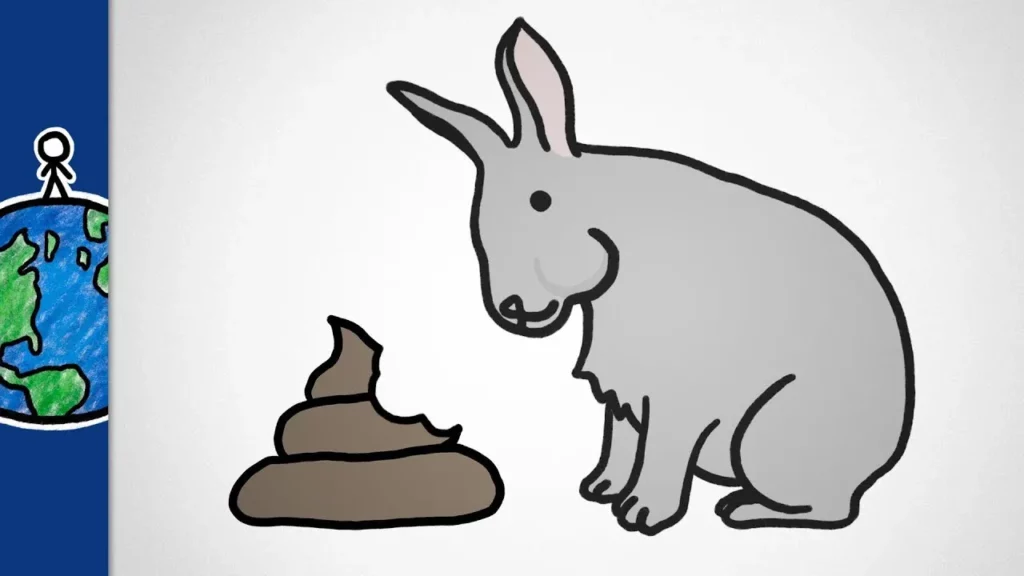
This lesson explores the reasons why some animals eat poop, highlighting that while it may seem unappealing to humans, it serves as a valuable source of nutrients for many species. Animals like cows, rabbits, and gorillas consume feces to reclaim undigested nutrients, while others, such as koalas and rabbits, rely on it for essential bacteria needed for digestion. Ultimately, this behavior is a survival strategy that helps these animals thrive in their environments.
Why Malaria Isn’t Just a Tropical Disease
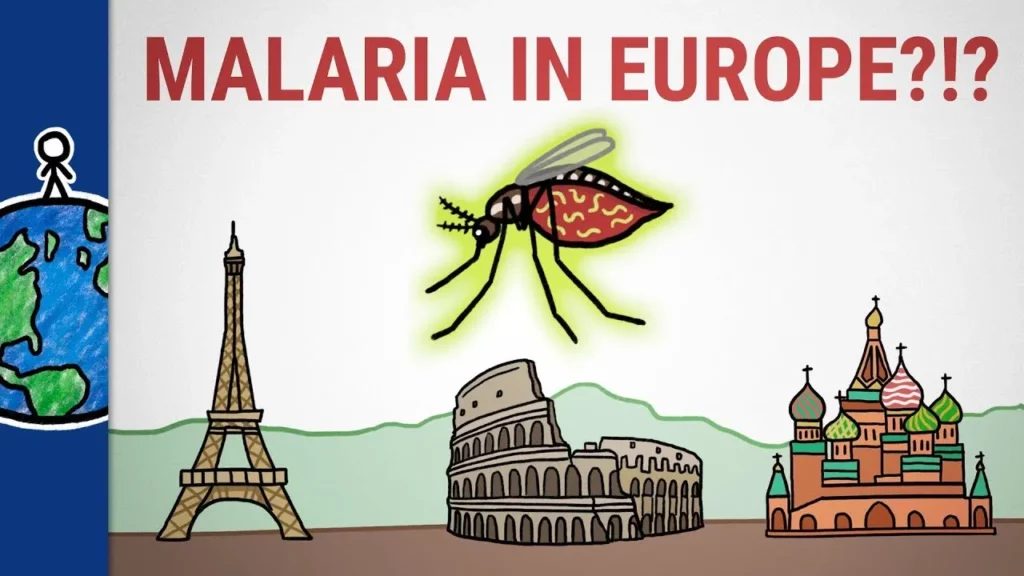
The lesson highlights that malaria is not confined to tropical regions, despite its strong association with areas like Africa, where it remains a significant health threat. Factors such as climate, human behavior, and mosquito breeding habitats have contributed to the decline of malaria in temperate regions, while challenges persist in Africa due to the aggressive nature of local mosquito species. However, advancements like the use of bed nets have shown promise in reducing malaria cases and deaths, offering hope for future progress in combating the disease.
The Secret Weapon That Could Help Save Bees
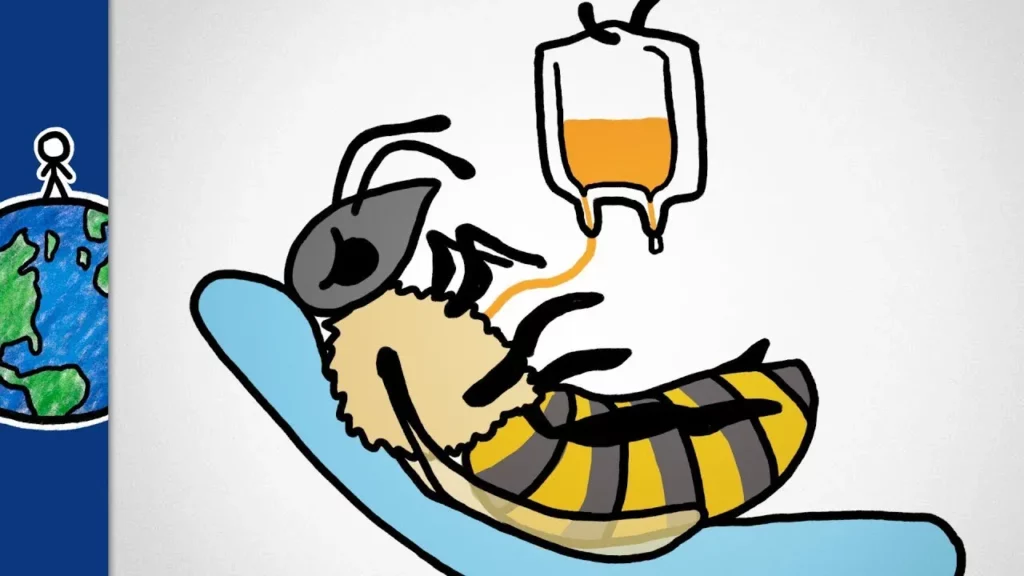
The lesson highlights the critical role bees play in pollinating crops, particularly in California’s almond industry, which is valued at $17 billion. It discusses the challenges bees face, such as disease spread and pesticide exposure, and emphasizes efforts by beekeepers, farmers, and researchers, particularly at the University of Minnesota, to enhance bee health through methods like promoting the use of propolis in hives. These initiatives aim to ensure the sustainability of bee populations, which are essential for our food supply.
Why Do You Make So Many Poop Videos? (& Other Questions)
In this lesson, Kate from MinuteEarth addresses common viewer questions, explaining the fascination behind their numerous videos about poop and the science of waste, which often goes unnoticed despite its complexity. She introduces the diverse remote team behind MinuteEarth, shares insights into their creative process, and highlights their various interests and projects. Additionally, Kate encourages viewers to support their work and emphasizes the importance of curiosity in exploring everyday topics.
Why Are Fewer People Getting Appendicitis?
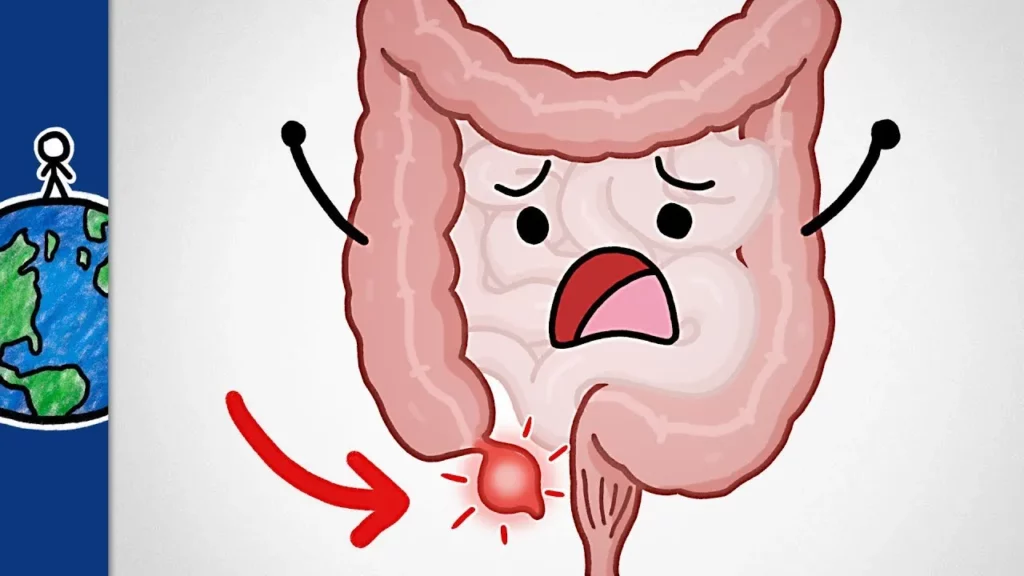
The lesson explores the decline in appendicitis cases, particularly in the United States, where rates have dropped by nearly 60% over the past 40 years despite ongoing consumption of processed foods. It discusses the condition’s causes, including dietary changes and seasonal patterns, while highlighting the mystery behind the decreasing incidence and potential adaptations in our bodies. Overall, the lesson emphasizes the complexity of human health and the ongoing research needed to understand these trends.
These Names Can Kill Animals
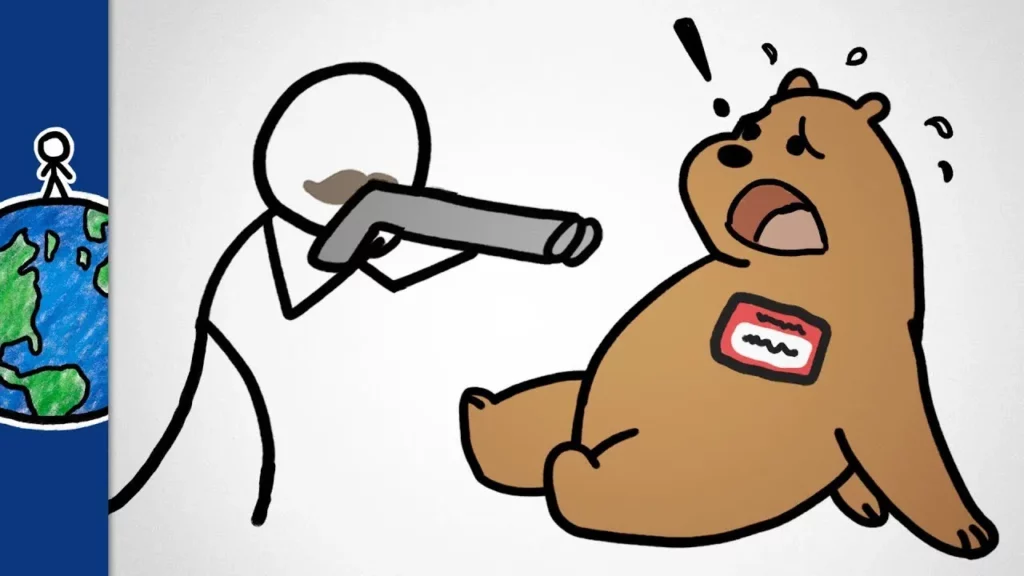
The lesson highlights the significant impact that names can have on public perception and conservation efforts for animals. By changing the names of species, such as from “wild dog” to “painted dog,” or “slimehead fish” to “orange roughy,” people are more likely to view them positively and support their protection. This demonstrates that a simple name change can influence attitudes and behaviors towards wildlife conservation, although additional efforts are still necessary to ensure the survival of these species.
The Bird Poop That Changed The World
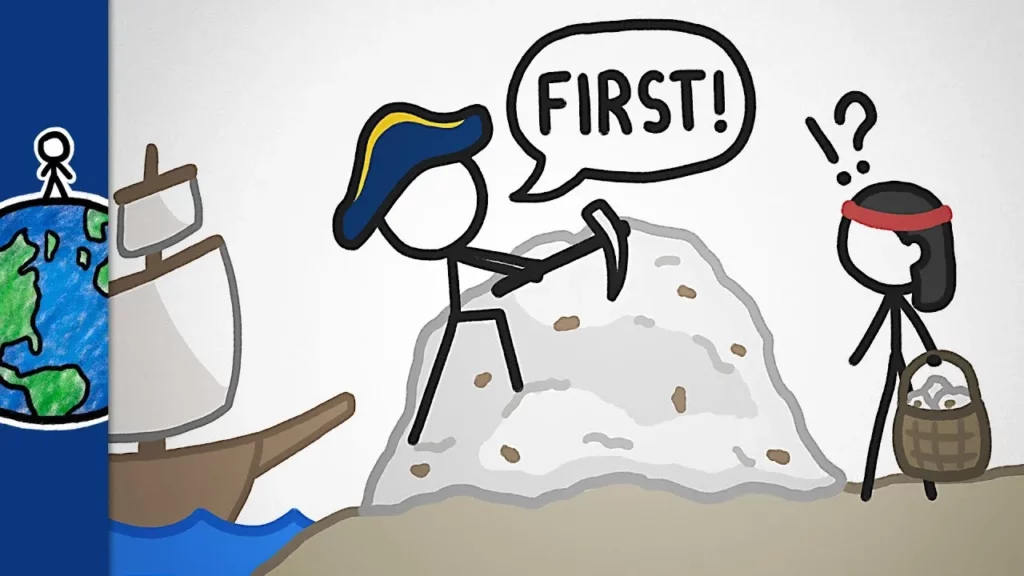
In this lesson, Alex from MinuteEarth shares the story of how Peruvian guano, a nutrient-rich bird droppings fertilizer, transformed the agricultural landscape for farmers in the 1840s, including his ancestors in Sandy Spring, Maryland. After struggling with depleted soil, they discovered guano, which significantly boosted their crop yields from 3 to 30 bushels per acre, highlighting the importance of nitrogen and phosphorus for plant growth. This discovery not only saved their farms but also paved the way for modern fertilization techniques that allow farmers to replenish soil nutrients without relocating.
Why Are Your Fingerprints Unique?

This lesson explores the uniqueness of fingerprints, explaining that each person’s fingerprints have distinct patterns—whorls, loops, or arches—formed during fetal development. The formation process is influenced by various unpredictable factors, leading to a staggering number of possible fingerprint combinations, making each fingerprint mathematically unique. Ultimately, the lesson emphasizes the importance of uniqueness in both fingerprints and personal security, likening them to strong, individual passwords.
Why Earthquakes Are So Hard To Predict
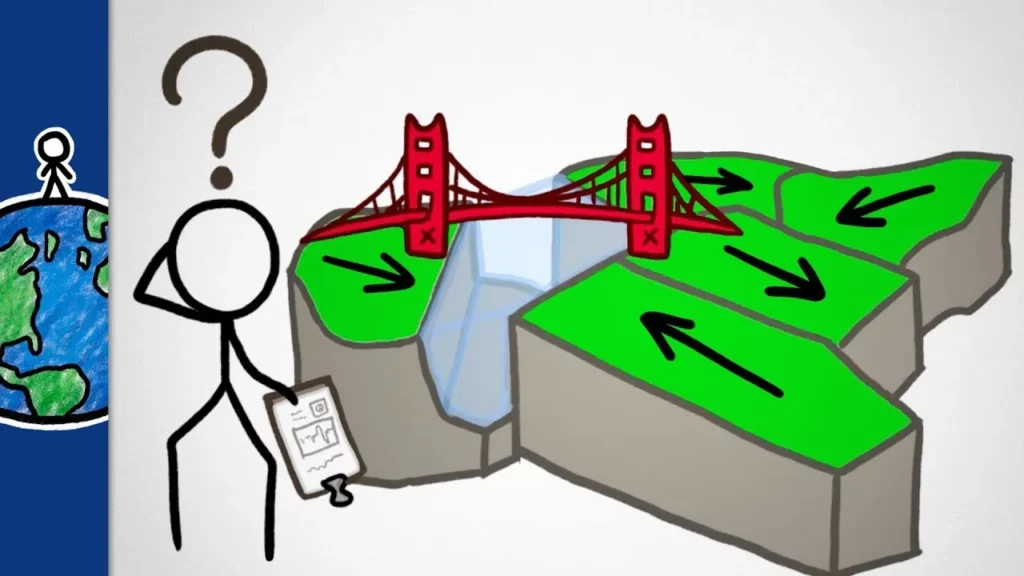
The lesson explores the complexities of earthquake prediction, highlighting the challenges in providing timely warnings despite advancements in technology and research. While current methods, such as seismic sensors, offer brief alerts before destructive waves hit, they fall short of the ideal two-day warning needed for effective evacuation. Ongoing research aims to improve understanding of tectonic interactions and develop accurate models, but significant obstacles remain in applying findings from simpler oceanic faults to more complex seismic regions like San Francisco.
The Problem With Concrete
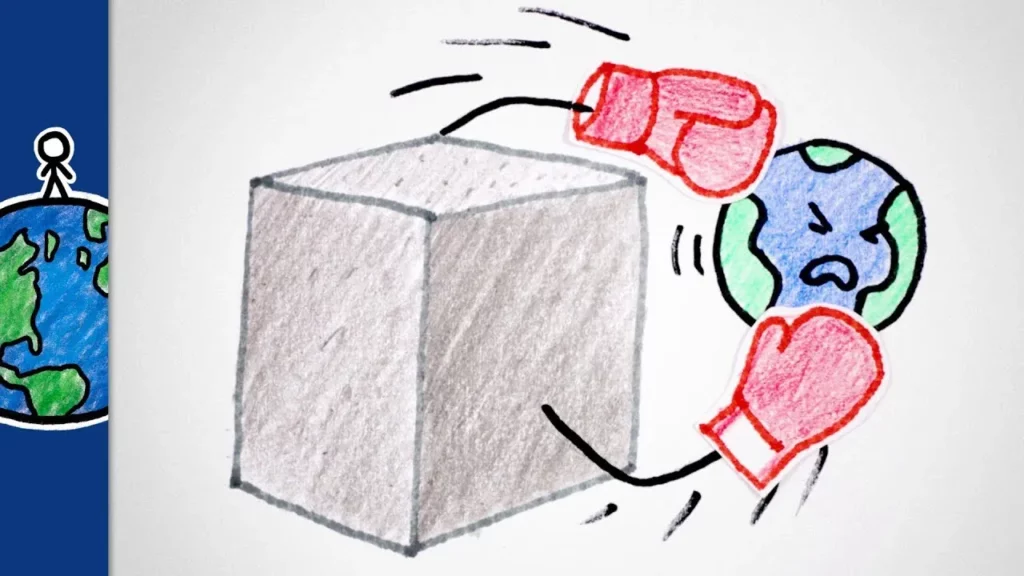
In this lesson, Alex from MinuteEarth discusses the significant environmental impact of concrete, particularly the cement used in its production, which contributes to about 8% of global CO2 emissions. As urbanization continues to rise, necessitating extensive construction, the lesson emphasizes the urgent need for innovative solutions, such as alternative materials and renewable energy sources, to reduce cement’s carbon footprint. By exploring sustainable building practices, we can mitigate the environmental challenges posed by rapid urban growth.