
Why It’s HARD To Bring A New Apple To Market
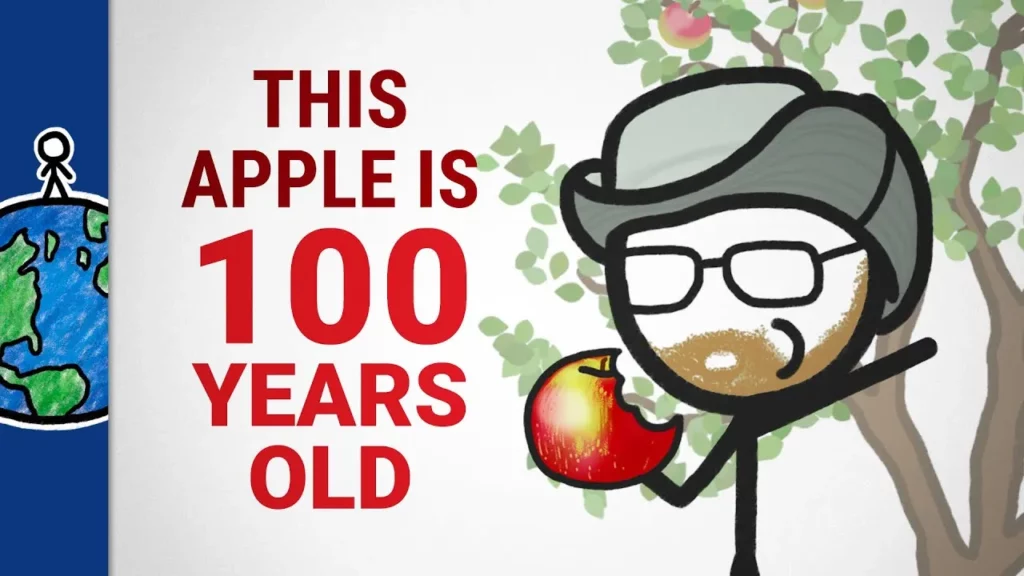
The lesson discusses the challenges of bringing new apple varieties to market, highlighting the history of the McIntosh apple and the complexities involved in breeding fruit trees. Unlike grains, which can be quickly crossbred, apple trees have intricate genetics and long growth cycles, making the development of new varieties a lengthy and unpredictable process. Despite these hurdles, successful new apples like the Honeycrisp demonstrate the potential for innovation in apple breeding, with ongoing research aimed at creating sustainable and flavorful options for the future.
You Have More Bones Than You Think

The lesson “You Have More Bones Than You Think” explores the complexities of the human skeletal system, highlighting that while the commonly cited number of bones is 206, individual variations can lead to different counts. It explains how babies have more bones due to cartilage that fuses into bone as they grow, and discusses unique bone variations that some people may have. Additionally, the lesson emphasizes the important functions of bones beyond providing structure, such as aiding in calcium distribution for heart health.
How To Turn Poop Into Power
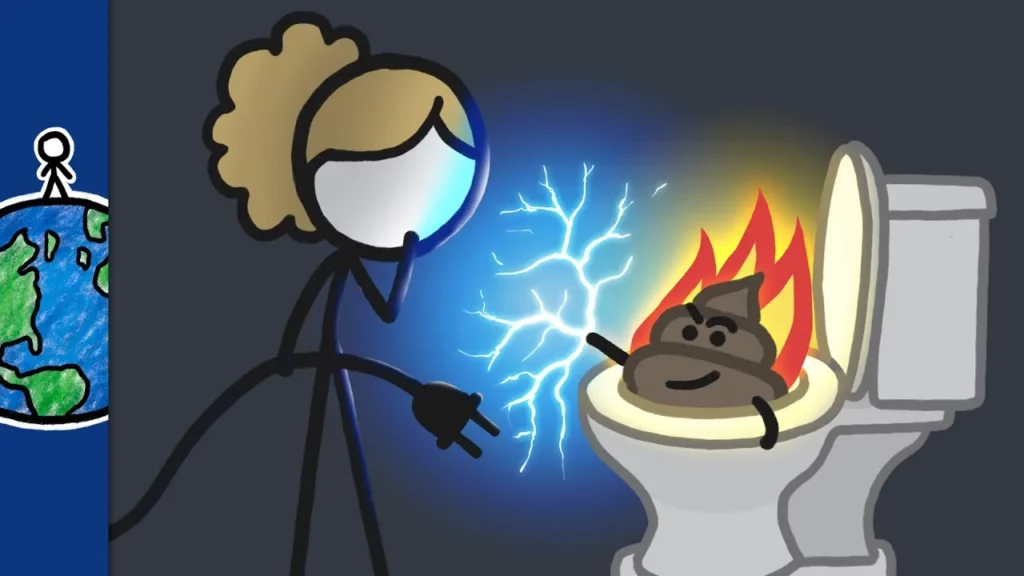
The lesson explains how waste, particularly human and animal feces, can be transformed into a renewable energy source through a process that produces methane gas. By breaking down waste in anaerobic conditions at treatment plants, significant amounts of methane can be generated, which can then be used to power operations or sold for energy, highlighting the potential to power millions of homes and reduce waste in the process. This innovative approach not only addresses waste management but also offers a sustainable energy solution, especially in regions with high livestock populations.
The Fastest-Growing Plant In The World
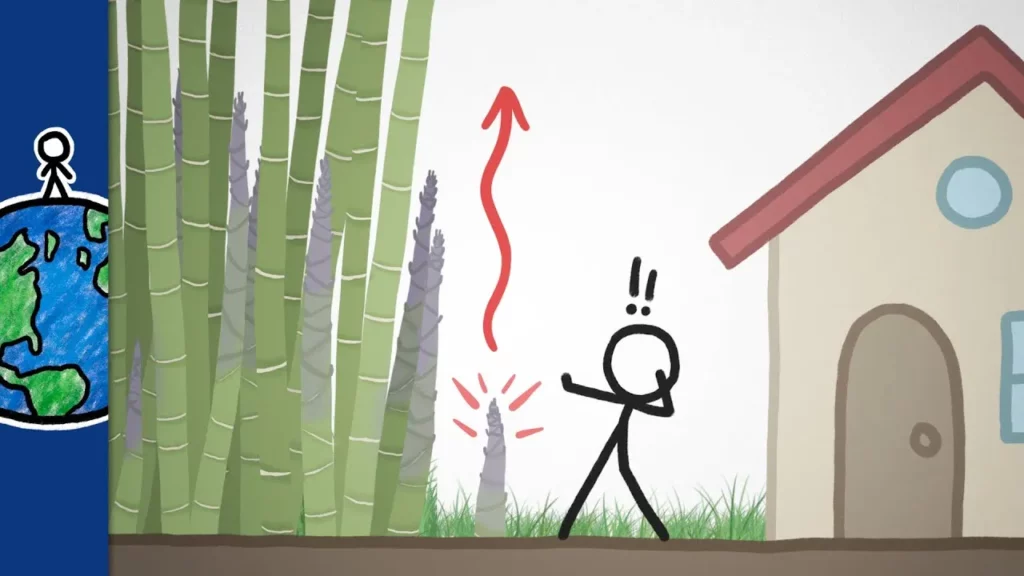
This lesson highlights bamboo as the fastest-growing plant in the world, capable of reaching heights of three feet in a single day and growing as tall as a 10-story building in just eight weeks. Unlike trees, bamboo is a type of grass that grows rapidly by inflating its existing cells, supported by a robust root system that efficiently delivers water and nutrients. Its unique growth characteristics not only allow it to thrive in forest ecosystems but also enable it to withstand strong winds, making it a vital component of its environment.
How This River Made Chimps Violent
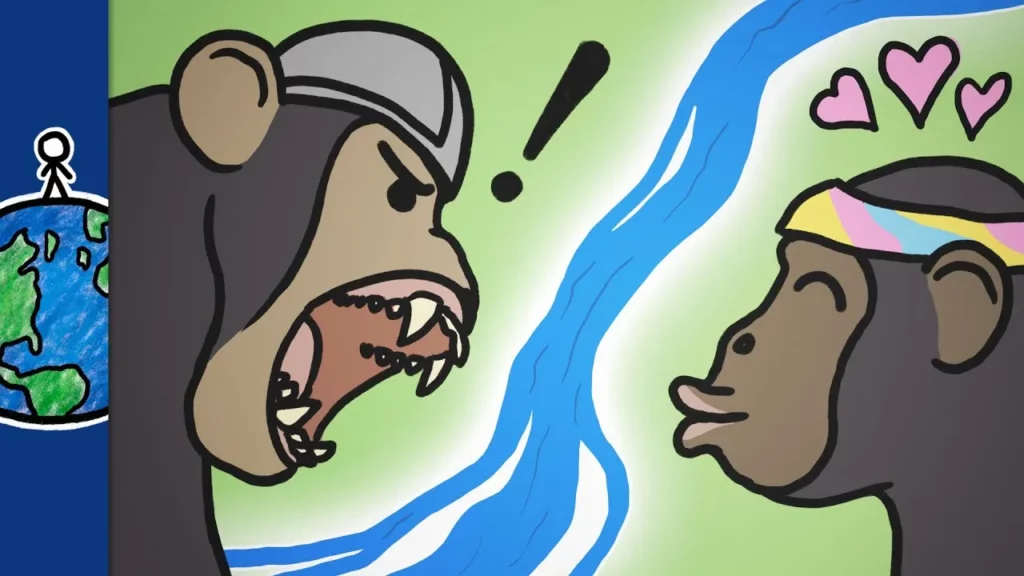
The lesson explores how the Congo River’s transformation from shallow to deep water led to the separation of a group of apes into two distinct species: chimpanzees and bonobos. This geographical split resulted in different environmental pressures, with northern apes evolving to be more aggressive due to competition with gorillas, while southern apes became more social and friendly in an environment with abundant resources. Over time, these adaptations shaped the behavioral traits that characterize each species today.
Where Does One Ocean End And Another Begin?
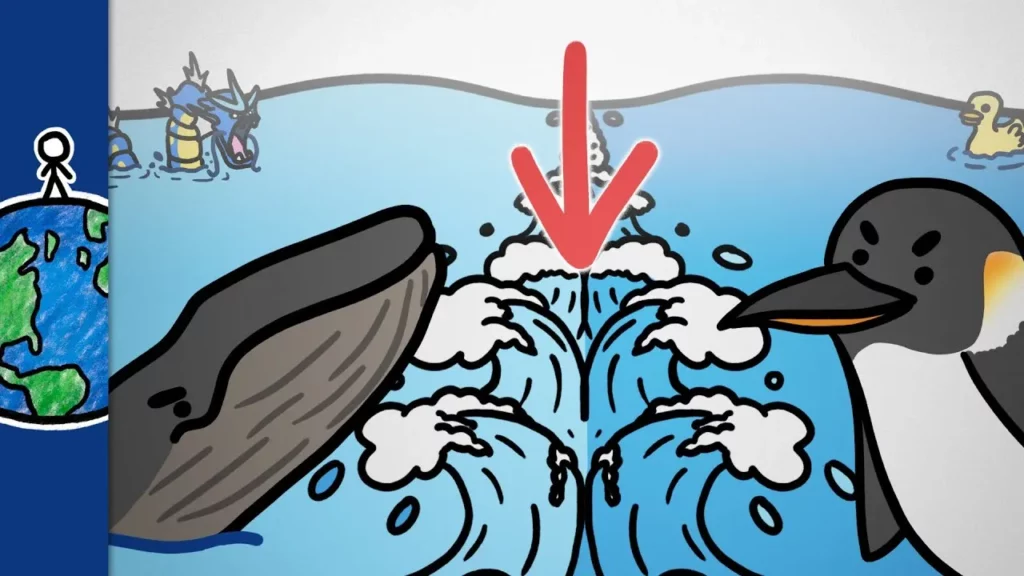
In this lesson, Kate from MinuteEarth explores the concept of ocean boundaries, explaining that while we categorize the world’s oceans into four major divisions—Atlantic, Pacific, Indian, and Arctic—these divisions are largely arbitrary and based on historical exploration rather than the actual characteristics of the water. The lesson highlights the interconnectedness of ocean waters and suggests that factors like saltiness and ocean currents might provide a more accurate way to define these boundaries, with the Southern Ocean around Antarctica being a notable exception due to its unique characteristics.
Why Don’t More Animals Eat Wood?
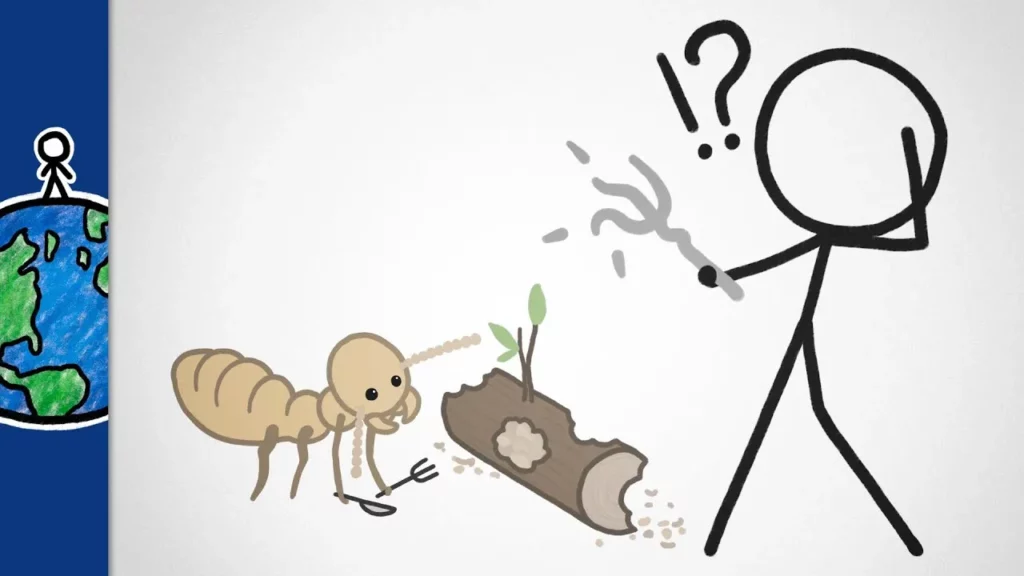
The lesson explores why most animals do not eat wood, highlighting the challenges posed by its tough structure, primarily due to cellulose being tightly bound by lignin, which makes it difficult to digest. While some animals like beavers can gnaw on wood, only insects such as termites have developed specialized adaptations, including serrated mandibles and gut microbes, that enable them to efficiently break down lignin and access the cellulose within. This topic underscores the evolutionary adaptations of certain species and the ongoing research into the digestive capabilities of wood-eating insects.
How To Name A Disease (Like COVID-19)
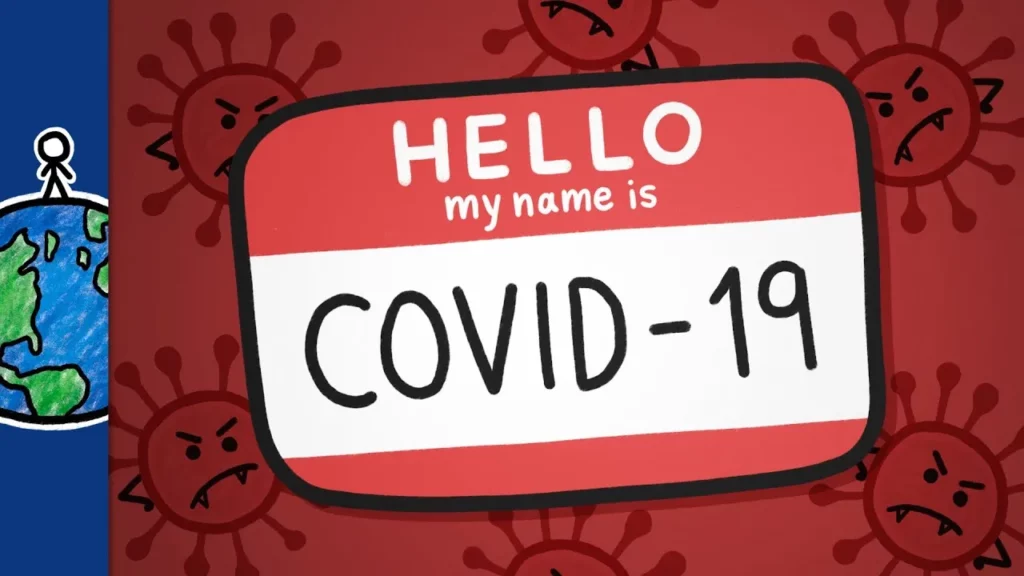
In this lesson, Julián from MinuteEarth explains the importance of carefully naming diseases to avoid stigma and misinformation, highlighting the negative impact of the term “swine flu” during the 2009 H1N1 outbreak. He discusses the World Health Organization’s guidelines for naming diseases, which aim to prevent fear and confusion by using descriptive and neutral terms, as exemplified by the name COVID-19. The lesson also encourages kindness and community support during challenging times, emphasizing the importance of staying safe and connected.
MinuteEarth Explains: Size
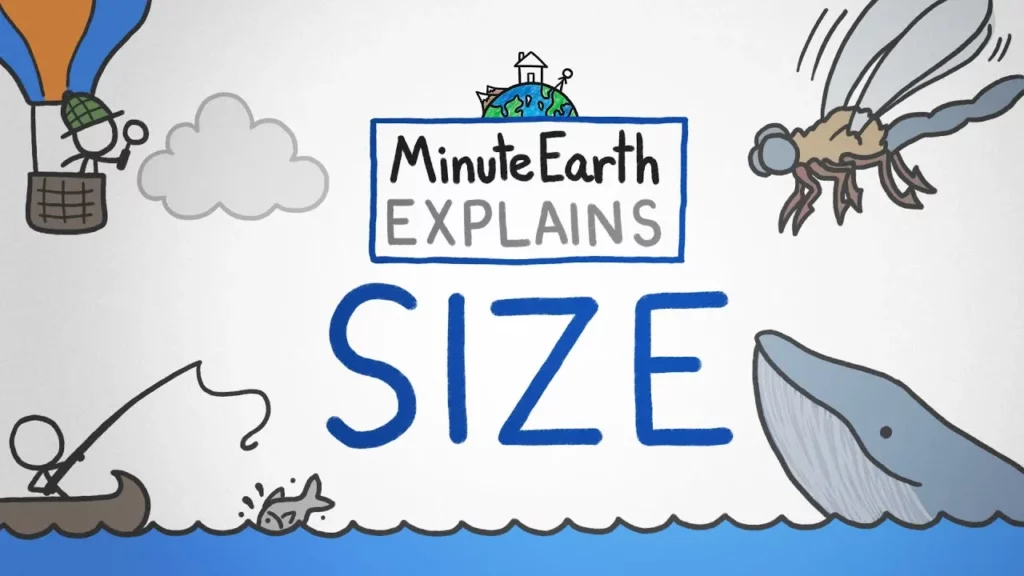
In this lesson from MinuteEarth, Emily explores the significance of size in nature, highlighting the largest organisms on Earth, including the California redwood and the extensive fungus in Oregon. The lesson also discusses how certain environmental factors have allowed animals, like dinosaurs and blue whales, to grow to impressive sizes, and emphasizes the ecological importance of smaller fish in maintaining balanced marine populations. Additionally, it explains the science behind the formation of water droplets, showcasing how tiny particles play a crucial role in the water cycle.
How to Work From Home as a Team

In this lesson on effective remote teamwork, key strategies are highlighted based on the experiences of Kate and the MinuteEarth team. Emphasizing the importance of communication, human connection, collaboration, constructive feedback, and inclusivity, the lesson provides practical tools and approaches to enhance productivity and strengthen team bonds in a virtual workspace. Additionally, it encourages sharing experiences and insights to further improve remote teamwork dynamics.