
MinuteEarth Explains: Food
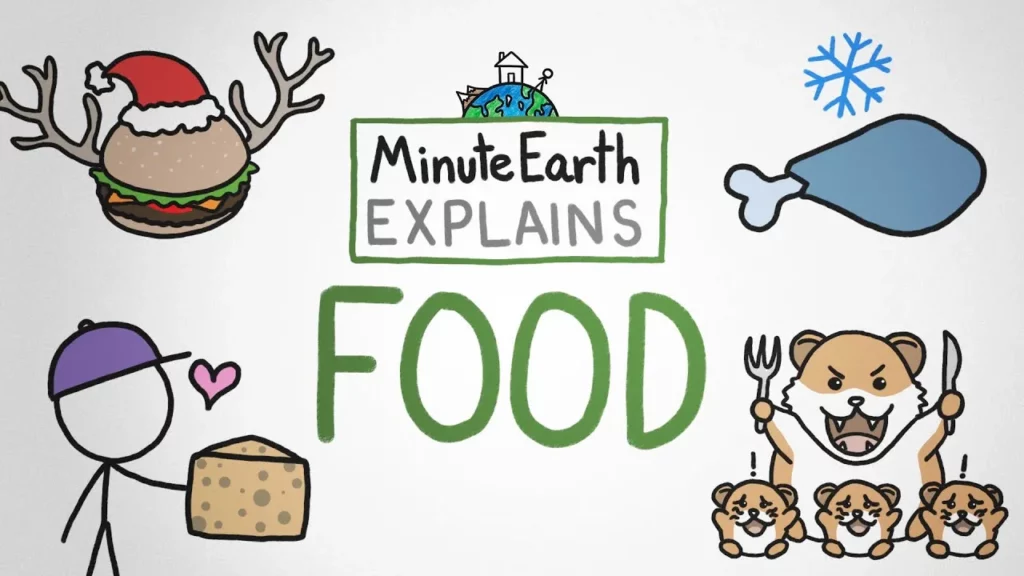
In this lesson from MinuteEarth, Emily explores the intriguing world of food, highlighting how many beloved items like cheese, bread, and chocolate are actually products of fermentation, where beneficial microbes enhance flavor and safety. She also discusses food preservation techniques, particularly the evolution of freezing methods pioneered by Clarence Birdseye, and touches on the surprising phenomenon of animal cannibalism as a survival strategy. Overall, the lesson emphasizes the complex relationships between microbes, food preservation, and animal behaviors in the context of survival.
MinuteEarth Explains: Battle of the Sexes
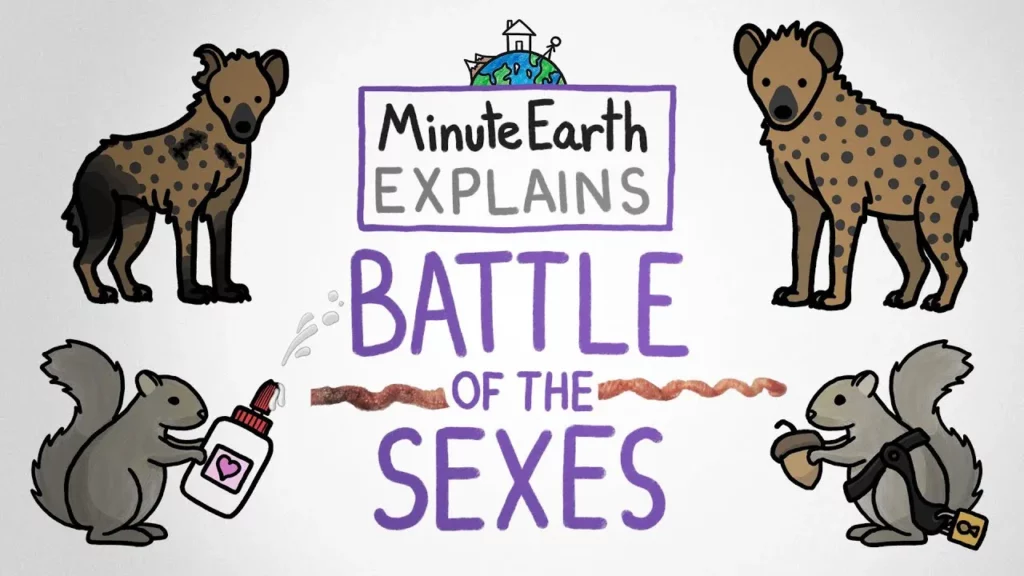
In this lesson from MinuteEarth, Emily explores the complexities of animal relationships, particularly focusing on monogamy and mating strategies across various species. While monogamy is rare in the animal kingdom, with only about 3% of mammals forming lifelong bonds, many birds, like the superb fairy wren, exhibit behaviors that challenge the notion of loyalty. The lesson highlights the interplay of cooperation and competition in mating, revealing how different reproductive strategies shape the dynamics between males and females in both the animal world and human relationships.
MinuteEarth Explains: Cats vs Dogs
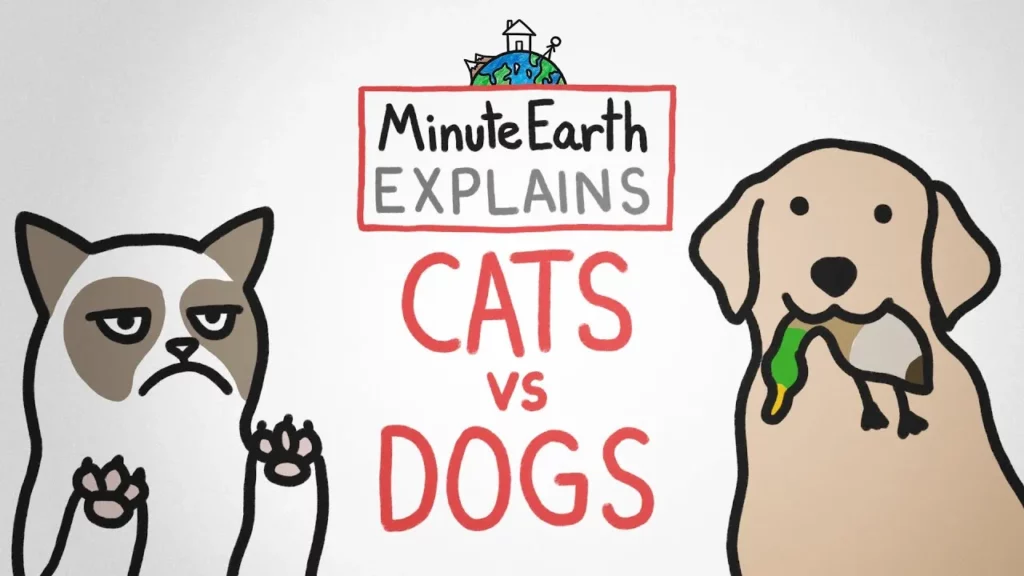
In this lesson, Emily from MinuteEarth explores the fascinating science behind the domestication of cats and dogs, highlighting how their brains have shrunk due to living alongside humans. She discusses the historical bond between humans and cats, tracing their domestication back to ancient farming practices, while also noting the variability in personality traits among dog breeds. Additionally, the lesson touches on the potential health benefits of having pets, particularly in reducing allergies in children through early exposure to different microbes.
MinuteEarth Explains: Stuff That…Isn’t
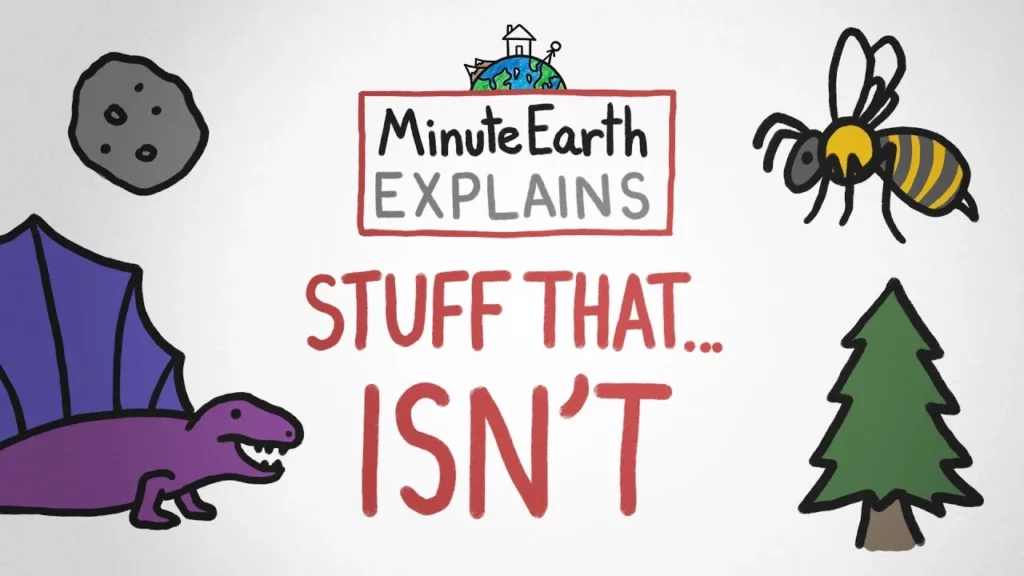
In this lesson from MinuteEarth, Emily explores common misconceptions about bees, trees, dinosaurs, and moons, highlighting how labels can often mislead our understanding of these subjects. She explains that not all striped insects are bees, many trees labeled as pines are not true pines, and the classification of dinosaurs is more complex than simply being large and extinct. Additionally, she discusses the criteria that define moons, emphasizing that there is no single definition, as size and orbit can vary significantly among celestial bodies.
The Extinction Happening Inside You

In the lesson “The Extinction Happening Inside You,” Julián from MinuteEarth discusses the alarming decline of beneficial gut microbes due to modern dietary changes and antibiotic overuse, drawing parallels to the historical extinction of the bald eagle. Just as conservation efforts helped revive the eagle population, the lesson emphasizes the importance of reintroducing fiber-rich foods and probiotics into our diets to support our gut microbiome and prevent harmful bacteria from taking over. By adopting these strategies, we can help maintain a balanced microbial ecosystem within our bodies.
MinuteEarth Explains: Water
In this lesson from MinuteEarth, Emily explains the significance of water on Earth, highlighting that it covers about 70% of the planet’s surface and likely originated from space through meteorites known as Carbonaceous Chondrites. The lesson also covers the formation of clouds through the evaporation and condensation of water vapor, the meandering patterns of rivers due to erosion, and the discovery of inverted river channels on Mars, which provide insights into the planet’s geological history and the role of water in shaping its landscape.
This Atom Can Predict The Future
In this lesson, we explore how the presence of the atom Beryllium-7 in the atmosphere of Australia and Russia can predict monsoon rains in India 52 days later, due to the influence of Hadley cells—large air patterns that transport this atom across vast distances. The movement of these cells, affected by the sun’s seasonal changes, allows for practical applications in agriculture, helping farmers determine optimal planting times for better harvests. Additionally, the monitoring of Beryllium-7 levels globally aids in nuclear test detection, showcasing the interconnectedness of atmospheric science and real-world benefits.
Why Do We STILL Use Lead Pipes?!
The lesson explores the historical use of lead pipes, highlighting their durability and ease of use despite known health risks associated with lead exposure. It discusses the challenges of replacing existing lead pipes due to cost and logistical issues, as well as the measures taken to mitigate risks, such as adding minerals to water. Ultimately, the lesson emphasizes the need for proactive changes to ensure safe drinking water and the ongoing risks many communities face due to outdated infrastructure.
MinuteEarth Explains: Space
In this lesson from MinuteEarth, Kate explores the fascinating world of space, focusing on meteorites, the Moon, and Earth’s atmosphere. She explains that many meteorites originate from the asteroid Hebe and discusses the unique reasons we only see one side of the Moon. Additionally, the lesson highlights Earth’s protective atmosphere and the “Faint Young Sun Paradox,” which suggests that greenhouse gases in the early atmosphere kept the planet warm enough for life despite a dimmer sun.
Why Wolves Don’t Chirp
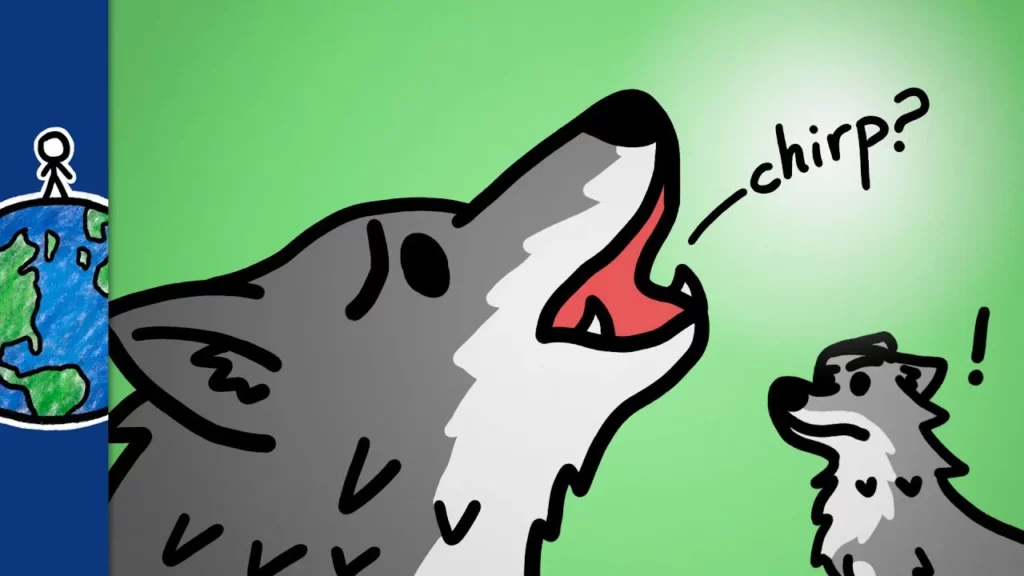
The lesson “Why Wolves Don’t Chirp” explains the differences between high-frequency and low-frequency sounds, highlighting how these characteristics affect the distance sounds can travel. While high-frequency sounds, like a tree frog’s chirp, lose energy quickly and don’t travel far, low-frequency sounds, such as a wolf’s howl, can cover greater distances by bending around obstacles. This understanding of sound waves is crucial for animal communication, as different species utilize varying frequencies to effectively convey messages over long or short distances.