
Invention of Bread – History of Bread – Origin of Bread #invention #kids
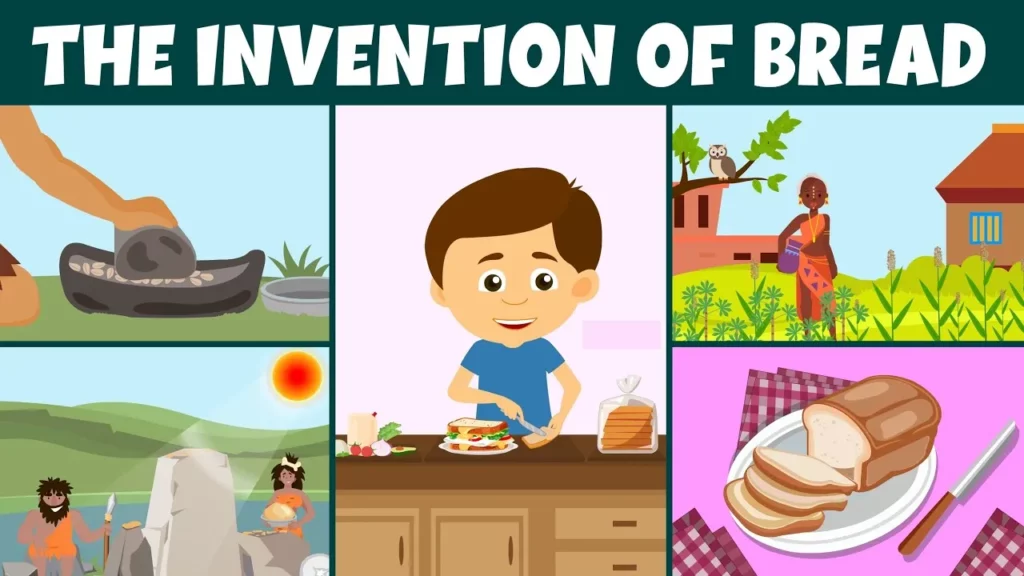
In this lesson, we explored the fascinating history of bread, tracing its origins from ancient times when early humans created simple flatbreads to the discovery of leavened bread by the Egyptians over 30,000 years ago. We learned about significant developments in bread-making, including the invention of sliced bread in 1928 and modern production methods, highlighting how bread has evolved into a beloved staple enjoyed worldwide in various forms.
What if the MOON disappeared? – Can we survive without the moon? #shortvideo
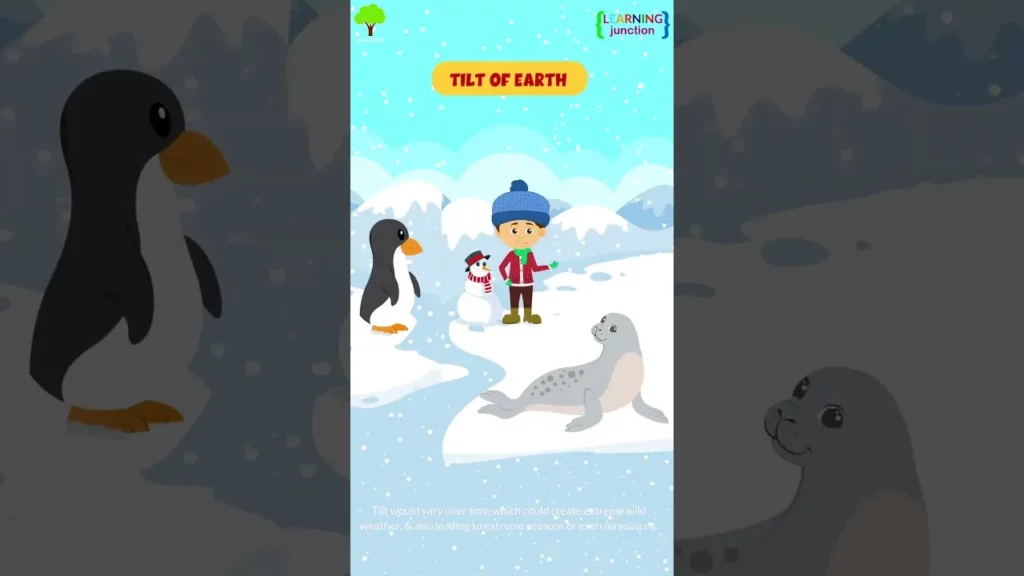
The lesson explores the significant impacts on Earth if the Moon were to suddenly disappear, highlighting changes such as darker nights, the absence of eclipses, and shorter days. It also discusses the effects on tides, Earth’s axial stability, animal behavior, and scientific exploration, emphasizing the Moon’s crucial role in maintaining balance in our planet’s system. Ultimately, the lesson reminds us of the Moon’s importance and the wonders it brings to our lives.
What to do if you’re feeling hot or cold?-Easy remedies when u suddenly feel hot or cold #ytshorts
This lesson provides practical remedies for managing discomfort from temperature fluctuations, whether feeling hot or cold. To warm up when feeling cold, layering clothing and using blankets are effective strategies, while staying hydrated and changing into dry clothes can help cool you down when feeling hot. Additionally, engaging in relaxing activities like yoga or deep breathing can aid in maintaining comfort and balance in both situations.
life cycle of plants for kids – Stages of Plant Life Cycle
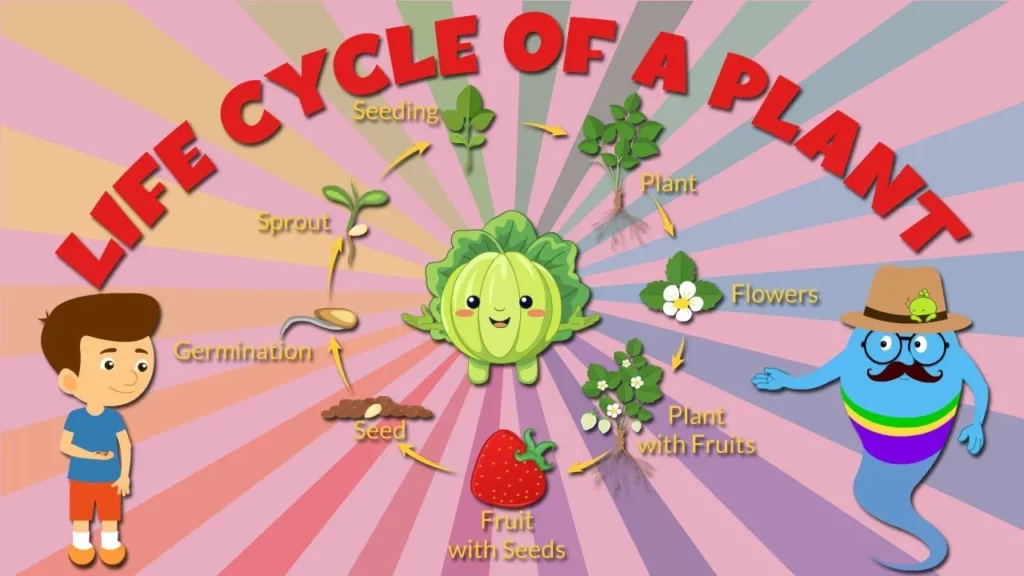
In this lesson, children learn about the life cycle of plants, which begins with a seed and progresses through stages such as germination, seedling growth, maturity, flowering, and seed dispersal. Each stage is essential for the plant’s development, from the seed’s germination into a seedling that grows roots and leaves, to the formation of flowers that facilitate pollination and seed production. Understanding this cycle highlights the importance of plants in our environment and encourages kids to appreciate and care for nature.
Ancient Egypt – Amazing Facts About Life in Ancient Egypt
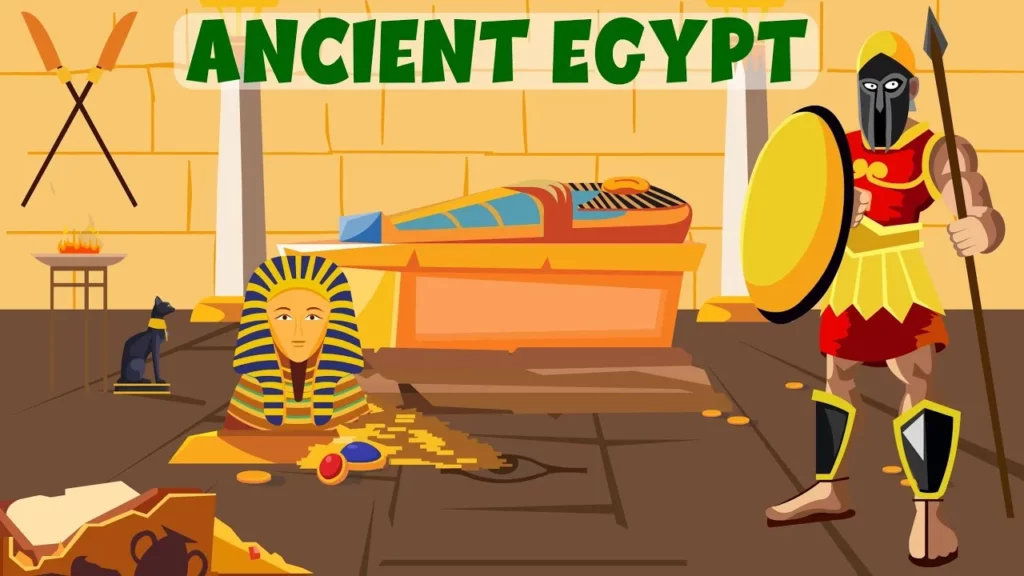
The lesson explores the rich history and culture of ancient Egypt, highlighting its significance as a powerful civilization along the Nile River from 3150 BC to 30 BC. Key topics include the importance of agriculture, the rights of women, the division of history into three main periods, and notable achievements such as the invention of hieroglyphics and the construction of impressive pyramids. Fun facts about daily life, including the use of makeup and the invention of the calendar, further illustrate the uniqueness of this ancient society.
What if animals had no tails? – Why do animals have tails?
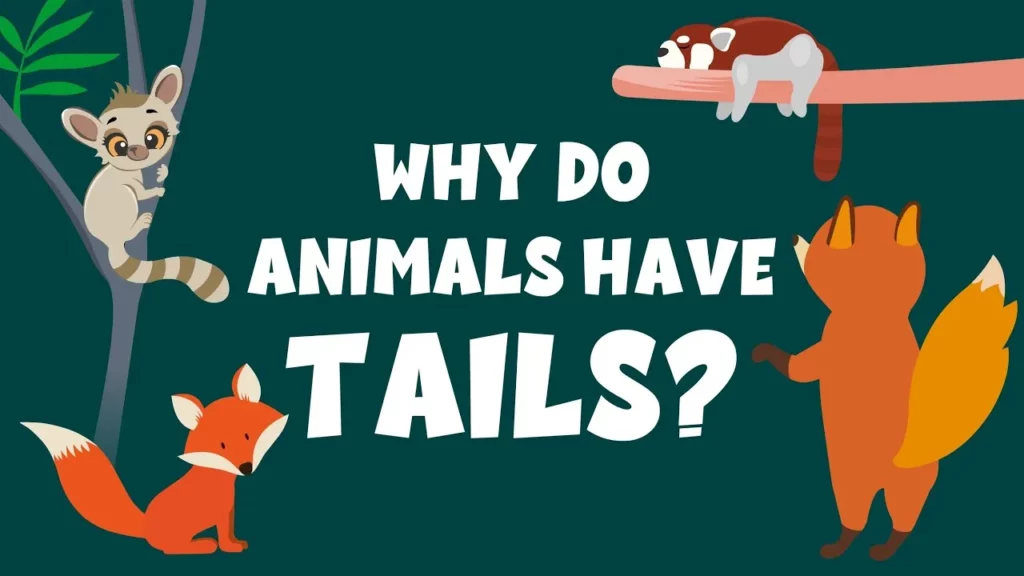
In this lesson, we explored the various functions of animal tails, highlighting their importance in balance, movement, defense, warmth, and communication. Tails serve as tools for animals to navigate their environments, protect themselves from predators, and express emotions. Understanding these roles helps us appreciate the unique adaptations of different species.
Lunar eclipse – What are lunar eclipses and how do they occur? #eclipse #ytshorts #shortvideo
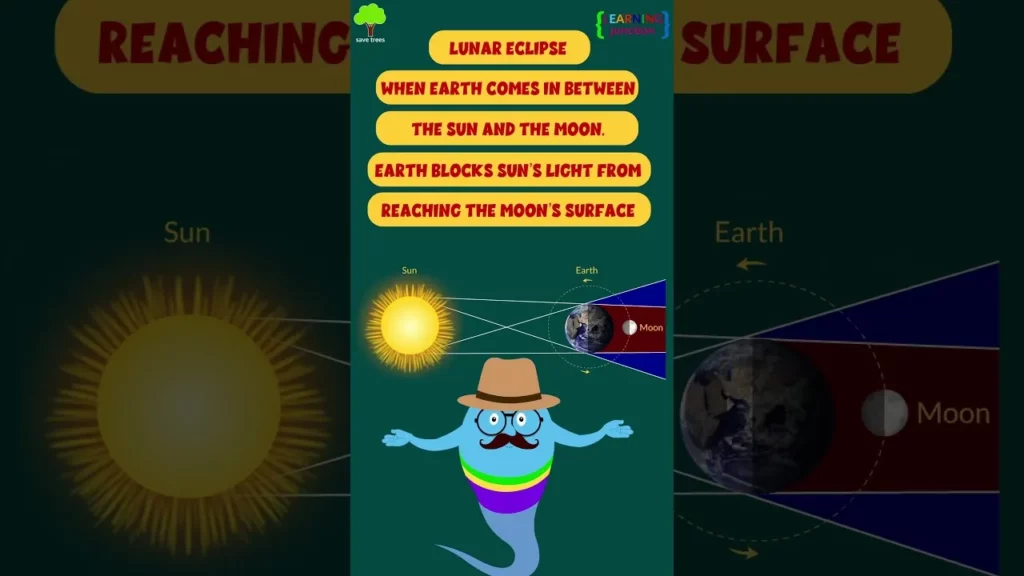
A lunar eclipse occurs when the Earth aligns directly between the Sun and the Moon, blocking sunlight and casting a shadow on the Moon, which can result in a reddish hue known as a “Blood Moon.” There are three types of lunar eclipses: total, partial, and penumbral, each varying in the extent of the Moon’s coverage by Earth’s shadow. These events are not only visually stunning but also provide valuable insights for scientists studying the Moon and our solar system.
What If Humans Had the Super Senses of Animals? – super senses of animals?
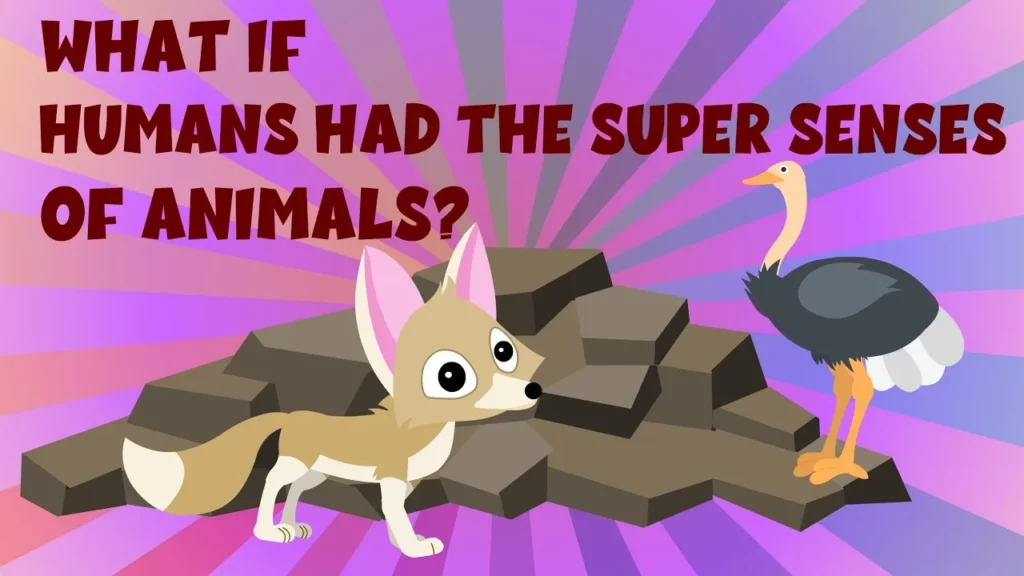
In this lesson, we explored the idea of what life would be like if humans possessed the extraordinary senses of various animals. We learned about the incredible abilities of dogs’ sense of smell, eagles’ sharp eyesight, moths’ acute hearing, and more, highlighting how these super senses could enhance our perception of the world around us. By imagining these abilities, we gain a deeper appreciation for the unique adaptations found in the animal kingdom.
What if the world became vegetarian? – Vegetarian vs Non Vegetarian Diet
The lesson explores the potential impacts of a global shift to vegetarianism, highlighting benefits such as reduced greenhouse gas emissions, improved animal welfare, lower health care costs, and better water conservation. It also addresses concerns about nutrient intake and the possible disruption of the food chain due to an increase in domesticated animals. Ultimately, the lesson emphasizes the importance of choosing a diet that aligns with individual values and lifestyles.
Invention of Camera – History of the Camera – When was Photography Invented?
In this lesson, we explored the history of the camera, beginning with the invention of the camera obscura by Alhazen in the 4th century BC, which laid the groundwork for image capture. We traced the evolution from early photographic devices, like Joseph Nicéphore Niépce’s first camera in 1816, to significant advancements such as the Kodak Number One camera in 1888 and the development of digital cameras in the 1970s, culminating in modern DSLRs and mirrorless cameras. The lesson highlights how cameras have transformed over time, making photography accessible and convenient for everyone.