
Invention of Wheels – History of Wheels – How did the Wheel Come into Existence? Learning Junction
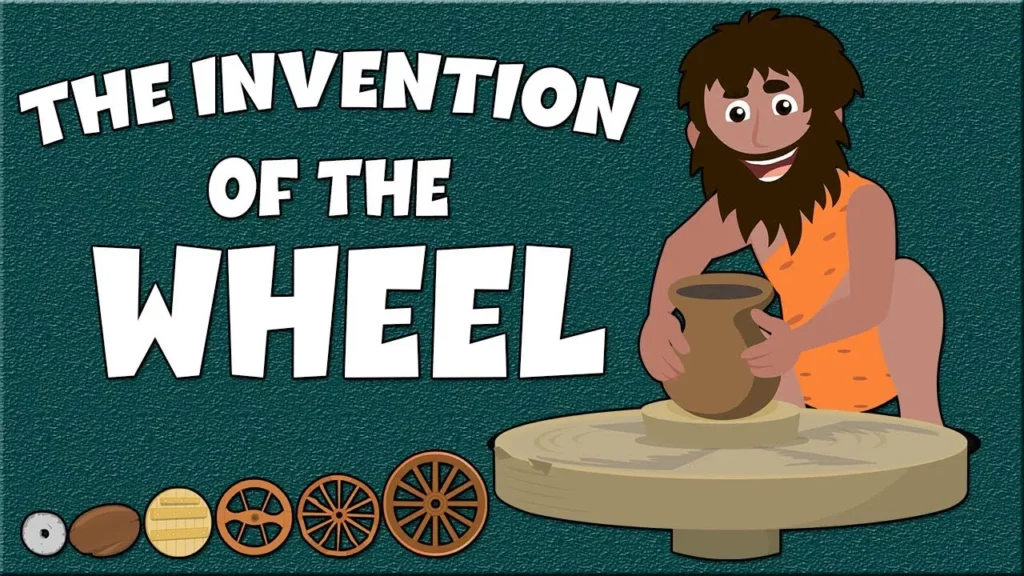
In this lesson, we explored the fascinating history of the wheel, starting from its early use by humans who created sleds to transport heavy loads with the help of animals. The first wheels, developed by potters in Mesopotamia around 5,500 years ago, evolved over time with innovations such as the axle and the introduction of metal, leading to the modern wheels we use today on various vehicles. Understanding the wheel’s development highlights its crucial role in transportation and technology throughout history.
Invention of Cheese – A Brief History of Cheese – Who invented cheese?
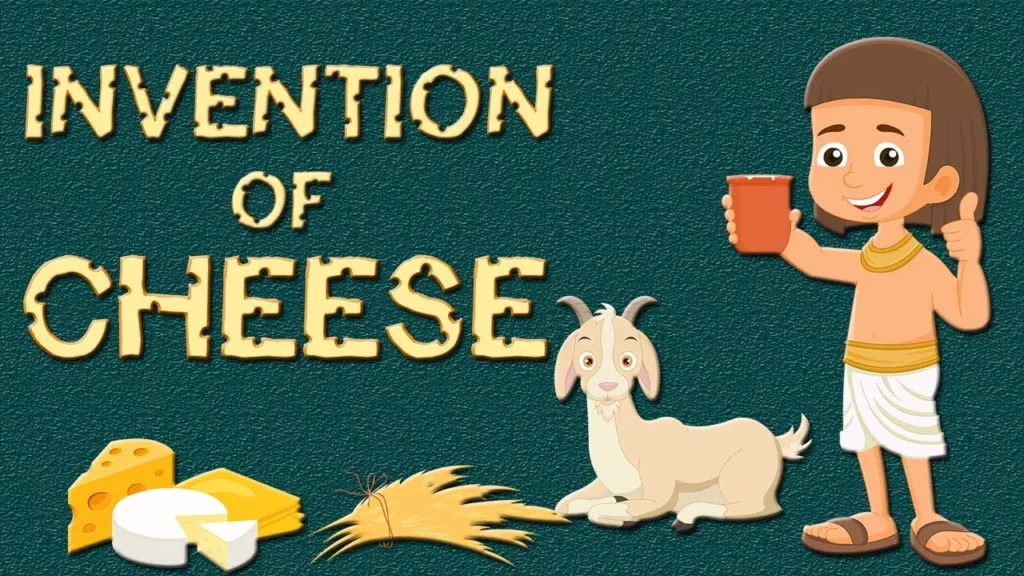
The lesson explores the intriguing history of cheese, tracing its origins back to around 8,000 BCE when early farmers first discovered that sour milk could form edible clumps, leading to the creation of cheese. It highlights the nutritional benefits and long shelf life of cheese, which contributed to its popularity and spread across various cultures, from ancient Egypt to Rome and beyond. Today, cheese is a beloved food worldwide, with billions of kilograms produced annually.
Invention of Electricity? – Discovery of Electricity
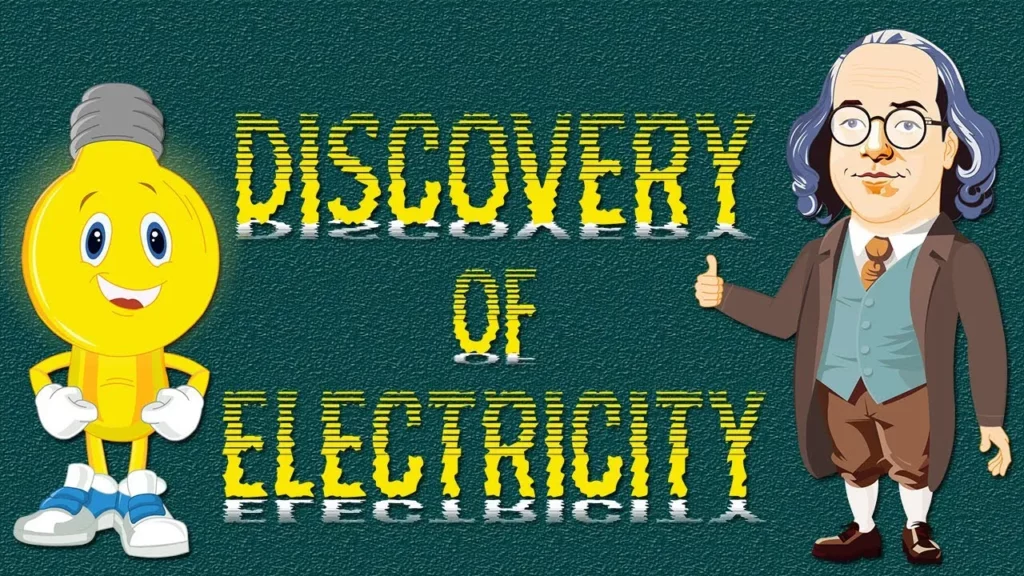
In this lesson, we explored the discovery of electricity, highlighting that it was not invented but rather discovered by various scientists, with Benjamin Franklin being a key figure in the 1700s. Franklin’s famous kite experiment during a thunderstorm demonstrated that lightning is a form of electricity, paving the way for further advancements, including Thomas Edison’s invention of the electric light bulb in 1879. Ultimately, the lesson emphasizes the importance of electricity in our daily lives and its remarkable speed of travel.
Hot and Cold – Hot Flashes and Cold Flashes – Sensing Temperature
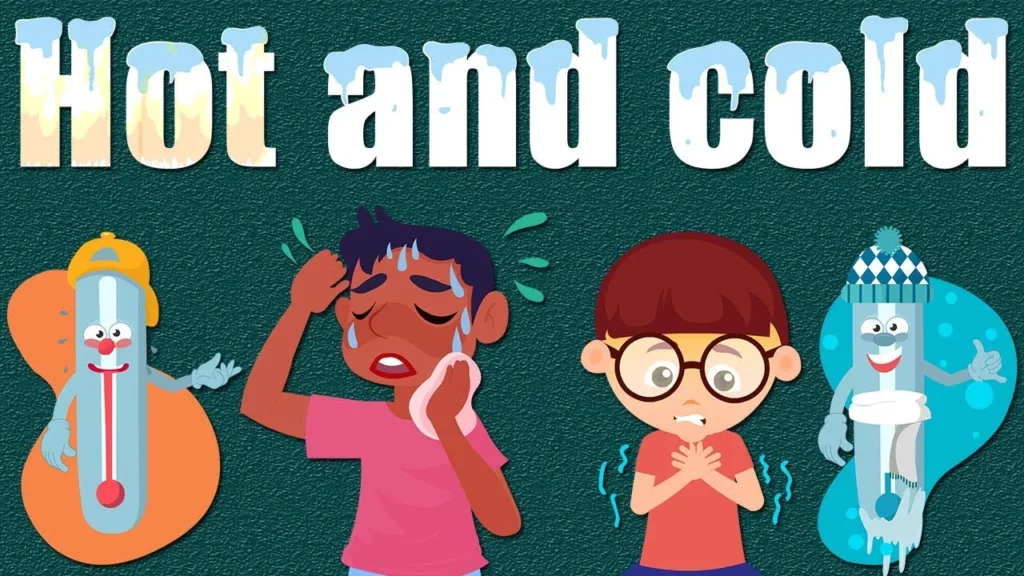
In this lesson, we explored how our bodies perceive temperature through specialized sensors called thermo receptors located in the dermis layer of the skin. We discussed the reasons behind sudden hot and cold flashes, including conditions like anemia and hyperthyroidism, and provided simple remedies to manage these sensations. Understanding these concepts helps us better recognize and respond to our body’s temperature signals.
Invention of Engine – How is petroleum formed?
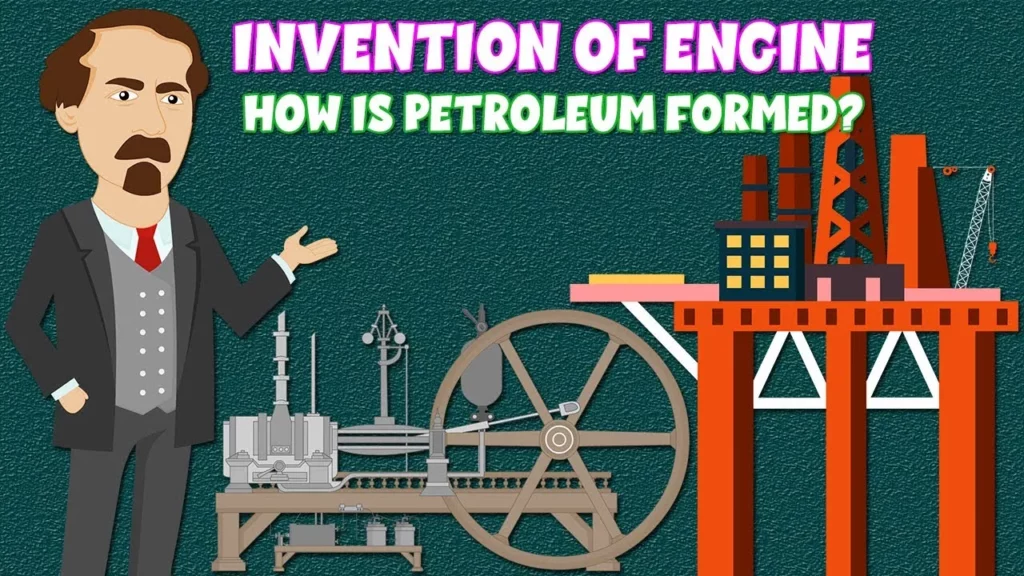
In this lesson, we explored the origins and development of petrol, tracing its formation from ancient sea creatures that transformed into crude oil over millions of years. We learned about Edwin Drake’s groundbreaking oil well in 1859, which marked the beginning of the modern petroleum industry, and the subsequent innovations by inventors like Siegfried Marcus and Carl Benz that led to the creation of gasoline-powered vehicles. This fascinating journey highlights the significant role petroleum plays in our daily lives and the technological advancements that have stemmed from it.
What Is Biodiversity? – Definition, Types And Importance – Biological diversity
In this lesson, we explored the concept of biodiversity, which refers to the variety of all living things and their interactions within ecosystems. We learned about its three main types—genetic, species, and ecological diversity—and discussed its significance for economic resources, ecological stability, and ethical considerations. Understanding biodiversity is essential for maintaining a healthy planet and ensuring the survival of various species, including humans.
Why Do You Get Goosebumps? – Here Is All You Need To Know About Goosebumps

The lesson explores the phenomenon of goosebumps, also known as piloerection, which occurs when tiny muscles under the skin tighten, causing hair to stand up and creating small bumps. This reaction, triggered by fear, cold, or strong emotions, was beneficial for our ancestors by helping them retain warmth and appear more intimidating to threats. While goosebumps are generally a normal response, frequent or unusual occurrences may warrant a consultation with a doctor.
What if the MOON disappeared? – Can we survive without the moon?
In this lesson, we explored the significant impact of the Moon on life on Earth and what would happen if it suddenly disappeared. Without the Moon, nights would be much darker, we would lose the phenomenon of eclipses, and Earth’s rotation could speed up, resulting in shorter days. Additionally, the absence of the Moon would weaken ocean tides, disrupt seasonal changes, affect animal behaviors, and hinder scientific exploration.
What if animals could talk? – Is it possible for animals to talk? #kids
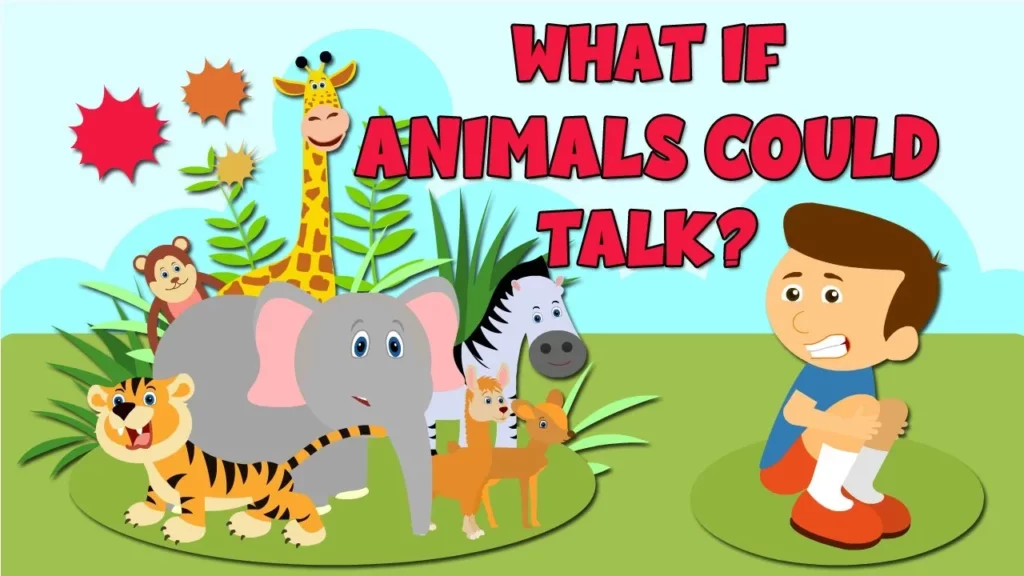
In this lesson, we explored the imaginative concept of what life would be like if animals could talk, considering how it would transform their rights, interactions with humans, and societal roles. If animals could express their thoughts and feelings, it could lead to significant changes in how we treat them, potentially granting them rights and altering our food systems and workplaces. However, the lesson also highlights the biological limitations that prevent animals from communicating like humans, emphasizing the differences in anatomy and cognitive abilities.
Why Are U Always Hot? – Hot flashes – Symptoms & causes – Reasons for always being hot #shortvideo
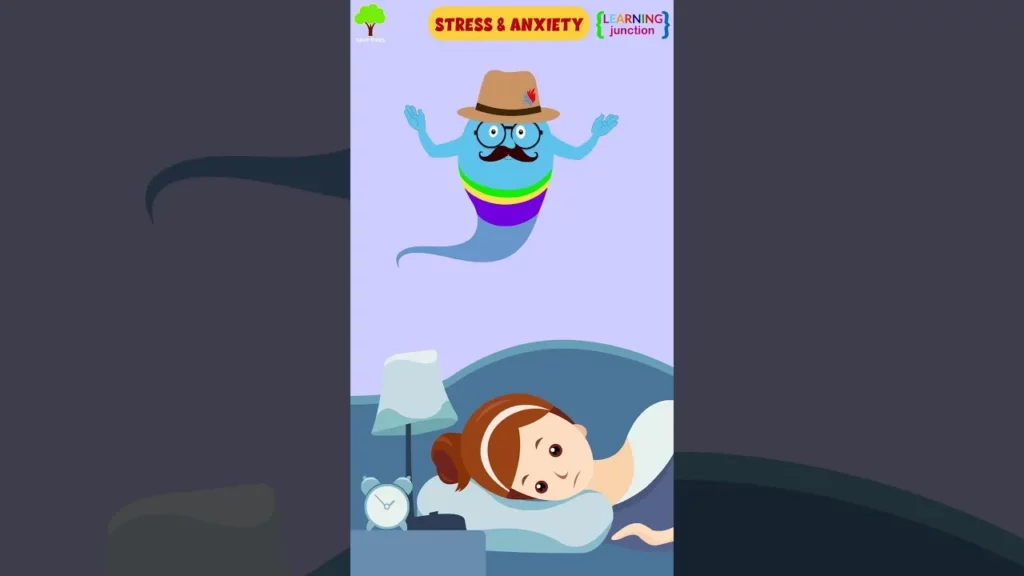
This lesson explores the various reasons behind feeling unusually hot, including thyroid issues, stress and anxiety, caffeine consumption, and body weight. By understanding these factors, individuals can better manage their discomfort through hydration, appropriate clothing, and seeking medical advice when necessary. Recognizing the causes of heat sensations can empower individuals to take proactive steps to stay cool and comfortable.