
What is Gravity? – Newton’s Law of Universal Gravitation – Einstein’s Theory of Gravity
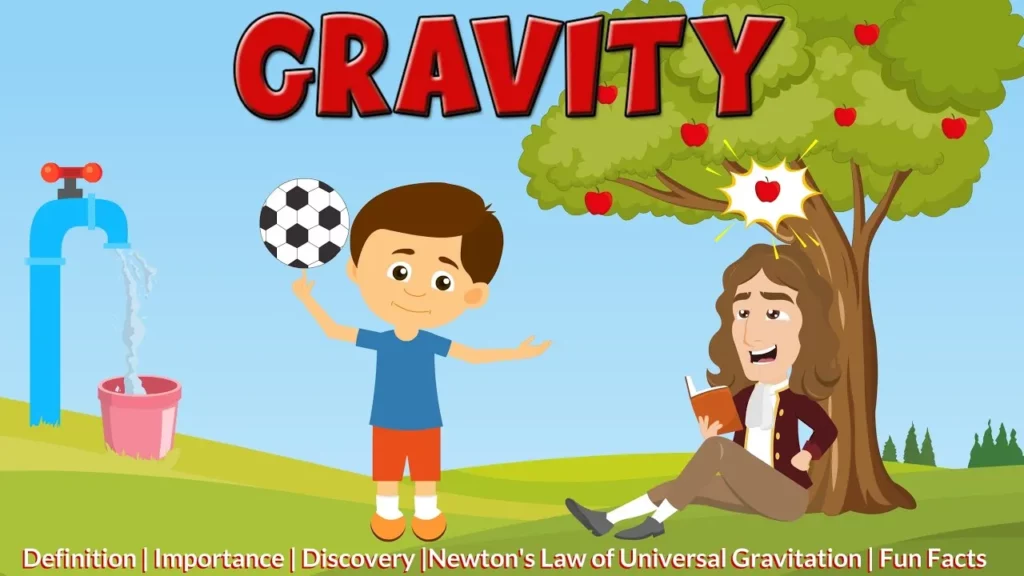
This lesson introduces the concept of gravity, explaining it as the force that pulls objects toward the ground and keeps us anchored to Earth. It highlights the contributions of scientists like Isaac Newton, who formulated the universal law of gravitation, and Albert Einstein, who described gravity as a curvature of space and time. The lesson emphasizes gravity’s essential role in our daily lives, from keeping the atmosphere intact to influencing the orbits of celestial bodies.
Food Chain – How plastic has entered the food chain? – Microplastics
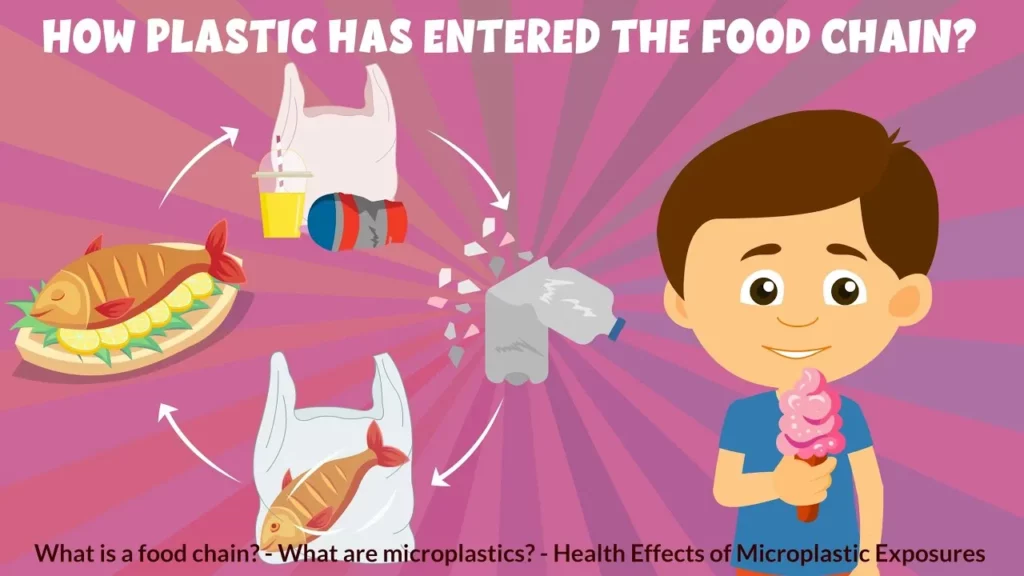
In this lesson, we explored how plastic, particularly in the form of microplastics, has infiltrated the food chain, impacting both terrestrial and marine ecosystems. Microplastics can enter our food supply through contaminated soil and seafood, posing health risks to humans and animals alike. Efforts to combat plastic pollution, such as legislation and improved waste management, are crucial for protecting the environment and ensuring a healthy food chain.
Crop Production and Management – Types of Crops
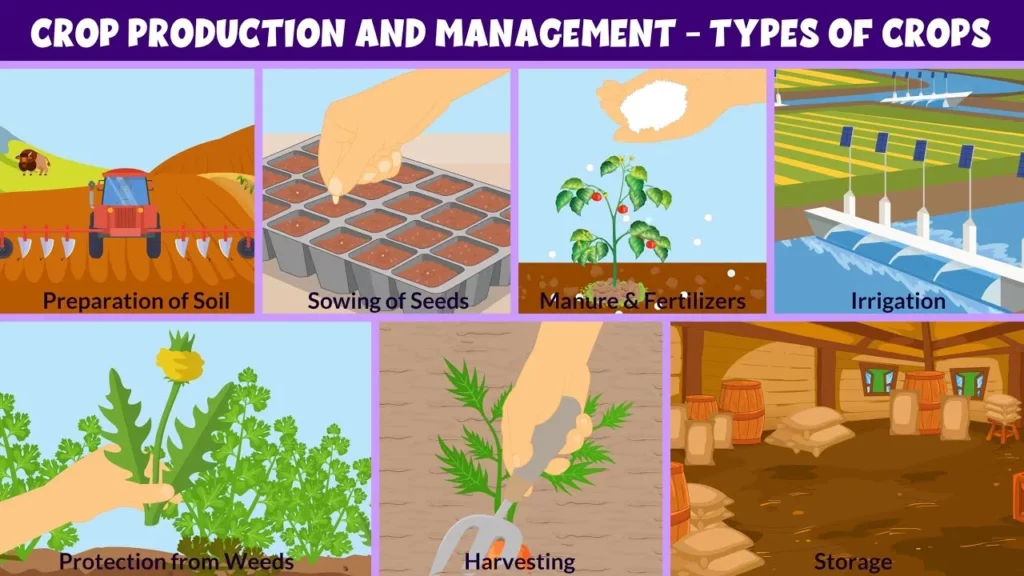
In this lesson on crop production and management, we explored the different types of crops, including food crops, cash crops, plantation crops, and horticultural crops. We also learned the essential steps in crop production, which include soil preparation, sowing seeds, adding nutrients, irrigation, weed protection, harvesting, and proper storage. Understanding these processes helps us appreciate how farmers grow and manage crops for consumption and sale.
What if a lizard falls in your food? | Lizard is Poisonous? | House Lizards or House Geckos
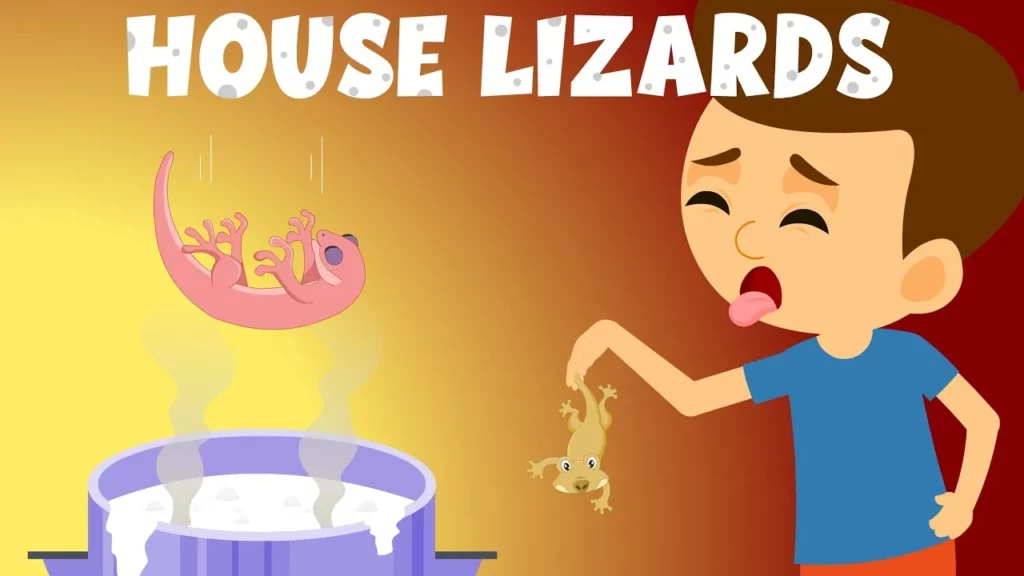
In this lesson, we explored house lizards, also known as house geckos, which are common reptiles found in many homes. We learned about their physical characteristics, diet, and unique abilities, such as their sticky feet and the ability to drop their tails for escape. While house lizards are not poisonous, it’s advisable to discard any food they touch due to potential bacteria, and we discussed methods to keep them away from our living spaces.
Motion and Speed – Definition, Formula, Types, and Examples
In this lesson, we explored the concepts of motion and speed, defining motion as the change in position over time and categorizing it into three main types: linear, rotatory, and oscillatory. We also discussed speed, which measures how fast an object moves, distinguishing between uniform and non-uniform speed, and introduced the formula for calculating average speed as distance divided by time.
What if a cockroach bites you? – cockroach life cycle – Fun facts about roaches
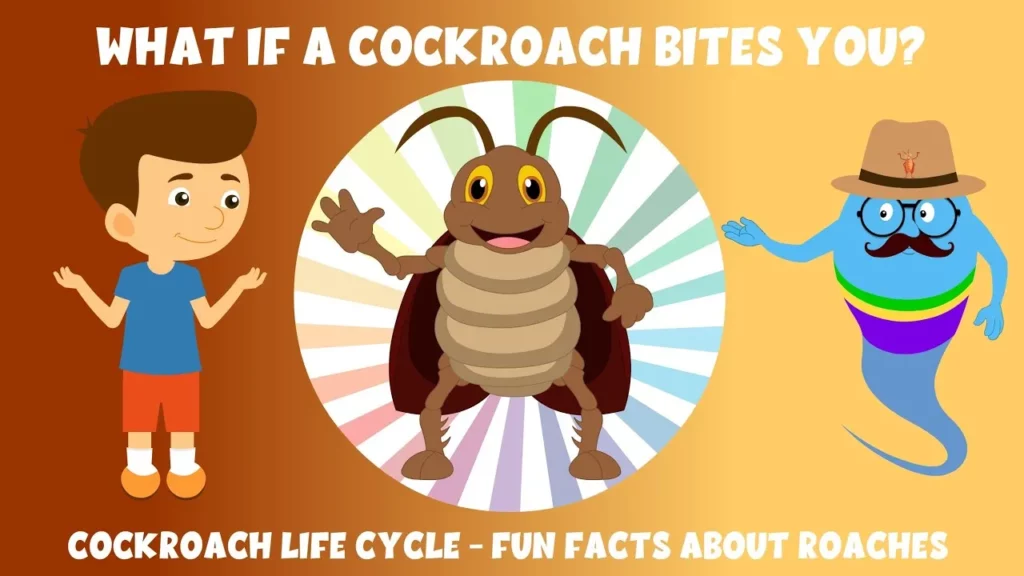
In this lesson, we explored the fascinating world of cockroaches, including their long history, physical characteristics, and life cycle, which consists of three stages: eggs, nymphs, and adults. We also learned some fun facts about these resilient insects, such as their ability to survive without food for weeks and their unique blood composition. Additionally, the lesson provided guidance on how to handle a cockroach bite and tips for keeping these pests at bay.
Animals and their homes | Animals home | Video for Kids | Learning Junction
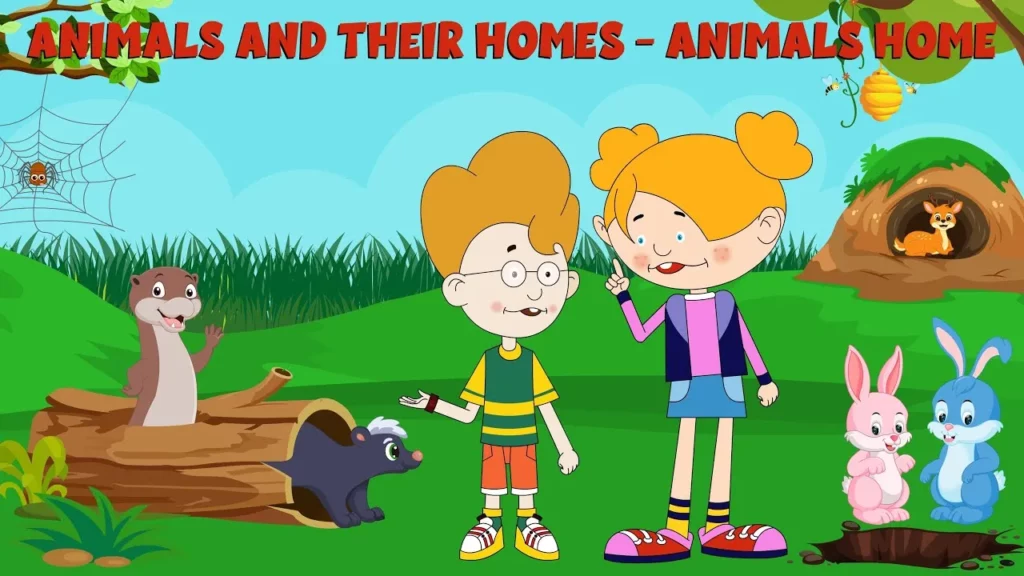
In today’s lesson, we explored the various homes that animals inhabit, highlighting how these shelters provide safety and comfort, much like our own homes. We learned about different types of animal homes, such as barns, doghouses, and caves, each uniquely suited to the needs of the animals that live in them. Understanding these diverse habitats helps us appreciate the ways animals adapt to their environments for survival.
Series and Parallel Circuits – Removing a Bulb
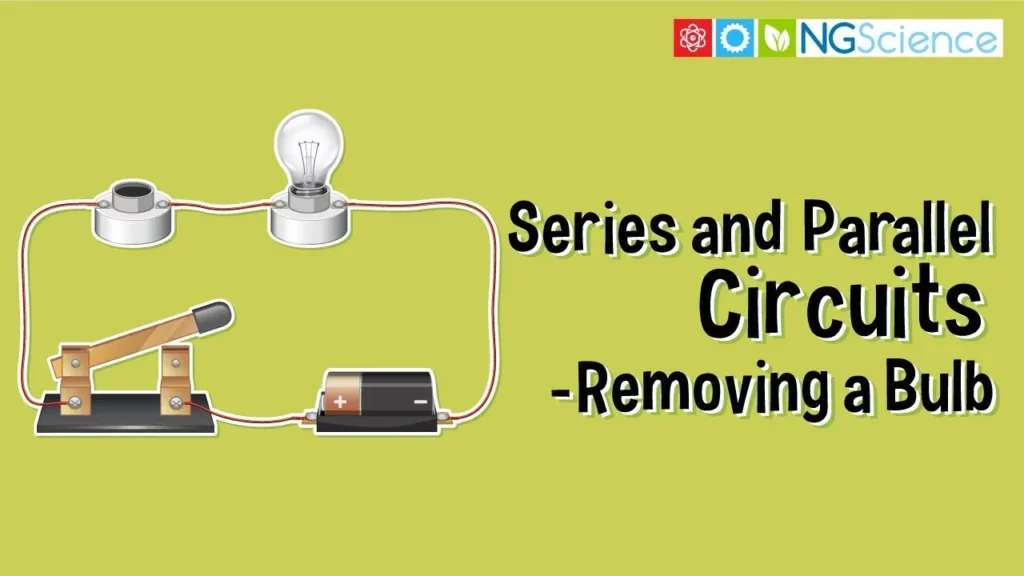
This lesson explains the differences between series and parallel circuits, particularly focusing on the effects of removing a bulb from each type. In a series circuit, removing one bulb breaks the circuit and causes all bulbs to go out, while in a parallel circuit, other bulbs remain lit because they have their own paths to the power source. Understanding these concepts is crucial for designing effective electrical systems, such as home lighting, where parallel wiring is commonly used to ensure that not all lights go out if one bulb fails.
Gravitational Force
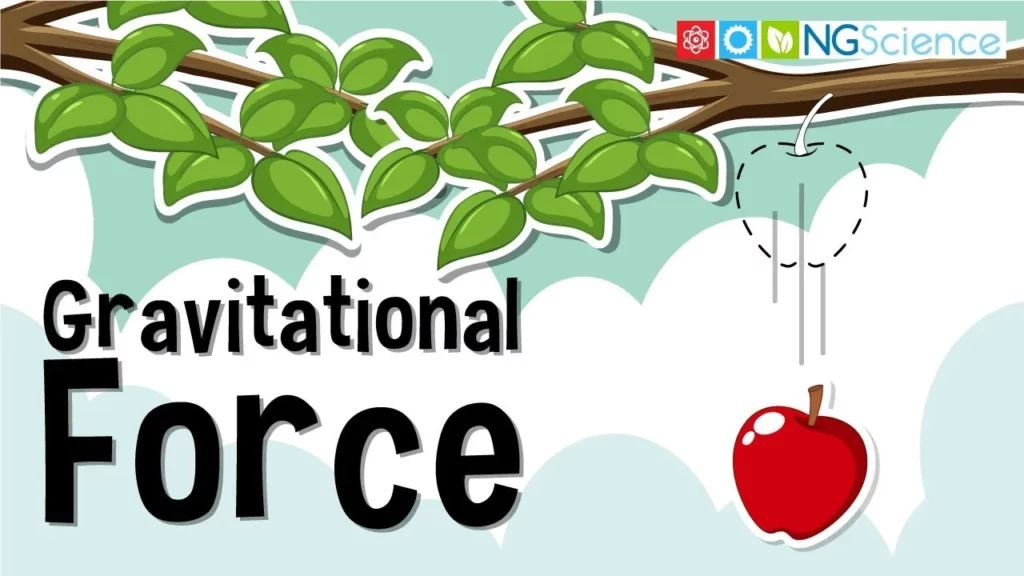
The lesson on gravitational force explains that gravity is an invisible force that pulls objects towards each other, with its strength depending on the mass of the objects involved. It highlights how gravity influences everyday activities, such as skiing and playing tennis, and emphasizes its crucial role in keeping planets in orbit and enabling life on Earth. Additionally, it notes the unique experience of astronauts in space, where they encounter minimal gravity, resulting in a sensation of weightlessness.
Classification of Animals
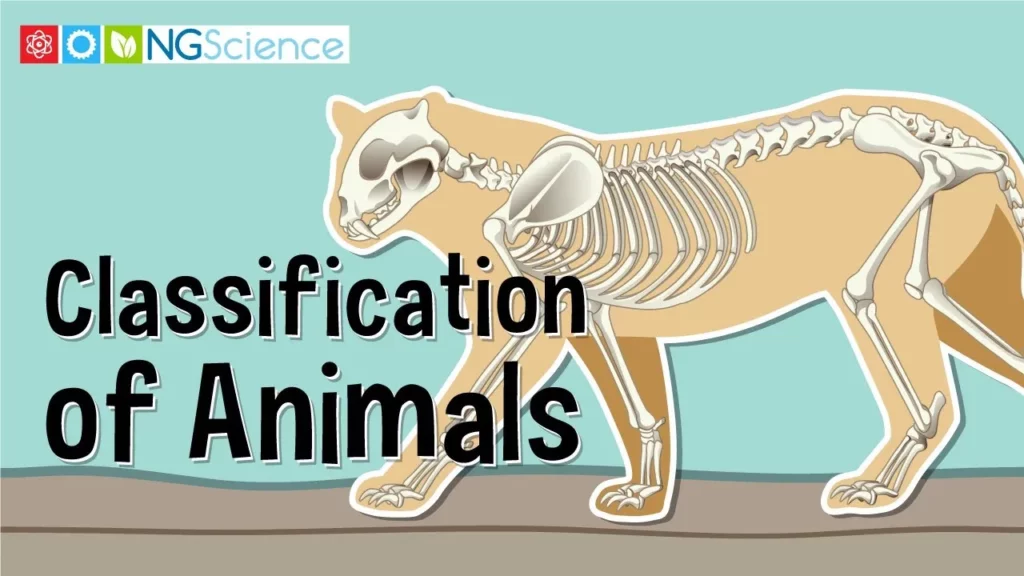
In this lesson on the classification of animals, students learn that scientists group animals based on shared characteristics, primarily focusing on the presence or absence of a backbone. Vertebrates, which include mammals, birds, reptiles, and fish, have backbones, while invertebrates, such as jellyfish, worms, and insects, do not. The lesson emphasizes that the majority of animals on Earth are invertebrates, highlighting the diversity within this classification.