
Describing Motion
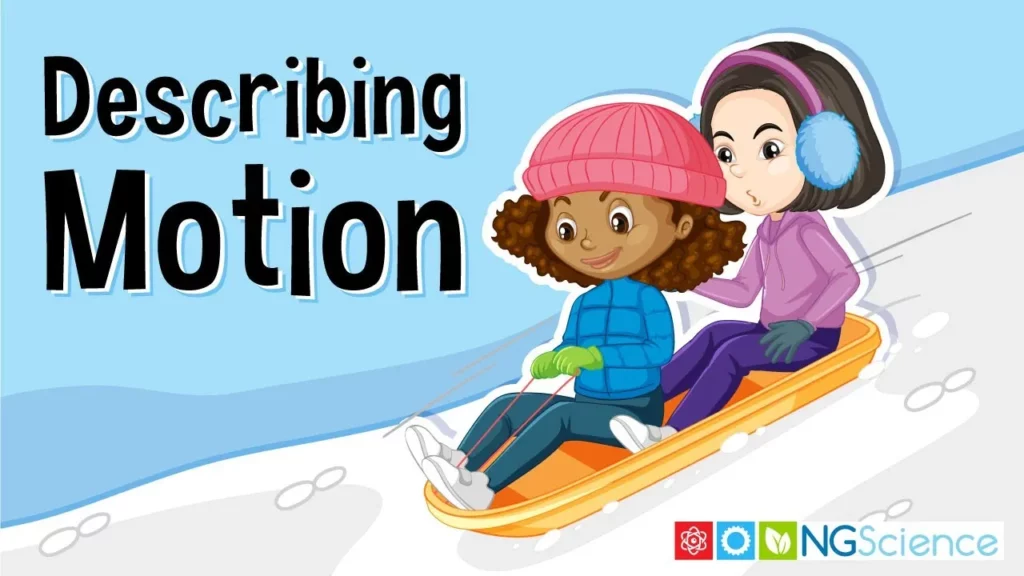
The lesson on “Describing Motion” explains that motion occurs when an object changes its position, and it can be observed in various forms, such as an airplane flying straight up, a swing moving back and forth, a seesaw going up and down, or a carousel spinning in circles. It encourages students to think of additional examples of motion in everyday life, highlighting the diverse ways in which objects can move.
What’s the Weather Like?
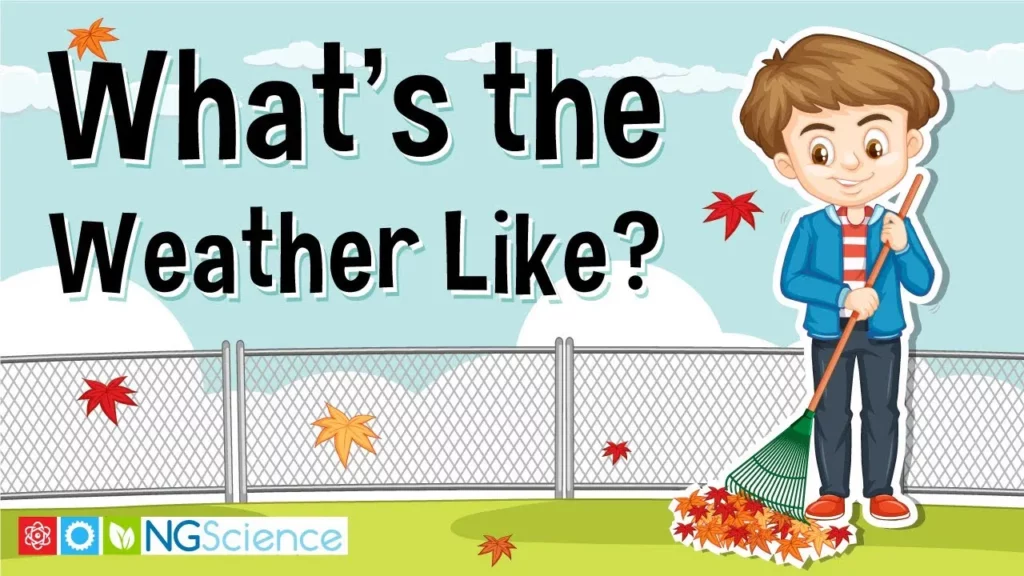
The lesson “What’s the Weather Like?” introduces students to different types of weather, including sunny, cloudy, windy, rainy, and snowy days, and how each affects our daily activities and clothing choices. It emphasizes the importance of observing the weather to plan fun outdoor activities and encourages students to enjoy whatever weather they encounter.
What Are Living and Non-living Things?
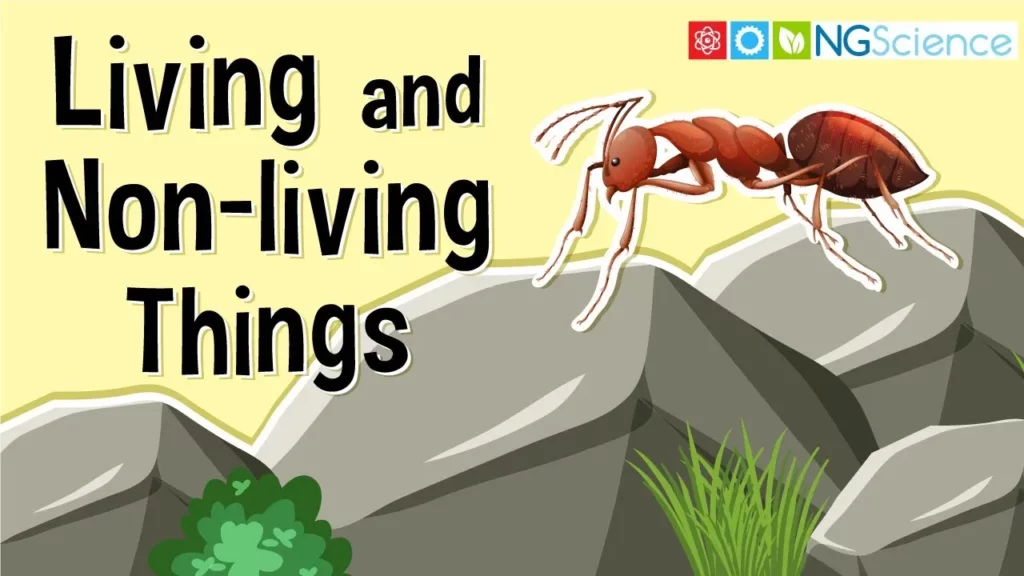
In this lesson, students explore the differences between living and non-living things by imagining a visit to the zoo. They learn that living things, like animals and plants, are alive and grow over time, while non-living things, such as toys and rocks, do not grow or require food. The lesson encourages curiosity and observation of the world around them.
Rain Forest Animals
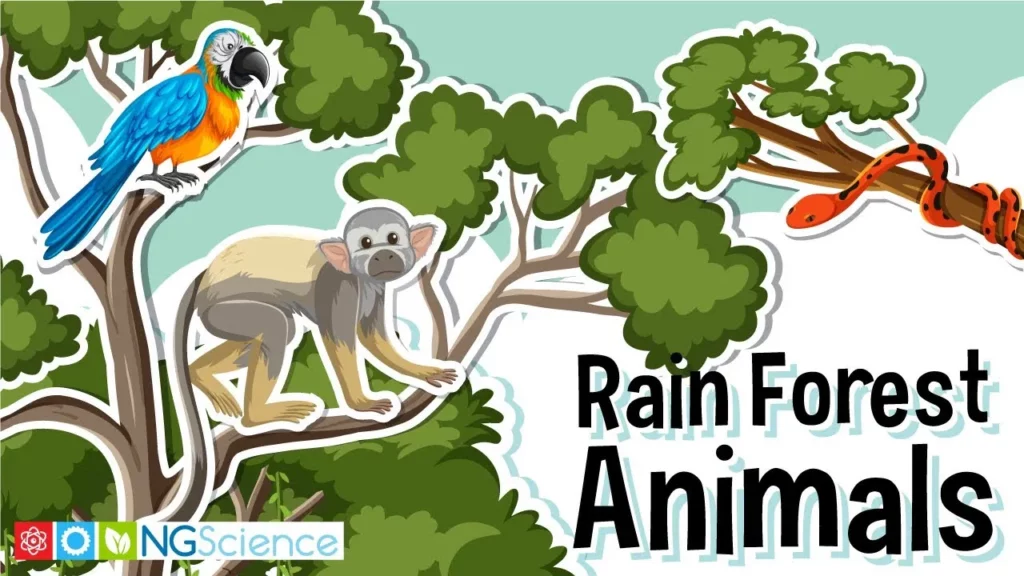
In this lesson about rainforest animals, students explore the diverse wildlife that inhabits this warm and wet environment. They learn about various animals, including deer, monkeys, snakes, spiders, parrots, tigers, and frogs, highlighting their unique behaviors and habitats. The lesson also encourages students to think about other animal habitats beyond the rainforest, such as oceans and deserts.
Seasons
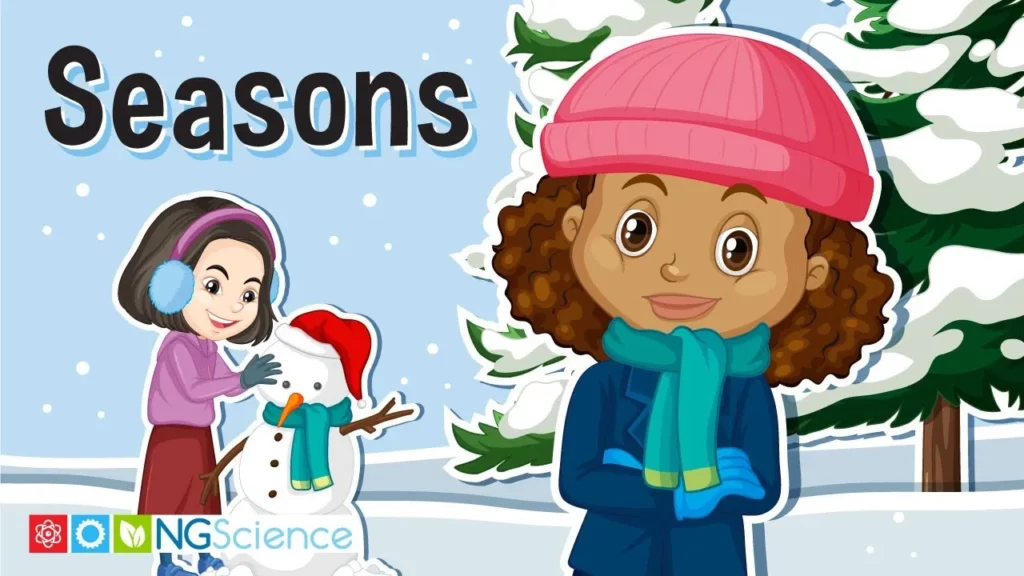
The lesson on seasons explains the four distinct times of the year: spring, summer, fall, and winter, each characterized by unique weather patterns and changes in nature. Spring brings warmth and new growth, summer offers sunny days for outdoor activities, fall showcases colorful leaves, and winter is marked by cold weather and snow. The lesson encourages reflection on personal preferences for each season and highlights the special experiences they provide.
Volcanic Eruptions
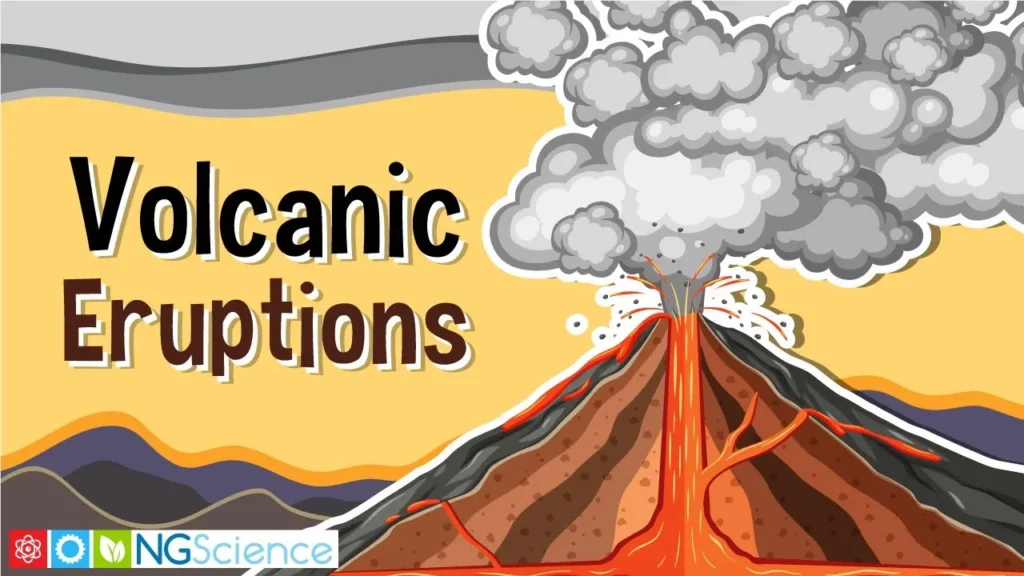
This lesson introduces the concept of volcanic eruptions, explaining that a volcano is an opening in the Earth’s surface where magma escapes, turning into lava during an eruption. It highlights the transformative power of volcanoes, which can create new landforms and enrich soil, making them significant to Earth’s geology and ecology. Additionally, it shares a fun fact about the origin of the word “volcano,” linking it to the Roman god of fire.
Pushes and Pulls
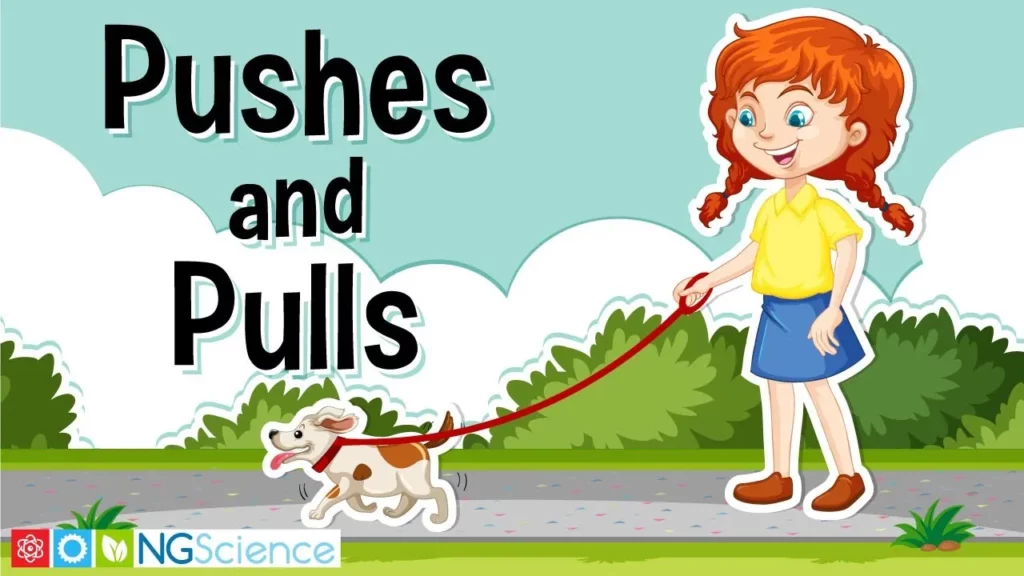
In the lesson “Pushes and Pulls,” students learn about the two fundamental types of forces that cause movement: pushes, which move objects away, and pulls, which bring objects closer. Through relatable examples like throwing a ball or picking up a bag, the lesson illustrates how these forces are present in everyday activities. The lesson encourages students to explore their surroundings and identify instances of pushes and pulls in their daily lives, fostering a deeper understanding of the concept of forces.
What do animals need to live grow and stay healthy?
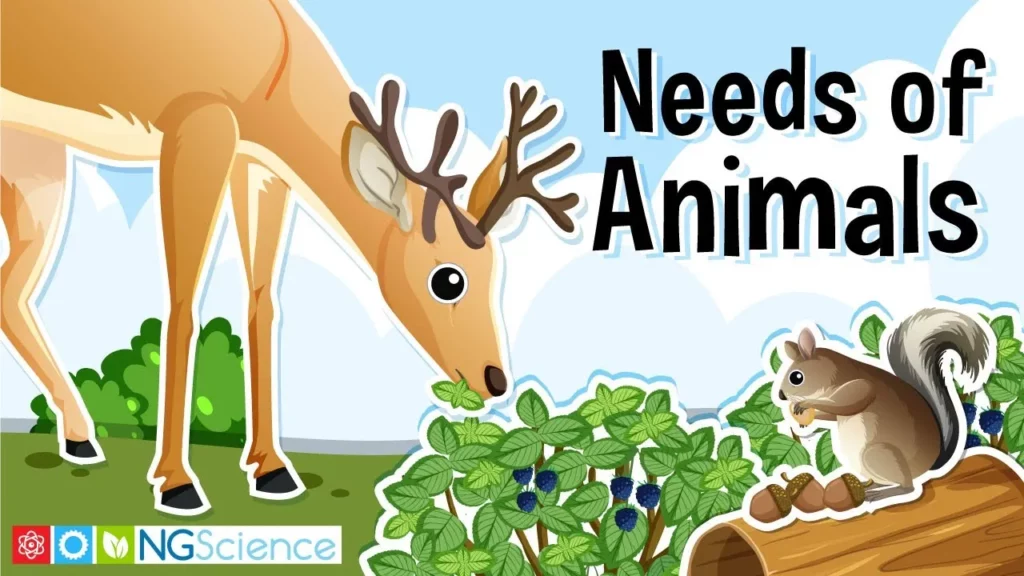
In this lesson, students learn that animals require three essential resources to live and grow: food, water, and air. Different animals have unique ways of obtaining these necessities, such as herbivores eating plants and carnivores eating other animals, while wild animals find water in natural sources and pets rely on humans. The lesson encourages engagement through a fun game of identifying animals and their needs, reinforcing the idea that all living beings share similar requirements for survival.
Our Solar System
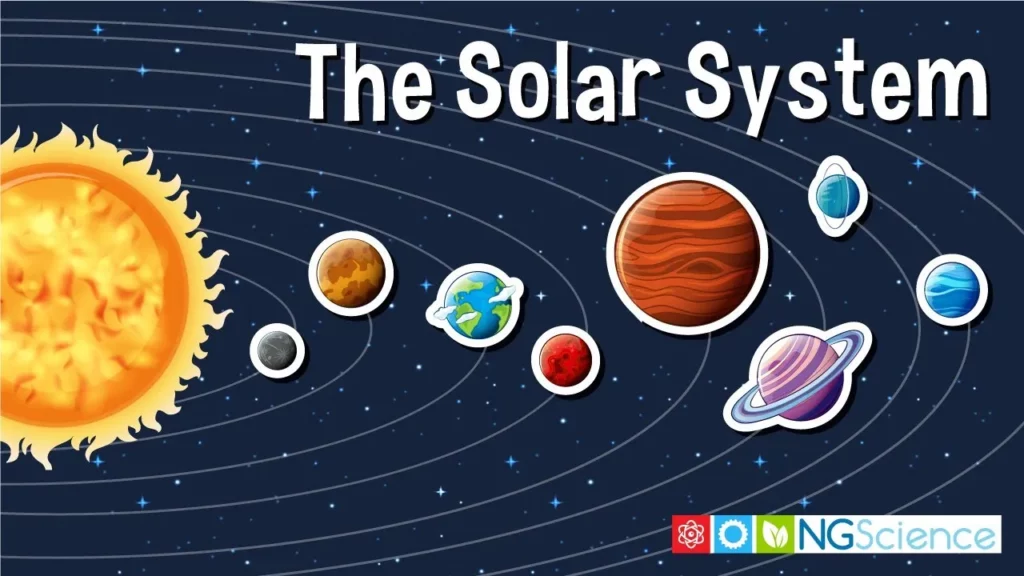
In this lesson, we explored our solar system, which consists of the Sun and a variety of celestial bodies, including eight planets divided into two categories: the inner terrestrial planets (Mercury, Venus, Earth, and Mars) and the outer gas giants (Jupiter, Saturn, Uranus, and Neptune). The inner planets are rocky, while the outer planets are primarily composed of gases, with Uranus and Neptune classified as ice giants due to their cold temperatures and icy compositions. The lesson encourages curiosity about the universe and highlights the unique features of each planet, such as Saturn’s stunning rings.
How to Wash Your Hands
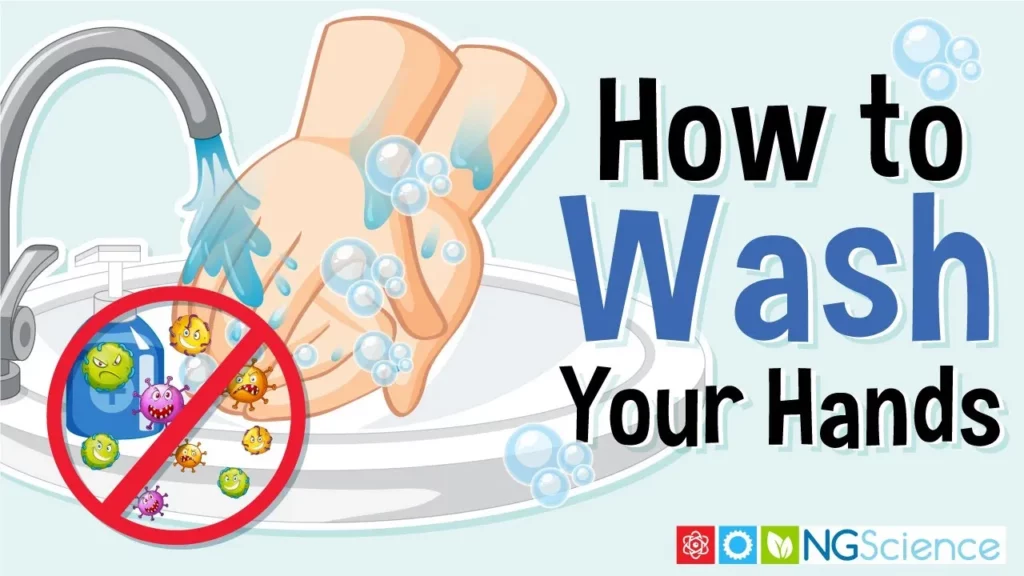
In this lesson, we learn the proper steps for washing hands to ensure they are clean and free of germs. The process includes wetting hands, adding soap, scrubbing for 20 seconds, rinsing off the soap, and drying hands thoroughly. Emphasizing the importance of handwashing, the lesson concludes by highlighting its role in maintaining health and hygiene.