
Lighthouse Lab – Life Cycle of a Frog
In this lesson at The Lighthouse Lab, students explore the fascinating life cycle of a frog, which begins with eggs laid in water and progresses through stages of tadpole, froglet, and finally adult frog. Each stage showcases significant transformations, including the development of legs and the transition from gills to lungs, illustrating the remarkable journey of growth and change in these creatures. The lesson emphasizes the cyclical nature of life, as adult frogs eventually return to water to lay eggs, starting the process anew.
Can you name the phases of the moon?
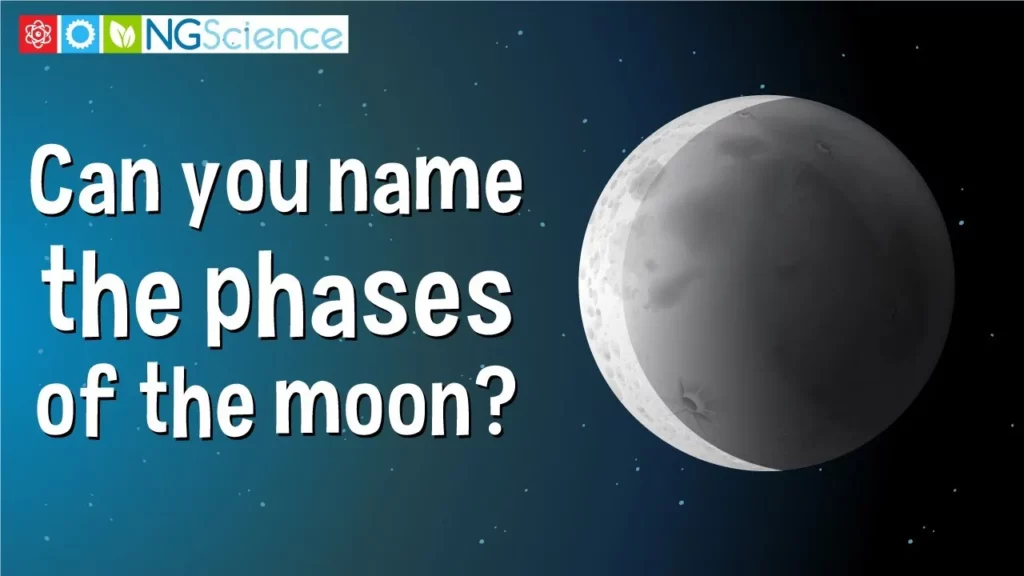
This lesson explains the phases of the moon, highlighting that the moon does not change shape but rather reflects sunlight as it orbits the Earth. The main phases include the New Moon, Waxing Crescent, First Quarter, Waxing Gibbous, Full Moon, Waning Gibbous, Last Quarter, and Waning Crescent, each representing different portions of the moon illuminated by the sun. By understanding these phases, students can better appreciate the moon’s appearance in the night sky.
What Causes Tides?
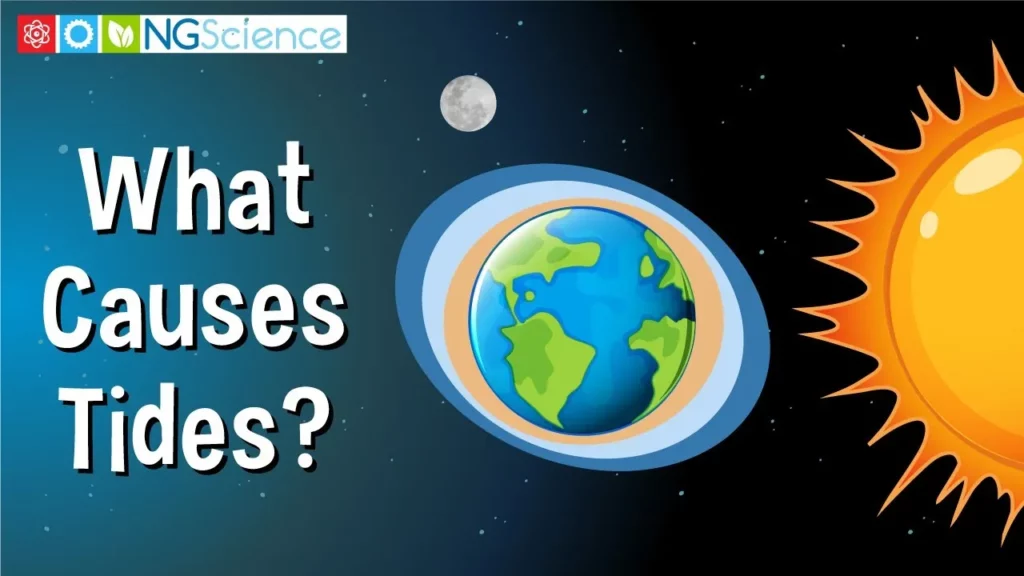
Tides are the rise and fall of sea levels primarily caused by the gravitational pull of the Moon and, to a lesser extent, the Sun. As the Moon orbits Earth, its gravity creates bulges in ocean water, resulting in high tides, while low tides occur in between these bulges. Additionally, the alignment of the Moon and Sun can lead to spring tides, which are higher than normal, while neap tides occur when they are at right angles, resulting in less extreme tidal changes. Understanding tides is crucial for navigation, marine life, and coastal flood preparation.
Day and Night Explained in One Minute
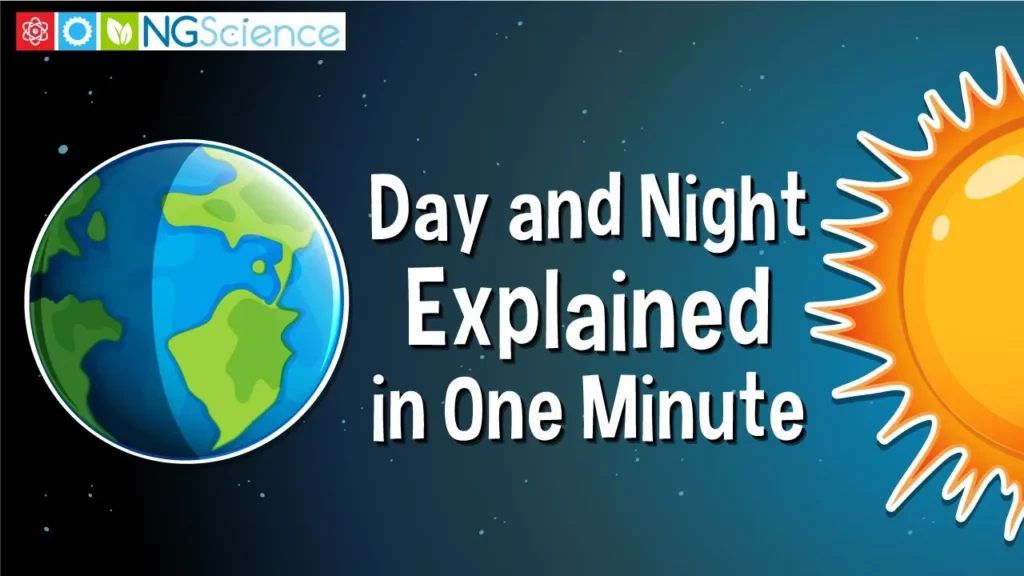
The lesson explains that day and night occur due to the Earth’s rotation on its axis, taking approximately 24 hours for a complete turn. As different parts of the Earth face the sun, it creates daytime, while the areas turned away experience nighttime. This continuous cycle is a fundamental aspect of our daily lives, ensuring the sun rises and sets consistently.
The Five Senses
In this lesson, students learn about the five senses—sight, hearing, smell, taste, and touch—and how each sense helps them experience and understand the world. The lesson encourages exploration and awareness of these senses in everyday environments, highlighting their importance in learning and discovery.
Lighthouse Lab – The Five Food Groups
In this lesson, students explored the five food groups: fruits, vegetables, grains, proteins, and dairy, learning how each group contributes to a healthy diet. They discovered the nutritional benefits of various foods, such as vitamins, minerals, and fiber, and discussed the importance of balancing these groups for overall health. The lesson also touched on treats, emphasizing moderation while enjoying them.
Heat Transfer – In a Minute
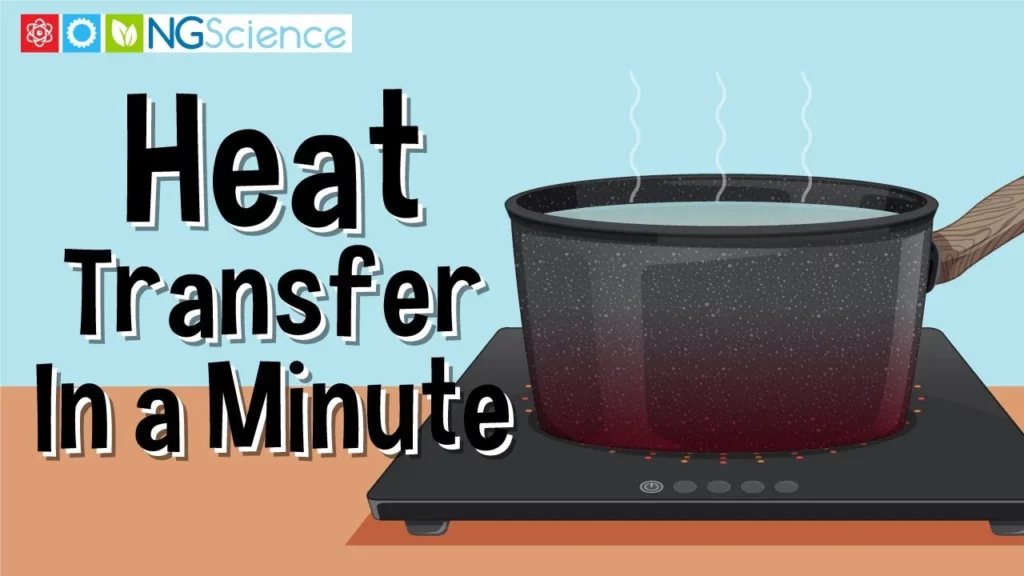
The lesson on heat transfer introduces three primary methods by which heat moves: conduction, convection, and radiation. Conduction occurs when heat transfers directly through contact, as seen when a pot sits on a hot plate. Convection involves the movement of heated water within the pot, creating a cycle that distributes heat, while radiation allows heat to travel through the air, enabling us to feel warmth from a distance, such as from the sun. Understanding these processes enhances our appreciation of energy movement in everyday life.
Lighthouse Lab – What’s the Weather Like?
In today’s lesson at the Lighthouse Lab, we explored the concept of weather, discussing how it varies from day to day and affects our activities and clothing choices. We learned to identify different weather conditions, such as sunny, rainy, windy, and snowy, and participated in an interactive game to reinforce our understanding. Thank you for joining us, and we hope to see you again soon!
Lighthouse Lab – What is Potential Energy?
In this lesson, we explored the concept of potential energy, which is the stored energy that can be converted into other forms of energy. We discussed different types of potential energy, including chemical potential energy (found in items like batteries and food), gravitational potential energy (related to an object’s height, such as a roller coaster), and elastic potential energy (seen in objects like a bow and arrow). The lesson emphasized the importance of energy in our daily lives and encouraged students to think about other examples of potential energy and its transformations.
Lighthouse Lab – The Great Apes
In this lesson from the Lighthouse Lab, students are introduced to great apes, a special group of primates that includes humans, orangutans, gorillas, chimpanzees, and bonobos. The lesson highlights the unique characteristics of great apes, such as their larger brains, lack of tails, and advanced problem-solving abilities, setting the stage for further exploration of each species in future videos.