
Lighthouse Lab – Circuits: Bulbs Arranged in Series
In this lesson at the Lighthouse Lab, students explored how to create circuits with bulbs arranged in series. They learned that adding more bulbs in a series causes each bulb to become dimmer because the total electricity from the batteries is shared among them. The lesson encourages hands-on experimentation, inviting students to set up their own circuits and observe the effects of adding additional bulbs.
Gravity – In a Minute
The lesson on gravity explains that it is an invisible force that pulls objects with mass toward each other, influenced by their size and distance apart. Gravity is essential in everyday life, keeping us grounded and ensuring that objects fall to the ground when dropped, while also maintaining the orbits of celestial bodies like the Moon around Earth. Understanding gravity helps us appreciate its vital role in the universe and our daily experiences.
The Awesome Polar Bear!
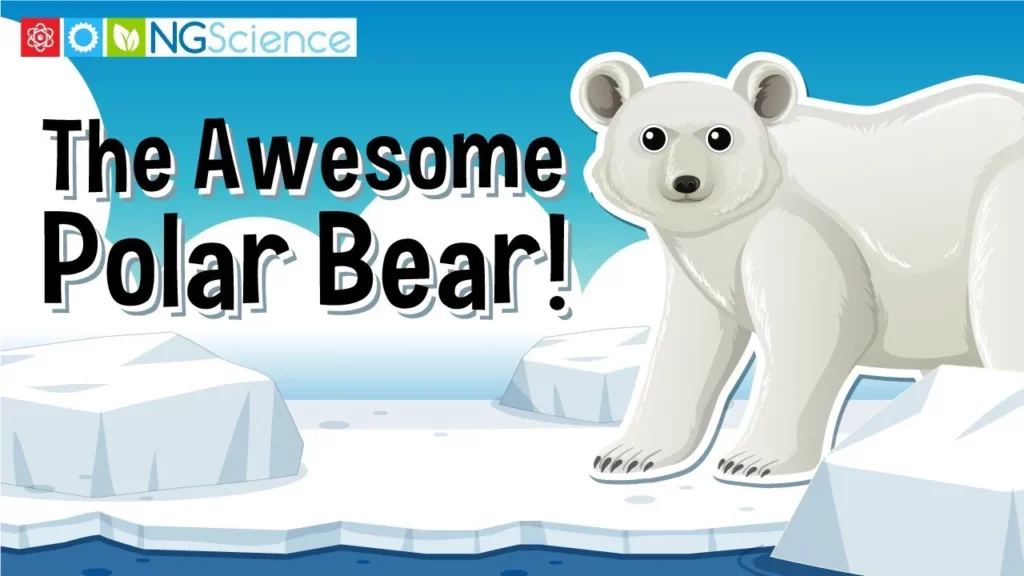
In this lesson, we explored the fascinating adaptations of polar bears that enable them to thrive in the harsh Arctic environment, including their unique fur structure and insulating blubber. We also discussed the challenges they face due to climate change, which is threatening their habitat and food sources. Finally, we emphasized the importance of taking action to protect these magnificent creatures and their environment.
Lighthouse Lab – Cultivating Bacteria!
In the Lighthouse Lab lesson, students explore the world of bacteria by collecting samples from various surfaces and growing them on nutrient-rich agar plates. They learn about the rapid reproduction of bacteria and observe the growth of different shapes, sizes, and colors over three days, discovering that certain surfaces, like computer keyboards and bathroom sinks, harbor more bacteria than others. The lesson emphasizes safety precautions when handling bacteria and encourages curiosity about these invisible organisms that play a significant role in our environment.
All About Dolphins!
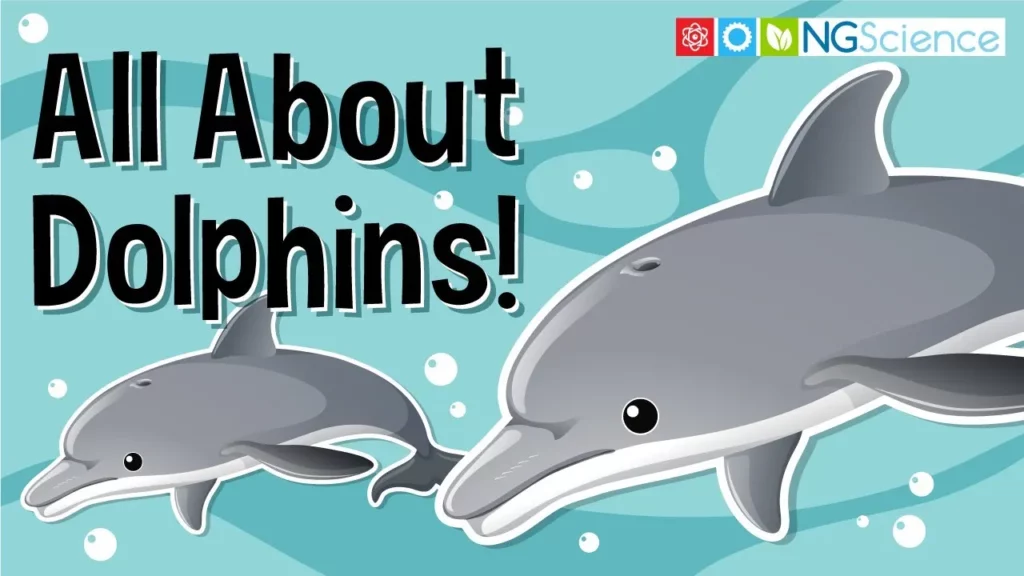
In this lesson, we explored the fascinating world of dolphins, highlighting their unique characteristics as mammals, their smooth bodies, and their specialized breathing through a blowhole. We learned about their hunting techniques using echolocation, their social behavior in pods for safety and communication, and their ability to blend into their surroundings for protection. Overall, dolphins are portrayed as intelligent and social creatures that play a vital role in the ocean ecosystem.
The Problem of Marine Debris
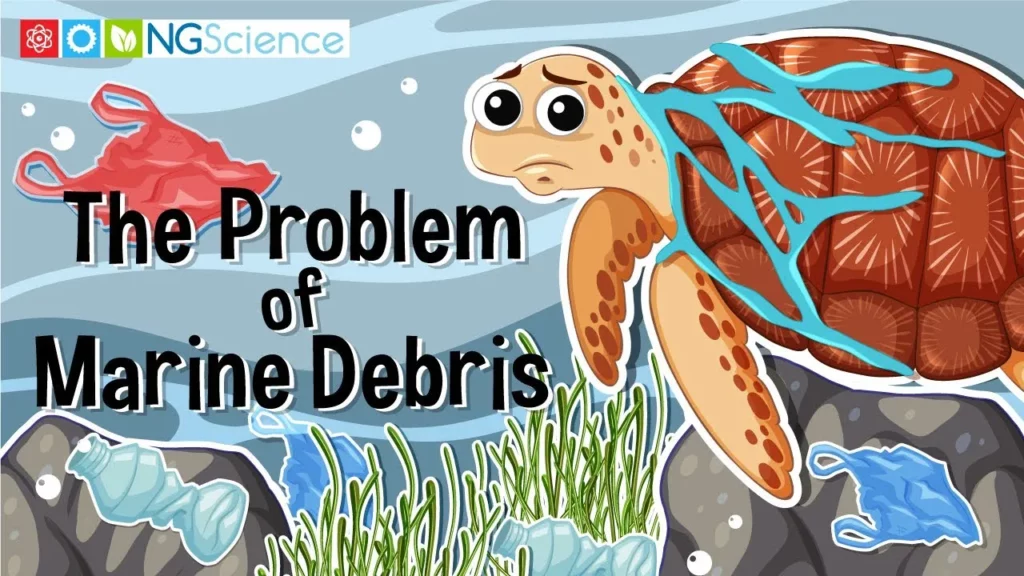
The lesson discusses the issue of marine debris, highlighting how human activities have led to pollution in our oceans, primarily through trash like plastic and food wrappers. This debris poses significant threats to marine life, as animals may ingest it or become entangled. To combat this problem, the lesson emphasizes the importance of proper waste disposal, supporting eco-friendly companies, and actively participating in clean-up efforts to protect our oceans and the creatures that inhabit them.
Water Pollution and How We Can Reduce It!
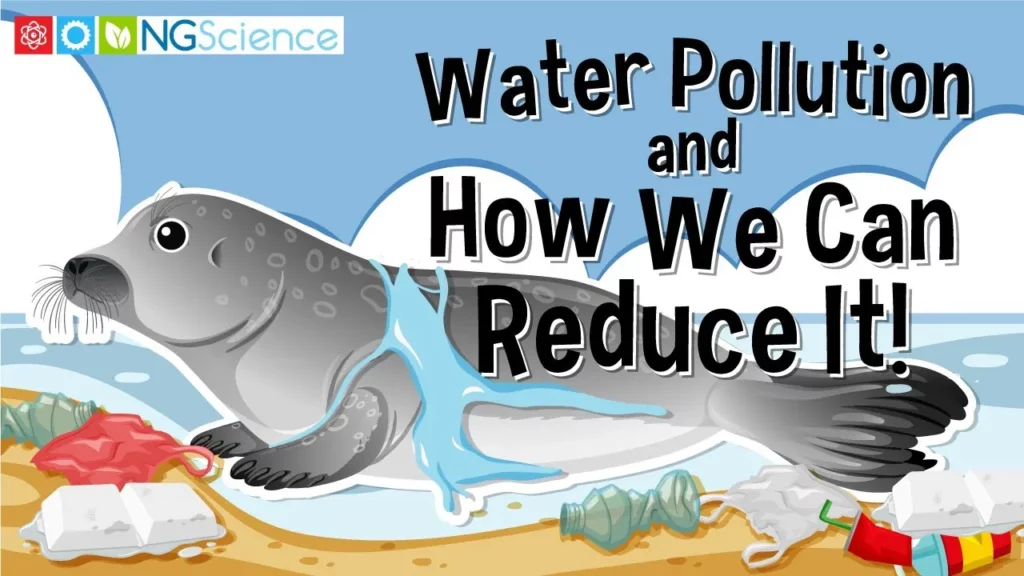
The lesson on water pollution explains that it occurs when harmful substances, known as pollutants, contaminate water sources such as rivers, lakes, and oceans, primarily from sewage, industrial waste, agricultural chemicals, and trash. It highlights the negative impact of water pollution on aquatic life and ecosystems, and emphasizes the importance of taking action to reduce pollution through measures like proper waste management, reducing chemical use, and ensuring clean water treatment. By adopting these practices, we can contribute to keeping our water clean and safe for all.
Lighthouse Lab – Density of Liquids and Solids
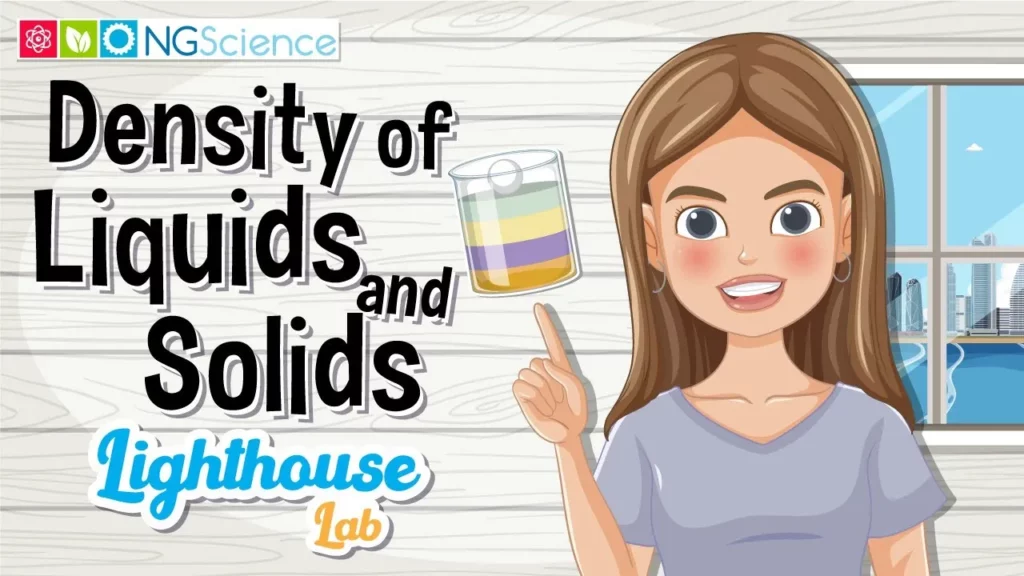
In the Lighthouse Lab lesson on density, Chelsea demonstrates how different liquids with varying densities can create a density column using honey, dish soap, vegetable oil, and isopropyl alcohol. Students learn that denser objects, like a marble, sink to the bottom, while less dense objects, such as a polystyrene ball, float on top, illustrating the concept of density through hands-on experimentation.
Using Oil – Fossil Fuel Formation
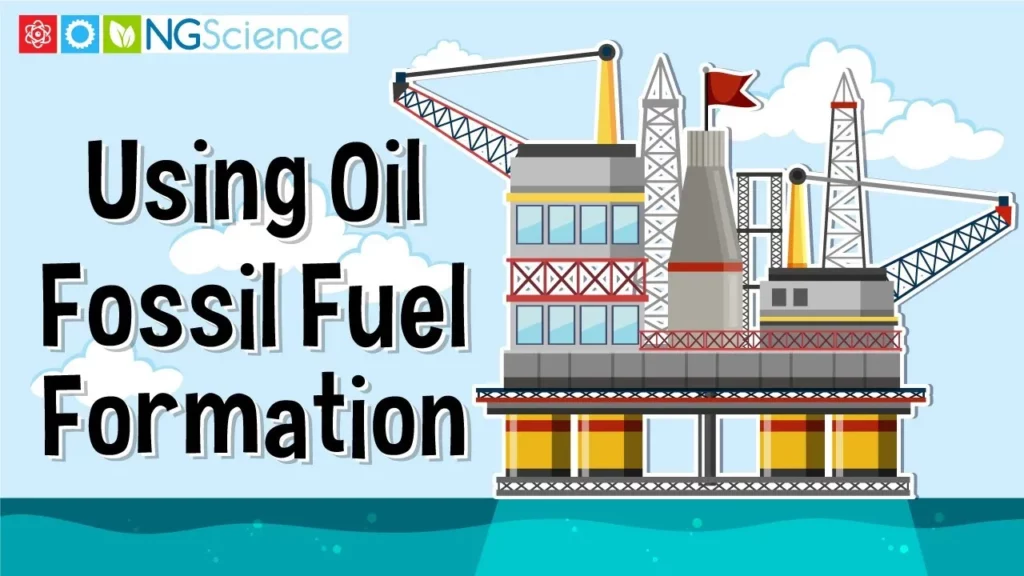
The lesson on oil as a fossil fuel explains its formation from ancient marine organisms, such as plankton, which, over millions of years, transformed into oil under layers of sediment due to heat and pressure. It also covers the extraction process, where oil is drilled from deep underground and transported to refineries for conversion into various fuels and materials. Additionally, the lesson highlights the environmental concerns associated with oil usage, encouraging further exploration of its impact on the environment.
Next Generation Science (NGScience.com)
NGScience is an engaging online platform designed for science enthusiasts, offering a wealth of multimedia resources, including videos, animations, and virtual labs to enhance learning. With features like the Lighthouse Lab for hands-on experiments and a collection of colorful eBooks covering various science topics, NGScience makes science accessible and fun for students, teachers, and parents alike. Additionally, special discounts are available to encourage users to embark on their scientific journey without financial strain.