
Space Exploration – Hubble, the ISS and the James Webb Space Telescope
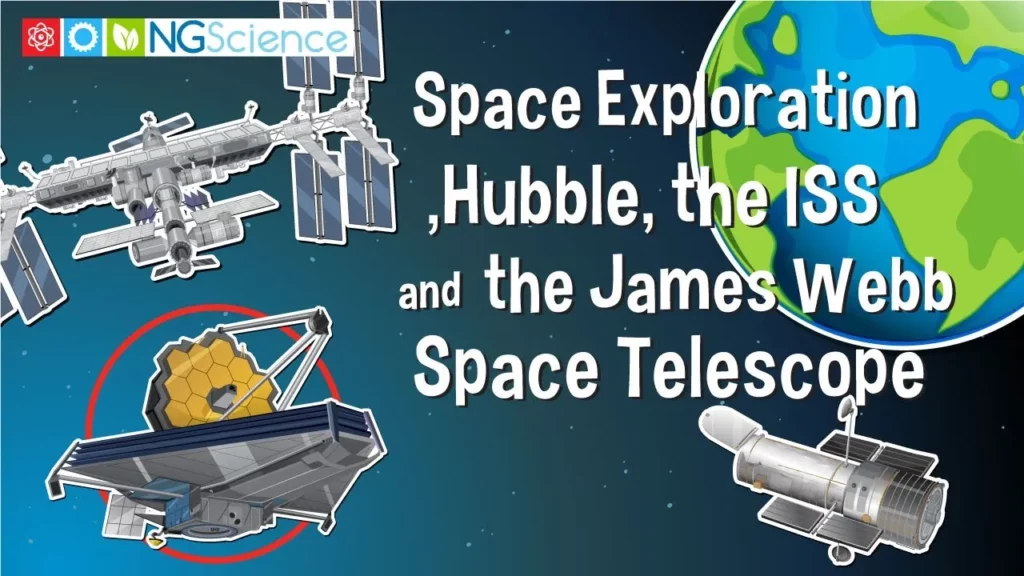
The lesson on space exploration highlights the significance of the Hubble Space Telescope, the International Space Station (ISS), and the James Webb Space Telescope in expanding our understanding of the universe. Hubble has provided stunning images and insights into distant cosmic phenomena, while the ISS serves as a collaborative laboratory for astronauts to conduct experiments in space. The James Webb Space Telescope, positioned far from Earth, allows scientists to delve deeper into the mysteries of star and galaxy formation, emphasizing the ongoing quest to uncover the secrets of the vast universe.
Creature Comforts: The Fascinating Needs of Animals Big and Small!
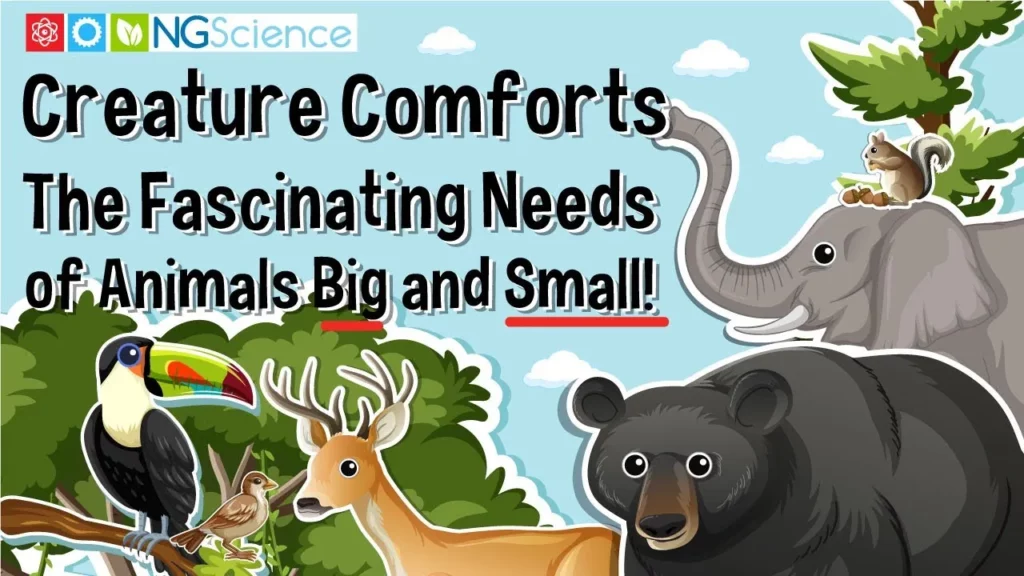
In this lesson, we explored the essential needs of animals, which include food, water, oxygen, space, and shelter. Each type of animal has unique adaptations that help them meet these needs, such as carnivores with sharp teeth for hunting and herbivores with flat teeth for grazing. Understanding these requirements is crucial for ensuring the happiness and health of our furry, feathered, and scaly friends.
Magical Transformations: The Wondrous World of Metamorphosis!
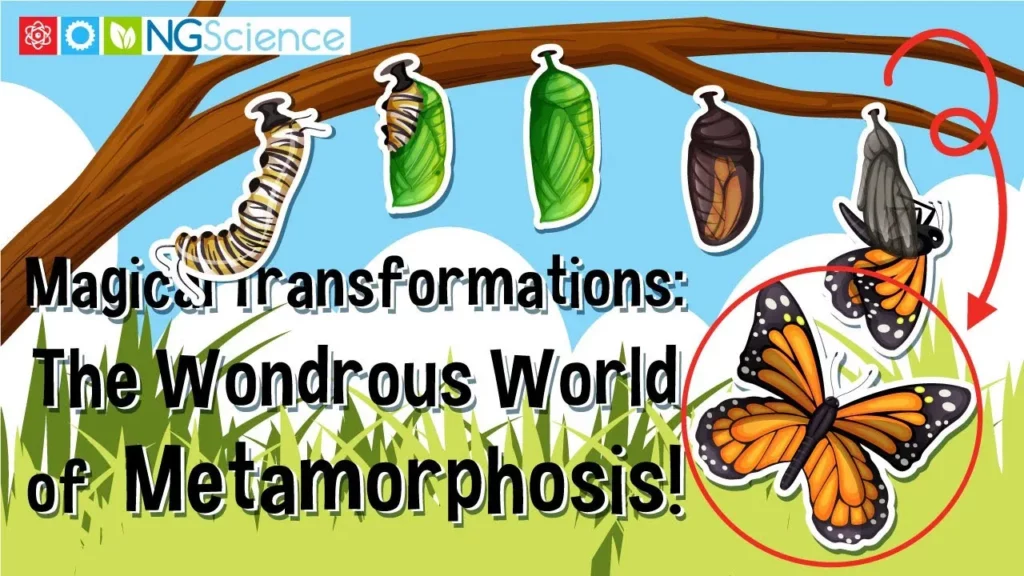
The lesson on metamorphosis explores the fascinating transformations that some animals undergo as they grow, highlighting examples like tadpoles turning into frogs and caterpillars becoming butterflies. It explains the differences between complete and partial metamorphosis, showcasing the magical changes in nature. Ultimately, the lesson encourages curiosity about the natural world and the growth and changes that occur in all living beings.
Lighthouse Lab – Make Your Own Play Dough!
In this lesson, Holly guides participants through the fun and simple process of making homemade Play-Doh while introducing concepts of mixtures and solutions. By combining dry ingredients like flour and salt, and then adding wet ingredients such as water and vegetable oil, learners create a colorful and moldable dough. The activity not only fosters creativity but also reinforces scientific principles in a hands-on manner.
Lighthouse Lab – Energy Transformations We Can See Every Day
In the Lighthouse Lab lesson on energy transformations, students learn how energy changes forms in everyday examples, such as wind-up toys, roller coasters, light bulbs, wind turbines, and batteries. The lesson highlights the concepts of potential and kinetic energy, as well as the conversion of electrical energy into light and heat, emphasizing the importance of renewable energy sources like wind power. Overall, it encourages students to recognize and explore the various energy transformations occurring in their daily lives.
Whale Sharks – The Gentle Giants of the Sea
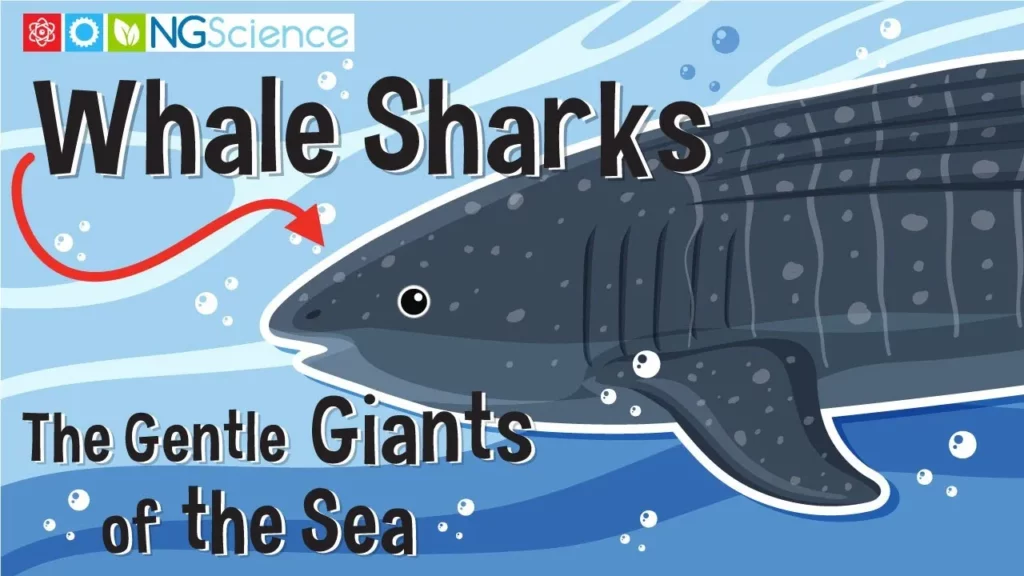
In this lesson, we explored the fascinating world of whale sharks, the largest fish in the ocean, known for their gentle nature and unique appearance. Despite their massive size, reaching up to 40 feet and weighing 20 tons, whale sharks are filter feeders that thrive in warm waters, primarily consuming plankton and small fish. We also discussed the importance of protecting these vulnerable creatures from human threats, emphasizing the need for conservation efforts to ensure their survival in our oceans.
Lighthouse Lab – How Does a Hot Air Balloon Work?
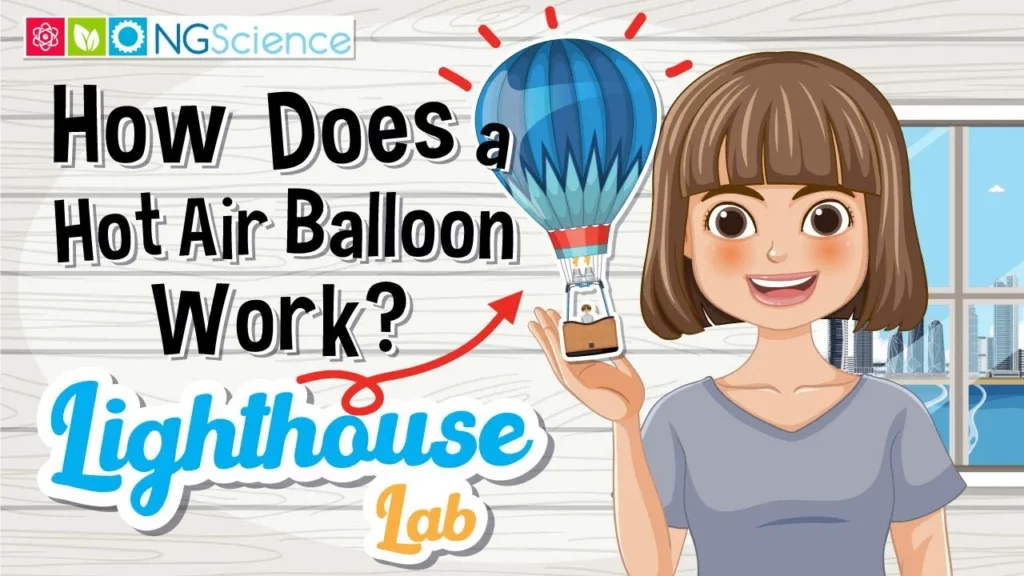
In this lesson, we explored the mechanics of hot air balloons, focusing on their three main components: the envelope, the burner, and the basket. The burner heats the air inside the envelope, causing it to expand and become lighter than the cooler air outside, which allows the balloon to rise. By adjusting the temperature of the air, the pilot can control the balloon’s altitude, making hot air ballooning an exciting way to experience flight.
Solar Electricity Explained
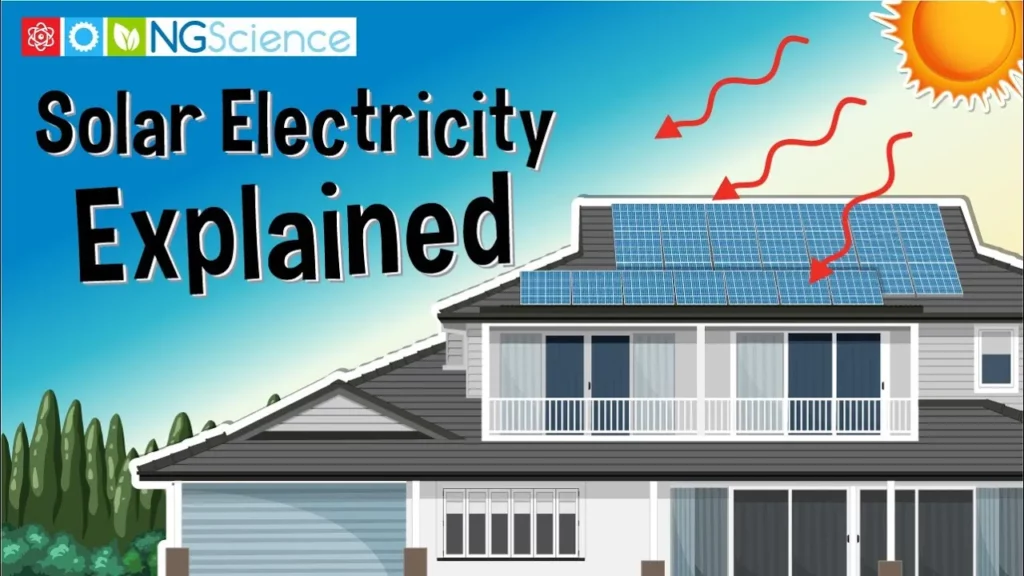
The lesson on solar electricity explains how sunlight is converted into usable electricity through photovoltaic cells in solar panels, which produce DC electricity that must be transformed into AC electricity by inverters for home use. It highlights the benefits of solar energy, such as its renewability and environmental advantages, while also addressing challenges like weather dependency and initial installation costs. Overall, the lesson emphasizes the growing importance and potential of solar energy as technology advances and costs decrease.
Kruger National Park – Virtual Field Trip
The lesson on Kruger National Park highlights its significance as a premier wildlife reserve in South Africa, renowned for its vast size, diverse habitats, and rich variety of wildlife, including the iconic Big Five. It emphasizes the park’s crucial role in conservation efforts and eco-tourism, offering visitors unique opportunities to engage with nature while promoting the protection of endangered species and their habitats. Overall, Kruger National Park serves as a remarkable example of how wildlife reserves can contribute to biodiversity preservation and provide unforgettable experiences for nature enthusiasts.
The Great Migration of the Humpback Whale
The lesson explores the fascinating lives of humpback whales, highlighting their impressive size, unique physical features, and remarkable migration patterns between feeding and breeding grounds. It discusses their feeding techniques, social behaviors, and the importance of their songs for communication. Additionally, the lesson emphasizes the conservation efforts needed to protect these majestic creatures from threats such as fishing gear entanglement and climate change, encouraging awareness and action to ensure their survival.