
Penguins – Tuxedoed Wonders
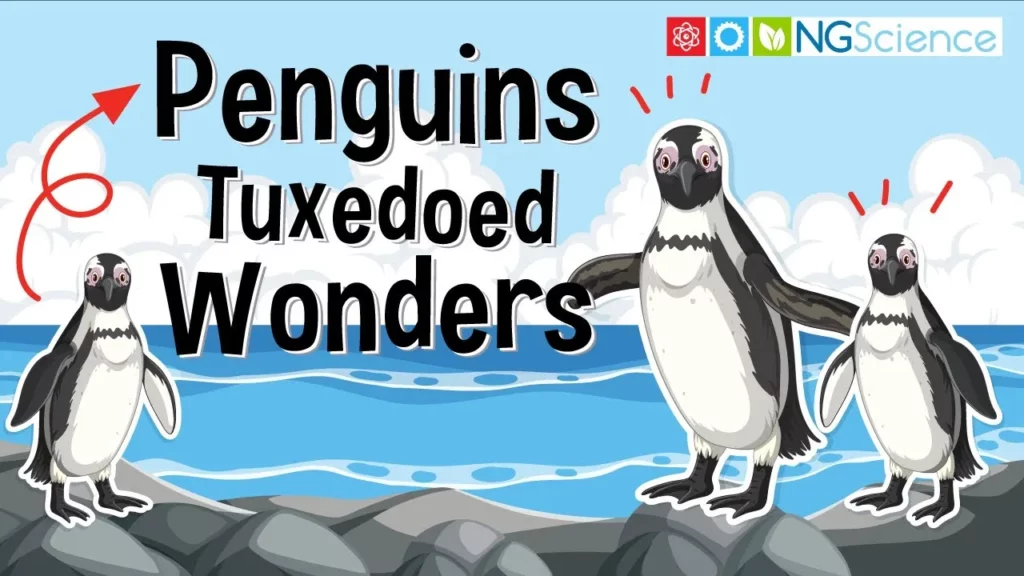
In this lesson, we explored the fascinating world of penguins, highlighting their unique adaptations and diverse habitats, which range from the icy regions of Antarctica to warmer climates near the equator. We learned about various penguin species, including the majestic Emperor and King Penguins, the small Little Blue Penguins, and the stylish Crested Penguins, each showcasing their own special traits. Ultimately, the lesson emphasizes the adaptability and charm of these tuxedoed birds, inspiring us to embrace our own uniqueness.
Bald Eagles – Wings of Wonder
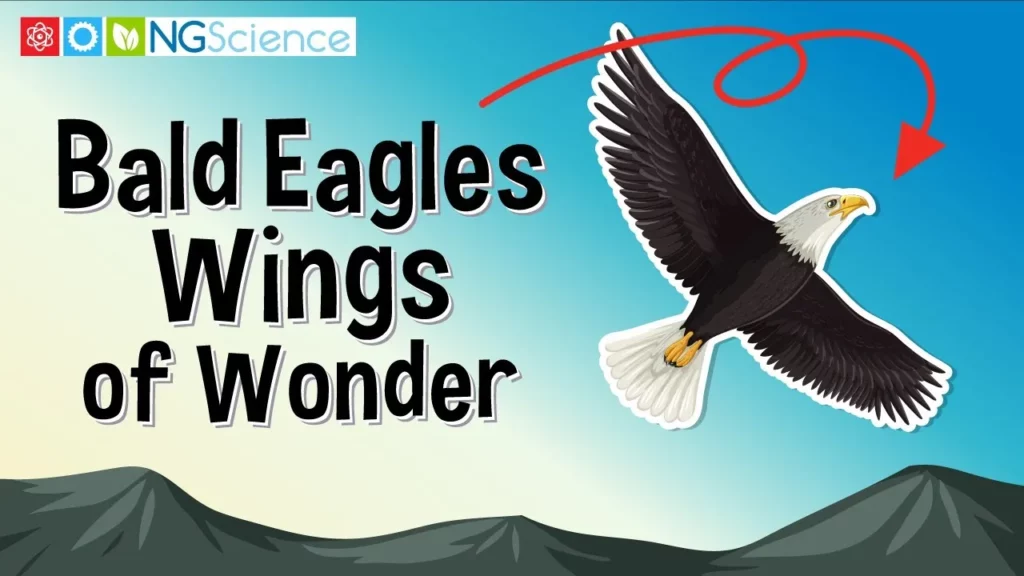
In this lesson, we explore the fascinating world of bald eagles, focusing on their habitats, physical characteristics, and diet. These majestic birds inhabit various regions in North America, particularly near water sources, and are easily recognized by their distinctive white heads and large wingspans. Primarily fish eaters, bald eagles are skilled hunters, but they also adapt their diet based on availability, showcasing their versatility in the wild.
Lighthouse Lab – Chels Explores the Deep Sea – Part 1
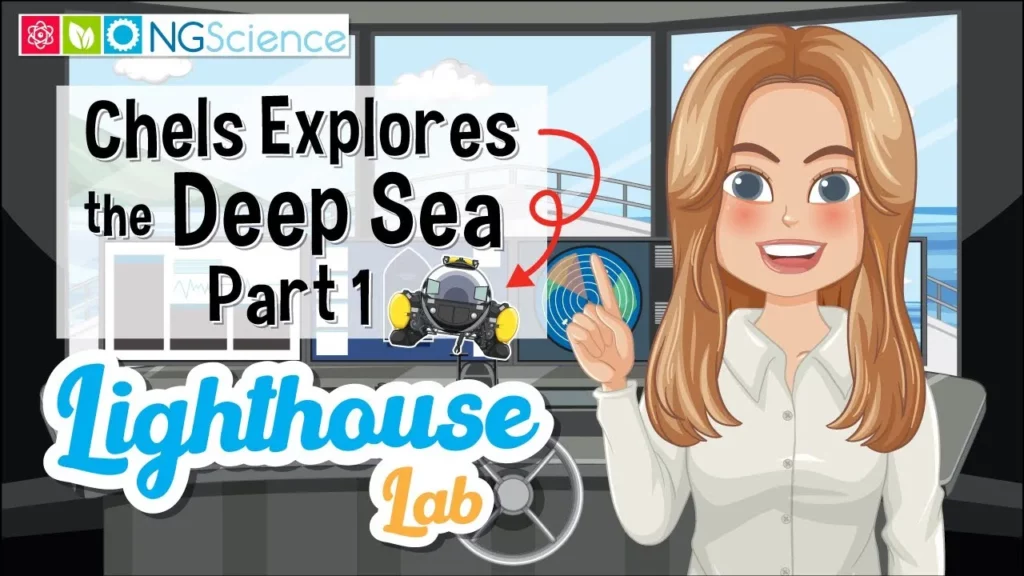
In this lesson, Chels embarks on an exciting deep-sea adventure, exploring the fascinating and mysterious creatures that inhabit the ocean’s depths. During her descent, she discovers unique species such as the chimera fish, barrel eye fish, and vampire squid, each with remarkable adaptations for survival in their deep-sea environment. As Chels prepares to dive even deeper, the lesson highlights the wonders of marine life and the importance of documenting these incredible findings.
Conservation Status of Organisms on Earth
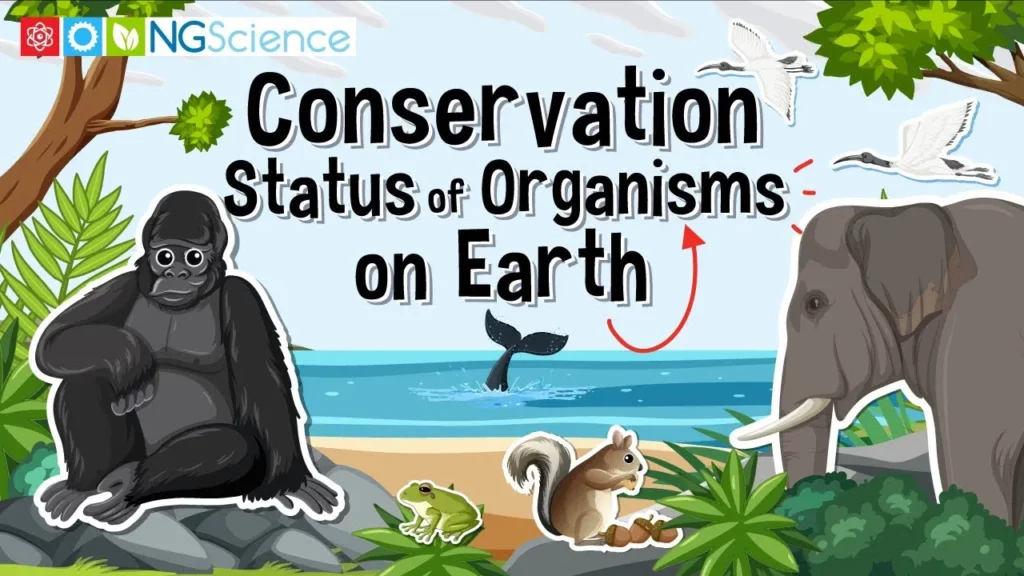
The lesson on the conservation status of organisms emphasizes the importance of understanding the risk levels of species and ecosystems in relation to extinction. The International Union for Conservation of Nature (IUCN) categorizes species into various risk levels, ranging from least concern to critically endangered, highlighting the urgent need for conservation efforts to protect biodiversity. By recognizing these categories, we can better appreciate the threats facing wildlife and the necessity of preserving our planet’s diverse life forms.
Misconceptions in Science – Plants, Soil and Photosynthesis
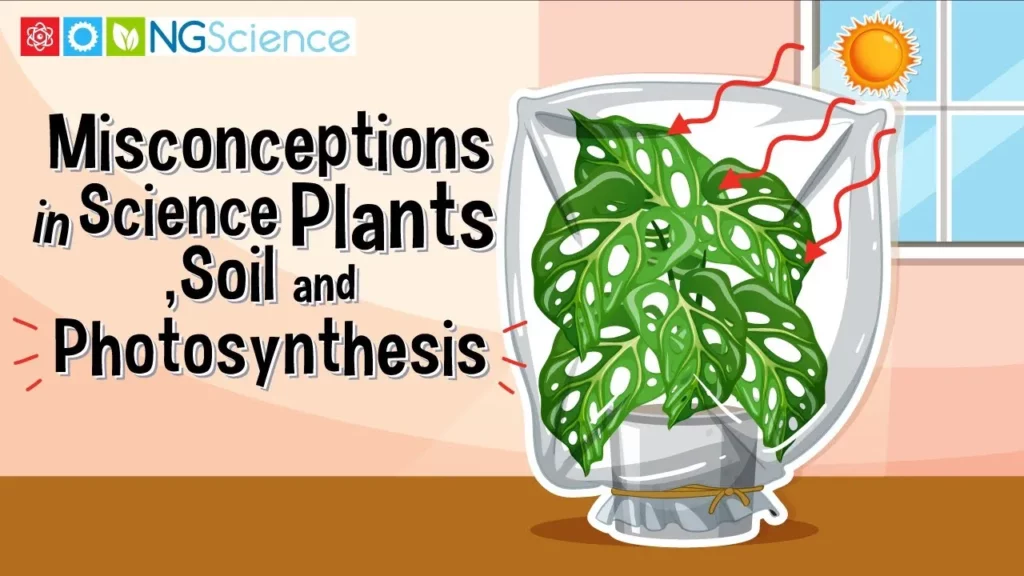
The lesson addresses common misconceptions about how plants obtain their mass, clarifying that most of it comes from carbon dioxide in the air through the process of photosynthesis, rather than from the soil. It explains that while soil provides essential nutrients, it contributes only a small portion to a plant’s overall mass. Understanding photosynthesis is crucial for grasping concepts related to the carbon cycle and the ecological role of plants, and the lesson includes a simple experiment to illustrate these principles.
Antarctica – Virtual Field Trip
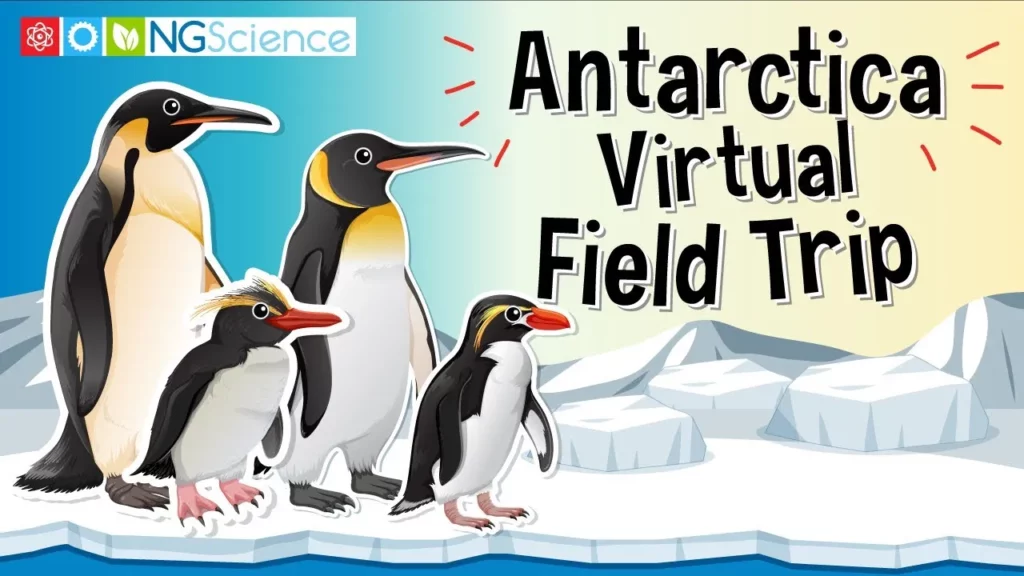
In this virtual field trip to Antarctica, explorers learned about the continent’s extreme climate, unique wildlife, and its significance for scientific research. Despite being the coldest, driest, and windiest place on Earth, Antarctica is home to diverse animals like penguins and seals, and serves as a vital location for studying climate change and astronomy. The journey highlighted the importance of understanding this remote region and its impact on global climate systems.
External Structures of Animals – Elephants
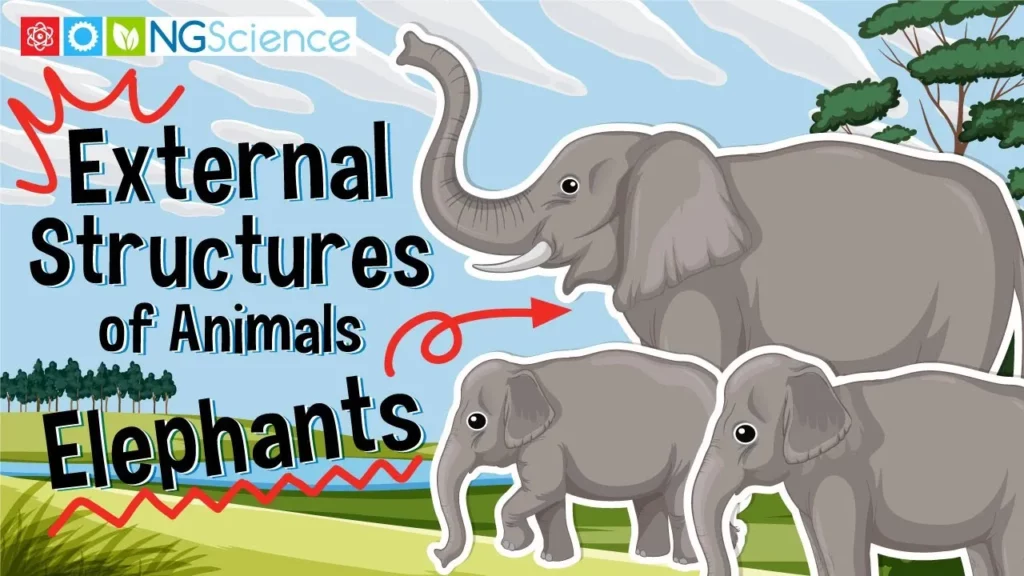
This lesson explores the unique external structures of elephants that enable them to thrive in their environments. Key features include their versatile trunks for various tasks, strong tusks for digging and protection, large ears for hearing and temperature regulation, and wrinkly skin that helps retain moisture. Additionally, their strong legs and sensitive foot pads aid in mobility and communication, showcasing the remarkable adaptations of these incredible animals.
Caring For Our Planet
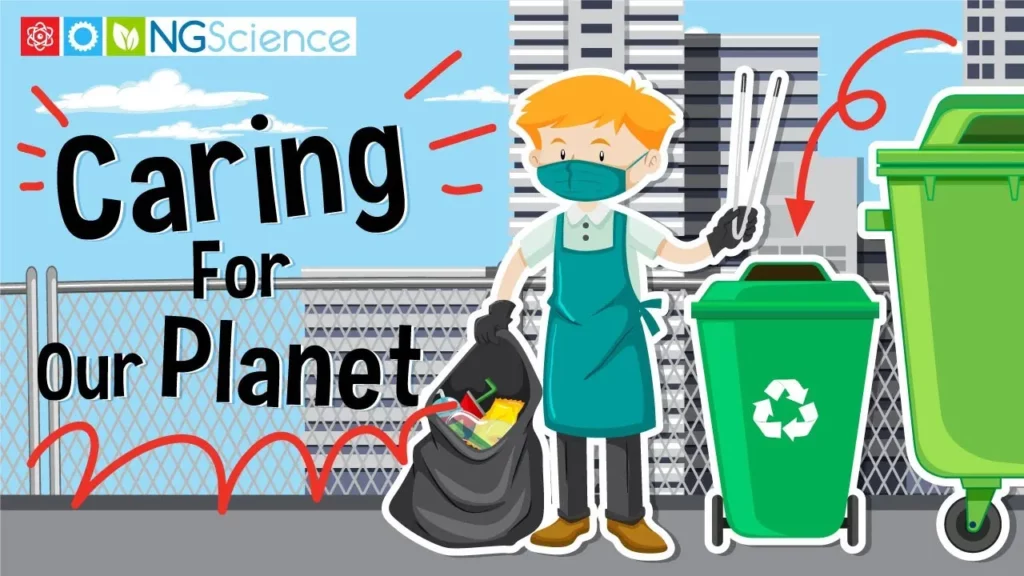
The lesson “Caring For Our Planet” emphasizes simple yet impactful actions we can take to protect the environment, such as picking up litter, staying on trails in nature, and opting for walking or biking instead of driving. It also highlights the importance of saving energy at home and practicing the principles of reduce, reuse, and recycle. Ultimately, the lesson encourages everyone to contribute to a healthier planet through small, everyday actions.
Reduce, Reuse, Recycle
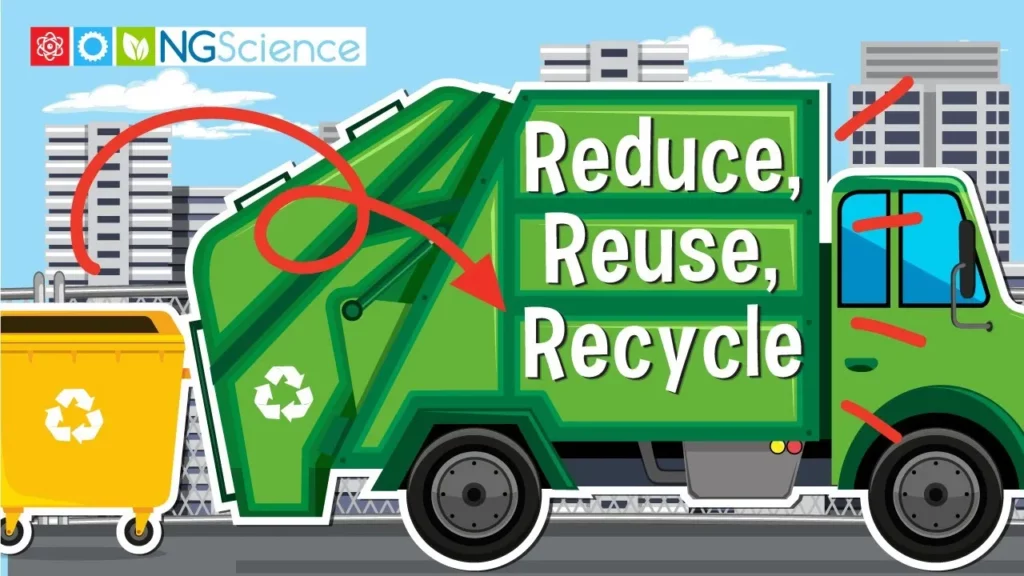
The lesson on “Reduce, Reuse, Recycle” emphasizes the importance of minimizing waste to protect our planet. It explains the concepts of reducing waste by using less, reusing items creatively instead of discarding them, and recycling materials to create new products. By adopting these practices, we can contribute to a healthier environment for all living beings.
Responses to Stimuli
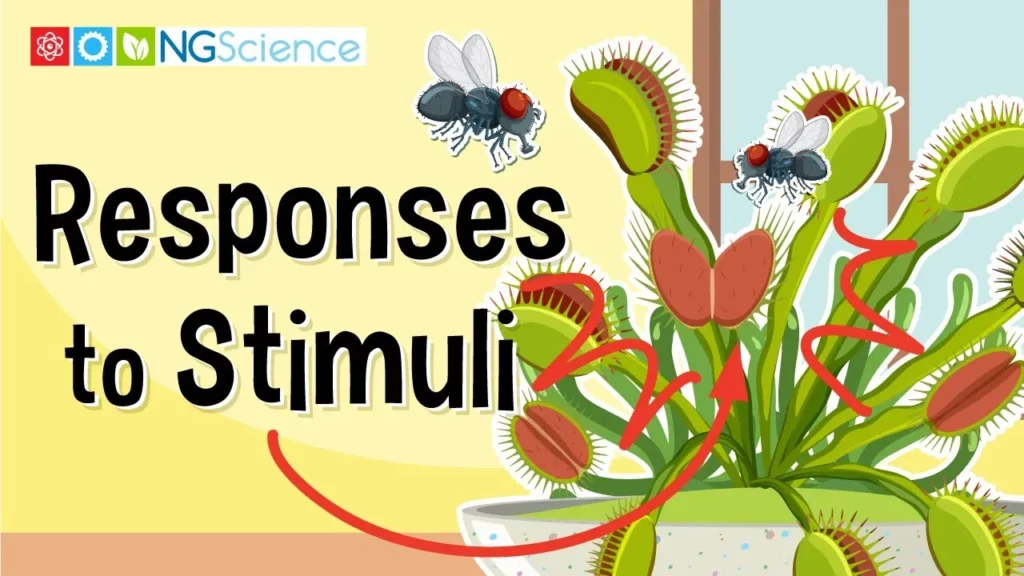
The lesson on “Responses to Stimuli” illustrates how living organisms, from eagles to plants and tiny microorganisms, react to environmental cues to enhance their survival. It highlights various examples, such as an eagle diving for fish, plants like sunflowers adjusting to sunlight, and animals like rabbits fleeing from predators. Overall, the ability to respond to stimuli is essential for adaptation and survival across all forms of life.