
Describing Matter
In this lesson on “Describing Matter,” students learn to explore and identify objects using their senses, particularly sight and touch. By observing characteristics such as shape, size, color, and texture, they can differentiate between various items in their environment. The lesson encourages hands-on exploration through activities that engage all senses, fostering curiosity and discovery about the world around them.
The Earth’s Geosphere
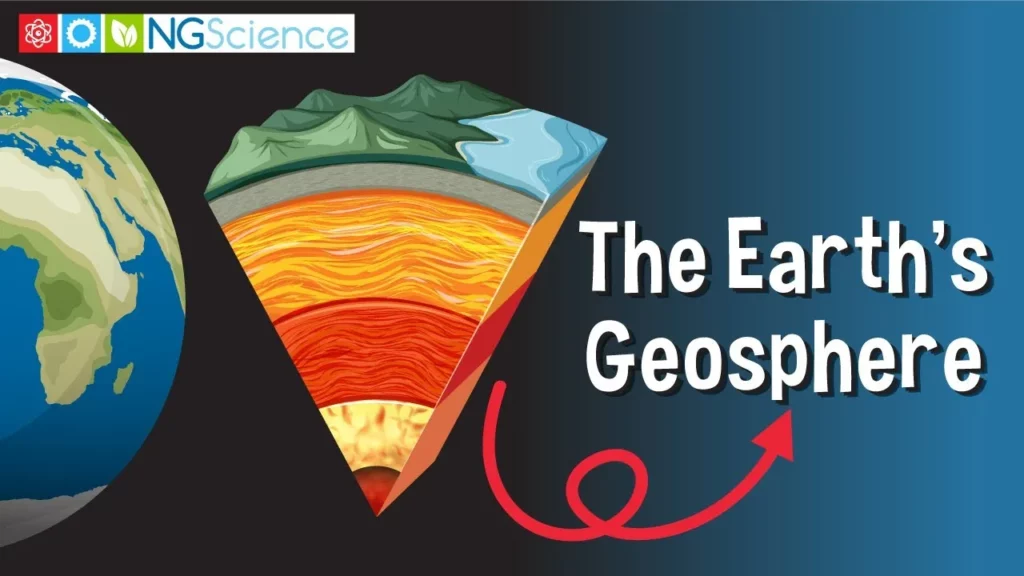
The lesson on the Earth’s geosphere explains that the planet consists of four interconnected spheres: the geosphere (solid Earth), hydrosphere (water), atmosphere (air), and biosphere (life). The geosphere encompasses all solid components, including rocks, mountains, and the Earth’s internal layers, and it interacts with the other spheres in various ways, such as shaping landforms, influencing climate, and supporting life. Understanding these interactions highlights the importance of the geosphere in maintaining the dynamic balance of Earth’s systems.
Meet the Cleanup Crew: Detritivores and Their Role in Nature
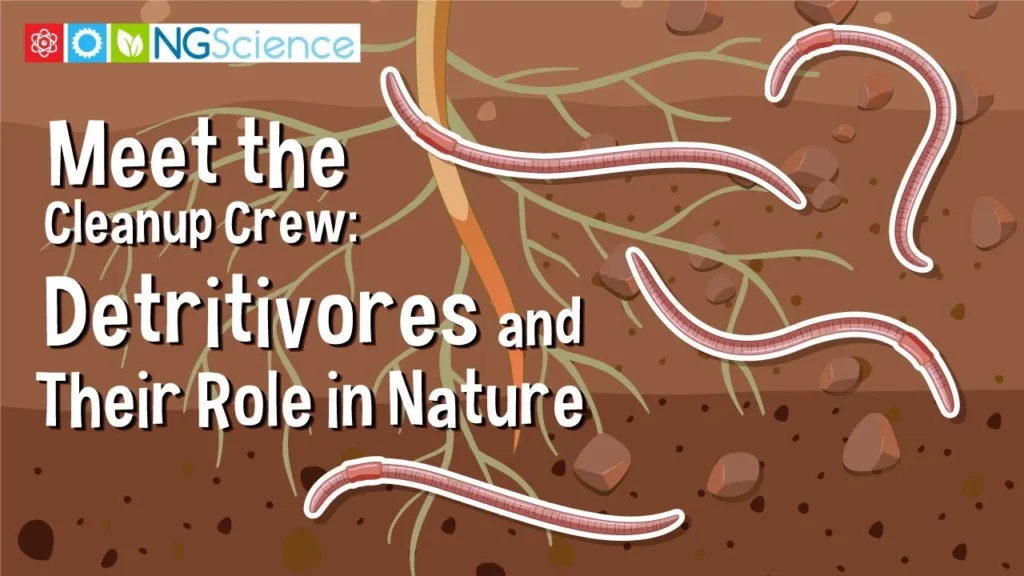
Detritivores are vital organisms in ecosystems that feed on dead plants and animals, helping to decompose and recycle organic matter. Unlike decomposers, which are microscopic organisms like bacteria and fungi, detritivores are larger animals that directly consume decaying material, releasing essential nutrients back into the environment. Their role is crucial for maintaining ecological balance and supporting the growth of other living organisms.
The Earth’s Hydrosphere
The Earth’s hydrosphere encompasses all water on, above, and below the surface, including oceans, rivers, lakes, and groundwater. It interacts dynamically with the geosphere, atmosphere, and biosphere, influencing climate, landforms, and supporting life through essential processes like the water cycle. Understanding these interactions highlights the hydrosphere’s critical role in maintaining the Earth’s systems and the well-being of all living organisms.
Climate Change Series – 1. Understanding Climate Change
The lesson on “Understanding Climate Change” emphasizes the distinction between weather and climate, highlighting that climate change refers to long-term alterations in temperature and weather patterns rather than short-term fluctuations. It underscores the importance of recognizing these changes, such as shifts in rainfall and the melting of polar ice caps, as critical indicators of climate change. Understanding these concepts is essential for addressing the significant impacts and challenges posed by climate change and for fostering informed action towards solutions.
Hummingbirds: Nature’s Mini Marvels in Motion
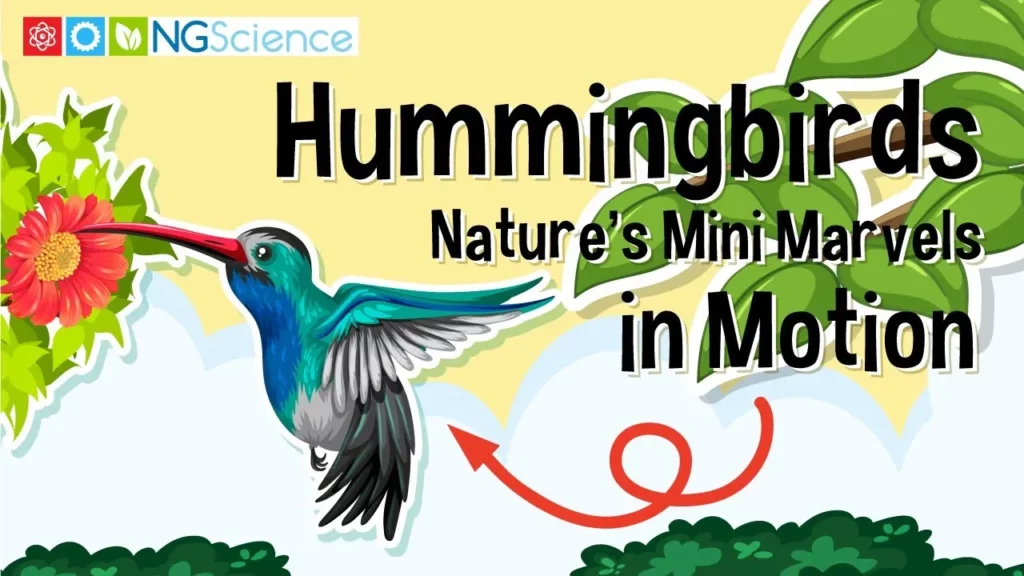
In this lesson, we delve into the fascinating world of hummingbirds, highlighting their unique characteristics and remarkable abilities. Despite their small size, these birds possess extraordinary features, such as rapid wing flapping and specialized beaks for sipping nectar, making them exceptional flyers and acrobats in nature. The lesson encourages curiosity and exploration, inviting learners to observe these mini marvels in their natural habitat.
Next Generation Science
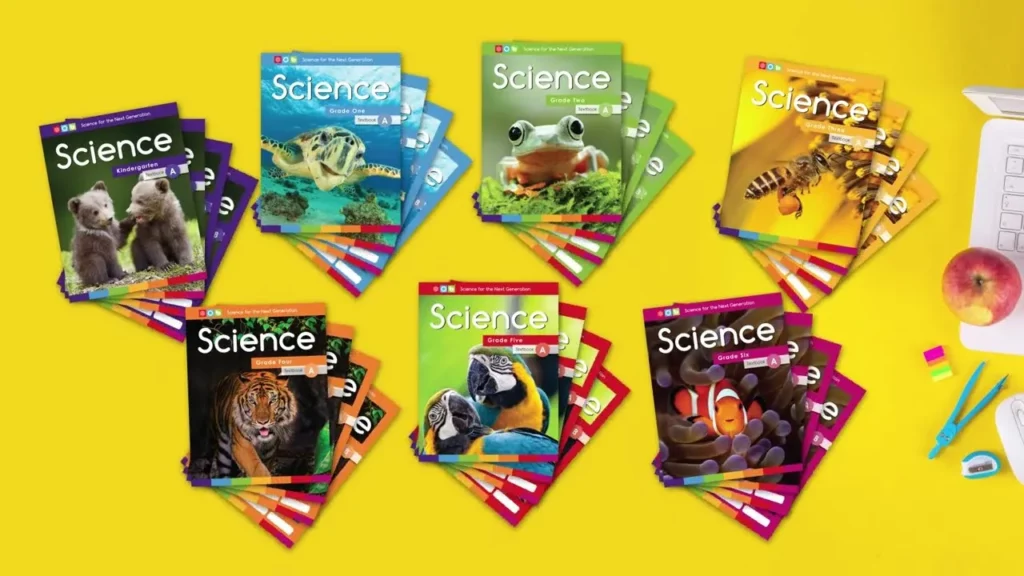
NG Science is an engaging online platform designed for learners of all ages to explore the world of science, offering over 1,000 narrated lessons, printable activities, and more than 400 video demonstrations. The program aligns with global science standards and features a colorful 35-part eBook series suitable for students from kindergarten to 6th grade. By creating a free account, users can access a wealth of resources to make science fun and accessible.
Bryce Canyon National Park – Virtual Field Trip
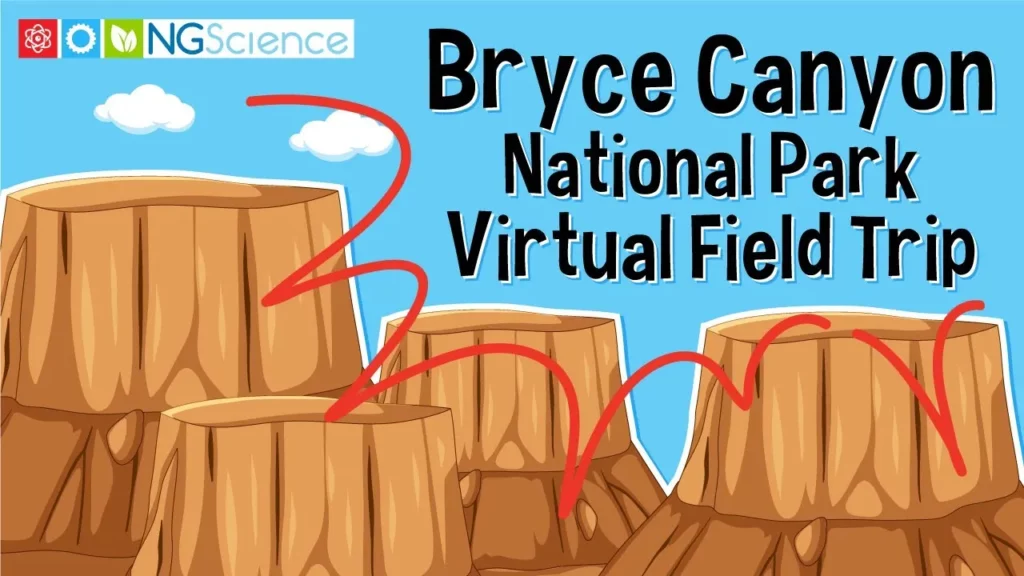
In this virtual field trip to Bryce Canyon National Park, students learn about the park’s unique geological features, particularly its famous hoodoos, which are formed through weathering and erosion processes like frost wedging. The lesson also highlights the diverse ecosystem within the park, showcasing various plant and animal species that thrive in its high desert environment. Overall, Bryce Canyon serves as a stunning example of nature’s beauty and the dynamic forces that shape our planet.
Forces in the Playground
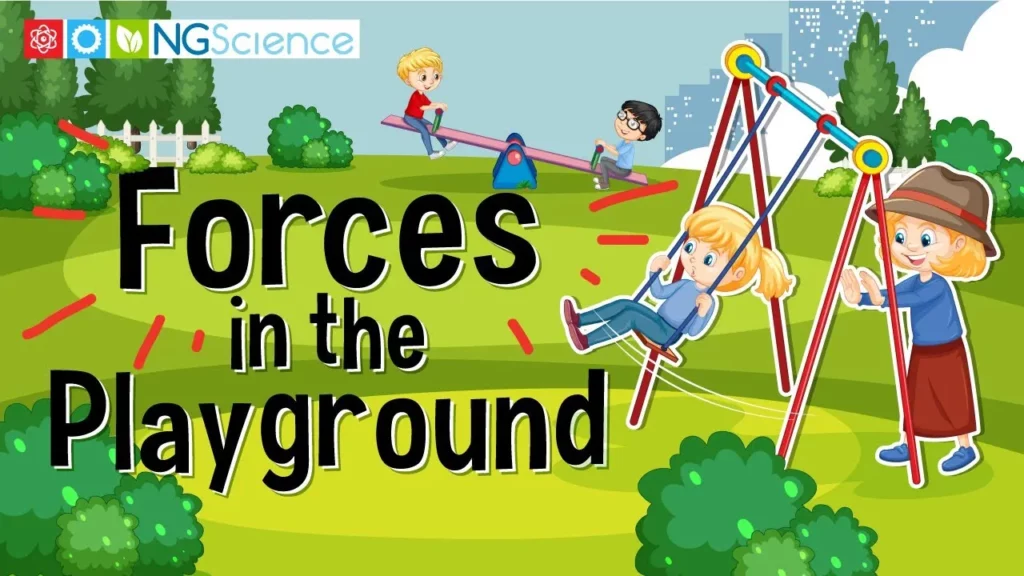
In this lesson, students explore the concepts of forces and motion through playful activities in the playground. They learn about different types of motion, such as two-way motion on a swing and straight-line motion on a slide, while also discovering Newton’s laws of motion, which explain how forces like gravity and friction influence movement. The lesson encourages students to observe and identify these forces during their playground experiences, enhancing their understanding of basic scientific principles.
Our Eight Planets
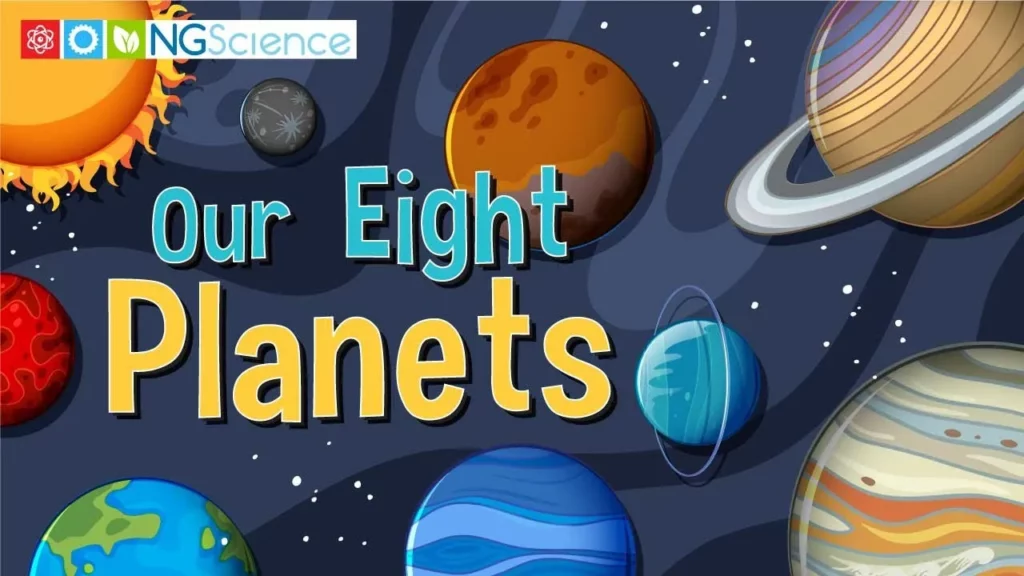
In this lesson, we embark on an exploration of the eight planets in our solar system, each with distinct characteristics and intriguing facts. From Mercury’s extreme temperatures to the gas giants Jupiter and Saturn, and the ice giants Uranus and Neptune, we learn how these celestial bodies are defined and their unique features, including Earth’s life-supporting qualities. This journey highlights the diversity and complexity of our cosmic neighborhood, encouraging further curiosity about space.