
How Hurricanes Form
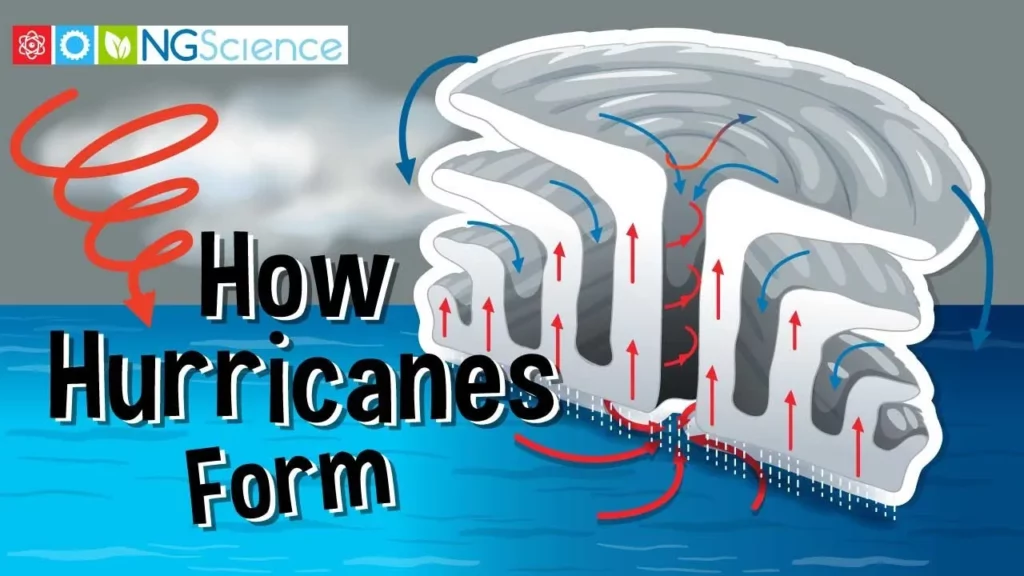
This lesson explains how hurricanes form, beginning over warm ocean waters where rising warm, moist air creates low pressure and initiates a cycle that can develop into a tropical disturbance. If conditions remain favorable, this disturbance can intensify into a hurricane, characterized by winds exceeding 74 mph, which can cause significant damage and flooding when they approach land. Meteorologists study these storms using advanced tools like satellites and radar to predict their paths and help keep communities safe.
Do You Know How Plants Grow? (Quiz Edition)
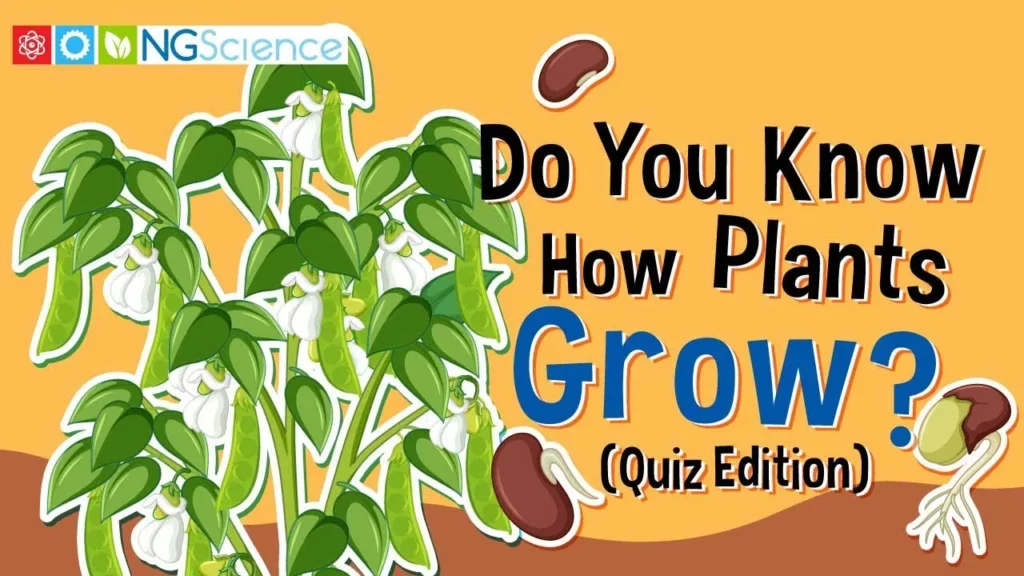
In this lesson, students explore the fascinating process of plant growth, starting from tiny seeds that contain everything necessary for development. They learn about the seed’s structure, the essential conditions for germination, and how plants use sunlight to produce their own food, ultimately leading to the formation of flowers and new seeds. The lesson concludes with a quiz to reinforce their understanding of the plant growth cycle.
Animals of the Rainforest (Quiz Edition)
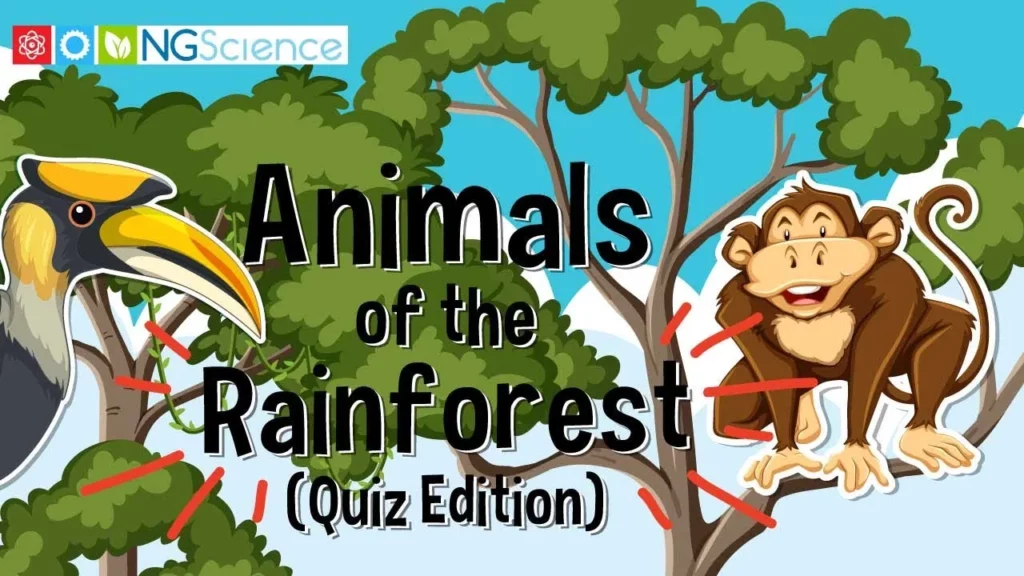
The lesson introduces students to the diverse and vibrant animals that inhabit rainforests, highlighting their unique characteristics and roles within the ecosystem. From the slow-moving sloths and colorful parrots to the agile spider monkeys and massive anacondas, each animal contributes to the rich tapestry of rainforest life. The lesson emphasizes the importance of preserving these habitats to ensure the survival of these fascinating creatures for future generations.
Separating Mixtures – Filtration

In this lesson on separating mixtures through filtration, students learn how to separate a solid from a liquid using a simple method. By utilizing tools such as a funnel, filter paper, and a beaker, the solid (sand) is retained on the filter paper while the liquid (water) passes through, resulting in two distinct components: the solid residue and the filtrate. This hands-on approach encourages exploration and discovery in scientific processes.
Antarctica – Virtual Field Trip (Quiz Edition)
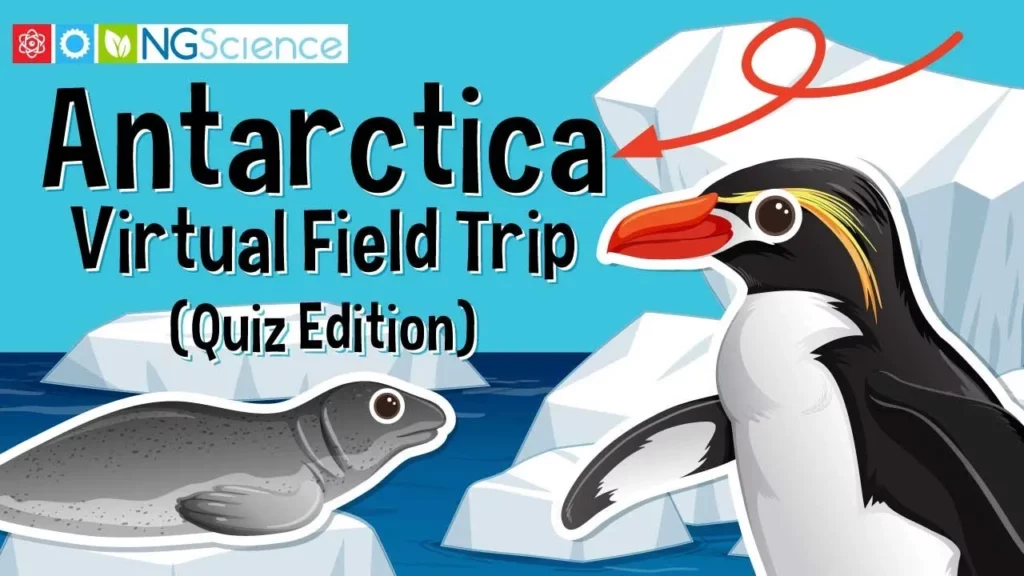
In this virtual field trip to Antarctica, students explore the unique characteristics of the southernmost continent, known for its extreme cold, dry conditions, and remarkable wildlife, including various penguin species and seals. The lesson highlights Antarctica’s critical role in regulating Earth’s climate and its commitment to peaceful scientific research under the Antarctic Treaty. Students conclude their journey by testing their knowledge with a quiz, reinforcing their understanding of this fascinating and vital region.
Separating Mixtures – Evaporation

In this lesson, students learn how to separate a mixture of salt and water through the process of evaporation. By creating a saltwater solution and heating it, they observe how the water evaporates, leaving the salt behind, which illustrates the concepts of solute, solvent, and the formation of solutions. The lesson concludes with a quiz to reinforce the key concepts learned.
All About Lizards
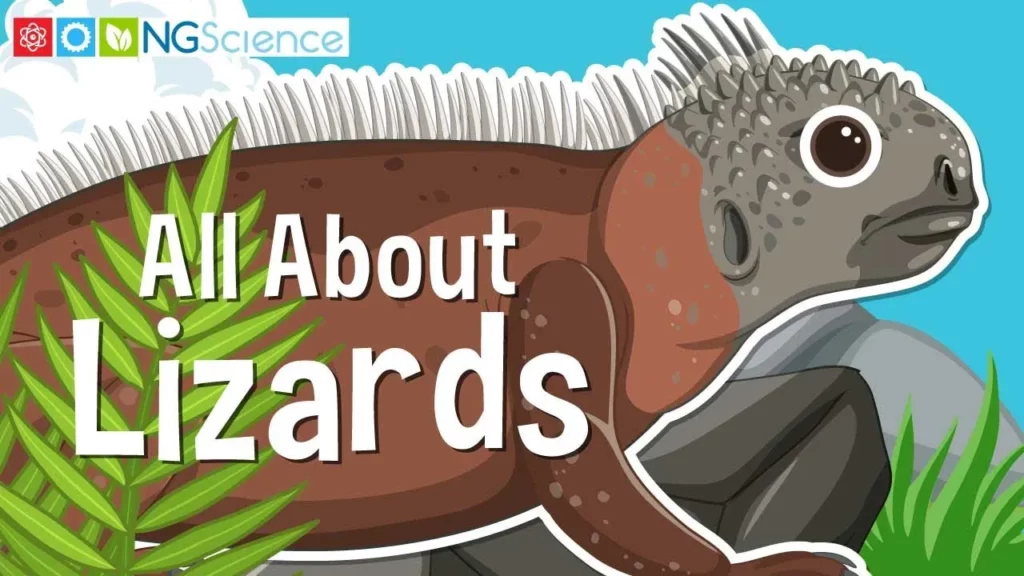
This lesson introduces the diverse world of lizards, highlighting their unique characteristics as reptiles, such as being ectothermic and having scaly skin. It explores various fascinating species, including chameleons, iguanas, and the Komodo dragon, showcasing their adaptations and behaviors that enable them to thrive in different environments. Overall, the lesson emphasizes the incredible diversity and adaptability of lizards across the globe.
Your Ears
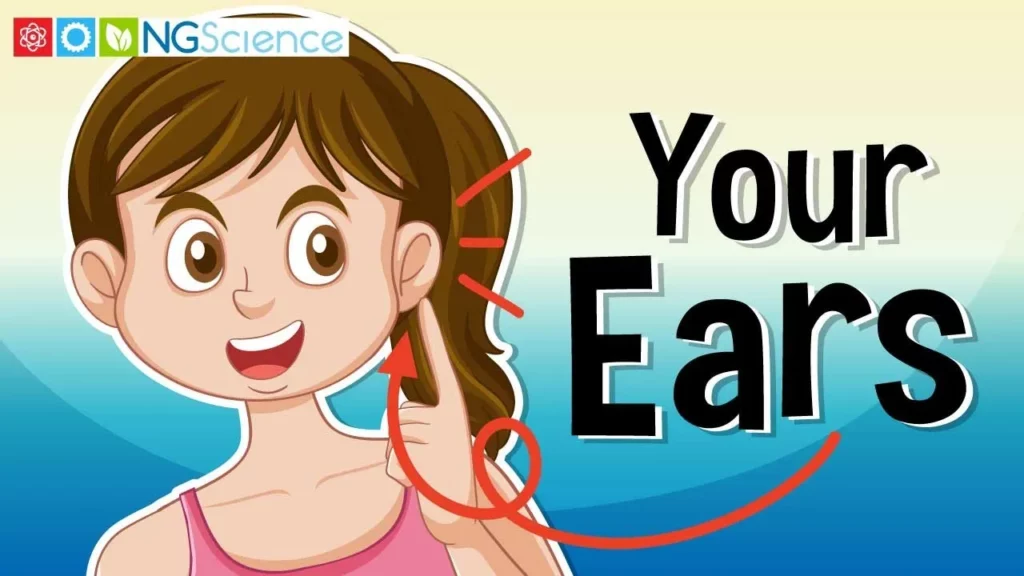
The lesson highlights the incredible functions of our ears, emphasizing their role not only in hearing but also in maintaining balance. It stresses the importance of ear care, advising against inserting objects into the ears, keeping them clean and dry, and protecting them from loud noises. Additionally, it encourages seeking help from trusted adults if there are any issues with hearing or discomfort, ensuring that we can continue to enjoy the sounds of the world around us.
Separating Mixtures – Sifting
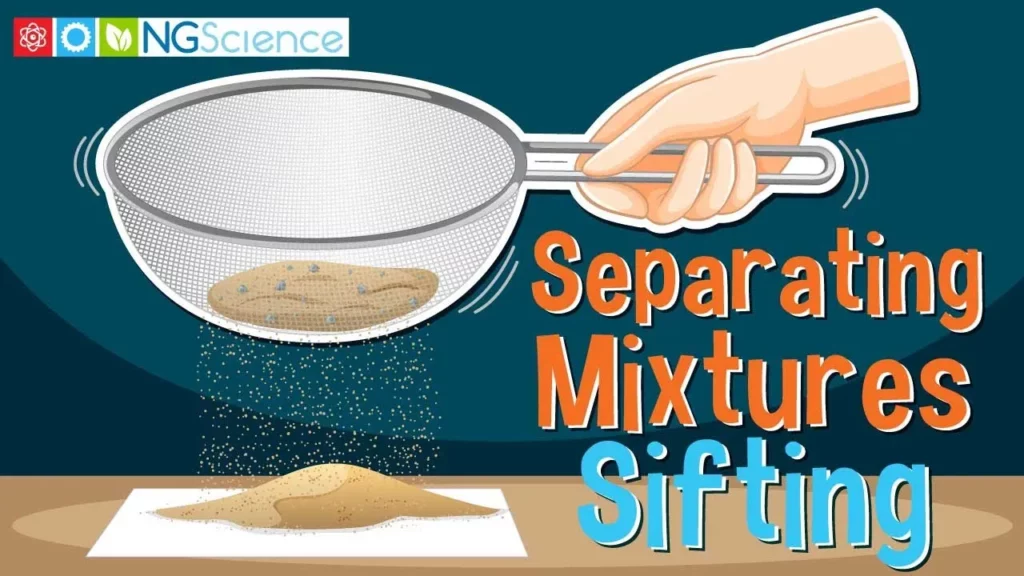
The lesson explains the concept of mixtures using sand and gravel as an example, illustrating how they can be combined and then separated. It introduces the process of sifting, which involves using a sieve to sort materials by size, allowing sand to fall through while keeping gravel on top. The lesson concludes by highlighting the practical application of sifting in baking, where it helps to aerate flour.
Birds of Prey (Quiz Edition)
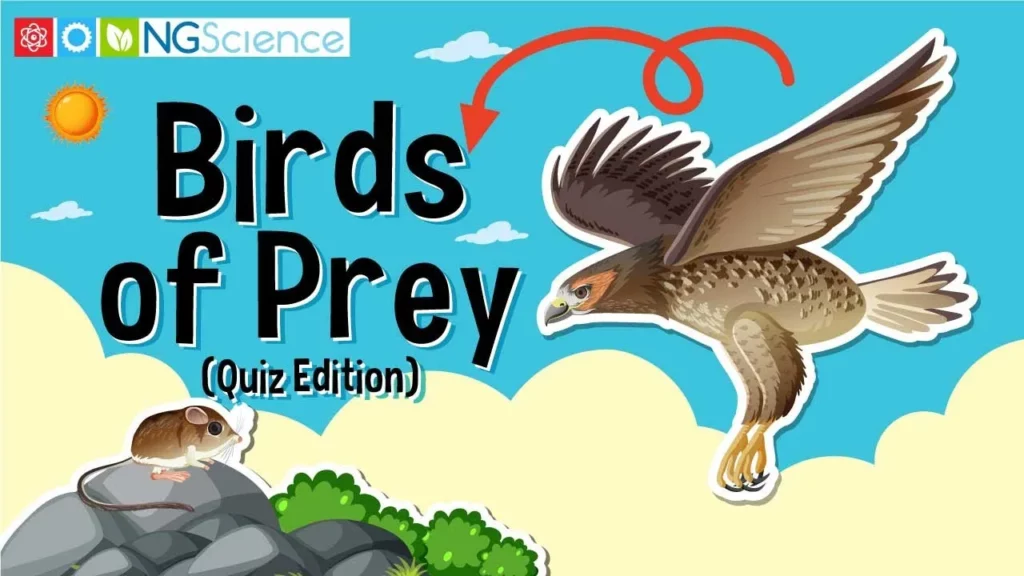
The lesson on Birds of Prey introduces students to the diverse and fascinating world of raptors, highlighting their unique characteristics such as excellent eyesight, sharp talons, and hunting skills. It features notable examples like the bald eagle, Peregrine falcon, and owls, while also addressing the important ecological role of vultures as scavengers. Additionally, the lesson emphasizes the conservation challenges these birds face and the efforts needed to protect them.