
Types of Soil (Quiz Edition)
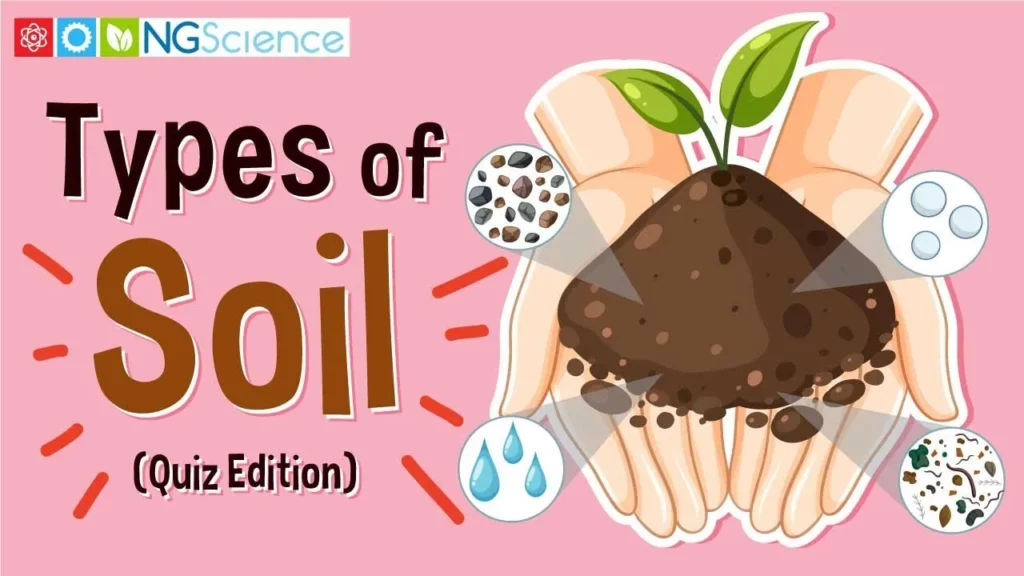
This lesson introduces the importance of soil as the top layer of the Earth’s surface, essential for plant growth and home to various organisms. It outlines the four main types of soil—sandy, clay, silt, and loamy—each characterized by the size of their rock particles, which affects their water retention and air movement. The lesson encourages exploration of local soil types and concludes with a quiz to reinforce learning.
Hyenas: The Misunderstood Predators (Quiz Edition)
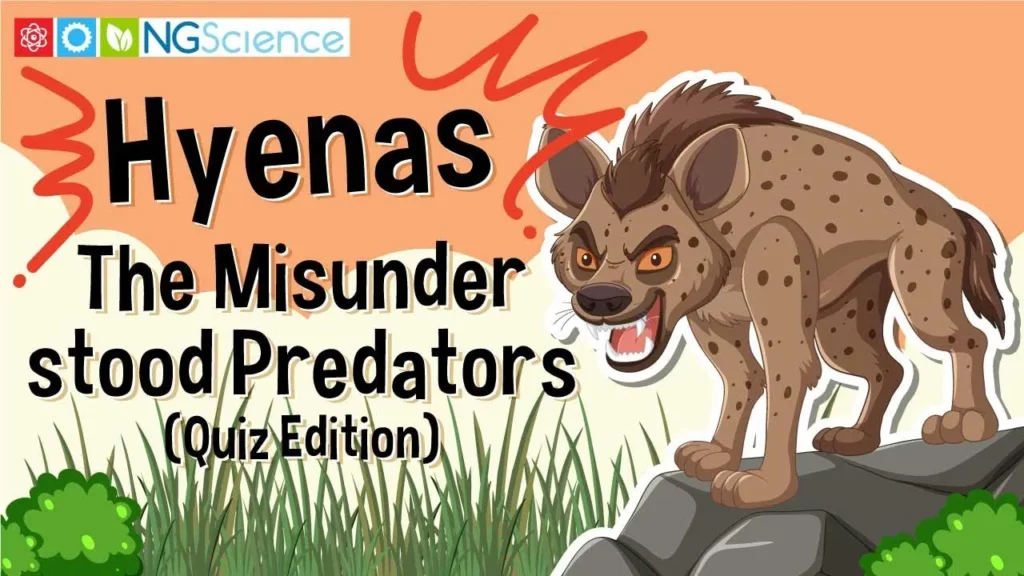
The lesson on hyenas highlights their unique characteristics, social structures, and ecological importance, emphasizing that they are often misunderstood creatures. Hyenas are adaptable carnivores with strong physical features that enable them to thrive in various environments, and they play a vital role in maintaining ecosystem balance as both hunters and scavengers. Despite facing threats from habitat loss and competition, conservation efforts are underway to protect these fascinating animals and their habitats.
Heat Conductors and Insulators – A Demonstration

In this lesson, students explore the concepts of heat conductors and insulators through everyday kitchen materials. They learn that metals, like those used in pots and pans, are excellent heat conductors, allowing for efficient cooking, while materials like plastic and wood serve as insulators, keeping handles cool and safe to touch. An engaging experiment with different spoons demonstrates how heat transfer varies among materials, reinforcing these concepts in a fun and interactive way.
The Amazing World of Bats (Quiz Edition)
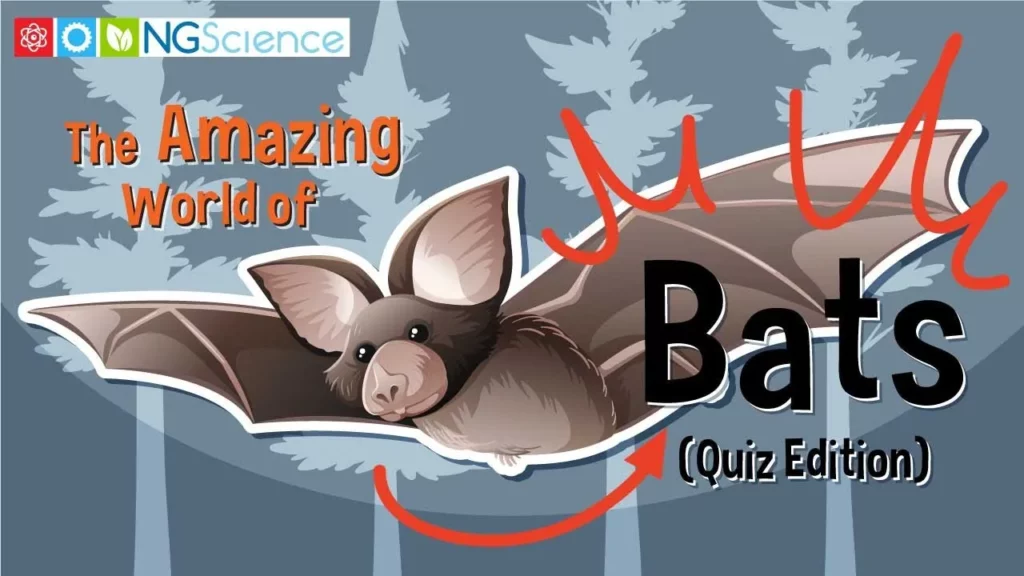
The lesson “The Amazing World of Bats” explores the unique characteristics and importance of bats, highlighting their classification as mammals, their diverse habitats, and their nocturnal lifestyles. It emphasizes their remarkable abilities, such as echolocation, and their social behavior in colonies, while also sharing interesting facts about various bat species. The lesson concludes with an invitation to test knowledge through a quiz, reinforcing the fascinating aspects of these creatures.
All About Hippos (Quiz Editon)
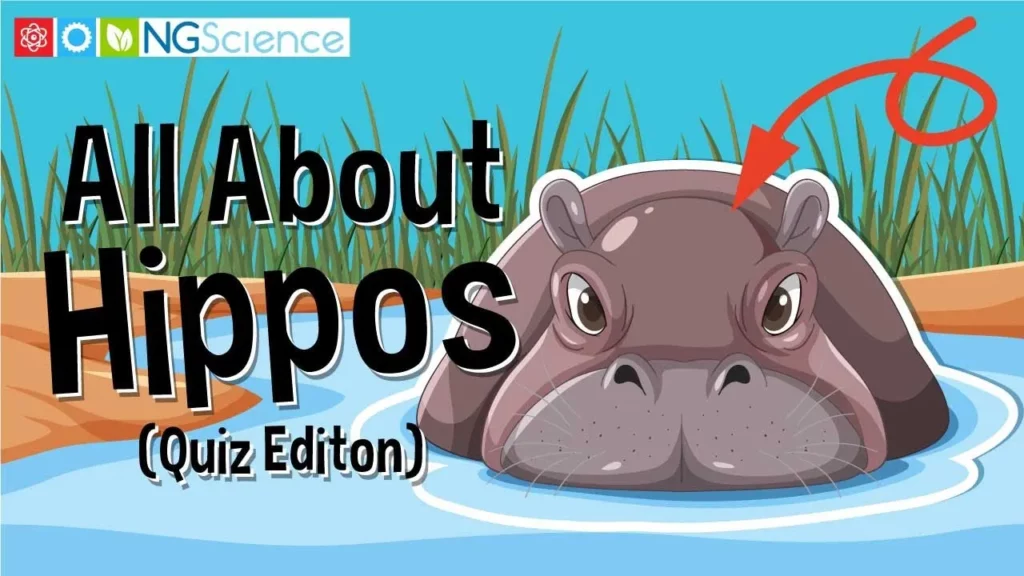
In this lesson, students explored the fascinating world of hippopotamuses, learning about their habitat, physical characteristics, diet, social behavior, and the threats they face. Hippos are large, semi-aquatic herbivores native to sub-Saharan Africa, known for their impressive size and social structures. The lesson emphasizes the importance of protecting hippos and their ecosystems, encouraging students to spread awareness and take the accompanying quiz to reinforce their knowledge.
Seed Dispersal – Nature’s Ingenious Way of Spreading Life (Quiz Edition)
The lesson on seed dispersal explores the various ingenious methods plants use to spread their seeds, ensuring they find suitable locations for growth. It highlights the importance of seed dispersal in promoting biodiversity and maintaining healthy ecosystems, detailing methods such as wind, water, animal, and explosive dispersal. By understanding these mechanisms, we can appreciate how plants adapt to their environments and contribute to ecological balance.
All About Dung Beetles
This lesson introduces dung beetles, fascinating insects that play a crucial role in the environment by feeding on animal waste. With their strong legs and sensitive antennae, they skillfully roll dung into balls, which they bury for food and as a safe place for their eggs. Dung beetles are essential decomposers, helping to recycle nutrients back into the soil and maintain ecological balance.
Herbivores, Carnivores and Ominvores
This lesson explores the dietary classifications of animals, highlighting three main types: herbivores, carnivores, and omnivores. Herbivores, such as cows and giraffes, primarily consume plants, while carnivores, like lions and sharks, eat meat. Omnivores, including bears and raccoons, have a varied diet that includes both plants and animals, allowing them to adapt to different environments and seasons.
Life on Earth – The Habitable Zone
The lesson explores why Earth is the only known planet that supports life, highlighting its unique position in the habitable zone between Venus and Mars. Key factors include the presence of liquid water, which is essential for all living organisms, and Earth’s atmosphere, which provides necessary gases and regulates temperature. Together, these elements create a balanced environment that allows a diverse range of life to thrive on our planet.
The Fascinating World of Exoskeletons
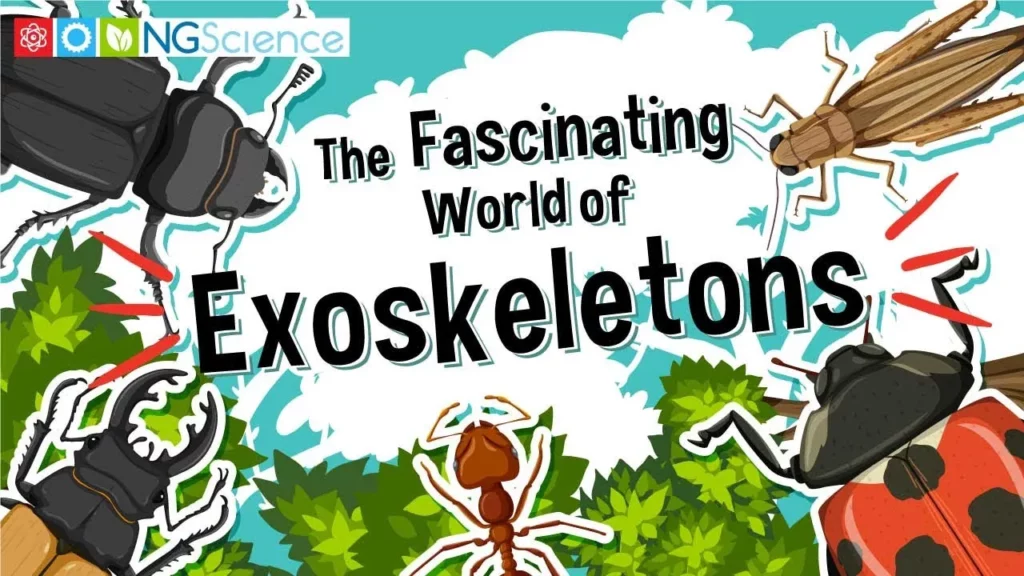
The lesson explores the intriguing world of exoskeletons, highlighting that while many animals possess an internal skeleton (endoskeleton), a significant portion of the animal kingdom consists of invertebrates that rely on exoskeletons for support and protection. These hard outer shells, made of chitin, provide various benefits such as defense and muscle attachment, but also present challenges, particularly the need for molting to accommodate growth. Overall, exoskeletons exemplify the diverse adaptations of animals in their environments.