
All About Jellyfish
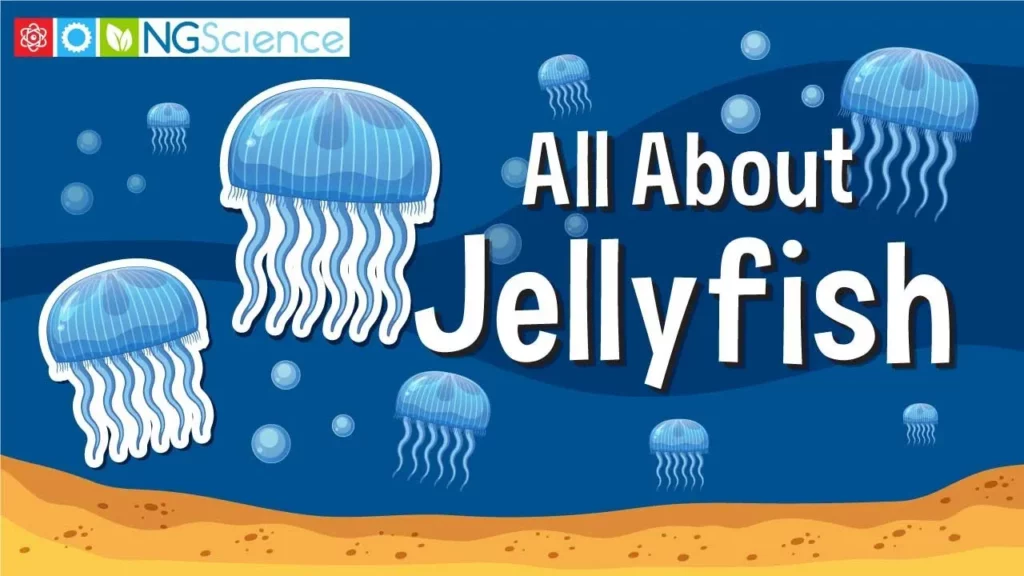
The lesson on jellyfish explores their unique characteristics as invertebrates, highlighting their soft, water-filled bodies and the absence of bones, brains, and hearts. It covers various types of jellyfish, such as the Moon, Lion’s Mane, Box, and Cannonball jellyfish, along with their life cycle stages from larvae to adult forms. Additionally, the lesson discusses the dual impact of jellyfish on humans, noting their potential dangers due to stings and their role in certain cuisines, as well as their significance in scientific research.
Forces and Motion – Magnitude and Direction

In this lesson on forces and motion, we learn that a force is a push or pull that causes objects to move. The magnitude (strength) and direction of a force are crucial, as they determine how fast and far an object will move; for example, a gentle kick moves a ball slowly, while a hard kick sends it flying. Understanding these concepts helps us grasp how and why objects move in various ways in our everyday lives.
Mountain Ranges of the World

The lesson on mountain ranges highlights the geological processes that create these majestic formations, such as tectonic plate movement and volcanic activity. It explores notable ranges like the Alps, Rockies, Andes, and Himalayas, each characterized by distinct ecosystems, wildlife, and cultural significance. Additionally, mountains play a vital role in the Earth’s water supply and offer unique opportunities for recreation and spiritual connection.
What Are Moons?

In this lesson, we explored the concept of moons, which are natural satellites that orbit planets in our solar system. While Earth has one moon that reflects sunlight, other planets have varying numbers of moons, with Jupiter having the most at 79. We also learned about the different materials that make up moons and the importance of continuing to explore and understand the fascinating objects in our solar system.
Otterly Adorble: The Life of Otters
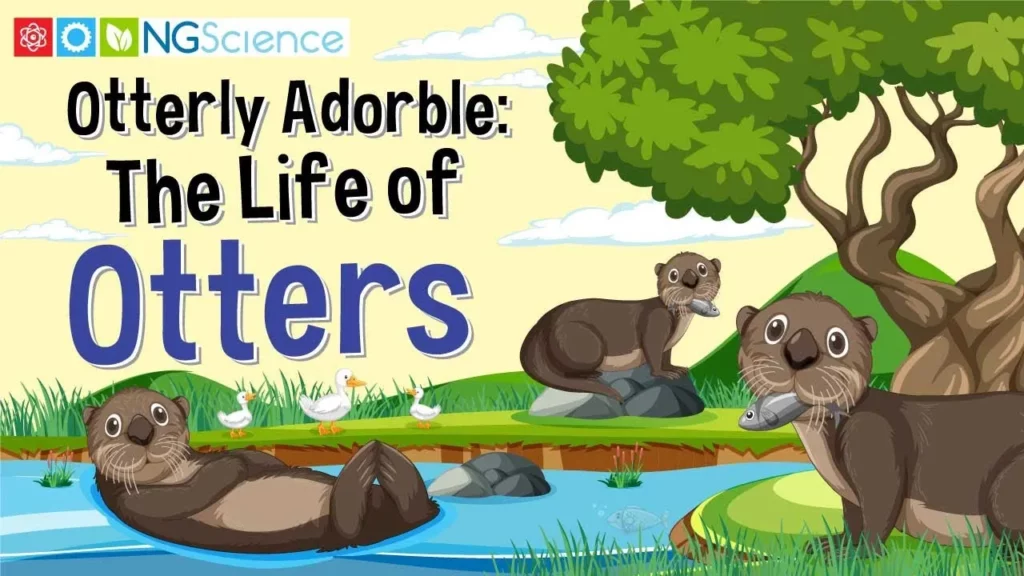
The lesson “Otterly Adorable: The Life of Otters” explores the fascinating world of otters, highlighting their playful nature, adaptability to aquatic life, and social behaviors. It discusses the different types of otters, their diets, and the importance of sea otters as a keystone species in their ecosystems. Additionally, the lesson emphasizes the threats otters face and the need for conservation efforts to protect these remarkable creatures.
Earth’s Landforms – Hills, Valleys and Plains
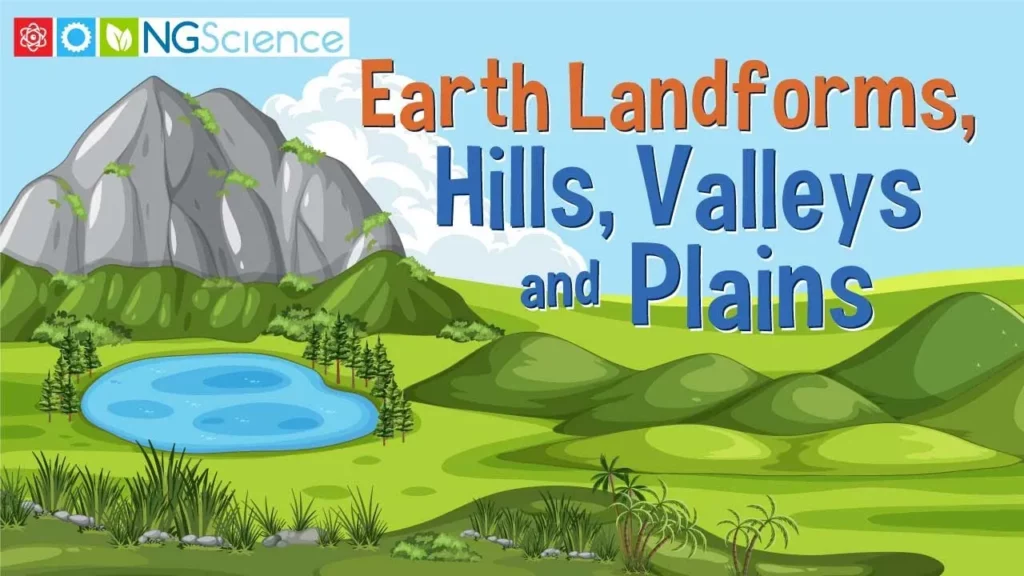
In this lesson, we explored three significant landforms of Earth: hills, valleys, and plains. Hills are elevated areas that provide habitats and recreational opportunities, valleys are low-lying regions formed by rivers and glaciers that support agriculture and drainage, and plains are flat expanses with fertile soil ideal for farming. Each landform plays a crucial role in shaping our environment and supporting diverse ecosystems.
Butterflies – The Wonderful World of Butterlfies
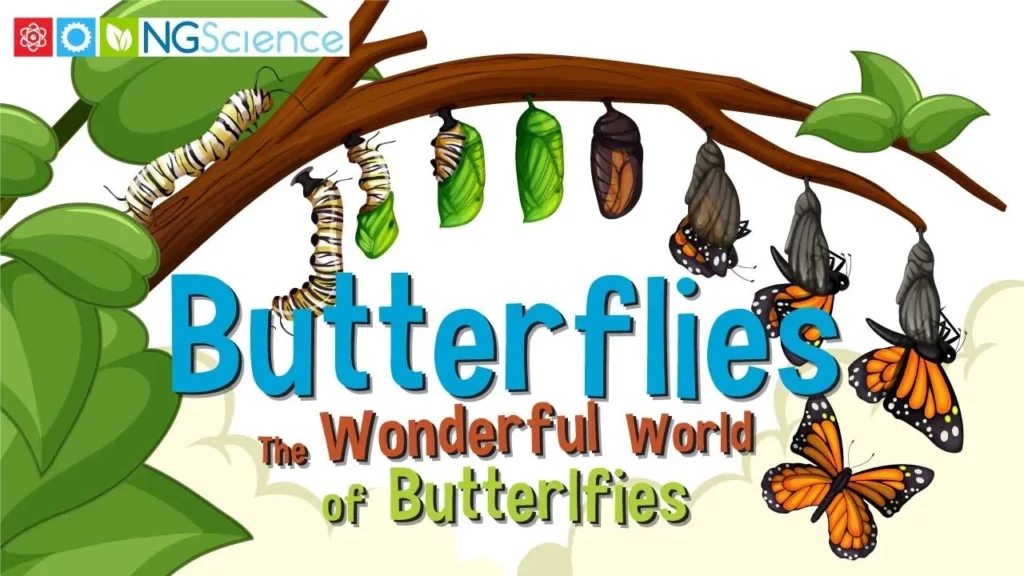
This lesson introduces the fascinating world of butterflies, highlighting their unique characteristics, diverse habitats, and vital role in ecosystems as pollinators. It explains their life cycle, which includes four stages: egg, caterpillar, chrysalis, and adult, using the Monarch butterfly as a key example. Through engaging content and a quiz, learners are encouraged to appreciate and observe these enchanting insects in their natural surroundings.
All About the Dinosaurs
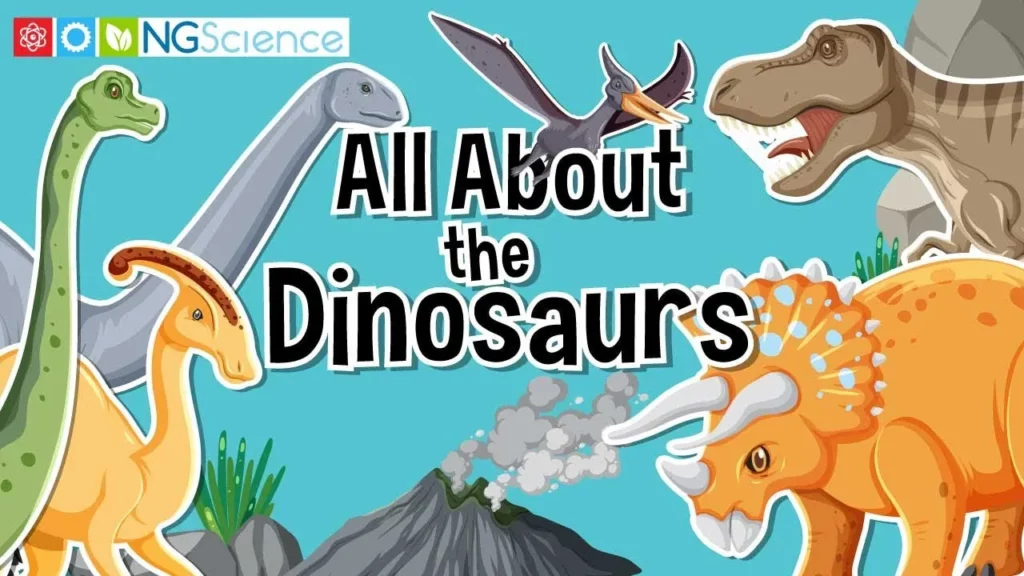
The lesson “All About the Dinosaurs” explores the fascinating world of dinosaurs, which roamed the Earth for over 160 million years, from their emergence in the Triassic period to their extinction around 65 million years ago. It highlights their diverse characteristics, including their varying sizes, diets, and adaptations, as well as introduces notable species like Tyrannosaurus Rex, Triceratops, and Brachiosaurus. Through this journey, students gain insight into the incredible diversity and ecological roles of these ancient reptiles, sparking curiosity about their history and significance.
Animals and Offspring – Caring for Young
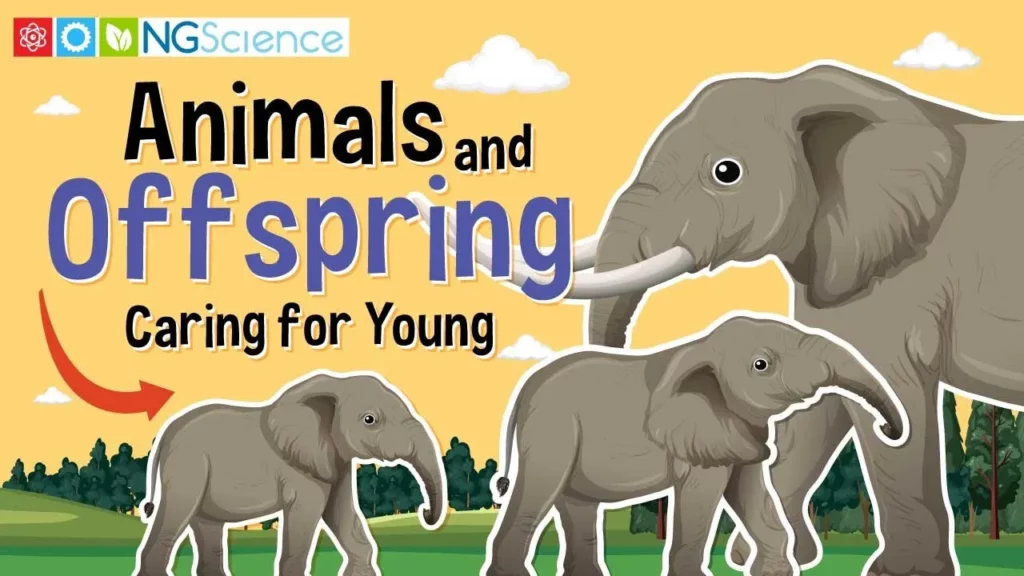
The lesson explores the diverse and fascinating ways animals care for their young, highlighting the importance of parental support in providing food, safety, and education. From mother cats feeding their kittens to elephants nurturing their calves within a supportive herd, each species employs unique strategies to ensure the survival and independence of their offspring. Overall, the lesson emphasizes the critical role of animal parents in helping their young thrive in various environments.
Meet the Numbers
In the “Meet the Numbers” lesson, students are introduced to basic numbers from zero to ten and their significance in counting everyday objects. The lesson emphasizes the fun and utility of numbers, encouraging children to practice counting and to observe numbers in their surroundings. By engaging with numbers, students learn that they are valuable tools that help us understand and quantify the world around us.