
Meet the Math Facts Addition & Subtraction – 1+10=11
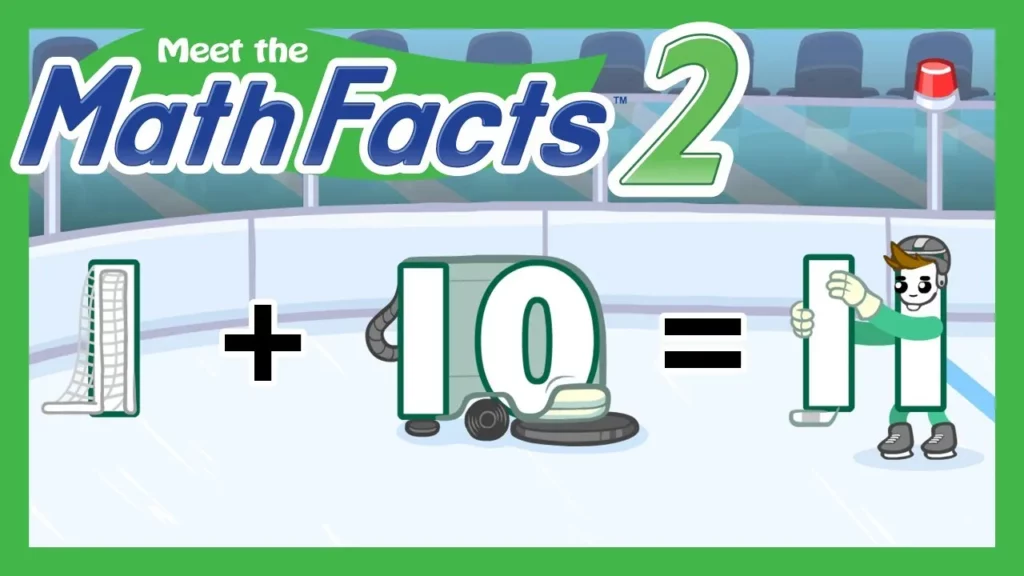
In this lesson, young learners are introduced to the concept of adding numbers by relating it to counting. Through engaging examples, such as adding 1 apple to 10 apples, children practice addition and are encouraged to use their fingers or drawings to help them count. The lesson emphasizes that with practice, they can become confident in their math skills and enjoy the adventure of exploring numbers.
Meet the Letters – A
In this lesson, young learners are introduced to the letter A, the first letter of the alphabet. They explore its shape, sounds, and words that begin with A, such as apple, ant, and airplane, while engaging in activities like singing a song and practicing writing the letter. The lesson emphasizes the importance of recognizing and pronouncing the letter A, encouraging children to continue their journey in learning the alphabet.
Meet the Letters – e
In today’s lesson, young learners explored the letter “e,” discovering its shape, sound, and significance. They practiced identifying objects that start with the “e” sound, engaged in a fun song about the letter, and practiced writing it. The lesson emphasized the importance of the letter “e” in language and encouraged students to continue finding it in their surroundings.
Meet the Letters – f
In this lesson, students are introduced to the letter “F,” exploring its shape, sound, and words that begin with it, such as “fish” and “frog.” They engage in activities like drawing objects that start with “F” and searching for items around them that begin with the letter, reinforcing their understanding through fun and interactive learning. The lesson emphasizes the joy of learning letters and encourages continued practice.
Meet the Letters – F
The lesson introduces the letter F, highlighting its importance in the English alphabet and its role in forming words and sounds. Students learn how to pronounce the letter F, explore common words that begin with it, and discover fun facts about its uses in various contexts. The lesson encourages practice through writing, speaking, and engaging in word games to enhance vocabulary and pronunciation skills.
Meet the Letters – G
In today’s lesson, we explored the letter G, learning about its shape, sound, and words that begin with it, such as “giraffe” and “guitar.” We practiced writing both the uppercase and lowercase G, and engaged in a fun activity to find objects around us that start with the letter. Overall, the lesson emphasized the excitement of learning about letters and encouraged continued practice.
Meet the Letters – H
In this lesson, students are introduced to the letter H, learning its shape, sound, and words that begin with it, such as “hat,” “house,” and “horse.” The lesson includes interactive elements like a game to find objects that start with H and a fun song to reinforce the learning. Overall, it emphasizes the joy of discovering the letter H and encourages continued practice.
Meet the Letters
In the “Meet the Letters” lesson, children are introduced to the alphabet and the unique sounds and shapes of each letter, starting with A, B, and C. Through engaging examples like “A is for Apple” and “B is for Ball,” kids learn to recognize and pronounce letters while discovering their importance in reading and writing. The lesson encourages exploration and practice, making learning about letters a fun and interactive adventure.
Meet the Math Facts Addition & Subtraction – 3+10=13
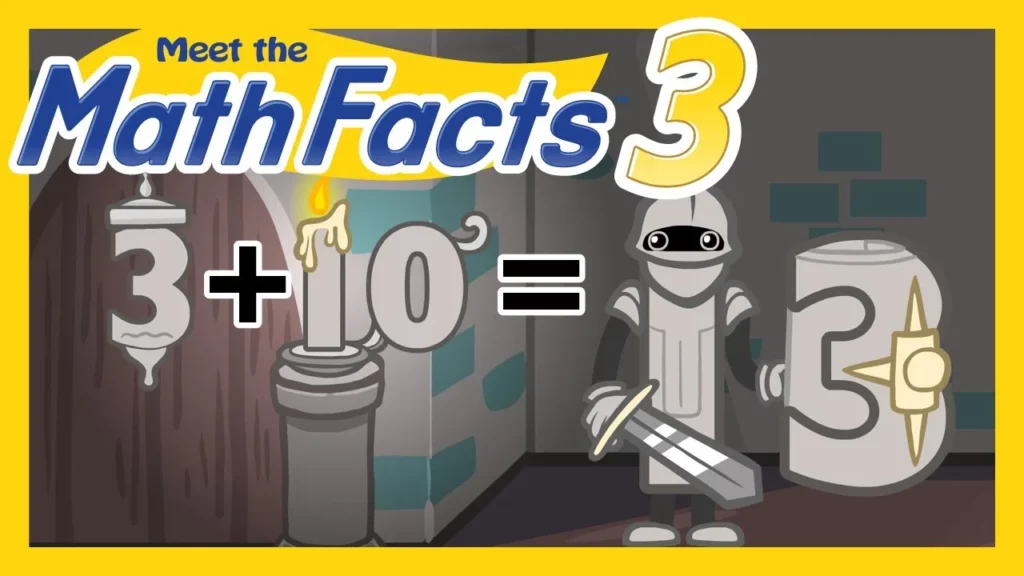
In this lesson, students learn the concept of addition by combining numbers, illustrated through a relatable example of adding apples. They practice counting to the total and are encouraged to apply their skills with everyday objects like toys or snacks. The lesson emphasizes the fun and exploratory nature of math, likening it to solving a puzzle.
Meet the Math Facts Addition & Subtraction – 4+10=14
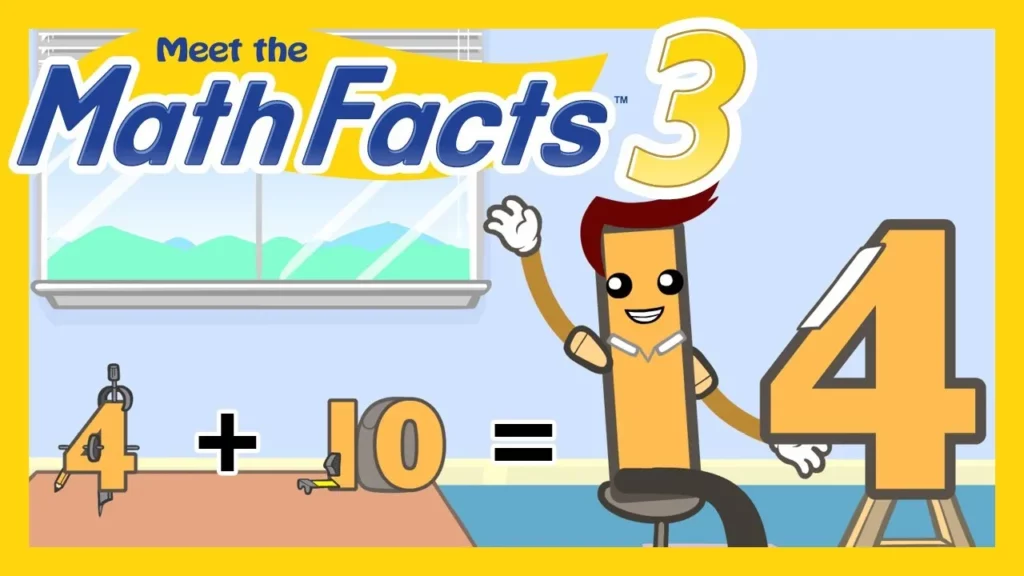
In today’s lesson, we explored the concept of addition by learning how to combine numbers to create a larger total. We specifically practiced adding four and ten, discovering that their sum is fourteen, and emphasized the importance of using counting tools like fingers or toys to assist in the process. With continued practice, students are encouraged to view math as a fun puzzle to solve, building their confidence in addition skills.