
Meet the Phonics Letter Sounds – a
In this lesson, students are introduced to the letter “A,” its sound, and various words that begin with it, such as “astronaut,” “asteroid,” and “alien.” The lesson emphasizes the importance of practicing the “A” sound through engaging activities, including a fun song to reinforce learning. Overall, it encourages students to explore and enjoy the process of learning about letters and their sounds.
Meet the Phonics Letter Sounds – b
In this lesson, students learn about the letter B, focusing on its sound, which is pronounced as “buh.” They explore words that start with B, such as “break,” “beak,” and “brother,” and are encouraged to think of additional examples. The lesson includes practice saying the B sound and a fun activity where students find items in their environment that begin with the letter B.
Meet the Phonics Letter Sounds – c
This lesson focuses on the phonics of the letter ‘C’, highlighting its two primary sounds: the hard ‘C’ (as in “cat”) and the soft ‘C’ (as in “city”). Understanding when to use each sound is essential for proper pronunciation and spelling, and the lesson provides practical tips for mastering these sounds through listening, word sorting, and reading aloud. Additional resources are suggested to further enhance learning and reinforce phonics skills.
Meet the Math Facts Multiplication & Division – 3 x 4 = 12
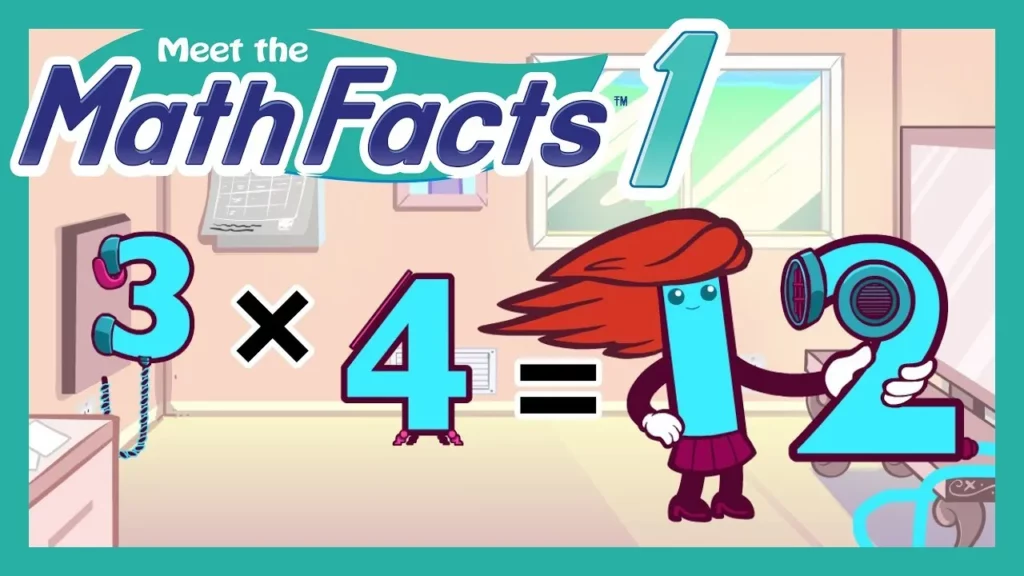
In this lesson, students learn about multiplication using the example of 3 times 4, which equals 12. By visualizing three groups of four apples, they understand that multiplication is essentially repeated addition. The lesson encourages practice by counting other objects in groups, reinforcing the concept that math can be both fun and practical.
Meet the Math Facts Multiplication & Division – 6 x 11 = 66
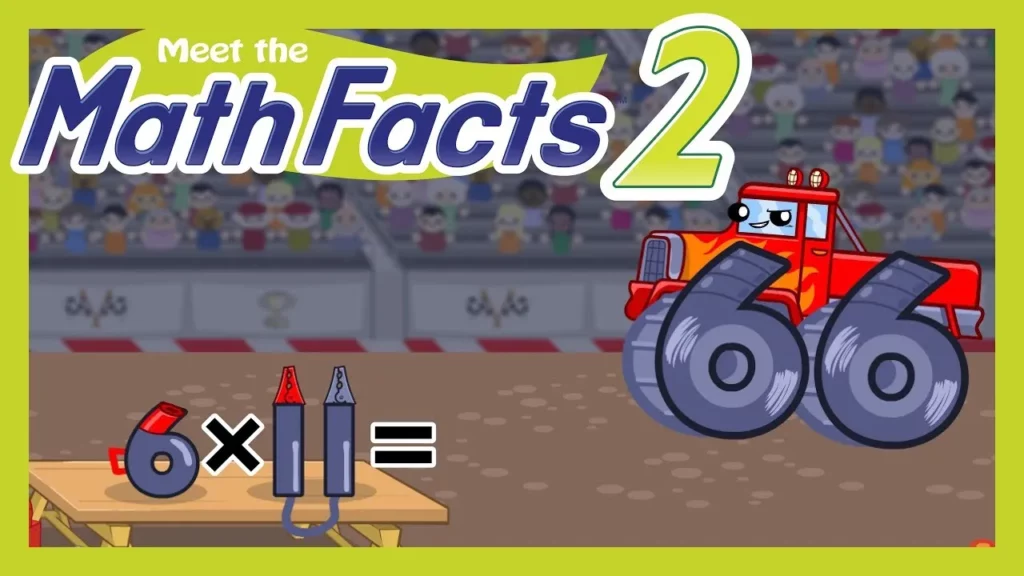
In this lesson, students learn that multiplication is a method of adding the same number repeatedly, illustrated through the example of 6 groups of 11 apples totaling 66. The lesson emphasizes the importance of practice, such as counting by elevens, to strengthen multiplication skills, while also highlighting the everyday applications of multiplication in various activities. Overall, students are encouraged to continue exploring and practicing math to enhance their understanding and proficiency.
Meet the Math Facts Multiplication & Division – 9 x 11 = 99
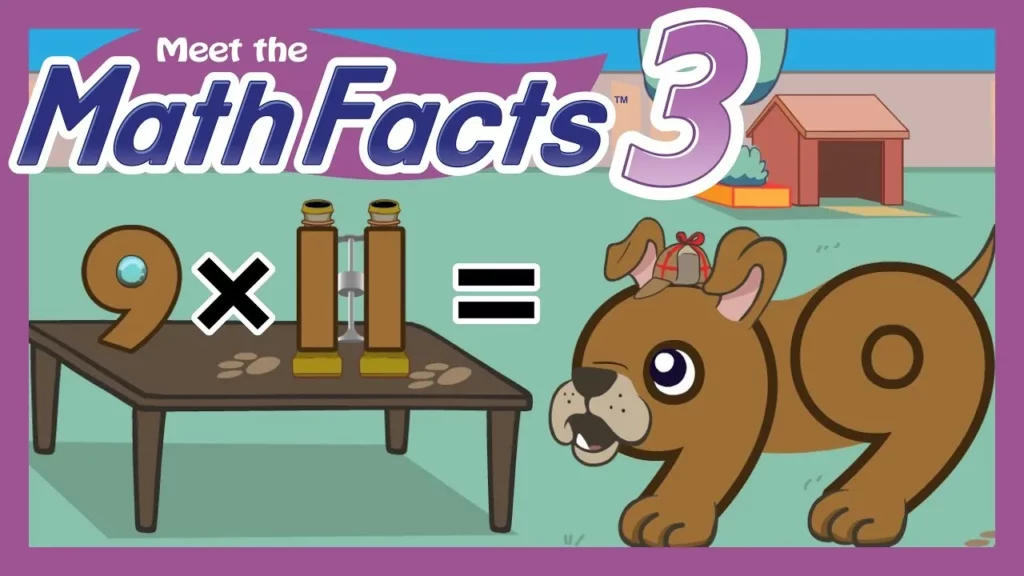
In this lesson, students learn the multiplication fact that 9 times 11 equals 99, understanding multiplication as repeated addition. They also explore division by discovering that if 99 candies are shared among 11 friends, each friend receives 9 candies. The lesson encourages practice and exploration of math concepts using fun, hands-on activities.
Meet the Phonics Digraphs – ch
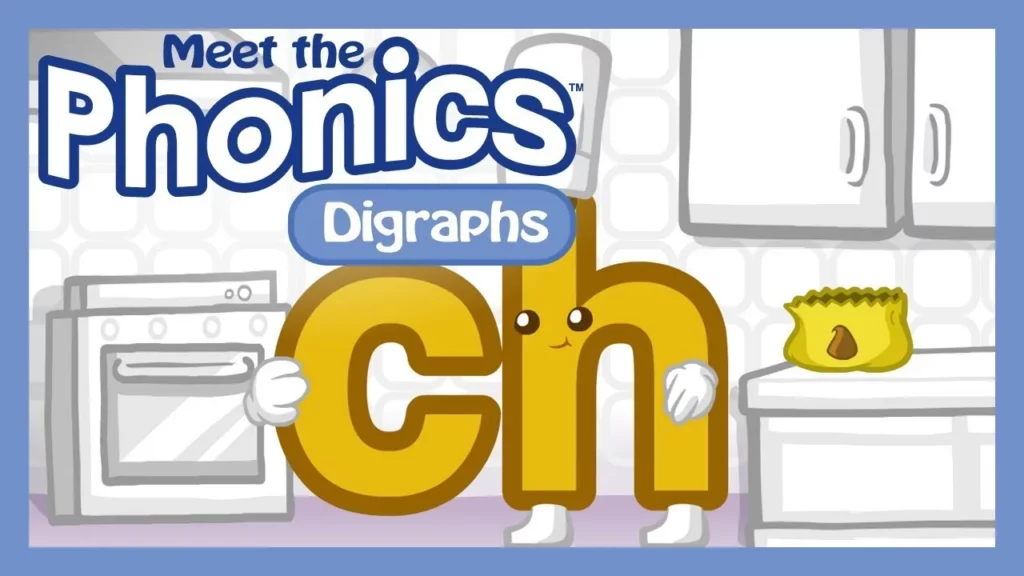
In this lesson, children learn about the phonics digraph “ch,” created by the letters “c” and “h,” which produces the sound heard in words like “cheese” and “check.” Through engaging activities, such as saying words with the “ch” sound and finding items in their environment that contain this sound, students practice and reinforce their understanding. The lesson emphasizes the fun of learning phonics and encourages ongoing practice with family and friends.
Meet the Math Facts – Multiplication Song
In this lesson, students are introduced to multiplication through engaging explanations and examples for numbers one to twelve. Each section illustrates how multiplying by a specific number can be understood as repeated addition, making the concept accessible and fun. By the end of the lesson, learners are encouraged to practice their multiplication facts to enhance their skills.
Meet the Letters – I
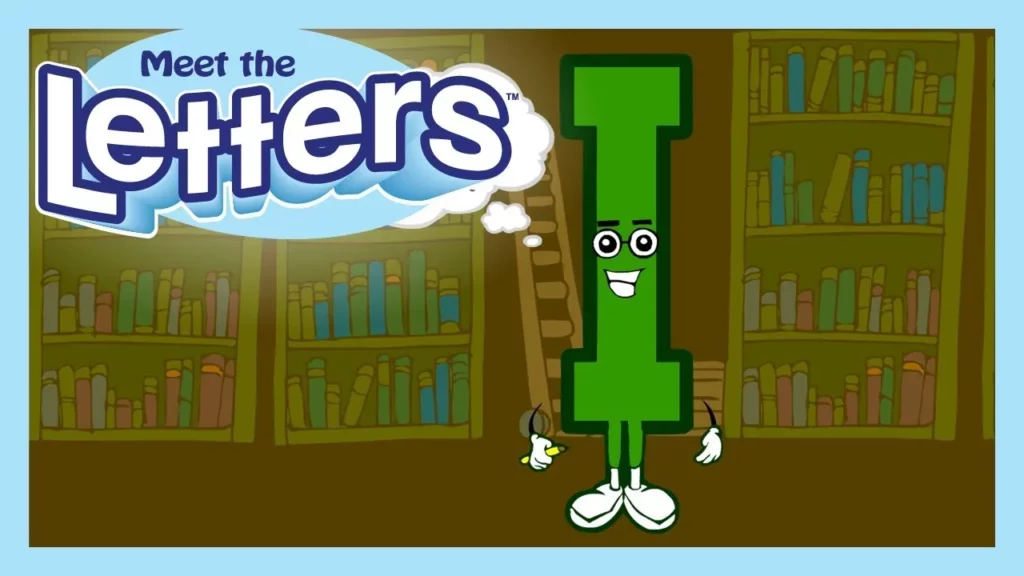
In today’s lesson, young learners explored the letter “I,” discovering its shape, sound, and words that begin with it, such as “igloo” and “insect.” They engaged in activities like drawing the letter in the air, finding items that start with “I” around them, and practicing writing it on paper. The lesson concluded with a fun fact that the letter “I” can also stand alone as a word, emphasizing its significance in language.
Meet the Phonics Digraphs – gh
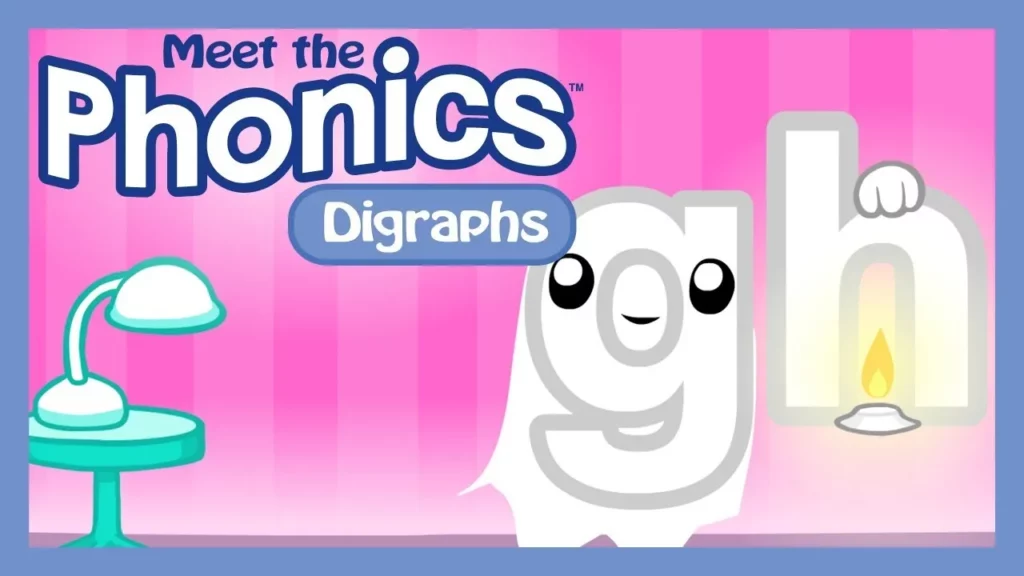
In this lesson, students learn about the phonics digraph “gh,” which can either be silent or pronounced as an “f” sound, as seen in words like “light” and “laugh.” Through practice and a fun activity, learners are encouraged to identify “gh” sounds in their environment, reinforcing their understanding of digraphs and enhancing their reading and writing skills. The lesson emphasizes the importance of recognizing the different sounds that “gh” can make, fostering a deeper appreciation for phonics.