
The Life Cycle of a Butterfly – Science for Kids
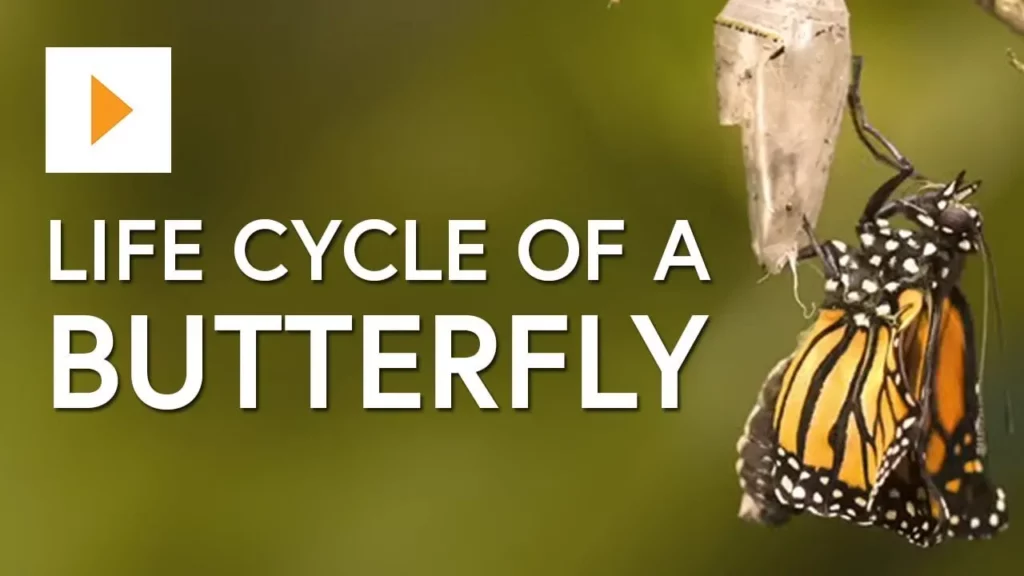
The lesson on “The Life Cycle of a Butterfly” introduces children to the fascinating transformation of butterflies, which undergo four distinct stages: egg, caterpillar, pupa, and adult butterfly. It highlights the process of metamorphosis, emphasizing how a caterpillar evolves into a butterfly, and encourages students to think about other animals that experience similar life cycles. This exploration not only enhances their understanding of nature but also prompts them to reflect on their own growth and changes.
The Feudal System And The Domesday Book
The lesson discusses the establishment of the feudal system by William the Conqueror to effectively govern England after his conquest. This hierarchical system organized land ownership and responsibilities among the king, tenants-in-chief, knights, and peasants, ensuring military support and agricultural production. Additionally, the Domesday Book was created as a comprehensive record of land ownership, facilitating efficient taxation and control over the country.
The Theme Of Social Responsibility In An Inspector Calls
In “An Inspector Calls,” J.B. Priestley explores the theme of social responsibility through the contrasting ideologies of the capitalist Arthur Burling and the socialist inspector. The tragic story of Eva Smith reveals the selfish actions of the Burling family, prompting a reflection on the consequences of their choices and the importance of community support. Ultimately, Priestley calls for a more compassionate approach to life, emphasizing that individuals have a duty to consider the impact of their actions on others.
Understanding Global Atmospheric Circulation

The lesson on “Understanding Global Atmospheric Circulation” explains how variations in climate across different regions, such as the Scilly Isles and St. John’s, can be attributed to factors like ocean currents and atmospheric circulation. The Gulf Stream, for instance, significantly influences temperatures by transporting warm water, while the Earth’s position relative to the Sun affects heat distribution, leading to diverse weather patterns globally. By examining these interactions, we gain insight into the complexities of our planet’s climate system.
What Is Harmony Day?
Harmony Day, celebrated annually on March 21, is a special occasion in Australia that honors the country’s rich cultural diversity and promotes respect and appreciation for all its residents. The day emphasizes the importance of living peacefully together, encouraging communities to share their unique traditions and stories while rejecting hatred and racism. Participants often wear orange, the official color of Harmony Day, to symbolize communication and inclusivity, fostering a sense of belonging for everyone, regardless of their background.
The Treaty Of Waitangi

The Treaty of Waitangi, signed on February 6, 1840, is a foundational document in New Zealand’s history, reflecting the complex interactions between Māori and European settlers. The treaty emerged from a context of increasing European presence and concerns over potential French colonization, leading Māori chiefs to seek British protection while also striving for recognition of their nationhood. Understanding the events leading to the treaty highlights the intricate dynamics of sovereignty, trade, and cultural preservation in New Zealand’s early colonial period.
Themes In Frankenstein: The Pursuit Of Knowledge
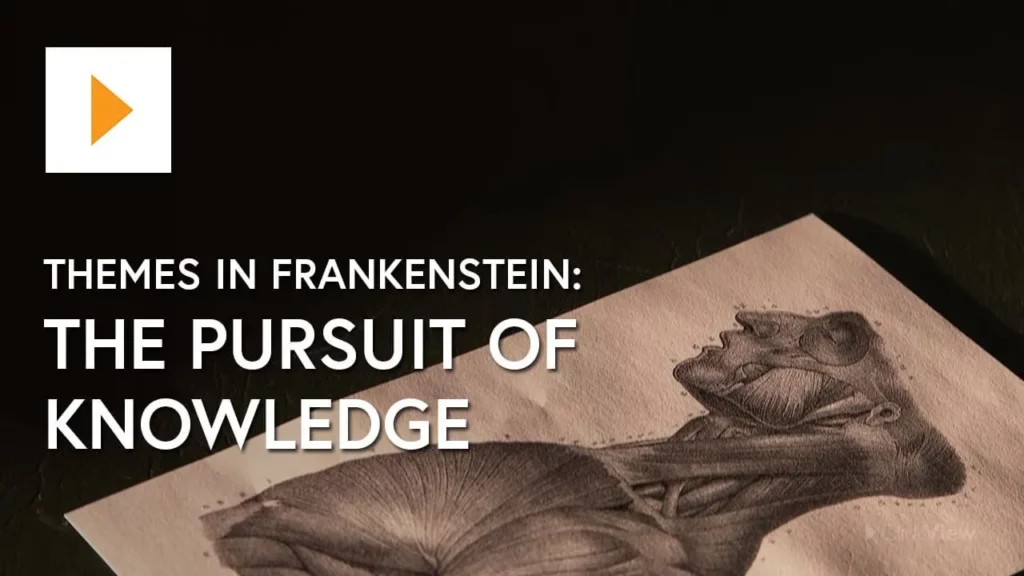
In Mary Shelley’s “Frankenstein,” the pursuit of knowledge is portrayed as a double-edged sword, exemplified through the journeys of characters like Walton, Victor Frankenstein, and the creature. Victor’s ambition to conquer the secrets of life ultimately leads to his isolation and despair, mirroring the tragic fate of Milton’s Satan from “Paradise Lost.” Shelley’s narrative serves as a cautionary tale about the dangers of unchecked ambition and the ethical responsibilities that accompany scientific exploration.
Elements Of Music: Dynamics
In this lesson on the elements of music, students learned about dynamics, which refer to the loudness or softness of sounds in music. They explored special Italian terms such as pianissimo (very soft), piano (soft), forte (loud), and fortissimo (very loud), and practiced clapping at different volumes. The lesson also introduced the concepts of crescendo (gradually getting louder) and decrescendo (gradually getting softer), emphasizing the importance of dynamics in conveying emotions and character in music.
The Merchant Of Venice: Shylock, Bassanio And Portia
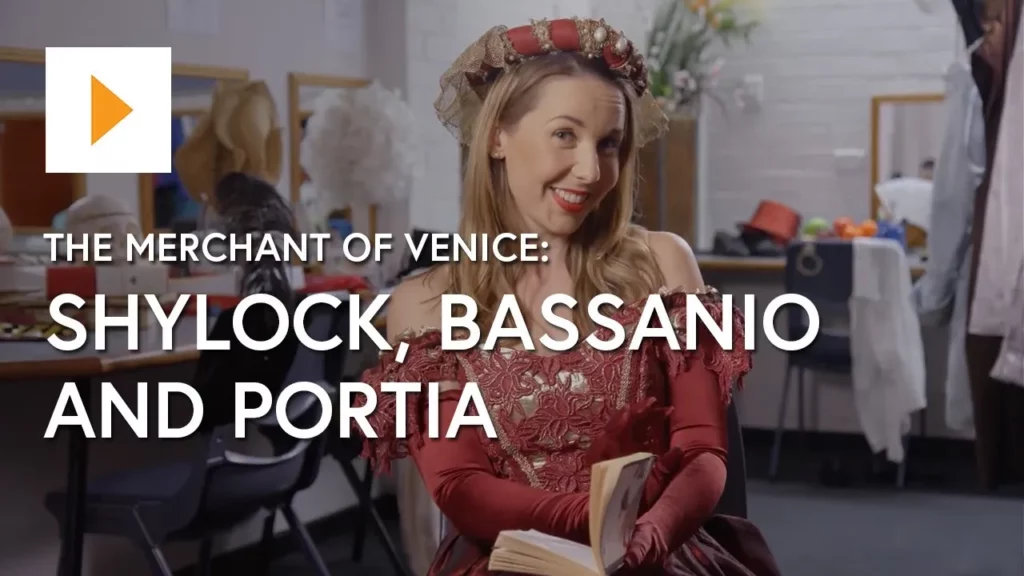
In this lesson on Shakespeare’s *The Merchant of Venice*, we explore the intricate lives of Shylock, Bassanio, and Portia, each representing different facets of human experience and societal issues. Shylock serves as a complex villain, highlighting themes of prejudice and justice, while Bassanio embodies charm and loyalty in his pursuit of love. Portia stands out as a clever heroine who defies societal constraints, ultimately showcasing the play’s exploration of mercy, identity, and the enduring relevance of its themes.
Wellbeing For Children: Identity And Values
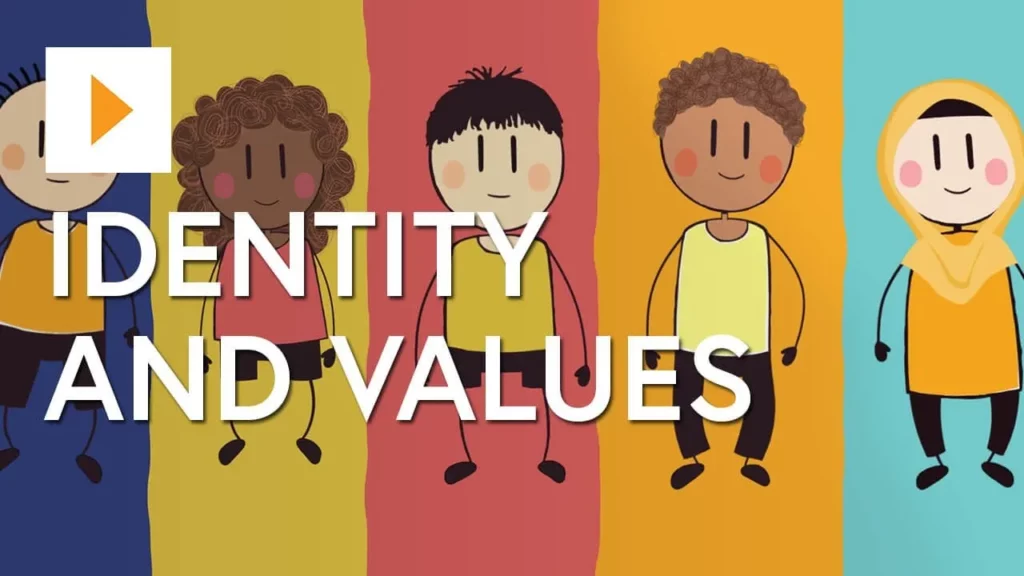
The lesson “Wellbeing For Children: Identity And Values” emphasizes the importance of understanding one’s unique identity, which is shaped by various factors such as culture, language, and personal interests. It highlights that recognizing and embracing personal values, such as honesty and kindness, can boost confidence and lead to success. Additionally, the lesson encourages learning from others with different values to foster open-mindedness and celebrates the idea that everyone is special in their own way.