
Pride And Prejudice: The Character Of Elizabeth Bennet
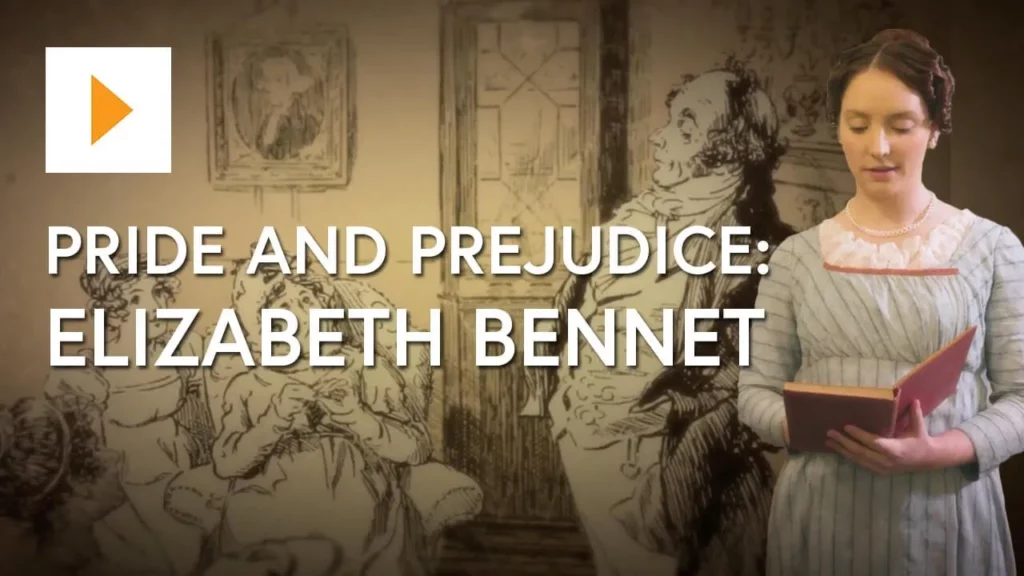
In this lesson, we explore the character of Elizabeth Bennet from Jane Austen’s “Pride and Prejudice,” highlighting her intelligence, wit, and the challenges she faces as a woman in Regency England. As the eldest of five sisters, Elizabeth’s independent thinking and critical view of her family’s dynamics set her apart, allowing her to challenge societal norms and redefine femininity. Through her character, Austen delves into themes of gender roles, family, and personal growth, solidifying Elizabeth as a timeless and relatable figure in literature.
How Do Operating Systems Work?

This lesson explains the essential role of operating systems (OS) in computers, highlighting their evolution from early programming methods like punch cards to modern systems that manage hardware and software resources. Operating systems streamline the interaction between users and the computer, allowing multiple programs to run efficiently without needing individual adaptations for different machines. Ultimately, they are crucial for ensuring that computers operate smoothly and effectively.
Work And Energy

The lesson on “Work and Energy” explains the concept of work in scientific terms, defined as a force moving an object over a distance, measured in joules. It illustrates this concept through examples such as dogs pulling a sled, the landing of a plane, and the dynamics of a car crash, emphasizing how work is involved in various everyday situations and the transfer of energy during these interactions. Understanding these principles helps us grasp how forces affect movement and energy in our environment.
Communist China: The Great Leap Forward

The Great Leap Forward, initiated by Mao Zedong in 1958, aimed to rapidly transform China into a modern industrialized communist nation through collectivization and ambitious production goals. However, the plan led to a catastrophic famine that resulted in the deaths of an estimated 30 to 50 million people, as unrealistic agricultural practices and a focus on steel production undermined food security. Ultimately, the Great Leap Forward was recognized as a significant failure due to human error and mismanagement, prompting a reevaluation of Mao’s policies and leadership within the Communist Party.
Developing a Growth Mindset

The lesson on developing a growth mindset illustrates the importance of embracing challenges and viewing failures as opportunities for growth, using the metaphor of two seeds—one brave and curious, the other fearful and stagnant. It emphasizes that adopting a growth mindset allows individuals to believe in their ability to improve through effort and perseverance, contrasting it with a fixed mindset that can hinder progress. Key strategies for fostering a growth mindset include accepting imperfection, reframing negative thoughts, and viewing challenges as adventures that contribute to personal development.
What Is Hadrian’s Wall?

Hadrian’s Wall, constructed by the Romans starting in 122 AD under Emperor Hadrian, served as a formidable barrier to protect the empire from northern tribes while also symbolizing Roman power and control. The wall featured a complex structure with forts, mile castles, and a military road, showcasing Roman engineering prowess and facilitating trade and interaction with local populations. Its legacy endures as a testament to the Roman Empire’s influence and its efforts to integrate conquered territories into its civilization.
Poetic Devices: Alliteration – Examples & Meaning

The lesson on alliteration introduces this poetic device as a playful way to enhance the musicality and rhythm of poetry through the repetition of initial sounds in words. It emphasizes how alliteration can evoke emotions and create vivid imagery, encouraging students to experiment with their own alliterative phrases. Additionally, the lesson highlights the presence of alliteration in tongue twisters, making the learning process engaging and fun.
Chemical Equilibrium: The Haber Process

The lesson on the Haber Process highlights the significance of nitrogen for plant growth and the necessity for efficient fertilizer production to meet global food demands. It explains how the Haber Process synthesizes ammonia from nitrogen and hydrogen, addressing challenges related to chemical equilibrium and reaction conditions, including the use of catalysts and the influence of temperature and pressure. The development of the Haber-Bosch process further revolutionized ammonia production, greatly impacting agriculture and various industries.
What Is Anxiety?

The lesson on anxiety explains that while it’s normal to feel stressed at times, persistent worries can lead to overwhelming feelings of anxiety. It emphasizes the importance of identifying triggers, recognizing physical and emotional reactions, and employing relaxation techniques to manage anxiety effectively. Additionally, it encourages seeking support from trusted individuals when anxiety significantly impacts daily life.
What Are Informative Texts?

In this lesson, students learn about informative texts, which are resources filled with factual information that help them understand specific topics, such as honeybees. They are taught how to identify these texts by recognizing titles and contents that indicate factual content, as opposed to fictional stories. By understanding the characteristics of informative texts, students will be better equipped to find and utilize accurate information for their projects.