
What Is Fake News?

The lesson on “What Is Fake News?” explains that fake news refers to misleading or false information disseminated through various media platforms, which can significantly influence public perception and decision-making. It highlights the different types of fake news, such as hoaxes, scams, and propaganda, and emphasizes the importance of critical thinking and fact-checking to identify and combat the spread of misinformation in today’s digital age. By understanding the nature of fake news, individuals can better navigate the information landscape and promote accurate reporting.
Alfred Hitchcock’s Rear Window In Context

The lesson explores the origins and context of Alfred Hitchcock’s film “Rear Window,” which was inspired by Cornell Woolrich’s short story “It Had to Be Murder.” It highlights Hitchcock’s mastery of suspense, his innovative filmmaking techniques influenced by the Kuleshov Effect, and the psychoanalytic themes present in his work, reflecting societal norms and fears of the 1950s, particularly during the Cold War and the Red Scare. The film’s exploration of surveillance and paranoia resonates with contemporary issues, making it a timeless commentary on human behavior and societal dynamics.
Wellbeing For Children: Resilience
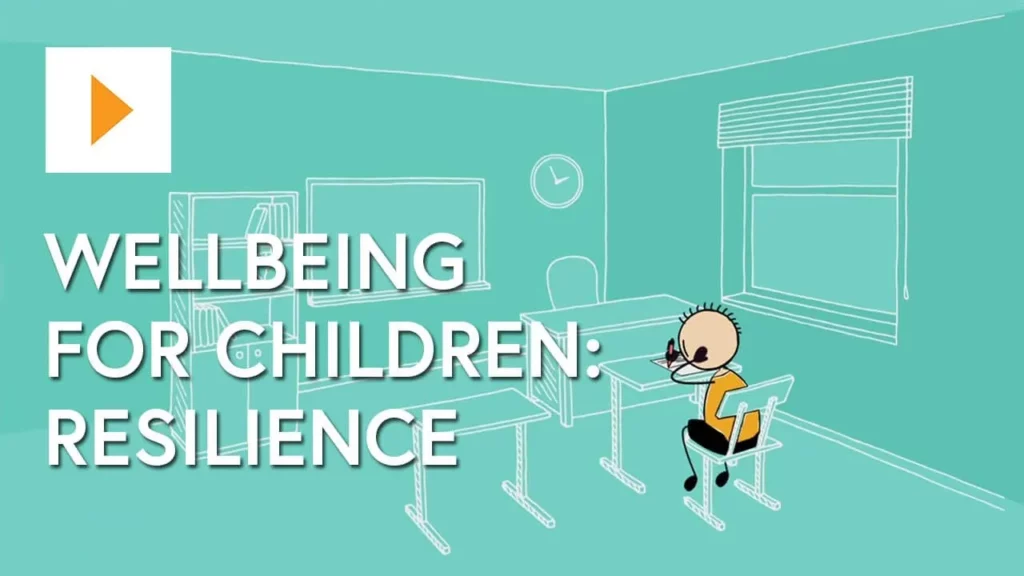
The lesson on “Wellbeing For Children: Resilience” emphasizes the importance of developing resilience as a vital skill for managing emotions and overcoming life’s challenges. It explains that resilience allows individuals to bounce back from difficult situations by recognizing and handling their emotions in healthy ways. Key strategies for building resilience include finding healthy ways to cope with stress, accepting change, practicing deep breathing, and being flexible in the face of unexpected events.
What Is International Women’s Day?
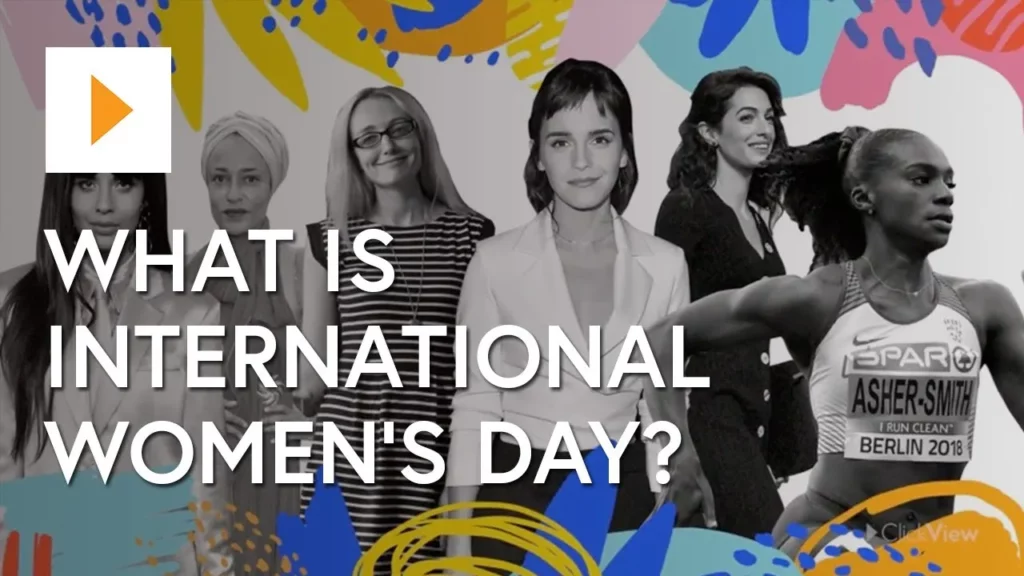
International Women’s Day, celebrated on March 8th, honors the achievements of women and promotes gender equality, emphasizing that everyone should have equal rights and opportunities. Historically, women have fought for their rights, including the right to vote, which was achieved in stages over the last century, thanks to the efforts of activists like Emmeline Pankhurst. Despite progress, challenges remain, such as stereotypes and underrepresentation in leadership roles, highlighting the ongoing need for advocacy and support for women’s rights.
Wellbeing For Children: Motivation
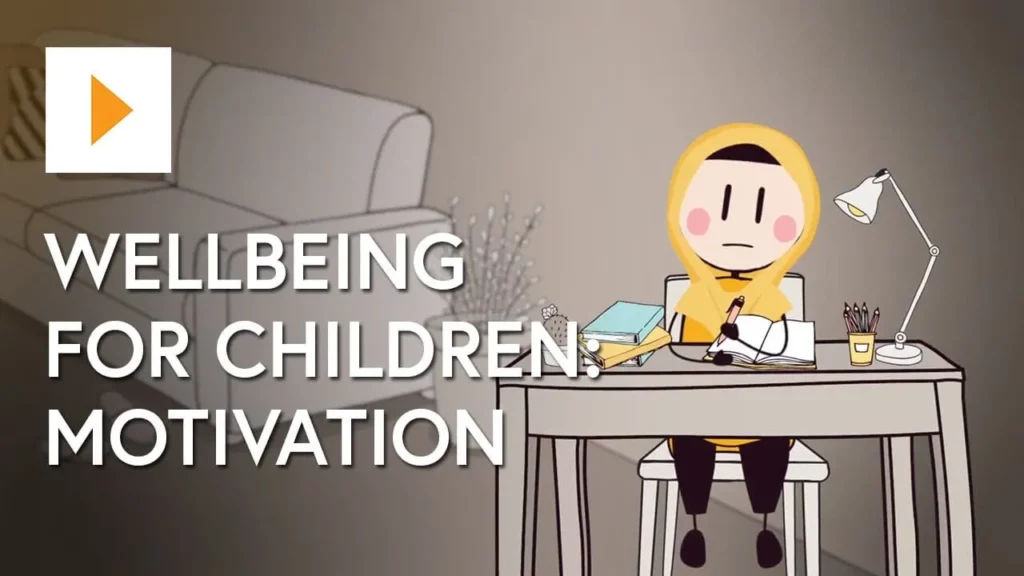
The lesson on “Wellbeing For Children: Motivation” explores the concept of motivation, highlighting its significance in helping individuals accomplish tasks and achieve goals. It distinguishes between internal motivation, driven by personal feelings, and external motivation, influenced by external rewards, while also addressing common barriers such as fear. The lesson provides practical tips for enhancing motivation, such as pairing enjoyable activities with less liked tasks, rewarding oneself, creating habits, and breaking tasks into smaller steps to make them more manageable.
Wellbeing for Children: Healthy Habits
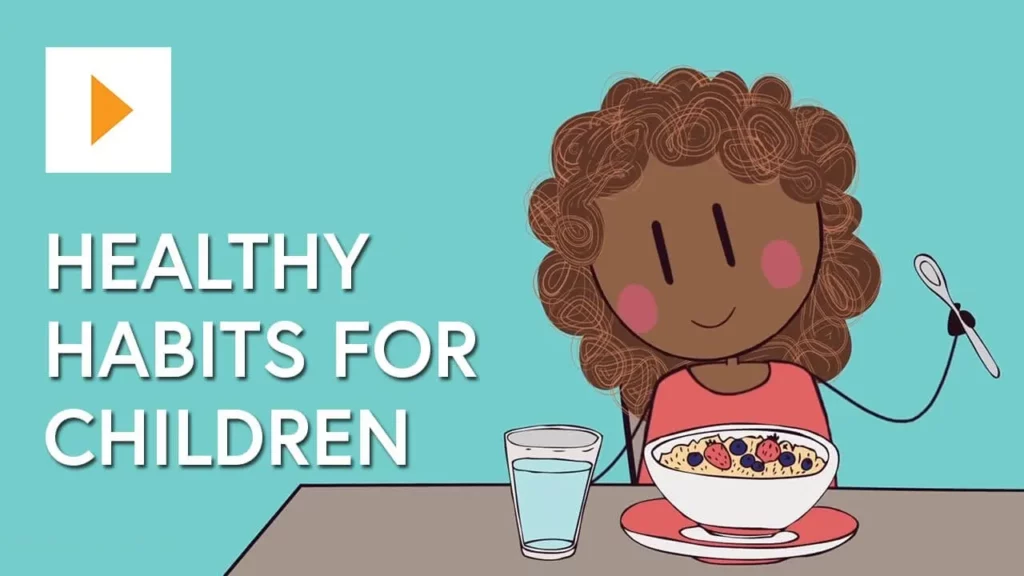
The lesson on “Wellbeing for Children: Healthy Habits” emphasizes the importance of establishing healthy habits to promote physical and mental well-being. It highlights key practices such as eating a variety of nutritious foods, getting adequate sleep, staying active for at least 60 minutes daily, and maintaining a balanced lifestyle. By incorporating these habits, children can enhance their energy levels, focus, and overall happiness.
What is Ramadan?

The lesson explains the significance of Ramadan, the ninth month of the Islamic calendar, which commemorates the revelation of the Quran to the Prophet Muhammad by the angel Gabriel. During this month, Muslims engage in fasting from dawn until sunset to practice self-control, reflect on their faith, and perform good deeds, culminating in the celebration of Eid, a festive gathering with family and friends.
Teaching Students Consent | Respectful Relationships
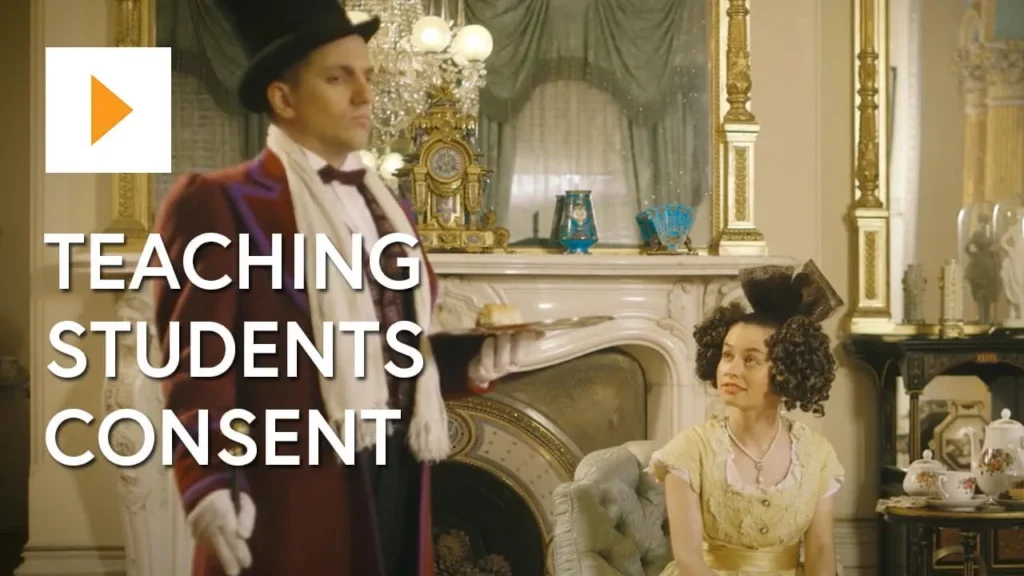
The lesson on “Teaching Students Consent | Respectful Relationships” emphasizes the importance of understanding and practicing consent in building healthy relationships. Through engaging stories, it illustrates that consent can be withdrawn at any time, highlights the necessity of mutual agreement, and stresses that true consent involves enthusiastic participation from both parties. Ultimately, the lesson reinforces that respect for boundaries and clear communication are fundamental to fostering respectful interactions.
Cyberbullying & Digital Citizenship Teaching Resources
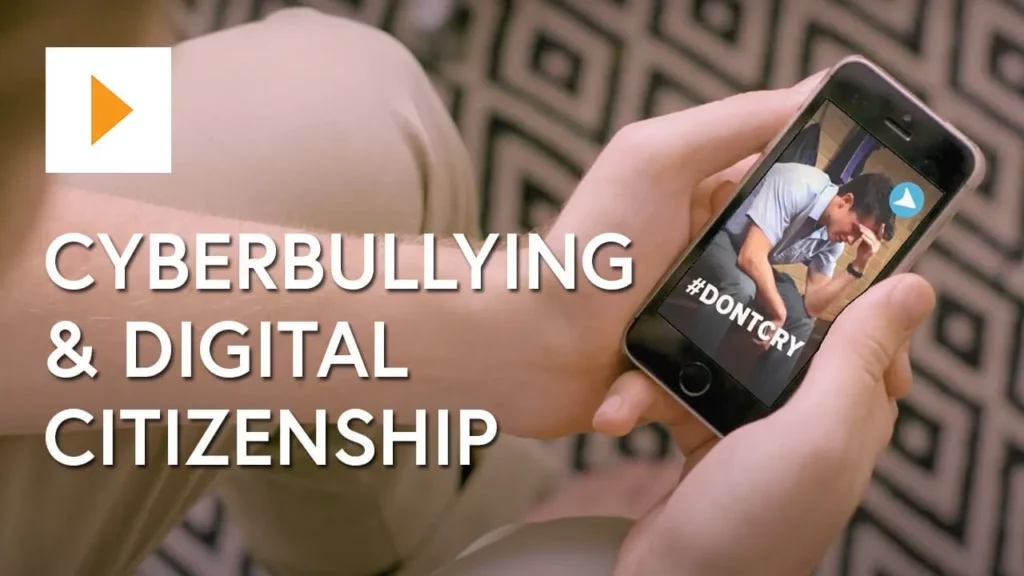
The lesson on “Understanding Cyberbullying and Digital Citizenship” emphasizes the importance of being a responsible digital citizen by treating others with respect and kindness online. It highlights the negative impact of cyberbullying and encourages individuals to use their online presence to support and uplift others, while also owning up to mistakes and practicing empathy. Ultimately, the lesson calls for collective action to create a safer and more positive online environment.
What are the Origins of Easter?

The lesson explores the origins and significance of Easter, a major Christian holiday that celebrates the resurrection of Jesus Christ, who was crucified and buried but rose from the dead on Easter Sunday. It highlights the traditions associated with Easter, such as Holy Week, Good Friday, and joyful celebrations that include Easter egg hunts and special foods like hot cross buns, which symbolize new life and the crucifixion. The lesson also touches on the fun character of the Easter Bunny, emphasizing the diverse ways people celebrate this festive occasion.