
What is Anzac Day?
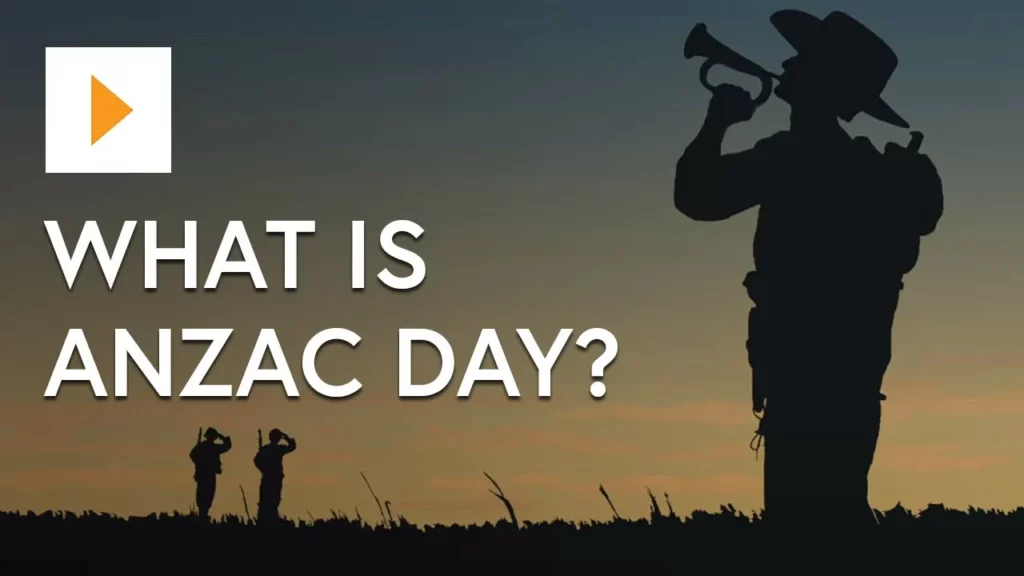
ANZAC Day, observed annually on April 25 in Australia, commemorates the bravery and sacrifices of the Australian and New Zealand Army Corps (ANZAC) during World War One, particularly their ill-fated campaign at Gallipoli in 1915. The day serves as a time to honor not only the fallen soldiers but also the values of courage and mateship that have shaped Australian identity. Traditions such as dawn services, the baking of ANZAC biscuits, and the use of remembrance flowers like red poppies and rosemary help to keep the memory of these soldiers alive and acknowledge the ongoing contributions of military personnel.
What is Climate Change? Explore the Causes of Climate Change
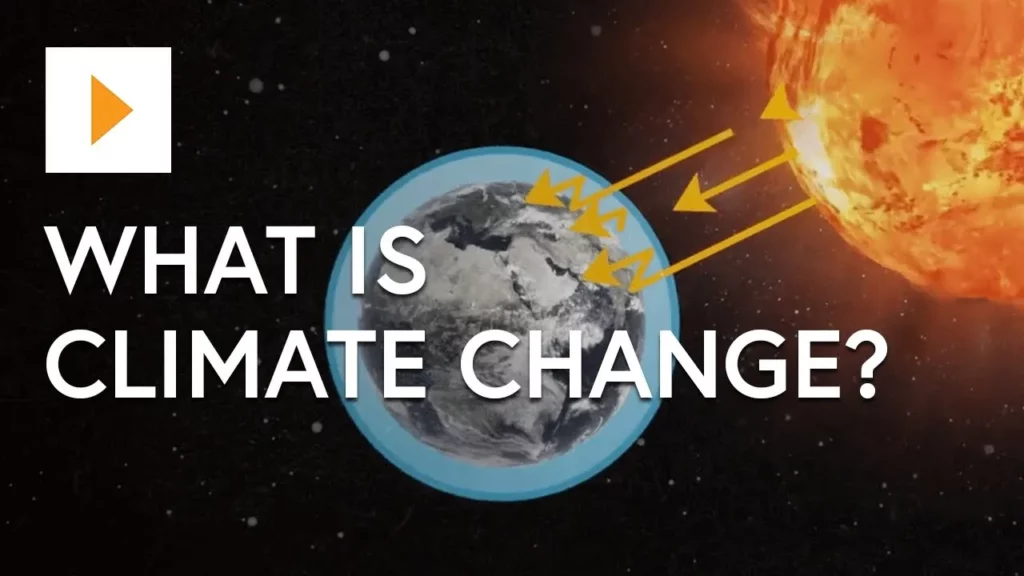
The lesson on climate change explores its definition, causes, and impacts, emphasizing the significant role of human activities, particularly since the industrial revolution, in accelerating global warming through increased greenhouse gas emissions. It highlights the consequences of climate change, such as rising sea levels, extreme weather events, and threats to ecosystems and biodiversity. The lesson also encourages proactive measures at both community and individual levels, advocating for the transition to renewable energy, sustainable practices, and global cooperation to combat this pressing issue.
Managing and Coping with Stress

The lesson on managing and coping with stress highlights the inevitability of stress in life and the importance of effective coping strategies. It distinguishes between avoidance and approach strategies, emphasizing that while both have their advantages and drawbacks, a combination of these methods, along with social support and additional techniques like exercise and biofeedback, can enhance one’s ability to manage stress. Ultimately, the lesson encourages individuals to explore various strategies to better navigate stress and maintain a balanced life.
What is Self-Esteem?

In this lesson on self-esteem, Jules shares personal experiences and insights from contributors like Steve Lester and Lucy Thomas, emphasizing that self-esteem is a multifaceted concept shaped by our self-perception and how we believe others view us. The lesson highlights the importance of self-worth, the impact of social media on our self-image, and the need for balance in self-esteem, advocating for self-compassion and resilience in the face of negativity. Ultimately, it encourages readers to recognize their inherent value and embrace their journey of self-discovery.
How does Social Media affect Self Esteem?

In this lesson, Jules discusses the impact of social media on self-esteem, emphasizing that while it can often lead to negative feelings through comparison and unrealistic portrayals, it can also foster positive connections and support when used wisely. She encourages users to reflect on their motivations for engaging with social media, highlighting the importance of authenticity and meaningful relationships over superficial validation. Ultimately, Jules advocates for a balanced approach to social media that prioritizes genuine interactions and self-acceptance.
What Are Tectonic Plates? Our Earth and Its Movements
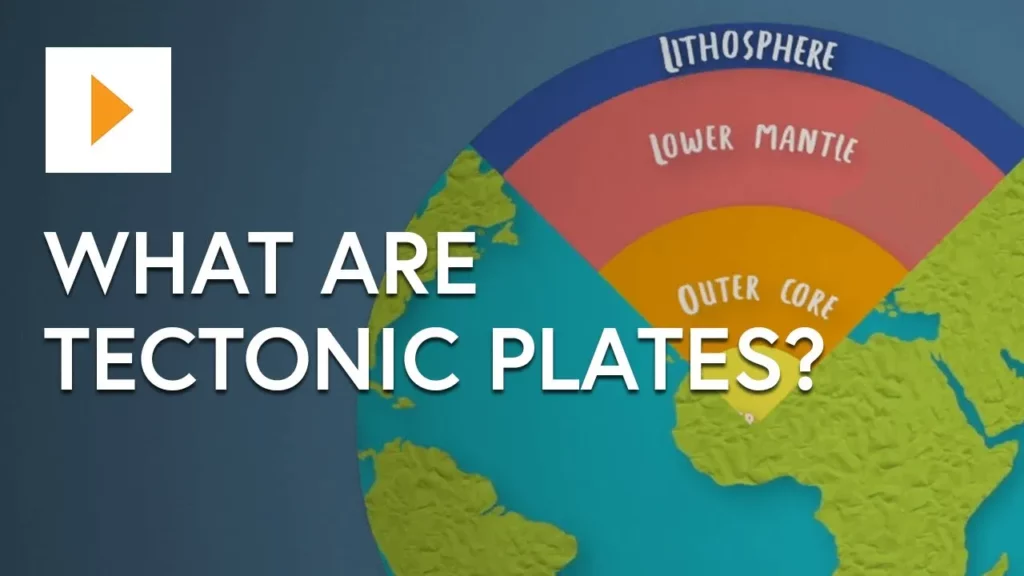
The lesson explains the structure of the Earth, highlighting its three main layers: the crust, mantle, and core, with a focus on the lithosphere, which consists of tectonic plates. These plates, which fit together like a jigsaw puzzle, are constantly moving due to convection currents in the mantle, leading to geological phenomena such as continental drift, earthquakes, and volcanic activity. The lesson also describes the three types of plate boundaries—constructive, destructive, and conservative—and their associated geological features and events.
What Are Volcanoes and How Are They Formed?
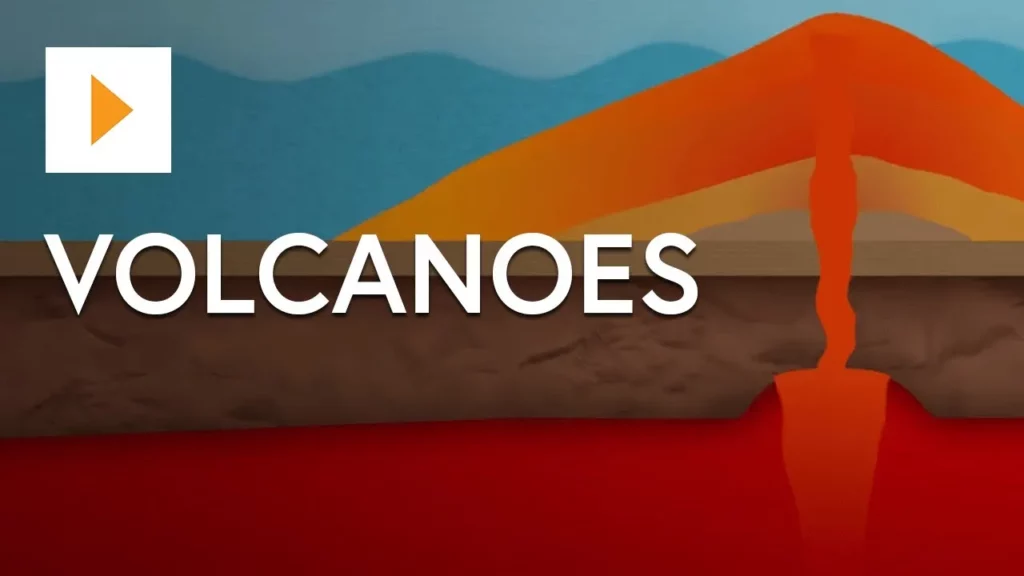
This lesson explores the nature and formation of volcanoes, highlighting their role as dynamic features of the Earth’s crust. It explains how volcanoes typically form at tectonic plate boundaries—either at destructive margins, where one plate sinks beneath another, or at constructive margins, where plates pull apart. Additionally, it discusses the types of volcanoes, such as composite and shield volcanoes, and emphasizes the significance of the “Ring of Fire” and hot spot volcanoes in understanding Earth’s geological activity.
Global Connections: Migration, Education and Trade
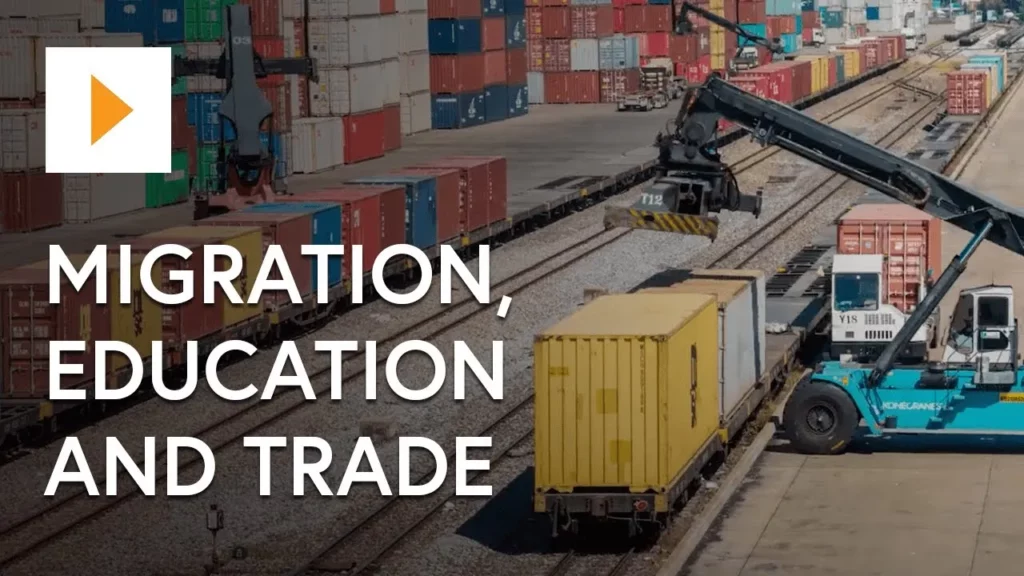
The lesson explores the interconnectedness of the world through migration, education, and trade, highlighting how these elements enrich cultures and foster economic growth. Migration allows individuals to seek better opportunities while sharing their traditions, education promotes cross-cultural exchanges through programs like study abroad, and trade facilitates the global exchange of goods, enhancing access to diverse products. Together, these connections shape our communities and daily lives, emphasizing the importance of understanding our global relationships.
The Culture of Respect in Japan
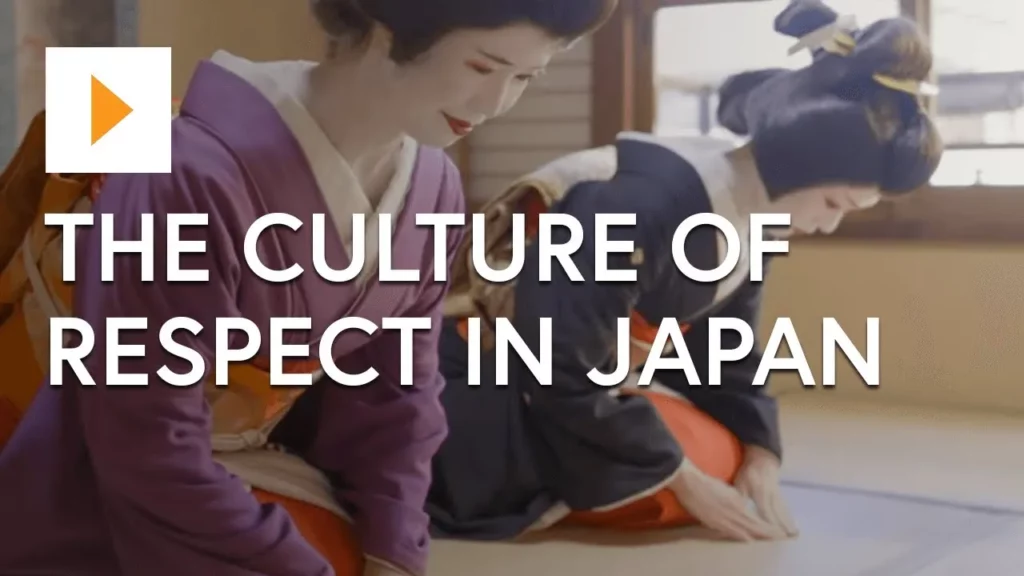
The lesson explores the profound culture of respect in Japan, which is integral to social interactions and daily life. It highlights various expressions of respect, such as bowing, the exchange of meishi (name cards), and the use of polite language (keigo) in communication. Additionally, the concept of omotenashi exemplifies the hospitality extended to tourists, reflecting the Japanese values of humility and consideration for others.
What Unit Is Mass Measured In?

In this lesson, we learned that mass is a measure of how heavy or light an object is, and it is quantified using units such as milligrams, grams, and kilograms. The smallest unit, milligram, is used for very light items, while grams are common for everyday objects, and kilograms are reserved for heavier items. Additionally, converting between these units is straightforward, involving simple multiplication or division by one thousand.