
International Women’s Day

International Women’s Day, celebrated on March 8th, honors the achievements of women and advocates for gender equality, which ensures that everyone has the same rights and opportunities regardless of gender. The day highlights the historical struggles women faced, such as the fight for voting rights and equal pay, and acknowledges that while progress has been made, challenges like stereotypes and underrepresentation in leadership roles persist. It encourages individuals to support the ongoing fight for equality and celebrate the accomplishments of women in various fields.
Fast Fashion: The Environmental Impact | Geography, Life Skills

The lesson on “Fast Fashion: The Environmental Impact” highlights the severe ecological consequences of the fashion industry, particularly illustrated by the Atacama Desert’s transformation into a dumping ground for discarded clothing. It emphasizes the extensive carbon footprint of clothing production and disposal, urging individuals to reconsider their consumption habits and the effectiveness of clothing donations. To combat these issues, the lesson advocates for a circular fashion model that promotes reusing, repairing, and recycling garments, encouraging consumers to make more sustainable choices.
Writing Narratives: The 3 Stages and Short Story Language Features | English
This lesson introduces the fundamentals of writing short stories, focusing on the three essential stages of a narrative: orientation, conflict, and resolution. It emphasizes the importance of language features, such as nouns, adjectives, verbs, and dialogue, to create vivid and engaging stories. By understanding these elements, aspiring writers are encouraged to explore their creativity and develop their storytelling skills.
Phases of the Moon | Science
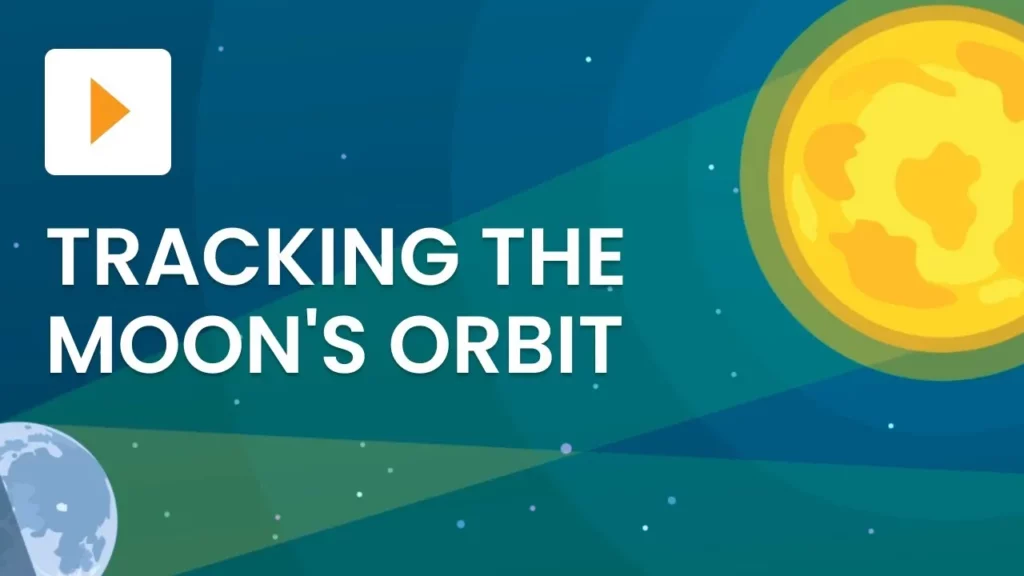
The lesson on the phases of the Moon explores its significance in various cultures, illustrating how the Moon has influenced calendars and storytelling throughout history. It explains the Moon’s 28-day orbit, the different phases we observe, and the occurrence of eclipses, while highlighting the unique interpretations and myths associated with these celestial events. Ultimately, the lesson emphasizes the Moon’s role in guiding human life and connecting cultures through shared narratives.
Bacteria and Archaea Kingdoms Explained | Science
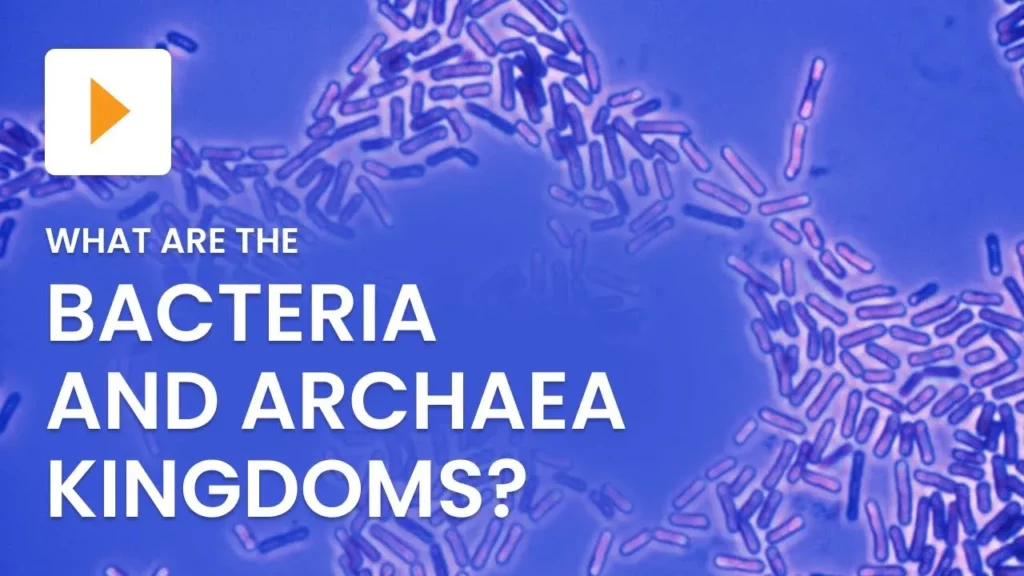
This lesson explores the kingdoms of bacteria and archaea, highlighting their unique characteristics as single-celled organisms without a nucleus. While bacteria are diverse and can be both harmful and beneficial, playing crucial roles in digestion and environmental processes, archaea are known for thriving in extreme conditions and are classified into groups based on their unique abilities. Advances in scientific understanding have led to ongoing debates about their classification, emphasizing the importance of these microorganisms in the ecosystem.
Cryptocurrency: The Benefits and Potential | Computer Science and Technology

The lesson explores the transformative impact of cryptocurrency on the global financial landscape, emphasizing its potential to democratize finance and empower individuals by providing equal access to financial opportunities. It highlights real-world applications, such as in Venezuela and El Salvador, where cryptocurrencies offer solutions to economic challenges and costly remittance fees. Additionally, the lesson discusses the role of blockchain technology in revolutionizing sectors like healthcare and the creative industry, while acknowledging the challenges that must be addressed for cryptocurrencies to realize their full potential.
Living Things Life Cycles Explained | Science

The lesson explains the concept of life cycles, highlighting the journey that all living things, including plants and animals, undergo from birth to maturity. It details the life cycles of a dandelion and a bird, illustrating the stages of growth from seeds and eggs to adult forms, while emphasizing the similarities in their developmental processes. The lesson encourages further exploration of nature and its fascinating cycles.
Introducing Place Value | Maths
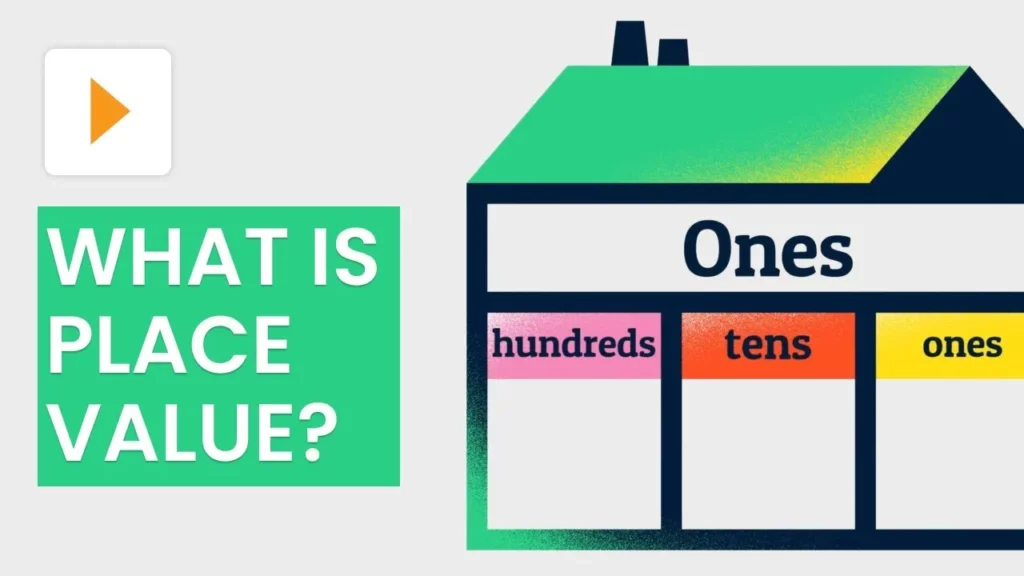
In this lesson on place value, students learn about the Hindu-Arabic numeral system, which is a base-10 system where each digit’s position determines its value. The lesson introduces the concept of place value houses, where each house represents a different range of values (ones, thousands, millions), making it easier to understand and read large numbers. By recognizing the patterns in place value, students can confidently work with numbers in various contexts.
The History of Plastic: Fun Facts | History

The lesson explores the history of plastic, beginning with the materials used before its invention, such as clay and rubber, which had significant limitations. It highlights key developments in plastic’s evolution, including the creation of parkesine, celluloid, and Bakelite, leading to the discovery of super polymers that enabled the production of various modern plastics. While plastics are now integral to everyday life due to their versatility and affordability, the lesson also addresses environmental concerns and the need for sustainable alternatives in the future.
AI: Everything You Need to Know | Computer Science and Technology
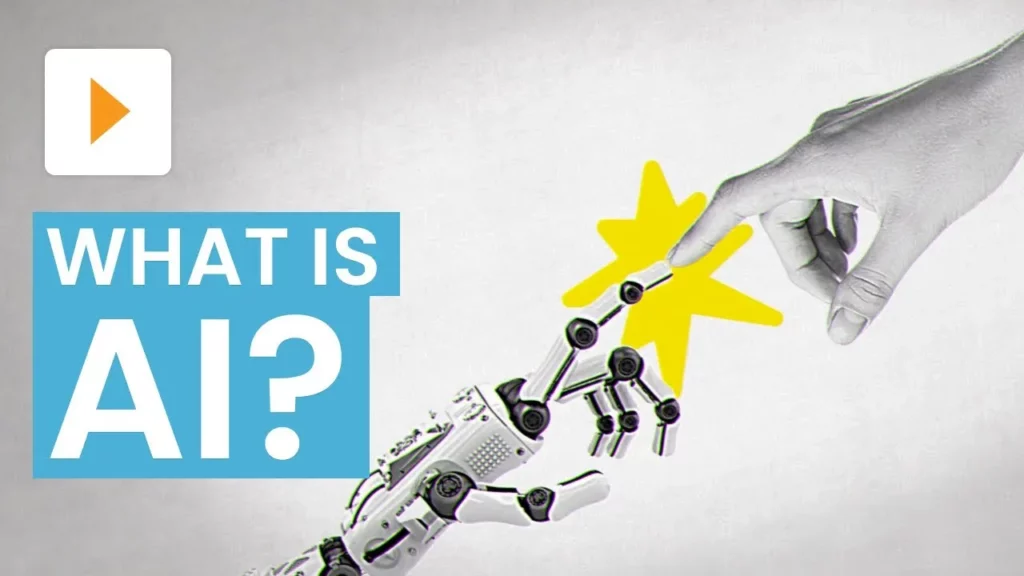
The lesson on AI provides an overview of artificial intelligence as a powerful tool for pattern recognition and prediction, highlighting its evolution from the 1940s to the present day. It emphasizes the transformative impact of AI across various sectors, including healthcare, finance, and transportation, while also addressing its potential to tackle global challenges like climate change and food security. The lesson underscores the importance of responsible development and utilization of AI technologies to enhance efficiency and productivity in our lives.