
What Are Fractions Used For?
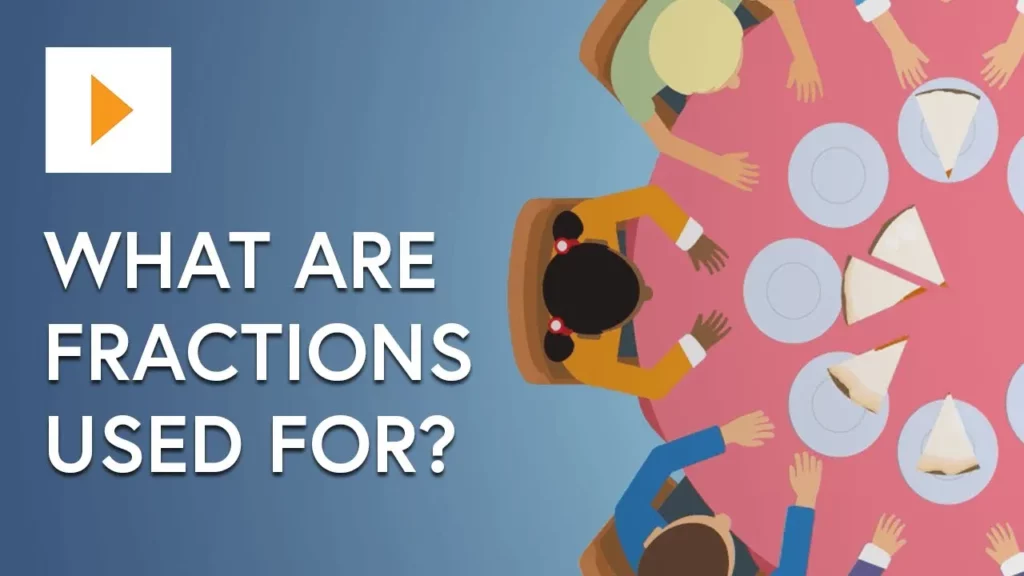
In this lesson, we learn about fractions through the story of Lily sharing her birthday cake with friends. A fraction represents equal parts of a whole, consisting of a numerator (the number of parts we have) and a denominator (the total number of equal parts). By using fractions, Lily ensures that everyone receives a fair share of cake, illustrating how fractions are used in everyday situations to divide items equally.
What Does Modality And Nominalisation Mean?
This lesson introduces the concepts of modality and nominalisation, highlighting their importance in enhancing communication. Modality allows speakers to express varying degrees of certainty and obligation through modal verbs, adverbs, and adjectives, while nominalisation transforms verbs and adjectives into nouns, lending a more formal tone to writing. By effectively using these tools, individuals can strengthen their arguments and convey ideas more persuasively.
Multiplying By Powers Of 10
In this lesson, students learn how to multiply numbers by powers of 10, such as 10, 100, and 1000, using a simple method of moving the decimal point. When multiplying, the decimal point is moved to the right, with the number of places determined by the number of zeros in the multiplier. This technique simplifies calculations and is illustrated through examples and a real-life scenario involving payments.
Causes Of The Industrial Revolution: The Agricultural Revolution

The lesson discusses the Agricultural Revolution as a key factor in the onset of the Industrial Revolution in Britain, highlighting significant changes in farming practices and land use. Innovations such as the horse-drawn seed drill and the Dutch four-crop rotation system increased agricultural productivity, allowing fewer farmers to produce surplus food for expanding markets. This shift not only transformed agricultural practices but also contributed to urban migration and the rise of factory work, fundamentally altering British society and economy from the 18th century onward.
Poetic Devices: Onomatopoeia – Examples & Meaning

The lesson on onomatopoeia explores how certain words mimic the sounds they represent, enhancing the vividness of poetry and storytelling. By using examples like “thump,” “bang,” and “chirp,” the lesson illustrates how these sound words engage readers and create a more immersive experience. Students are encouraged to identify sounds in their environment and incorporate them into their own writing, fostering creativity and a deeper connection to the text.
Don’t Be a Dummy: Be Aware of Your Surroundings

The lesson emphasizes the importance of being aware of your surroundings to avoid accidents and mishaps, as illustrated by Billy’s experience. Distracted by his phone and comic book, Billy missed his train stop and faced consequences, including missing an exam and losing his bag. By following safety rules and staying alert, we can prevent similar mistakes and ensure our safety while traveling.
The History and Transformation of Transportation

The lesson explores the evolution of transportation, highlighting how technological advancements have transformed the way we travel, making it faster and more efficient. It discusses the factors influencing our choice of transport, the significance of air and water travel, and encourages students to think about the future of transportation and its potential innovations. Overall, it emphasizes the importance of transportation in connecting people and facilitating exploration.
Historical Context Of Fahrenheit 451

The lesson explores the historical context surrounding Ray Bradbury’s “Fahrenheit 451,” highlighting how personal experiences and significant historical events, such as book bans and censorship in the Soviet Union and Nazi Germany, influenced his writing. It also examines the post-war American culture of consumerism and media dominance, which Bradbury feared could lead to an oppressive future, contributing to the rise of dystopian literature as a reflection of societal concerns. Ultimately, “Fahrenheit 451” emerged as a pivotal work within this genre, resonating with contemporary audiences and adapting to various forms of media.
The Four R’s: Refuse, Reduce, Re-use, Recycle

The lesson emphasizes the importance of caring for our planet’s resources through the Four R’s: Refuse, Reduce, Reuse, and Recycle. By refusing unnecessary items, reducing consumption, finding new uses for old items, and recycling materials, we can minimize waste and protect the environment. Ultimately, these practices help ensure a healthier Earth for future generations.
What Is National Sorry Day?

National Sorry Day, observed annually on May 26th in Australia, serves as a poignant reminder of the painful history surrounding the forced removal of Aboriginal and Torres Strait Islander children, known as the Stolen Generations. Established in 1998, the day encourages reflection on the injustices faced by First Nations people and promotes healing and reconciliation between Indigenous and non-Indigenous Australians. It marks the beginning of Reconciliation Week, emphasizing the importance of building respectful relationships and acknowledging the cultural heritage of Aboriginal and Torres Strait Islander communities.