
The history of keeping time – Karen Mensing
The lesson explores the evolution of timekeeping, beginning with ancient sundials and progressing to modern atomic clocks. It highlights the significance of accurate timekeeping for daily organization and global communication, explaining the necessity of time zones to manage the complexities of differing local times. Ultimately, it emphasizes that understanding timekeeping is essential for navigating our interconnected world.
The art of the metaphor – Jane Hirshfield
The lesson “The Art of the Metaphor” explores how metaphors enrich language by allowing us to convey complex ideas and emotions through vivid imagery. By comparing one thing to another, metaphors engage our senses and imagination, making communication more powerful and relatable. The lesson highlights the distinction between metaphors and similes, the use of metaphors in poetry, and their ability to transform our understanding of the world, illustrating that they serve as gateways to new perspectives and experiences.
Why do competitors open their stores next to one another? – Jac de Haan

The lesson explains why businesses, such as gas stations and restaurants, often cluster together in specific areas, using Hotelling’s Model of Spatial Competition as a framework. Through the ice cream cart example, it illustrates how competitors strategically position themselves to maximize customer reach while minimizing competition, ultimately leading to a Nash Equilibrium where neither can improve their situation without the other responding. This clustering strategy, while beneficial for businesses, can result in less convenience for consumers who may have to travel further for services.
Let’s talk about sex – John Bohannon and Black Label Movement

The lesson emphasizes the significance of having open and honest conversations about life’s important topics, particularly with young people, rather than relying on external sources like media. It critiques traditional approaches to addressing issues such as substance use, which often fall short, and encourages individuals to reflect on their own experiences to foster understanding and support for the challenges of growing up. Ultimately, the lesson advocates for embracing the complexities of life and nurturing meaningful dialogues to guide the younger generation.
How do cancer cells behave differently from healthy ones? – George Zaidan

The lesson explains how cancer cells behave differently from healthy cells, primarily through their uncontrolled growth due to DNA mutations. While healthy cells divide in a regulated manner, cancer cells proliferate recklessly, leading to tumors and various health issues. Treatment strategies, such as chemotherapy and radiation, aim to exploit this rapid division, although they also affect healthy cells, resulting in common side effects.
Distorting Madonna in Medieval art – James Earle

The lesson explores the unique proportions in medieval art, particularly in depictions of Mary and baby Jesus, highlighting that these artistic choices were intentional rather than indicative of a lack of skill. Rooted in the historical context following the fall of Rome, artists shifted their focus from physical beauty to spiritual representation, aiming to convey virtues and religious messages rather than realism. This understanding allows us to appreciate the deeper intentions behind medieval artworks, reflecting the era’s spiritual priorities.
Printing a human kidney – Anthony Atala

The lesson discusses the critical shortage of organs for transplantation and highlights regenerative medicine as a promising solution to this crisis. Innovations such as biomaterials, tissue engineering, and advanced 3D printing techniques are being explored to create new tissues and organs, with a particular focus on overcoming challenges in developing solid organs like kidneys. Patient testimonials illustrate the transformative potential of these advancements in improving quality of life for those with organ failure.
Why it pays to work hard – Richard St. John
The lesson emphasizes that hard work is a fundamental component of success, as demonstrated by numerous accomplished individuals who attribute their achievements to their relentless work ethic rather than innate talent. Interviews with over 500 successful people reveal that, contrary to the myth of effortless success, dedication and effort are crucial, with many notable figures, including Martha Stewart and Michael Jordan, exemplifying this principle. Ultimately, the lesson concludes that regardless of one’s intelligence or talent, consistent hard work is the key to achieving success.
What is Zeno’s Dichotomy Paradox? – Colm Kelleher
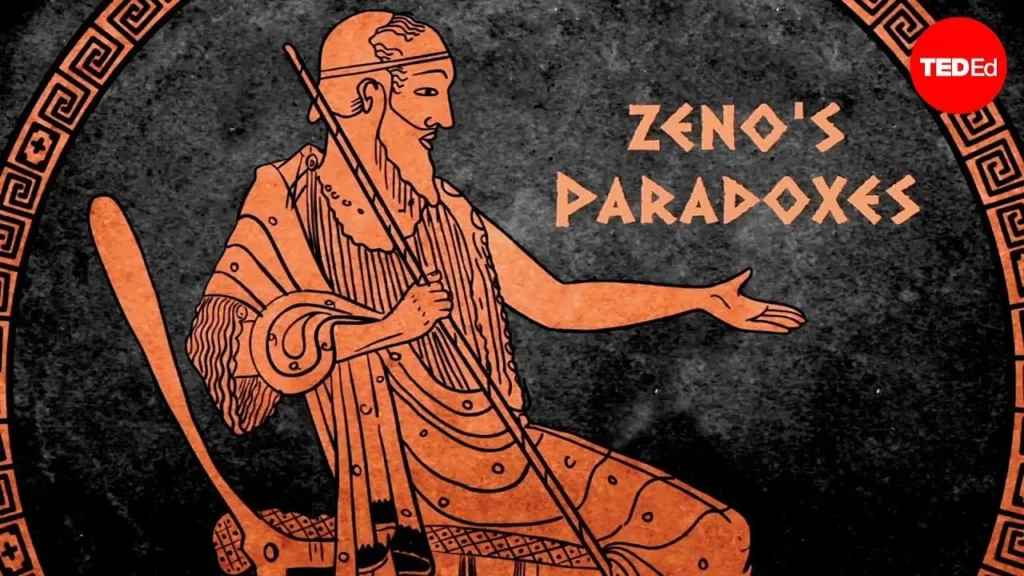
Zeno’s Dichotomy Paradox illustrates the puzzling nature of motion by suggesting that reaching a destination requires an infinite number of steps, leading to the conclusion that motion is impossible. However, through mathematical analysis, it is shown that while there are infinitely many segments in Zeno’s journey, the total time taken can still be finite, resolving the paradox and affirming that Zeno’s walk to the park indeed takes one hour. This lesson highlights the interplay between philosophical inquiry and mathematical reasoning in understanding concepts of infinity and motion.
Pros and cons of public opinion polls – Jason Robert Jaffe

The lesson discusses the significance and challenges of public opinion polls, highlighting their role in American politics while also addressing their potential inaccuracies. It emphasizes the importance of sampling methods, the impact of question wording, and biases that can skew results, using the famous 1948 polling error as a cautionary example. Despite these limitations, the lesson concludes that polls remain valuable tools for understanding public sentiment and guiding decision-making, urging individuals to approach them with a critical mindset.