
What is fat? – George Zaidan
The lesson “Understanding Fats: The Good, the Bad, and the Ugly” emphasizes that the health impact of fats is determined more by their type and structure than by their quantity. It explains the differences between saturated and unsaturated fats, highlighting that unsaturated fats, like those found in olive oil, are beneficial, while trans fats, often found in processed foods, can be harmful. Ultimately, the lesson encourages mindful choices regarding fat consumption based on their health properties rather than just their amount.
The game-changing amniotic egg – April Tucker
The lesson discusses the evolutionary significance of the amniotic egg, which allowed early amniotes to reproduce on dry land, breaking away from their aquatic origins. This egg features a protective shell and four key membranes—the chorion, allantois, and amnion—that create a safe, moist environment for the developing embryo. As a result, amniotes diversified into two main groups, leading to the wide variety of land-dwelling vertebrates we see today, including mammals, reptiles, and birds.
Equality, sports, and Title IX – Erin Buzuvis and Kristine Newhall
The lesson on “Equality, Sports, and Title IX” highlights the historical challenges faced by girls in sports and the transformative impact of Title IX, a law enacted in 1972 to prevent discrimination in educational programs, including athletics. It emphasizes the importance of equal participation and treatment for female athletes, outlining three key tests—proportionality, progress, and satisfied interests—that schools must use to ensure fairness. Additionally, the lesson stresses that equality extends beyond the number of opportunities to include the quality of resources and facilities provided to both boys and girls in sports.
How big is the ocean? – Scott Gass
The lesson “How Big is the Ocean?” explores the vastness and significance of the ocean, emphasizing that it is a single interconnected body of water divided into five main parts. Covering about 71% of Earth’s surface and containing 97% of the planet’s water, the ocean is crucial for life and features remarkable geological formations. The lesson highlights the importance of protecting this vital resource, as human activities impact its health and sustainability.
If superpowers were real: Invisibility – Joy Lin
In this lesson, we explore the concept of invisibility, examining both its allure and the practical challenges it presents. While magicians and scientists have developed tricks and materials that can create the illusion of invisibility, true invisibility would complicate everyday life, making it difficult to carry items, navigate safely, and even see the world around you. Ultimately, the lesson highlights that while invisibility may seem appealing, it comes with significant drawbacks that could lead to isolation and practical difficulties.
If superpowers were real: Immortality – Joy Lin
The lesson explores the concept of immortality, questioning whether living forever is truly desirable. It highlights the potential challenges of eternal life, such as the passage of time leading to boredom and loneliness, the difficulty of maintaining relationships and memories, the impact of human evolution, and the physical toll of aging and injuries. Ultimately, it encourages students to consider other superpowers or scientific concepts that might be more appealing than immortality.
Da Vinci’s Vitruvian Man of math – James Earle
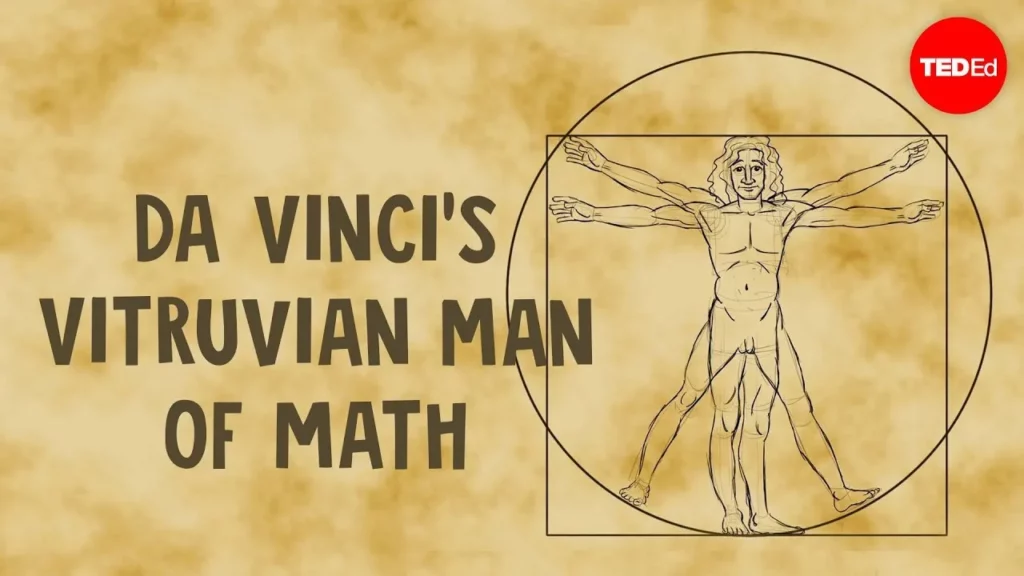
The lesson explores Leonardo da Vinci’s Vitruvian Man, highlighting its significance as a fusion of mathematics, philosophy, and art during the Renaissance. It delves into the mathematical challenge of “squaring the circle,” inspired by Vitruvius’s ideas about the human form, and discusses the Neoplatonist perspective on human potential within the “Great Chain of Being.” Ultimately, the Vitruvian Man symbolizes humanity’s unique ability to navigate and embody both the geometric and philosophical dimensions of existence.
The terrors of sleep paralysis – Ami Angelowicz
The lesson on sleep paralysis explains this frightening phenomenon where individuals wake up unable to move, often feeling a heavy weight on their chest and experiencing hallucinations. Historically, various cultures have attributed these episodes to supernatural beings, but modern science attributes sleep paralysis to an overlap between REM sleep and wakefulness, causing temporary muscle paralysis while the mind remains conscious. While it can be alarming, sleep paralysis is common and typically not linked to any malevolent forces.
The shape-shifting future of the mobile phone – Fabian Hemmert

In his lesson, Fabian Hemmert discusses innovative ways to make digital content feel more tangible by bridging the gap between the digital and physical worlds. He proposes three concepts for future mobile devices: a weight-shifting phone that enhances navigation, a shape-changing device that adapts to different media formats, and an emotionally responsive phone that reflects the user’s feelings. These advancements aim to create a more intuitive and engaging interaction with technology, ultimately enriching the user experience.
The hidden meanings of yin and yang – John Bellaimey
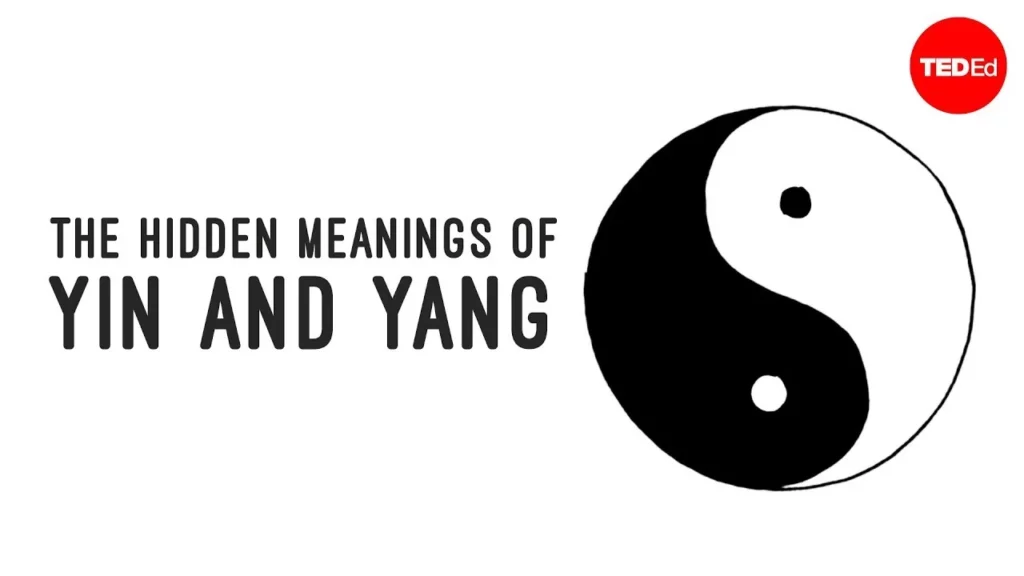
The lesson on “The Hidden Meanings of Yin and Yang” explores the Taoist philosophy behind the yin-yang symbol, emphasizing that these concepts represent interconnected energies rather than complete opposites. It illustrates how yin and yang can transform based on context, highlighting their balance in nature and daily life, and encourages living in harmony with the Tao, the natural flow of the universe. Ultimately, the lesson underscores the importance of flexibility and embracing both aspects to achieve balance and wisdom.