
How super glue was invented | Moments of Vision 8 – Jessica Oreck

The lesson outlines the invention of super glue by chemist Harry Coover during the 1940s while working at Eastman Kodak. Initially, Coover and his team found cyanoacrylates frustrating due to their excessive stickiness, but after realizing their potential, he patented the substance and marketed it as super glue. This innovative adhesive not only became a household staple but also proved to be life-saving in medical applications during the Vietnam War.
Would winning the lottery make you happier? – Raj Raghunathan
The lesson explores the relationship between winning the lottery and happiness, revealing that sudden wealth often does not lead to lasting joy due to a phenomenon known as “hedonic adaptation.” Studies show that lottery winners often return to their baseline happiness levels over time, and managing newfound wealth can introduce challenges. However, happiness can be enhanced by spending money on experiences or giving to others, suggesting that the way we use money is more important than the amount we have.
What is bipolar disorder? – Helen M. Farrell
Bipolar disorder is a mental health condition marked by significant mood swings between extreme highs (mania) and deep lows (depression), affecting millions globally. The disorder has two main types: Type 1, characterized by intense manic episodes, and Type 2, which involves less severe hypomanic episodes alongside longer depressive phases. While the exact causes are complex, involving genetic and environmental factors, bipolar disorder is manageable through medication, lifestyle changes, and strong support systems, allowing individuals to lead fulfilling lives despite the challenges.
How small are we in the scale of the universe? – Alex Hofeldt
The lesson explores the vastness of the universe through the Hubble Telescope’s Deep Field images, which revealed over 1,500 galaxies in a tiny patch of sky, illustrating how minuscule our place is in the cosmos. By comparing the scale of human dimensions to astronomical distances, it emphasizes the immense size of galaxies and the Milky Way, which contains billions of stars. Ultimately, the lesson encourages reflection on our ability to explore and understand the universe, despite our smallness within it.
What happens during a heart attack? – Krishna Sudhir
This lesson emphasizes the critical understanding of heart attacks, detailing their causes, symptoms, and prevention strategies. Heart attacks occur when the heart muscle is deprived of oxygen due to blockages in the coronary arteries, often caused by plaque buildup. Recognizing symptoms like chest pain and acting swiftly can save lives, while adopting a heart-healthy lifestyle through diet, exercise, and medical management can significantly reduce the risk of heart attacks.
The exceptional life of Benjamin Banneker – Rose-Margaret Ekeng-Itua
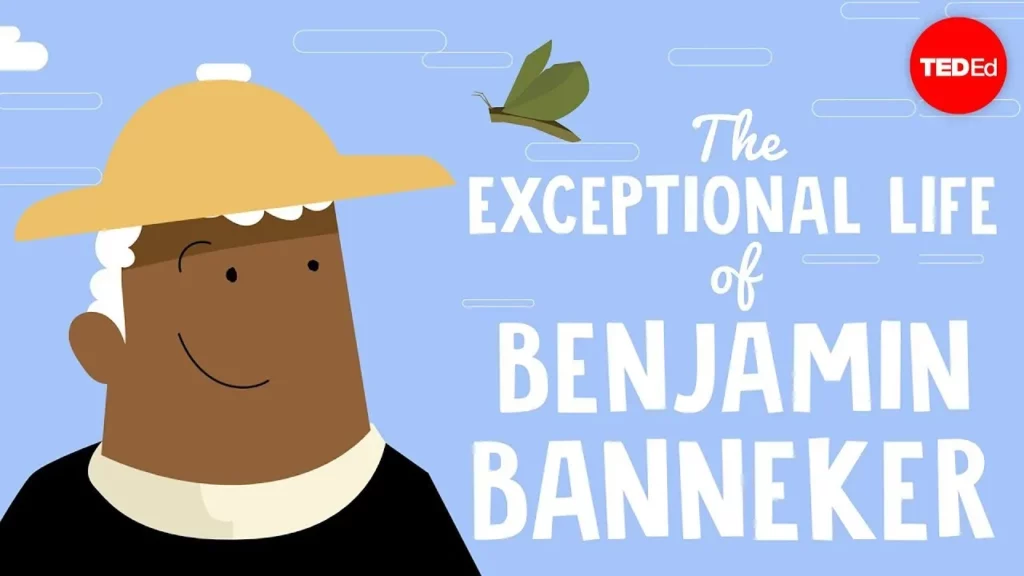
The lesson highlights the remarkable life of Benjamin Banneker, a self-taught mathematician and astronomer who, at just 22, built one of America’s first striking clocks. Born to freed parents, Banneker’s passion for learning led him to contribute significantly to the planning of Washington, D.C., publish influential almanacs, and advocate for civil rights, particularly against the injustices faced by Black individuals. His legacy as a brilliant thinker and activist endures, despite the loss of much of his work in a fire shortly after his death in 1806.
What happened to trial by jury? – Suja A. Thomas
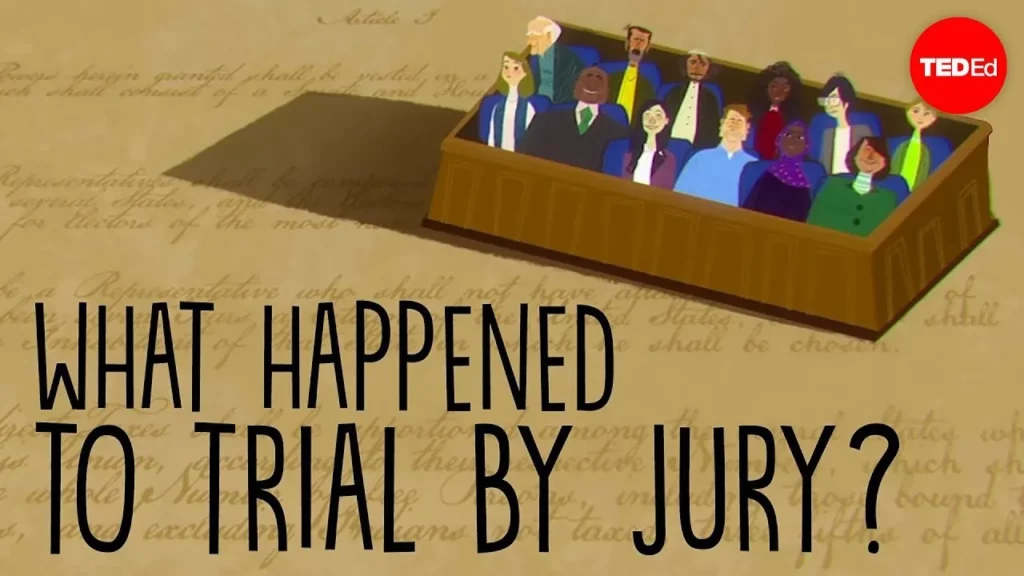
The lesson discusses the historical significance and evolution of trial by jury, highlighting its foundational role in the legal systems of both England and the United States. Despite being enshrined in the U.S. Constitution, the prevalence of jury trials has drastically declined due to factors such as the rise of plea bargaining and summary judgment, as well as the increasing use of arbitration. This decline raises critical questions about the future of jury trials and their importance in ensuring fair and representative justice in society.
Does “The Wonderful Wizard of Oz” have a hidden message? – David B. Parker
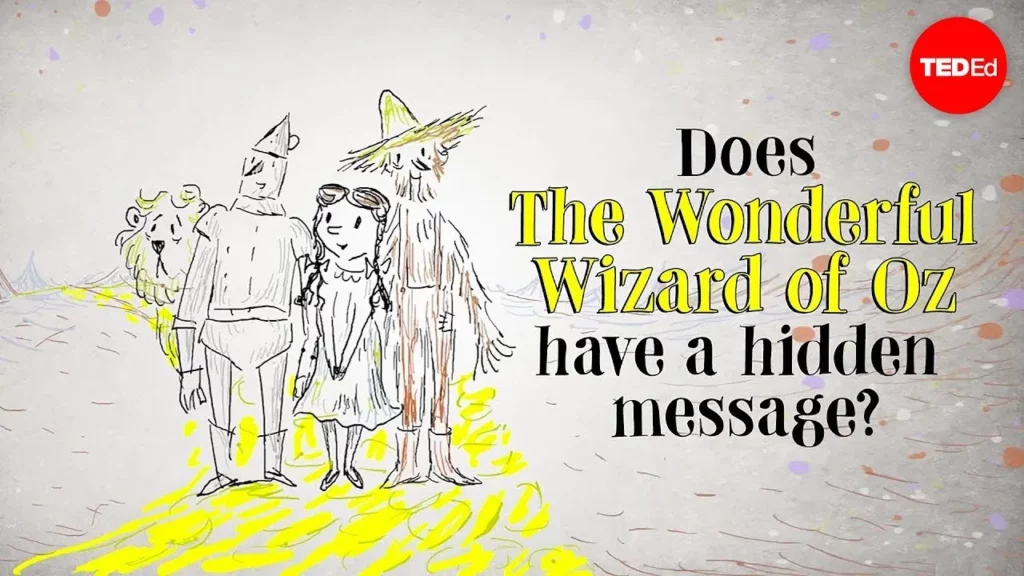
The lesson explores the theory proposed by Henry Littlefield that “The Wonderful Wizard of Oz” contains hidden messages related to the economic and social issues of The Gilded Age, particularly the silver debate and the struggles of farmers and workers. Through various character interpretations and symbolism, Littlefield’s analysis suggests that Baum’s story critiques American capitalism and reflects the disparities of the time. While this theory gained traction and became widely accepted, the question of Baum’s true intent remains open to interpretation, highlighting the complexity of authorial meaning in literature.
How Braille was invented | Moments of Vision 9 – Jessica Oreck
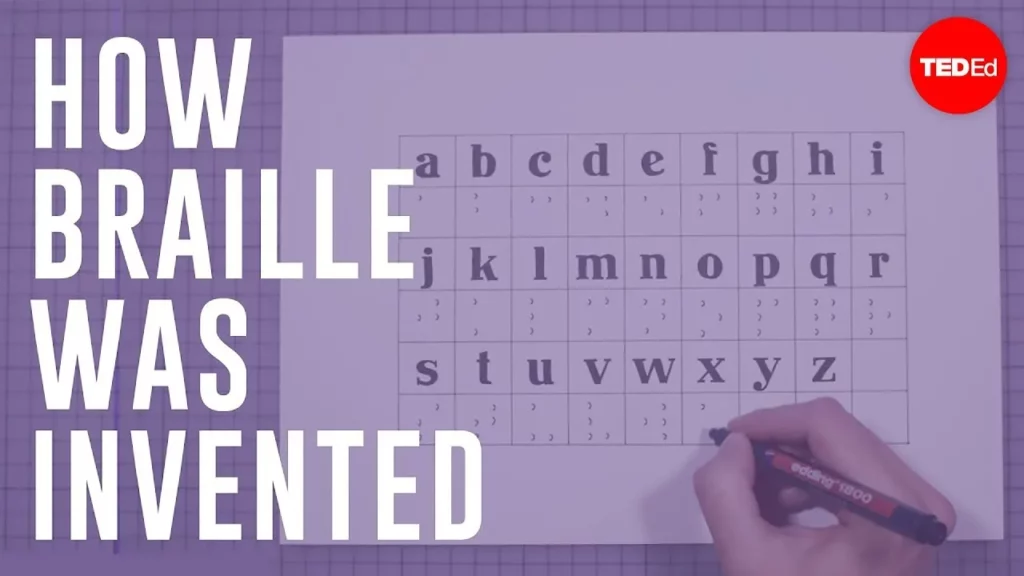
The lesson outlines the invention of Braille, starting with Captain Charles Barbier’s creation of a tactile “night writing” system during the Napoleonic Wars, designed to allow soldiers to read messages in the dark. This idea was later refined by Louis Braille, a blind student at the Royal Institute for Blind Youth, who developed a more efficient six-dot alphabet that revolutionized reading and writing for the visually impaired. Today, Braille is a vital communication tool used globally, enhancing the independence of millions.
The myth of Icarus and Daedalus – Amy Adkins
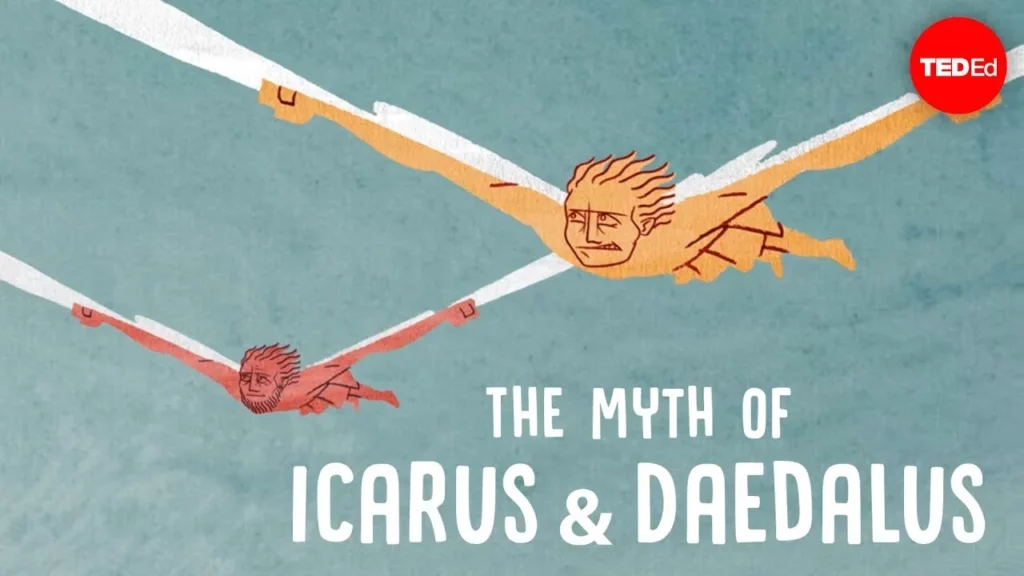
The myth of Icarus and Daedalus illustrates the dangers of unchecked ambition and the importance of heeding wise counsel. Daedalus, a brilliant inventor, creates wings for himself and his son Icarus to escape imprisonment, but Icarus’s pride leads him to disregard his father’s warnings, resulting in his tragic fall. This story serves as a reminder that while creativity and ambition are admirable, maintaining balance and humility is essential to avoid disastrous consequences.