
Can you solve the counterfeit coin riddle? – Jennifer Lu
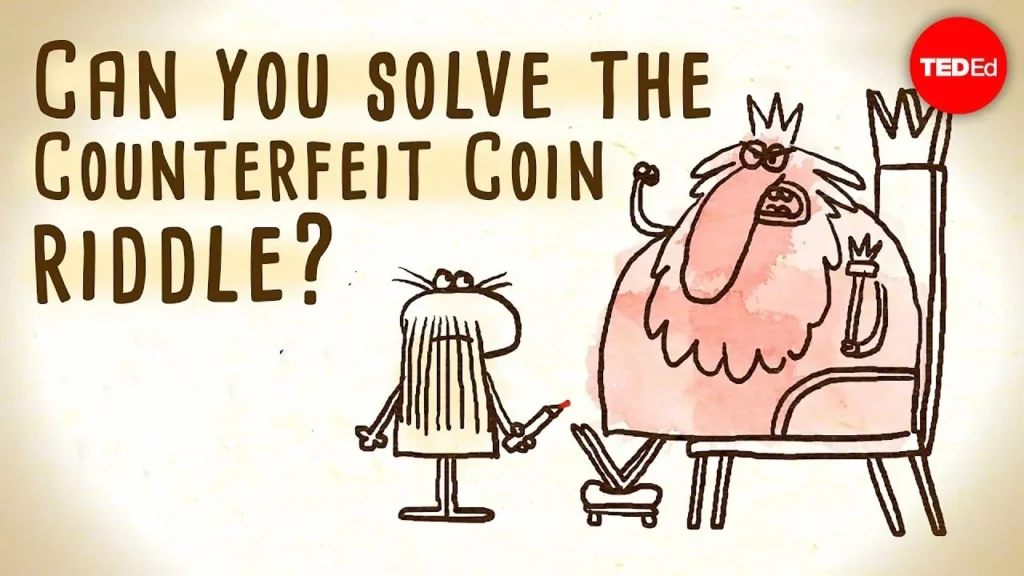
In this lesson, you are challenged to identify a counterfeit coin among 12 identical-looking coins using a balance scale only three times. By strategically dividing the coins into groups and interpreting the outcomes of each weighing, you can systematically narrow down the possibilities to pinpoint the fake coin, ultimately earning your freedom from the emperor’s dungeon. The lesson emphasizes logical reasoning and problem-solving skills in a mathematical context.
What does this symbol actually mean? – Adrian Treharne
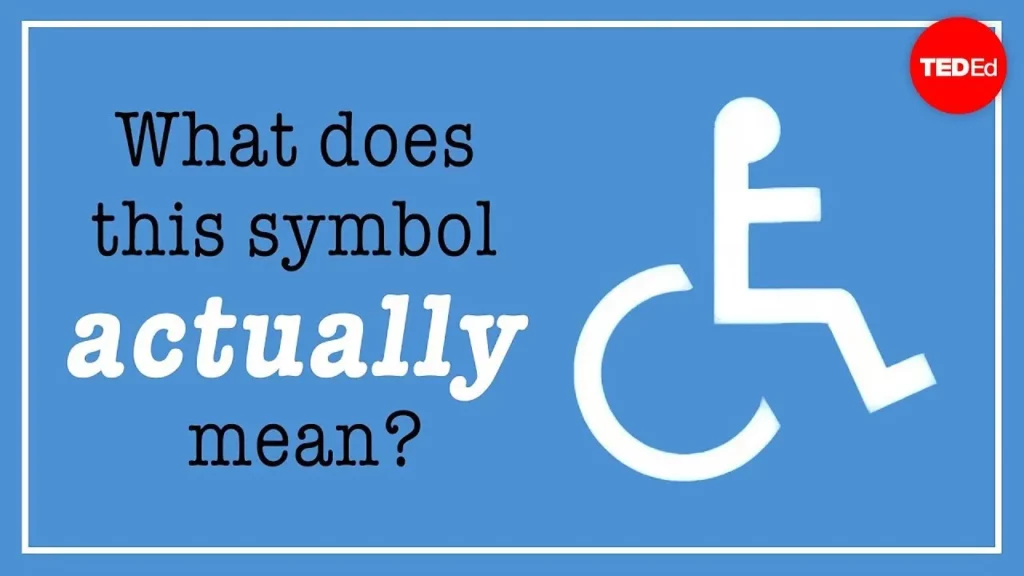
The lesson explores the significance and history of the International Symbol of Access, commonly recognized as the wheelchair symbol, which represents accessibility for individuals with disabilities. Originating from a design contest in 1968, the symbol has evolved over time to better reflect the diverse range of disabilities it represents, emphasizing that accessibility extends beyond visible physical impairments. Despite its widespread recognition, the symbol faces challenges regarding public perception and understanding, prompting discussions about its effectiveness and the potential need for a new design.
How to master your sense of smell – Alexandra Horowitz
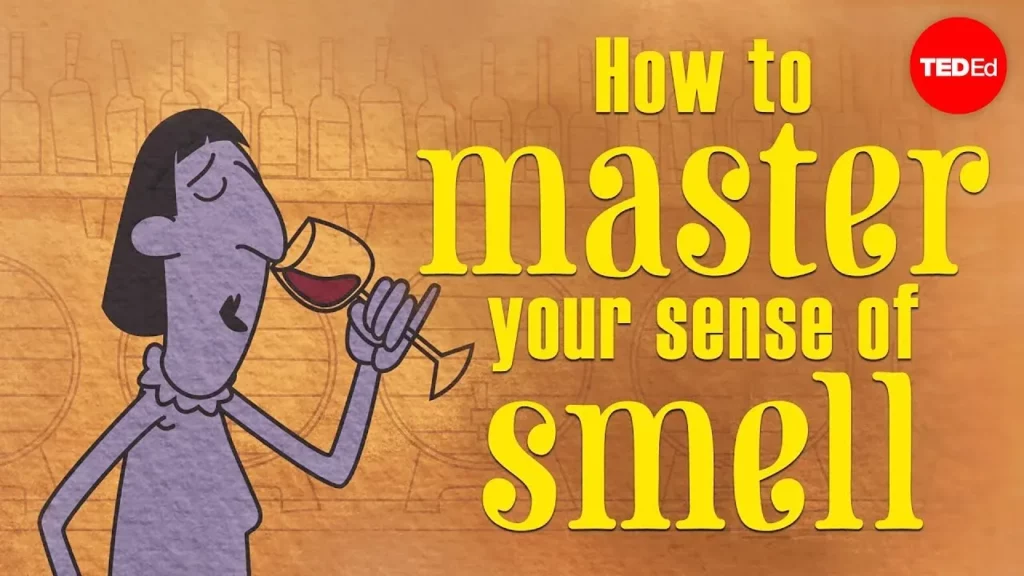
The lesson on mastering your sense of smell emphasizes that while many people take their olfactory abilities for granted, it is possible to enhance this sense through intentional practice. By getting closer to scents, sniffing purposefully, and focusing on identifying and describing odors, individuals can train their brains to recognize and appreciate a wider range of smells. Engaging in simple exercises with familiar kitchen ingredients can help develop a more refined sense of smell, enriching everyday experiences and evoking memories tied to different scents.
What’s so great about the Great Lakes? – Cheri Dobbs and Jennifer Gabrys

The lesson on the Great Lakes highlights their significance as vast freshwater bodies that formed over 10,000 years ago from melting glaciers, holding nearly 20% of the world’s fresh surface water. It discusses the ecological benefits they provide, such as water filtration and habitat support, while also addressing the challenges they face, including pollution, invasive species, and climate change. Collaborative efforts between the U.S. and Canada are essential for the protection and preservation of this vital natural resource for future generations.
Would you sacrifice one person to save five? – Eleanor Nelsen
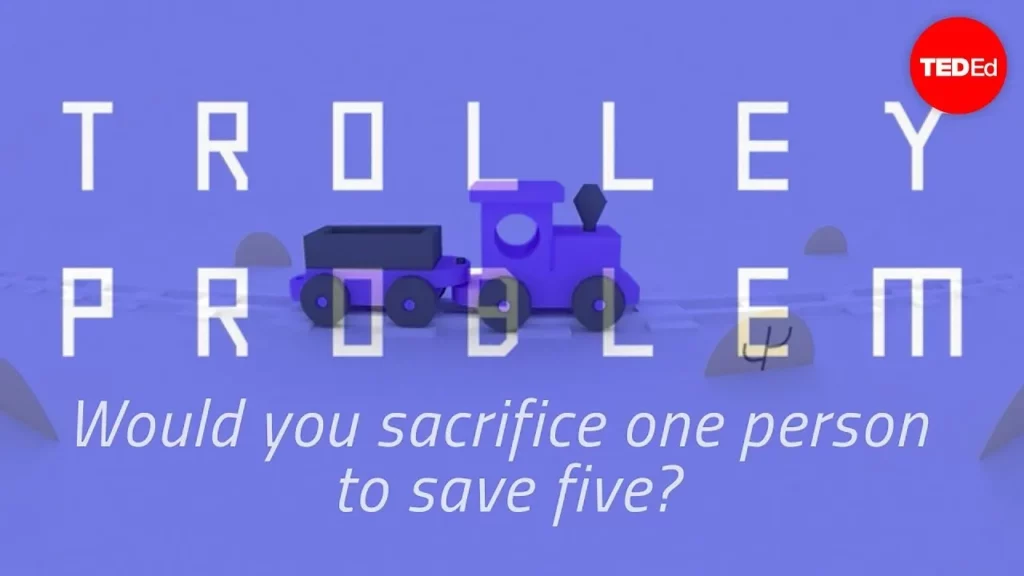
The lesson explores the ethical dilemma known as the trolley problem, which poses the question of whether one should sacrifice one person to save five others. It highlights the contrast between utilitarianism, which advocates for maximizing overall well-being, and the emotional and moral aversions people have towards directly causing harm. The discussion extends to real-world implications, such as decision-making in autonomous vehicles and military drones, emphasizing the importance of integrating ethical considerations into technology and policy.
How do animals experience pain? – Robyn J. Crook
The lesson explores how animals experience pain, emphasizing the importance of understanding their pain responses, especially since they cannot communicate their feelings like humans do. It distinguishes between nociception, the initial detection of harmful stimuli, and conscious pain, which involves emotional responses and behavioral changes. The lesson highlights the differences in pain perception between vertebrates and invertebrates, raising ethical considerations regarding the treatment of animals in various contexts.
A brief history of numerical systems – Alessandra King
The lesson explores the evolution of numerical systems, beginning with primitive counting methods and progressing through various early systems, including Roman numerals and tally marks. It highlights the significant advancement of positional notation and the development of the decimal system by Indian mathematicians, which introduced zero as a crucial placeholder. The lesson concludes by noting the prevalence of different numerical bases in everyday life, emphasizing the versatility and historical significance of the symbols we use today.
The mathematics of sidewalk illusions – Fumiko Futamura
The lesson on “The Mathematics of Sidewalk Illusions” by Fumiko Futamura explores the art of anamorphosis, a technique that creates the illusion of three-dimensional images from specific viewpoints. It traces the history of perspective art from ancient times to the Renaissance, highlighting how artists like Leonardo da Vinci and Hans Holbein utilized mathematical principles to achieve realistic depth. The lesson also provides a practical guide for creating your own anamorphic sidewalk drawings, emphasizing the importance of perspective and projection techniques to craft visually striking illusions.
Mary’s Room: A philosophical thought experiment – Eleanor Nelsen
The lesson on “Mary’s Room” presents a philosophical thought experiment that challenges the notion of physicalism by illustrating that knowledge gained through conscious experience may differ from theoretical understanding. Mary, a neuroscientist confined to a black-and-white room, knows everything about color vision but learns something new when she experiences color for the first time, suggesting that there are non-physical aspects of perception, known as qualia, that cannot be fully explained by physical facts alone. This thought experiment raises important questions about the nature of consciousness and the limitations of our understanding of subjective experiences.
The science of milk – Jonathan J. O’Sullivan
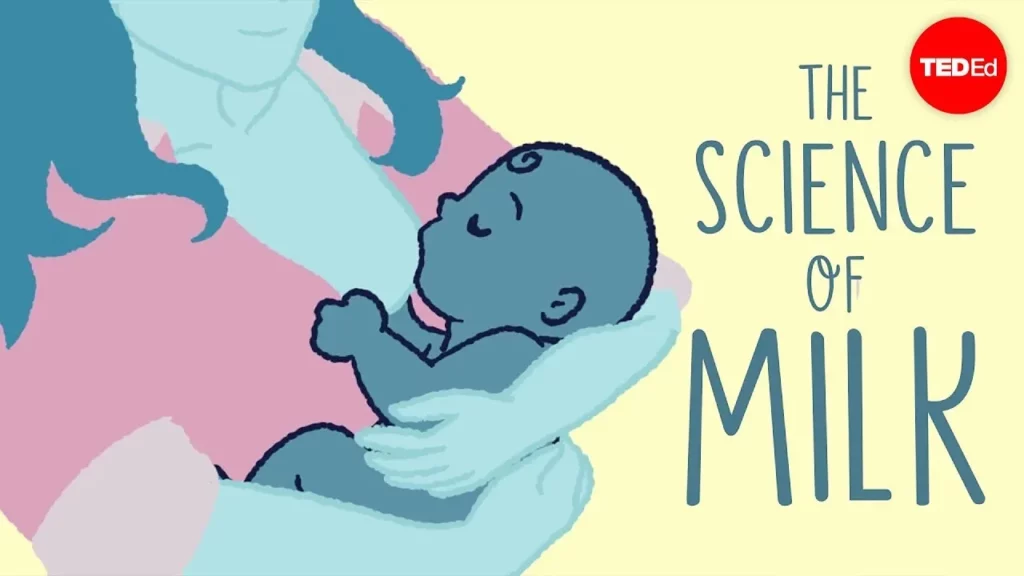
The lesson explores the significance of milk in human diets, highlighting its nutritional value as a complete food for infants and the various sources from which milk is derived, including cows, goats, and camels. It explains the process of milk production in mammals, the methods used in the dairy industry to enhance milk quality and longevity, and the different types of milk available, such as whole, low-fat, and skim milk. Additionally, it addresses the importance of pasteurization and other preservation techniques to ensure milk safety and freshness for consumers.