
The philosophy of Stoicism – Massimo Pigliucci
The lesson on Stoicism, as presented by Massimo Pigliucci, explores the origins and core principles of this ancient philosophy, founded by Zeno of Cyprus after his shipwreck in Athens. Stoicism emphasizes the importance of virtue, self-control, and rational responses to life’s challenges, advocating for practical wisdom, temperance, justice, and courage as essential virtues. The philosophy’s enduring influence is evident in the writings of notable figures like Marcus Aurelius and its relevance in modern psychological practices, highlighting the idea that our perceptions shape our experiences and responses to adversity.
How to squeeze electricity out of crystals – Ashwini Bharathula
The lesson explores the concept of piezoelectricity, which allows certain crystals, like quartz and even sugar, to generate electricity when subjected to mechanical stress. Discovered by the Curies in 1880, this phenomenon has practical applications ranging from sonar technology to powering devices like LED lights through sound vibrations. As research continues, the potential for piezoelectric materials to harness energy from everyday activities, such as footsteps, presents exciting possibilities for the future.
Who built Great Zimbabwe? And why? – Breeanna Elliott

The lesson explores the historical significance of Great Zimbabwe, an ancient stone city in southern Africa that thrived during the 14th and 15th centuries as a major trade center. It highlights the city’s impressive architecture, economic power derived from trade in gold and ivory, and the archaeological discoveries that reveal its indigenous African origins. Additionally, Great Zimbabwe has evolved into a symbol of national pride for Zimbabwe, representing the rich cultural heritage of the region.
How to spot a misleading graph – Lea Gaslowitz
The lesson on “How to Spot a Misleading Graph” emphasizes the importance of critically analyzing graphs, as they can often distort information to support misleading claims. Key techniques for spotting misleading graphs include examining the scale used, the manipulation of time on the x-axis, cherry-picking data points, and understanding the broader context of the data presented. By being vigilant and questioning the presentation of data, individuals can better discern the true story behind the information conveyed in graphs.
Can you find the next number in this sequence? – Alex Gendler
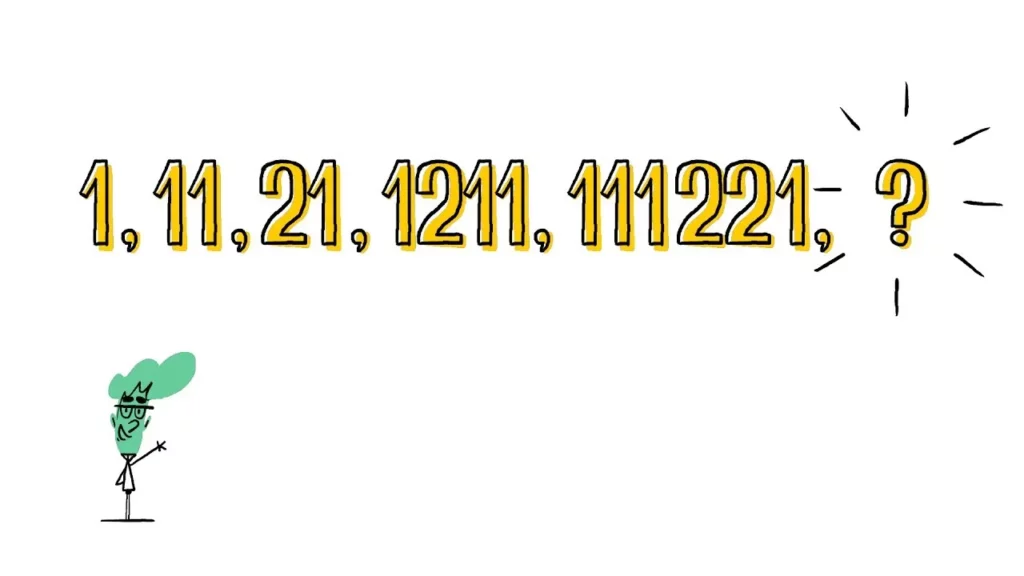
The lesson introduces the “look-and-say” sequence, a unique numerical pattern where each term describes the count and value of digits in the previous term. Originating from mathematician John Conway’s studies, this sequence reveals fascinating properties, including a consistent growth rate and the eventual emergence of distinct digit combinations. Additionally, the look-and-say sequence has practical applications, such as in data compression techniques like run-length encoding.
The left brain vs. right brain myth – Elizabeth Waters
The lesson debunks the popular myth that the left side of the brain is solely responsible for logic while the right side is dedicated to creativity. It explains that both hemispheres of the brain work together in a complex manner, with various functions and tasks activating different areas, but not strictly dividing them into logical or creative categories. Ultimately, the lesson emphasizes that achievements in both logic and creativity involve the entire brain, challenging the simplistic notion of being “left-brained” or “right-brained.”
What happens when you have a concussion? – Clifford Robbins
The lesson on concussions emphasizes the vulnerability of the brain to trauma, explaining how impacts can disrupt the delicate network of neurons, leading to symptoms such as headaches, memory issues, and mood changes. It highlights the importance of proper recovery and the risks associated with returning to activity too soon, including the potential for post-concussion syndrome and long-term effects like Chronic Traumatic Encephalopathy (CTE) from repeated subconcussive impacts. Additionally, the lesson stresses the critical need for reporting concussions to ensure appropriate treatment and protect brain health.
The myth of Cupid and Psyche – Brendan Pelsue
The myth of Cupid and Psyche tells the story of Psyche, a beautiful woman whose looks hinder her ability to find true love. After being abandoned on a cliff, she is taken to a palace where she marries Cupid, the god of love, but their happiness is disrupted when her curiosity leads her to discover his identity, causing him to leave. Psyche embarks on a challenging journey to win back Cupid’s love, ultimately proving her worthiness and achieving immortality through their union, symbolizing the triumph of love and perseverance.
When is water safe to drink? – Mia Nacamulli
The lesson emphasizes the importance of ensuring that water is safe to drink, highlighting that one in ten people globally lack access to clean water due to contamination from poor sanitation and hygiene practices. It outlines the dangers of contaminated water, particularly for young children, and explains the water treatment process, which includes sedimentation, filtration, and disinfection. Additionally, it discusses methods for recognizing unsafe water and the significance of point-of-use treatments, underscoring the need for clean water as a fundamental human right.
Will the ocean ever run out of fish? – Ayana Elizabeth Johnson and Jennifer Jacquet
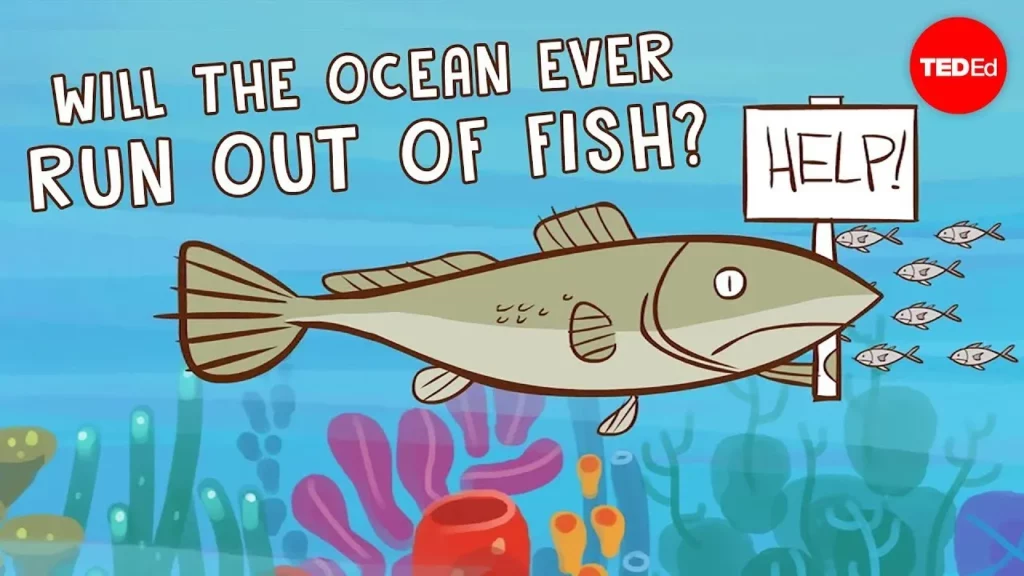
The lesson discusses the critical challenges facing global fish populations due to overfishing, driven by aggressive industrial fishing practices and consumer demand. It highlights the impact of these practices on ecosystems and emphasizes the importance of regulatory measures, consumer awareness, and international collaboration to allow fish populations to recover and ensure sustainable fishing for future generations. Ending overfishing is essential for maintaining ecological balance, food security, and the livelihoods of coastal communities.