
How did teeth evolve? – Peter S. Ungar
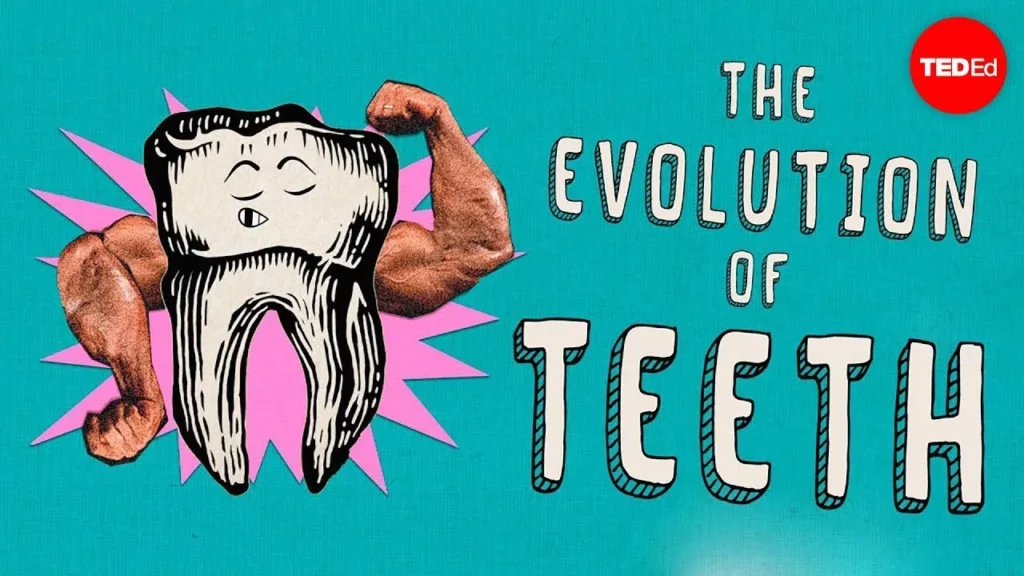
In the lesson “How Did Teeth Evolve?” by Peter S. Ungar, the unique structure of teeth is explored, highlighting their dual properties of hardness and toughness, which are essential for their function in food processing. The lesson discusses the evolutionary adaptations of teeth across various mammalian species, tracing their origins back to a common ancestor known as the “tribosphenic” molar, and illustrating how different tooth shapes have evolved to meet specific dietary needs. Ultimately, the adaptability and strength of teeth have played a significant role in the success of mammals in diverse environments.
The coin flip conundrum – Po-Shen Loh
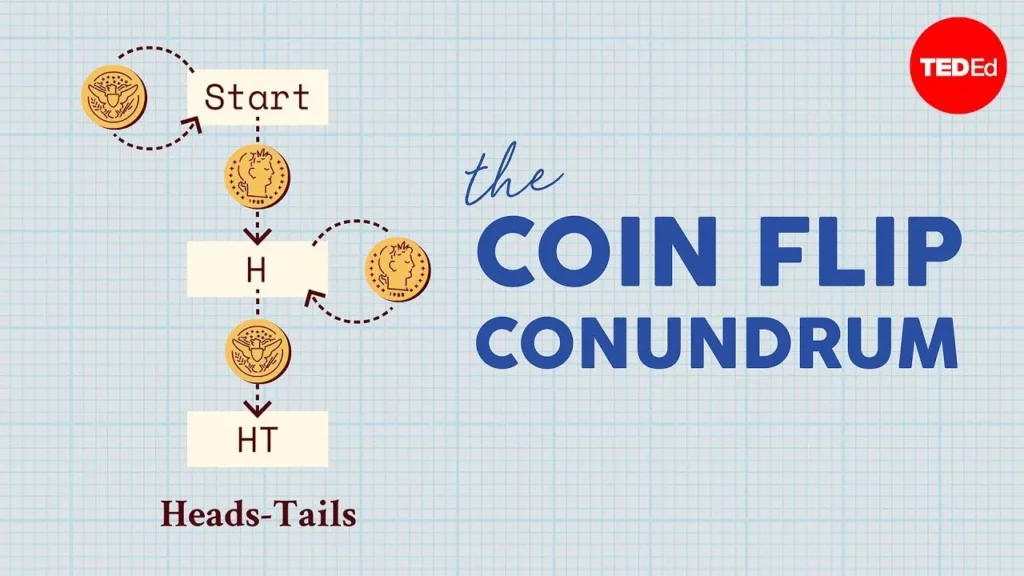
In “The Coin Flip Conundrum,” Po-Shen Loh explores a seemingly simple coin flip scenario between the Wright brothers, revealing that the outcomes can be misleading. While it appears both brothers would have equal chances of winning, a deeper analysis shows that Wilbur has a statistical advantage due to the different paths created by their winning conditions. This lesson highlights the importance of understanding probability, as even straightforward games can yield unexpected results when examined mathematically.
The surprising reason birds sing – Partha P. Mitra
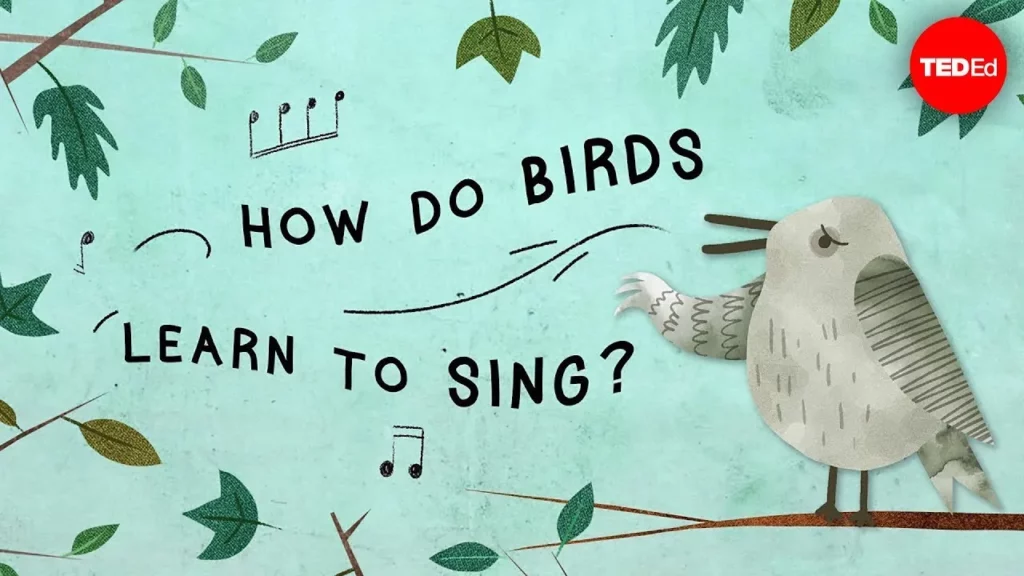
The lesson explores the reasons behind bird songs, highlighting their roles in attracting mates, defending territory, and fostering social connections among songbirds. It explains how birds learn their songs through a combination of listening and practice, while also noting that some innate singing behaviors exist even in isolation. Additionally, the lesson touches on the genetic basis of these behaviors, suggesting that DNA influences the development of brain circuits that control singing, paralleling innate behaviors observed in other animals and raising questions about similar instincts in humans.
The myth of King Midas and his golden touch – Iseult Gillespie
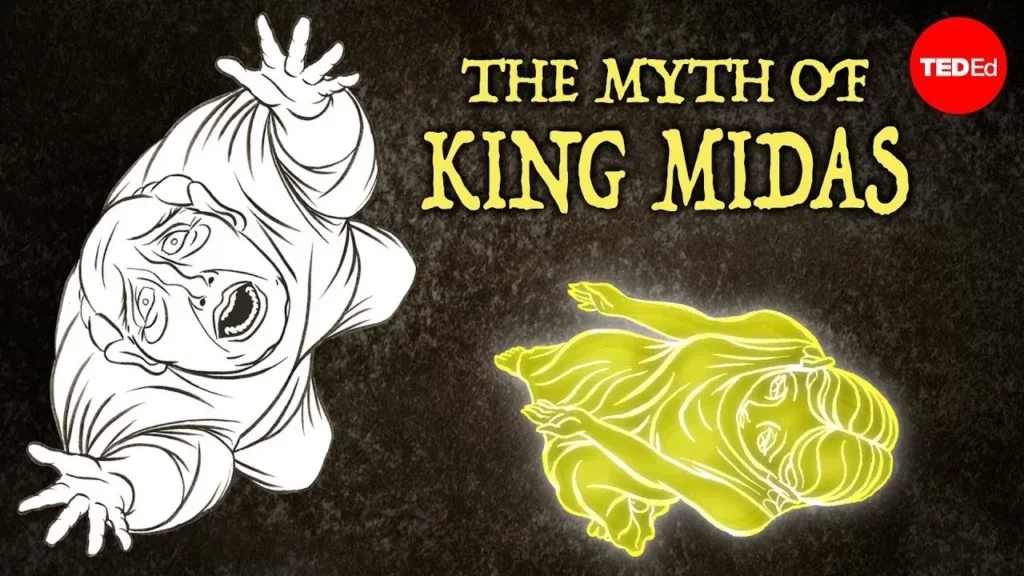
The lesson of the myth of King Midas revolves around the dangers of greed and the consequences of one’s actions. Initially thrilled by his ability to turn everything he touched into gold, Midas quickly learned that this power brought him misery, especially when he accidentally transformed his beloved daughter into a statue. Ultimately, the story serves as a cautionary tale, emphasizing the importance of being careful what you wish for and the value of appreciating what you already have.
Why should you read “The Handmaid’s Tale”? – Naomi R. Mercer
In Naomi R. Mercer’s lesson on “The Handmaid’s Tale,” she emphasizes the novel’s exploration of a dystopian future where a theocratic regime subjugates women, reflecting the political climate of the 1980s and the backlash against feminist progress. Through the character of Offred, Atwood illustrates the loss of identity and autonomy under oppressive rule, while also highlighting the power of language and resistance against tyranny. The lesson underscores the novel’s relevance as a cautionary tale about the dangers of complacency and the misuse of power in society.
Can you solve the buried treasure riddle? – Daniel Griller
In this lesson, you encounter five pirates who were stranded by their captain, Greenbeard, and learn that they have conflicting accounts of the number of trees on the island where his treasure is hidden. By analyzing their perspectives, you discover that the treasure can only be found on an island with two non-parallel lines of trees, allowing for varying visibility of the trees from different spots. Ultimately, you locate the treasure at the intersection of these lines, which turns out to be a chest of tree seeds, prompting reflection on the true value of the treasure.
The most successful pirate of all time – Dian Murray
The lesson highlights the remarkable story of Madame Zheng, the most successful pirate in history, who commanded a vast fleet of 1,800 ships and led a powerful confederation of pirates during the early 19th century. Rising from humble beginnings, she demonstrated exceptional leadership and strategic skills, transforming her crew into a formidable force while implementing progressive laws. Ultimately, Madame Zheng chose to peacefully dismantle her pirate empire in exchange for amnesty, leading a prosperous life after her retirement, which is a rare conclusion for a figure in piracy.
A simple way to tell insects apart – Anika Hazra
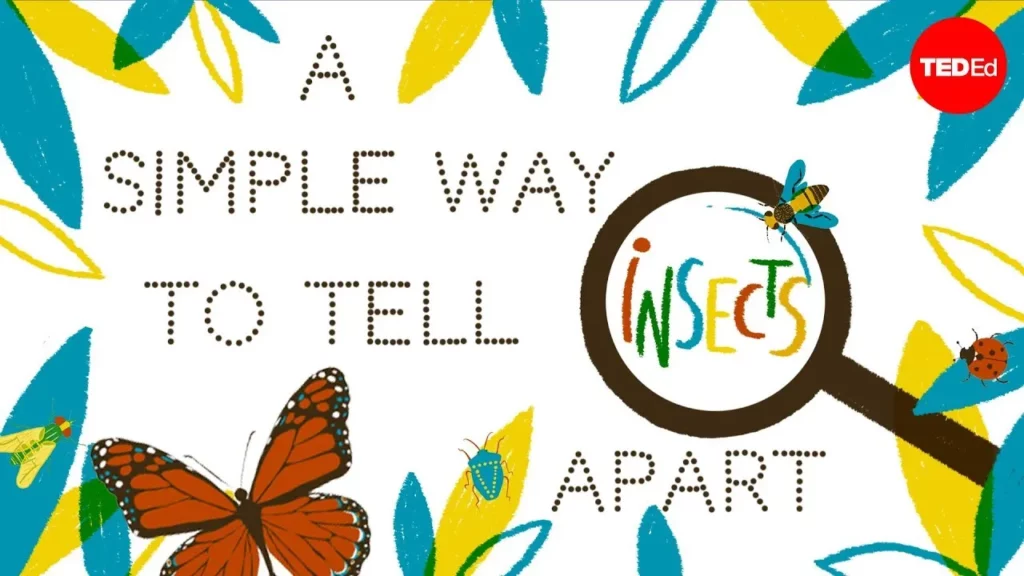
In this lesson, we explore how scientists differentiate between various insect species by examining their mouthparts, which fall into five main categories: chewing, piercing-sucking, siphoning, sponging, and chewing-lapping. Understanding these mouthparts not only aids in identifying insects but also provides insights into their diets and evolutionary adaptations. Additionally, the lesson touches on the importance of taxonomy in classifying living organisms, highlighting how mouthpart characteristics can indicate an insect’s order and ecological role.
The Cambodian myth of lightning, thunder, and rain – Prumsodun Ok

The Cambodian myth of lightning, thunder, and rain tells the story of a contest among three students of a wise hermit, Lok Ta Moni Eysei, to collect morning dew. Moni Mekhala cleverly wins the contest, but her victory sparks jealousy in Ream Eyso, leading to a fierce chase and battle between the characters. Ultimately, their conflict results in the creation of lightning, thunder, and rain, symbolizing both the power of nature and the themes of compassion and renewal as the characters navigate their relationships.
The surprising reasons animals play dead – Tierney Thys
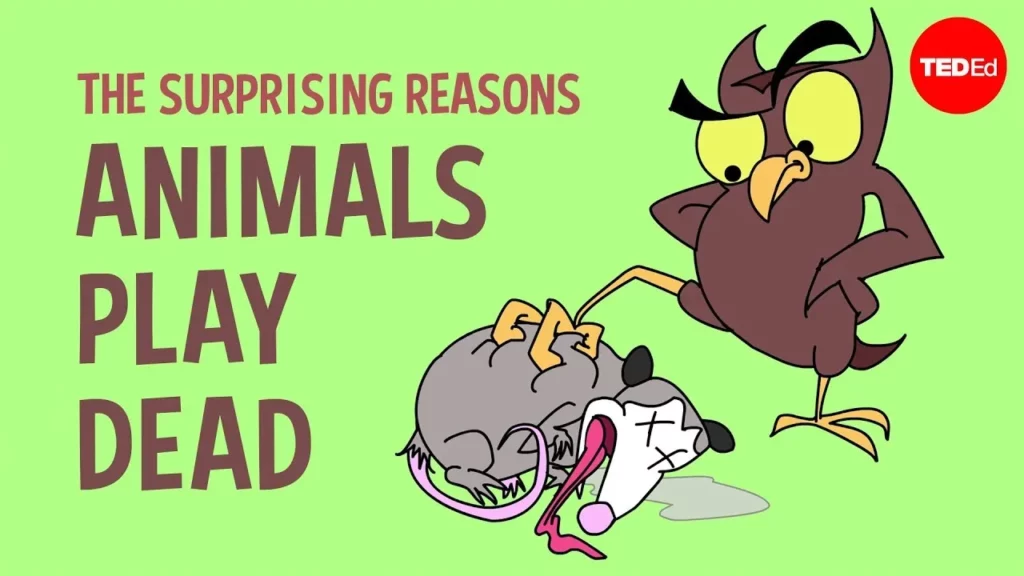
The lesson explores the phenomenon of “playing dead,” or thanatosis, as a survival tactic employed by various animals, including possums, quail, and chickens, to evade predators. This behavior involves physiological responses controlled by the parasympathetic nervous system, allowing animals to become immobile and emit unpleasant odors to deter threats. Additionally, the lesson highlights the strategic uses of this tactic beyond defense, such as in mating and hunting, while also discussing the risks associated with playing dead and its parallels in human behavior during fear-inducing situations.