
Can 100% renewable energy power the world? – Federico Rosei and Renzo Rosei

The lesson explores the feasibility of transitioning to 100% renewable energy, highlighting the current heavy reliance on fossil fuels and the urgent need for sustainable alternatives. While renewable sources like solar, wind, and hydroelectric power offer abundant potential, significant challenges remain in energy storage, transportation, and infrastructure development. Despite these hurdles, advancements in technology and growing investments from governments and businesses provide a hopeful outlook for achieving a fully renewable energy system in the future.
Why do animals form swarms? – Maria R. D’Orsogna
The lesson explores the phenomenon of swarming in animals, particularly focusing on desert locusts and their transformation from solitary to social behavior when food is scarce. It highlights the benefits of swarming, such as predator confusion and energy efficiency, as well as the challenges, including disease spread and navigation issues. Additionally, the lesson draws parallels to human social behavior and suggests that insights from animal swarming can inform advancements in technology and collective human actions.
Why should you read Charles Dickens? – Iseult Gillespie
In the lesson “Why Should You Read Charles Dickens?” Iseult Gillespie highlights the enduring appeal of Dickens’s storytelling, characterized by suspenseful plots, memorable characters, and sharp wit. Drawing from his own hardships, Dickens skillfully addresses social issues of his time, particularly the struggles of the lower classes during the Industrial Revolution, while creating a vivid portrayal of Victorian society. His works continue to resonate today, blending dark themes with humor and adventure, making them timeless classics.
The tragic myth of Orpheus and Eurydice – Brendan Pelsue
The lesson of “The Tragic Myth of Orpheus and Eurydice” explores the themes of love, loss, and the consequences of doubt. Orpheus’s journey to the underworld to reclaim his beloved Eurydice illustrates the depths of his devotion, but ultimately, his inability to trust leads to her permanent loss. The story serves as a poignant reminder of the fragility of love and the enduring impact of grief, culminating in Orpheus’s legacy as a symbol of love’s joys and sorrows through his music.
What are mini brains? – Madeline Lancaster
The lesson explores brain organoids, tiny lab-grown clusters of neurons that mimic human brain tissue, offering a novel approach for studying the complexities of the human brain. Despite their potential, these organoids cannot think or possess consciousness due to their limited size and lack of organization, but they serve as valuable tools for understanding brain development and diseases. As research progresses, brain organoids may provide insights into the unique characteristics of the human brain and the essence of human cognition.
The myth of Oisín and the land of eternal youth – Iseult Gillespie
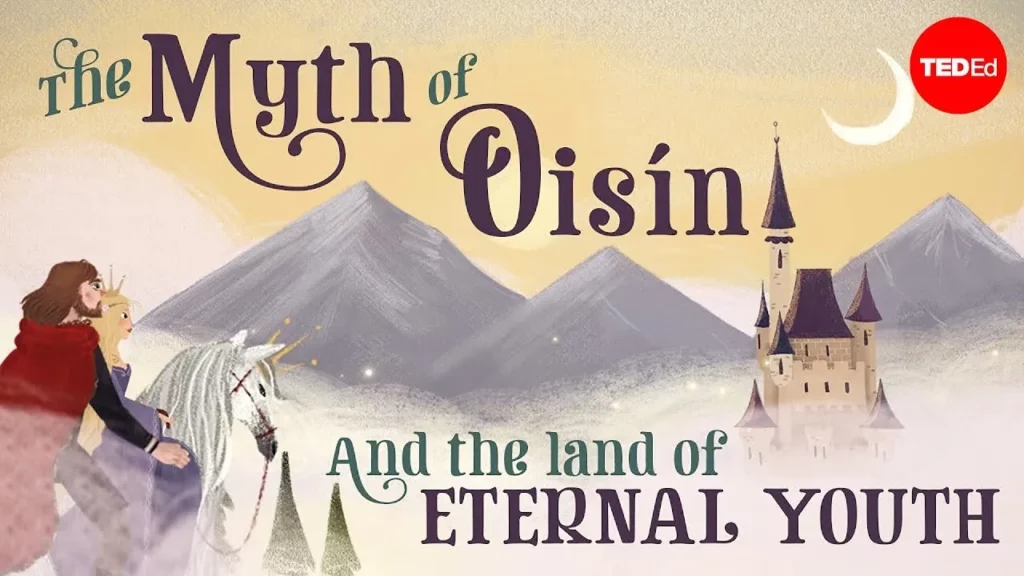
The lesson of “The Myth of Oisín and the Land of Eternal Youth” explores the themes of love, longing, and the consequences of choices. Oisín, a hero who leaves his mortal life for a magical existence in Tír na nÓg with the immortal princess Niamh, ultimately discovers that the allure of eternal youth comes at the cost of losing his past and the passage of time. His return to Ireland reveals the harsh reality of change and the inevitability of aging, emphasizing the bittersweet nature of nostalgia and the importance of cherishing one’s roots.
Can you solve the dark coin riddle? – Lisa Winer
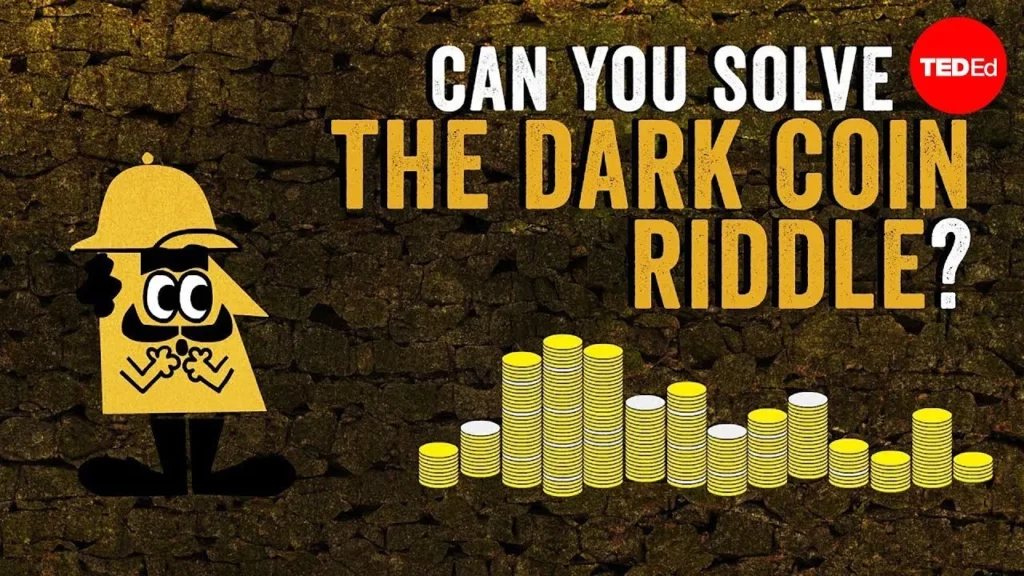
In this lesson, you are presented with a riddle involving ancient coins that must be split into two piles with an equal number of silver-side-up coins, despite being in complete darkness. The clever solution involves moving any 20 coins to a new pile and flipping them over, ensuring that both piles end up with the same number of silver-side-up coins due to the complementary nature of the coin sides. The lesson emphasizes problem-solving strategies and encourages further exploration of similar puzzles through an interactive website.
Ugly history: The 1937 Haitian Massacre – Edward Paulino
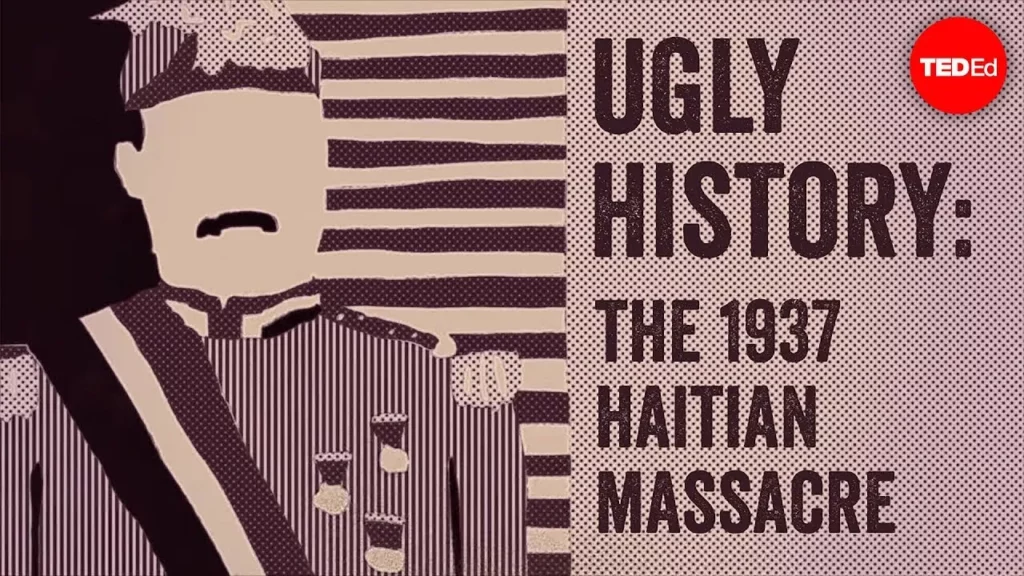
The 1937 Haitian Massacre, a tragic event in the history of ethnic cleansing, occurred under the regime of Dominican dictator Rafael Trujillo, who targeted Haitians living along the border in a campaign of violence that resulted in the deaths of thousands. Rooted in a complex history of colonization, racial tensions, and U.S. occupation, the massacre exemplifies how political leaders can exploit divisions for power, leaving a lasting impact on relations between Haiti and the Dominican Republic. Despite international condemnation and reparations, the legacy of the massacre remains largely unacknowledged by the Dominican state, highlighting the ongoing struggle for recognition and healing in the region.
Why is NASA sending a spacecraft to a metal world? – Linda T. Elkins-Tanton

NASA is sending a spacecraft to the metallic asteroid 16 Psyche, located between Mars and Jupiter, to explore its unique composition of nickel and iron. This mission, set to arrive in 2026, aims to provide clearer images and insights into Psyche, which may represent an exposed metallic core of a planetesimal, offering valuable information about Earth’s own core and the processes that shaped our planet. By studying Psyche, scientists hope to uncover secrets about the formation of planets and enhance our understanding of Earth’s inner workings.
What happens during a stroke? – Vaibhav Goswami
The lesson explains that strokes, which occur every two seconds globally, are critical medical emergencies that deprive brain cells of oxygen, leading to potential death or disability. There are two main types of strokes: hemorrhagic, caused by a ruptured blood vessel, and ischemic, resulting from a blocked vessel due to a clot. Recognizing stroke symptoms quickly using the FAST test is vital for timely treatment, which can include medications like tPA or procedures to remove clots, significantly improving outcomes and reducing the risk of permanent brain damage.