
Are naked mole rats the strangest mammals? – Thomas Park
The lesson explores the unique adaptations of naked mole rats, highlighting their insect-like social structure, ability to thrive in low-oxygen environments, and their remarkable energy processing capabilities. These mammals, which live in large colonies in East Africa, exhibit traits such as cold-bloodedness and the ability to enter suspended animation when oxygen is scarce, offering potential insights for medical advancements in human health. By studying these extraordinary creatures, we can learn valuable lessons about survival and resilience in challenging conditions.
Why is it so hard to cure ALS? – Fernando G. Vieira
The lesson explores the complexities of amyotrophic lateral sclerosis (ALS), a devastating disease that affects motor neurons and leads to muscle degeneration, with no known cure as of now. It highlights the challenges in understanding the disease’s causes, which can be sporadic or hereditary, and the ongoing research aimed at developing potential treatments. Despite the difficulties, advancements in research offer hope for future breakthroughs that could improve the lives of those diagnosed with ALS.
Could you live on the moon? – Alex Gendler
The lesson explores the concept of living on the moon, highlighting the potential for a “moon camp” as proposed by the European Space Agency. It discusses the challenges of cosmic radiation, the need for sustainable food and water sources, and the technological advancements required for building habitats. Additionally, it emphasizes the moon’s significance for future space exploration and international collaboration, suggesting that a moon base could serve as a stepping stone for humanity’s journey into deeper space.
How one scientist averted a national health crisis – Andrea Tone
In the lesson, we learn about Frances Oldham Kelsey, a scientist who joined the FDA in 1960 and played a pivotal role in preventing the approval of thalidomide, a drug linked to severe birth defects. Despite pressure from the drug company Merrell and prevailing beliefs about fetal safety, Kelsey insisted on more rigorous evidence before allowing the drug to enter the market. Her steadfastness not only saved countless lives but also led to significant reforms in drug approval processes, establishing a legacy of evidence-based medicine that continues to influence public health today.
Can you solve the giant cat army riddle? – Dan Finkel
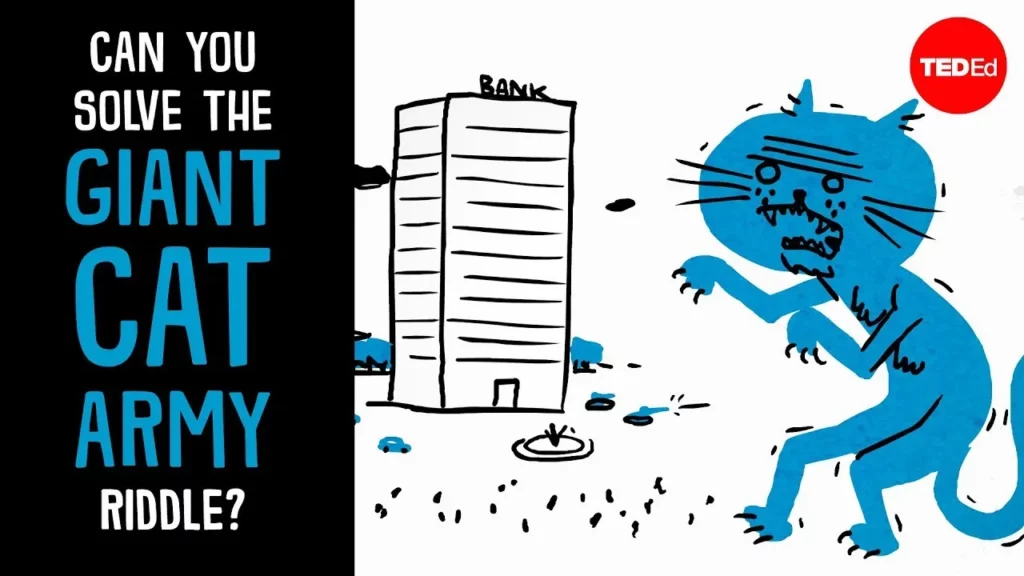
In this lesson, participants engage in a thrilling riddle where they must navigate a control panel to unlock a door and stop the villain Dr. Schrödinger from unleashing giant cats on the city. Using a combination of addition and square root operations, they must strategically reach the numbers 2, 10, and 14 in sequence without repeating any numbers or exceeding certain limits. The exercise emphasizes critical thinking and problem-solving skills as the team works together to overcome the challenge and save the day.
Did the Amazons really exist? – Adrienne Mayor
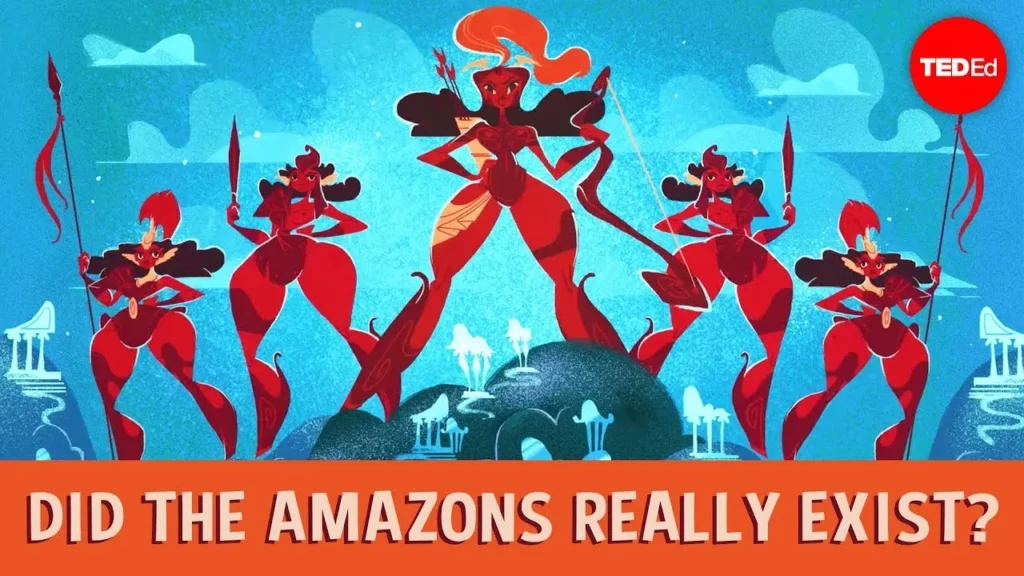
The lesson explores the historical and cultural significance of the Amazons, legendary female warriors from ancient Greek mythology, who were often depicted as fierce and skilled fighters. While initially thought to be purely mythical, evidence from ancient texts and archaeological discoveries suggests that these warrior women may have been inspired by real-life Scythian women, who participated equally in warfare and hunting. The Amazons’ legacy reflects both the fascination and ambivalence of Greek society towards strong, independent women and the concept of gender equality.
The science of hearing – Douglas L. Oliver
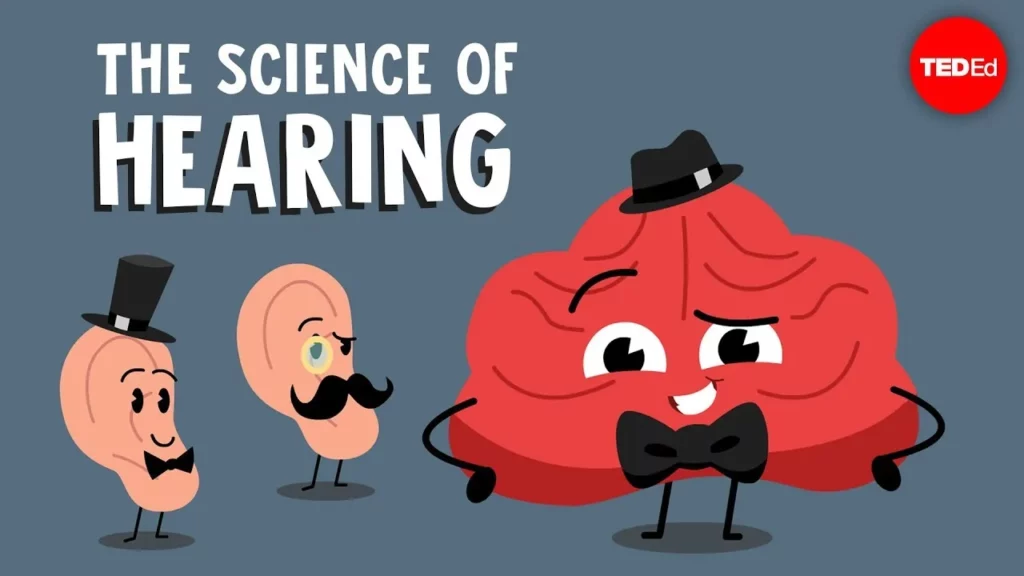
The lesson on “The Science of Hearing” explains how our auditory system enables us to perceive and locate sounds. It details the process of sound traveling through the ear, from vibrations in the air to fluid movements in the cochlea, where hair cells convert these vibrations into signals for the brain. Additionally, it highlights how the brain interprets these signals to identify sounds and their sources, while also acknowledging common hearing issues like hearing loss and tinnitus.
How do your hormones work? – Emma Bryce
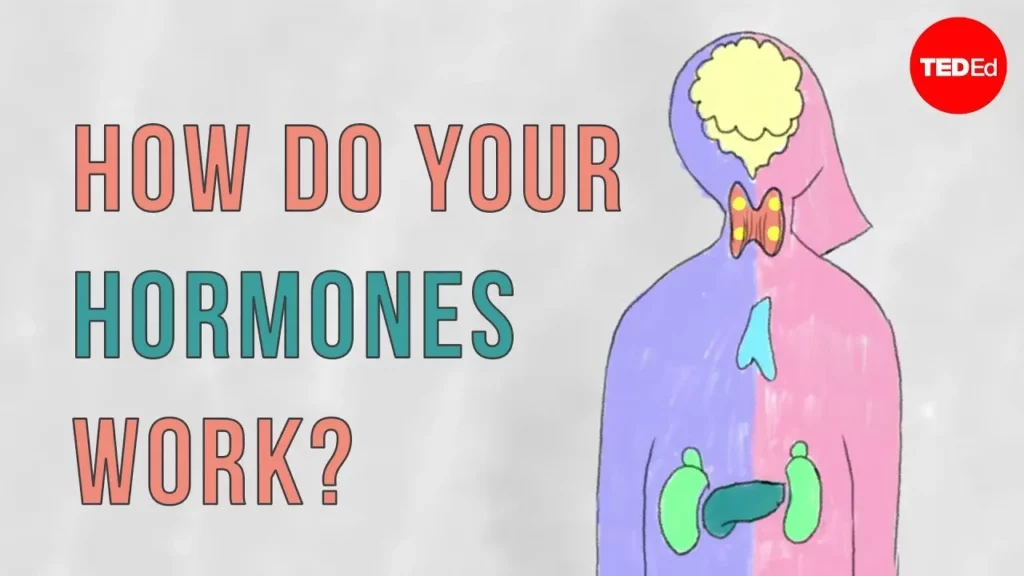
The lesson explains the role of the endocrine system in managing bodily changes during growth and development, highlighting its components: glands, hormones, and cell receptors. It emphasizes how hormones influence various functions, such as energy use, mood, and physical development during puberty, while also addressing common misconceptions about hormones and the challenges to hormonal balance caused by factors like disease and stress. Overall, the endocrine system plays a crucial role in maintaining the body’s equilibrium and facilitating significant changes throughout life.
The psychology of post-traumatic stress disorder – Joelle Rabow Maletis
The lesson on the psychology of post-traumatic stress disorder (PTSD) highlights how trauma can lead to lasting psychological effects, including flashbacks, nightmares, and negative thoughts that disrupt daily life. It explains the biological mechanisms involved, particularly the role of the brain’s stress response systems, and outlines the symptoms and challenges of managing PTSD, such as sensitivity to triggers. The lesson emphasizes the importance of seeking professional help and the role of social support in recovery, reinforcing that PTSD is a treatable condition rather than a personal weakness.
How much of what you see is a hallucination? – Elizabeth Cox
The lesson explores Charles Bonnet Syndrome, a condition where individuals with vision loss experience vivid visual hallucinations, highlighting how these hallucinations engage the same brain regions as actual sight. It discusses the brain’s role in perception and how it compensates for sensory deprivation, leading to the creation of coherent images despite a lack of input. Additionally, the lesson touches on other causes of hallucinations, including drugs and psychiatric disorders, and emphasizes the connection between hallucinations and normal sensory experiences, enhancing our understanding of human cognition.