
The secret language of trees – Camille Defrenne and Suzanne Simard
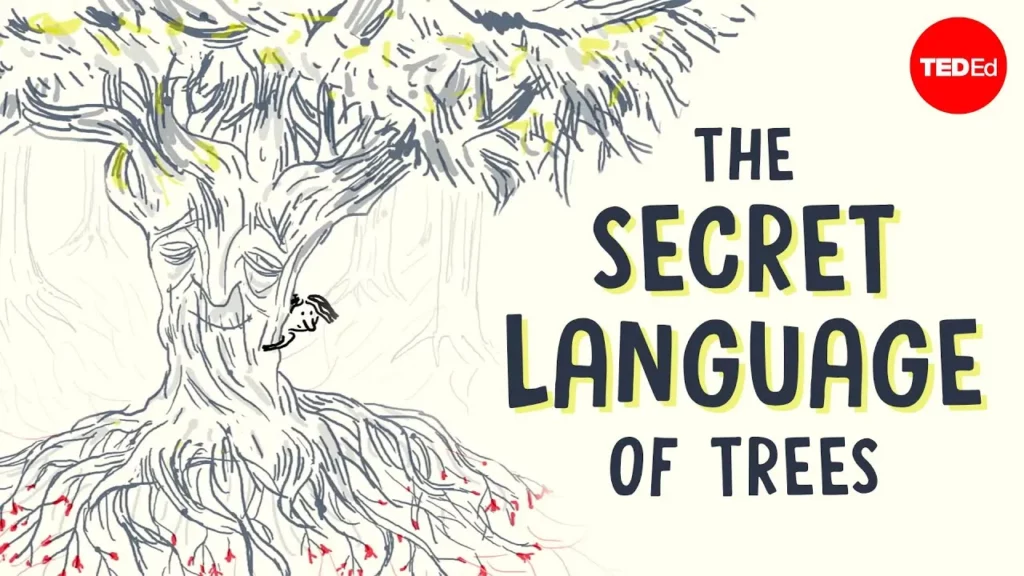
The lesson “The Secret Language of Trees” explores the intricate communication and cooperation among trees facilitated by mycorrhizal fungi. These fungi form extensive networks that connect tree roots, allowing for the transfer of resources and information, such as sugars and signals about environmental threats. This interconnectedness is vital for forest health, as it underscores the importance of collaboration among species in maintaining ecological balance.
“New Colossus” by Emma Lazarus
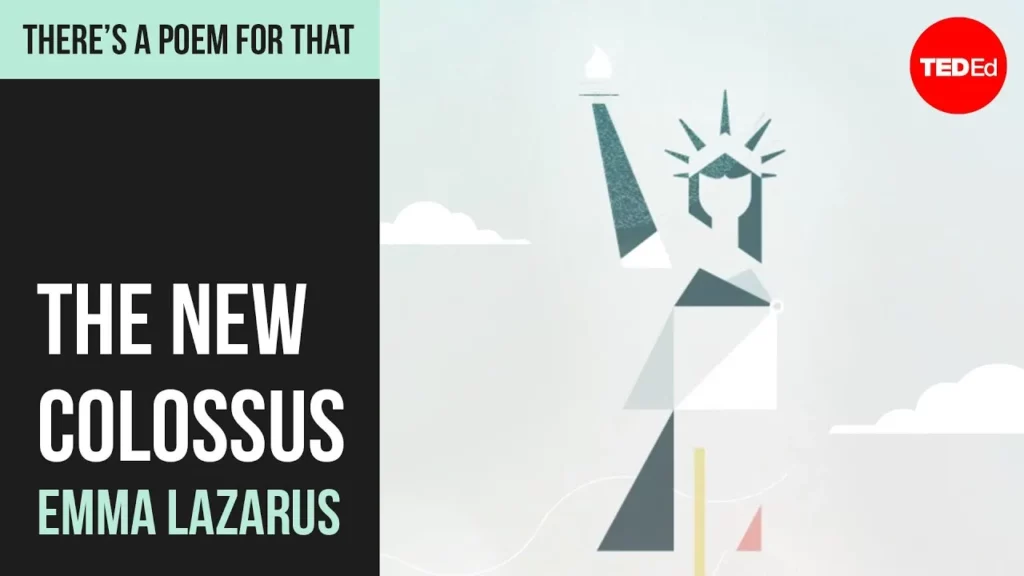
“The New Colossus” by Emma Lazarus is a poem that redefines the Statue of Liberty as a symbol of hope and freedom, contrasting it with the ancient Colossus of Rhodes, which represented power. The poem portrays the statue as the “Mother of Exiles,” welcoming immigrants and those seeking a better life with open arms, and emphasizes the United States as a refuge for the “tired,” “poor,” and “huddled masses.” Ultimately, it serves as a powerful reminder of the values of freedom and opportunity that continue to resonate today.
The most common STI in the world – Emma Bryce
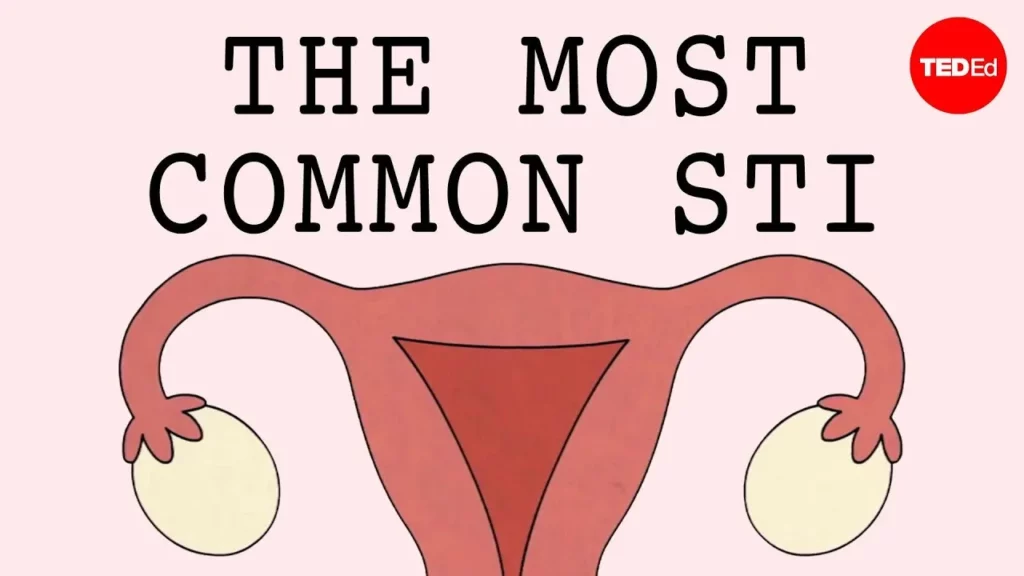
The lesson on HPV highlights that human papillomavirus is a highly prevalent STI that most sexually active individuals will encounter, often without symptoms, as the immune system can typically clear the infection. While most HPV strains are harmless, certain types can lead to serious health issues, including genital warts and cervical cancer, making regular screening and vaccination crucial for prevention. The lesson emphasizes the importance of protective measures, such as condom use and vaccination, to significantly reduce the risks associated with HPV.
Infinity according to Jorge Luis Borges – Ilan Stavans
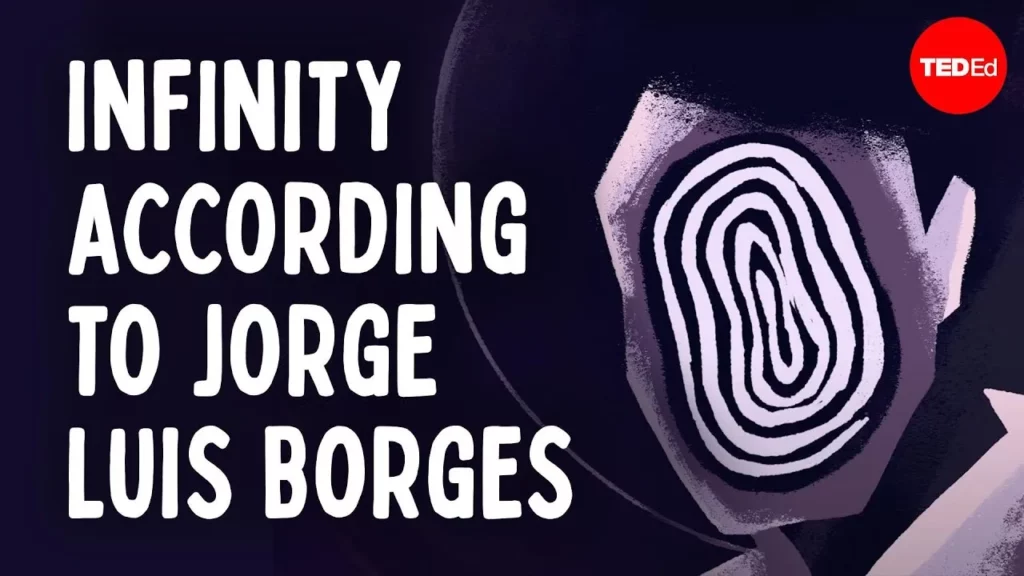
In the lesson on Jorge Luis Borges, Ilan Stavans explores the concept of infinity through Borges’ characters and narratives, particularly focusing on Ireneo Funes from “Funes, the Memorious,” whose overwhelming memory illustrates how perfect recall can hinder true thought. Borges’ works, including “The Library of Babel” and “The God’s Script,” delve into themes of infinite knowledge, labyrinthine time, and the human quest for understanding, inviting readers to reflect on the boundless possibilities of existence and our role within it. Through these stories, Borges challenges us to confront the complexities of memory, knowledge, and time.
Can you solve the dark matter fuel riddle? – Dan Finkel
In this lesson, students tackle a problem involving fuel management for a spaceship traveling to an ancient alien space station 23 parsecs away. With a limited fuel capacity and the ability to leave fuel caches in space, learners must strategically plan their journey by determining optimal cache points to ensure they can reach their destination. By analyzing the fuel requirements and distances, students discover that placing caches at specific intervals allows them to successfully navigate the challenge and utilize the advanced technology of the space station.
Ancient Rome’s most notorious doctor – Ramon Glazov
The lesson explores the significant contributions and misconceptions of Galen of Pergamon, a prominent figure in ancient medicine, whose anatomical studies and theories dominated medical understanding for over 1,300 years. It highlights the groundbreaking work of Andreas Vesalius in the 16th century, who challenged Galen’s inaccuracies, particularly regarding human anatomy and blood circulation, paving the way for modern medical science. Ultimately, the lesson emphasizes the importance of evolving scientific knowledge and the need to prioritize evidence over established beliefs.
Romance and revolution: The poetry of Pablo Neruda – Ilan Stavans
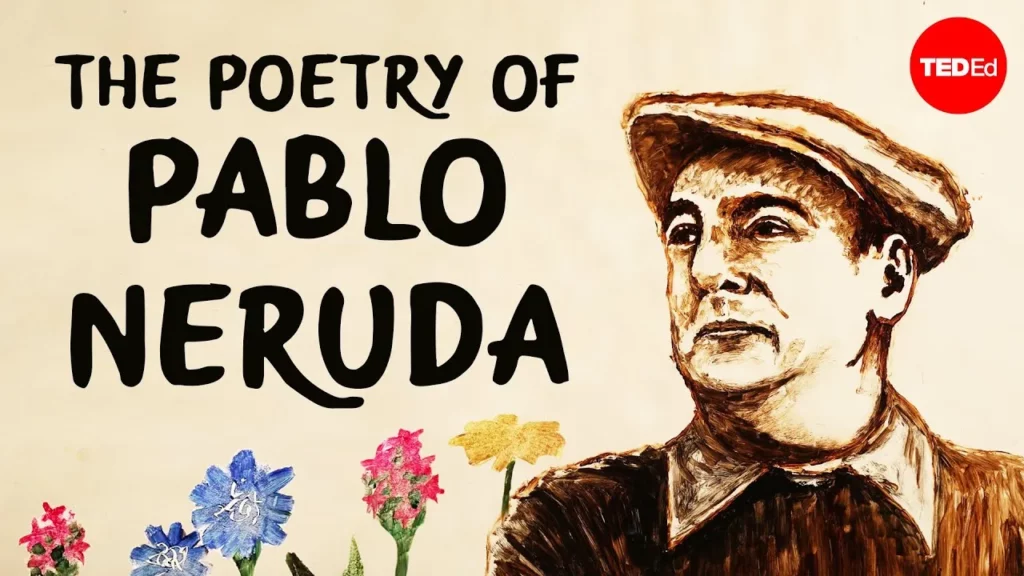
The lesson explores the life and poetry of Pablo Neruda, a renowned 20th-century poet known for his romantic and revolutionary themes. It highlights his early literary achievements, his ability to celebrate everyday objects through poetry, and his political involvement, including his efforts to rescue refugees and his commitment to revolutionary ideals. Neruda’s legacy endures as his work continues to inspire social movements, reflecting the intertwining of love, beauty, and the fight for justice.
How turtle shells evolved… twice – Judy Cebra Thomas
The lesson explores the evolution of turtle shells, highlighting the ancient species *Odontochelys semitestacea*, which had a unique belly shell, and how modern turtles developed their protective shells through distinct embryonic processes. It details the formation of the upper shell (carapace) and lower shell (plastron) from specific cell types and the evolutionary transition from early ancestors like *Eunotosaurus africanus* to more advanced species like *Proganochelys quenstedti*. Additionally, the lesson emphasizes the diversity of modern turtle shells, which have adapted to various environments and survival strategies.
From pacifist to spy: WWII’s surprising secret agent – Shrabani Basu
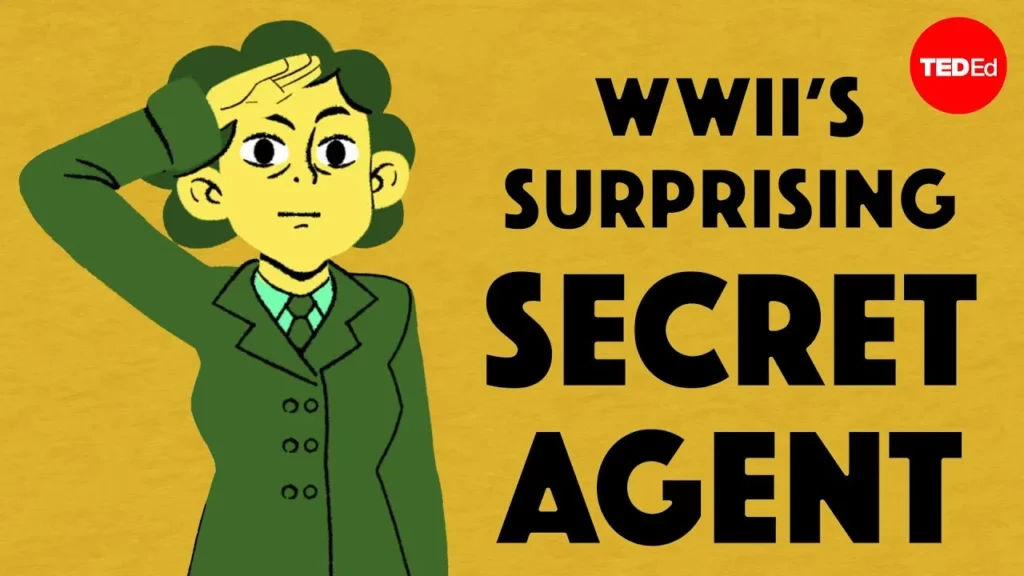
The lesson highlights the remarkable transformation of Noor Inayat Khan from a pacifist to a courageous spy during World War II. Despite her family’s deep-rooted beliefs in peace, she chose to join the fight against Nazi oppression, utilizing her skills as a radio operator to support the French resistance. Her bravery, quick thinking, and ultimate sacrifice in the face of capture exemplify her commitment to freedom, making her a celebrated hero of the war.
How do viruses jump from animals to humans? – Ben Longdon
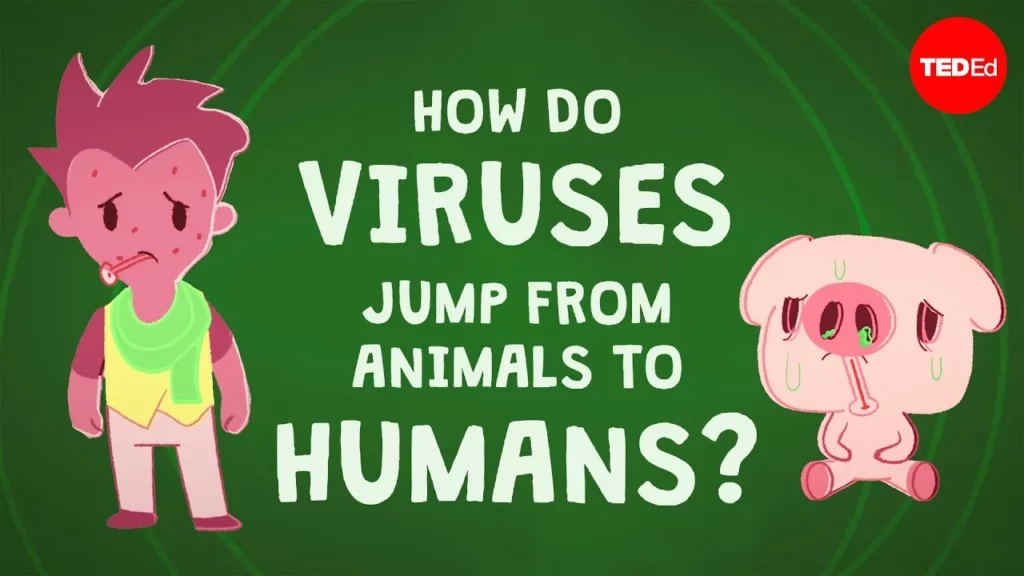
The lesson discusses how viruses can jump from animals to humans, using the example of a swine flu outbreak at a Maryland fair in 2017. It explains the process of viral infection, the challenges viruses face when attempting to infect new species, and the potential dangers of successful host jumps, which can lead to increased mutations and the risk of epidemics. Ongoing research and monitoring are essential for developing strategies to prevent future outbreaks and protect public health.