
Can you spot the problem with these headlines? (Level 1) – Jeff Leek & Lucy McGowan
This lesson emphasizes the importance of critically evaluating health headlines, which often make bold claims that can be misleading or not fully supported by scientific research. It highlights the gap between sensationalized headlines and the specific findings of studies, using hypothetical scenarios to illustrate how results can be misinterpreted or generalized inappropriately. To navigate health news effectively, readers are encouraged to seek out the original research and understand the context of the studies behind the headlines.
The Chinese myth of the meddling monk – Shunan Teng
The lesson of “The Chinese Myth of the Meddling Monk” revolves around the themes of love, sacrifice, and the struggle against malevolent forces. Xu Xian’s unwavering faith leads him into a trap set by the meddling monk Fa Hai, which ultimately separates him from his spirit wife, Bai Su Zhen. Their son, Shi Lin, embodies the hope of reconciliation and redemption, using his wisdom and devotion to reunite his family, demonstrating that love and loyalty can overcome even the most formidable obstacles.
The Opposites Game
In the lesson “The Opposites Game,” students engage in a lively exploration of opposites using a line from Emily Dickinson, sparking a debate filled with creative and humorous interpretations. As they share their diverse ideas, the class learns that there isn’t a single correct answer, but rather multiple perspectives that enrich their understanding of language and meaning. Ultimately, the activity fosters creativity and encourages students to appreciate the complexity of words and their interpretations.
You are more transparent than you think – Sajan Saini
The lesson “You Are More Transparent Than You Think” explores the fascinating technology behind pulse oximeters, which utilize the body’s translucency to measure blood oxygen levels through light absorption. It also discusses future advancements in medical diagnostics, such as integrated photonics and labs-on-a-chip, which could enable rapid, non-invasive analysis of bodily fluids like saliva to detect diseases. Overall, the lesson highlights the significant role of light in enhancing medical technology and improving health outcomes.
This one weird trick will help you spot clickbait – Jeff Leek & Lucy McGowan
The lesson emphasizes the importance of critically evaluating health-related headlines to avoid being misled by clickbait. It illustrates how headlines can exaggerate or misinterpret research findings, using examples like the misleading implications of a vitamin’s effects on heart disease and the small sample size in a chocolate study. By encouraging readers to investigate the original research and understand the context, the lesson aims to empower individuals to make informed health decisions.
Ugly History: Witch Hunts – Brian A. Pavlac
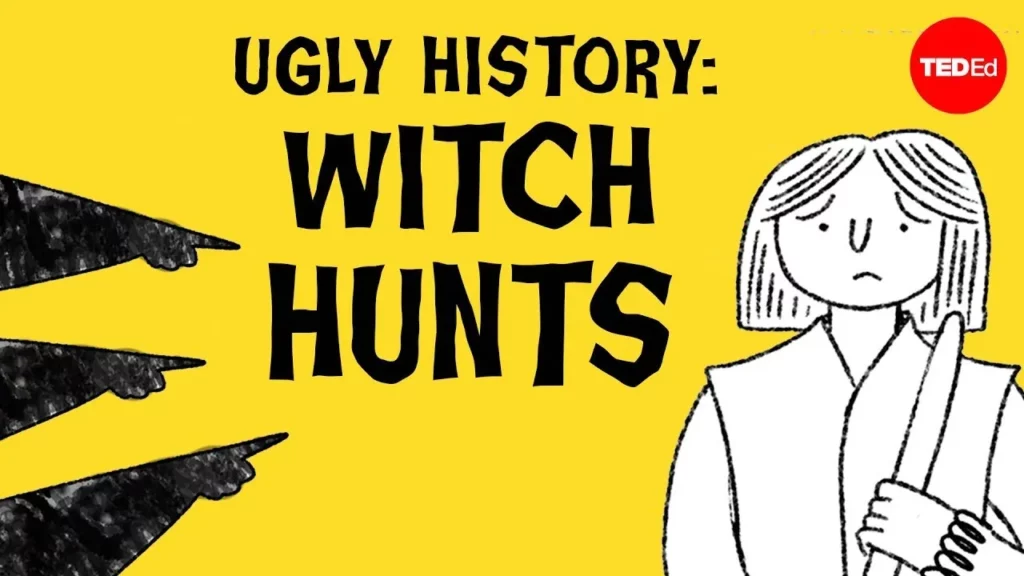
The lesson on “Ugly History: Witch Hunts” explores the harrowing experiences of women like Maria Höll and Rebekka Lemp during the witch hunts that plagued Europe from the late 15th to early 18th centuries. It highlights how societal fears, often triggered by misfortunes, led to the persecution of marginalized individuals, with Heinrich Kraemer’s “Malleus Maleficarum” fueling the hysteria. Ultimately, the lesson underscores the importance of reasoned dissent in combating false beliefs and the potential for similar injustices to arise in contemporary society.
Underwater farms vs. climate change – Ayana Elizabeth Johnson and Megan Davis
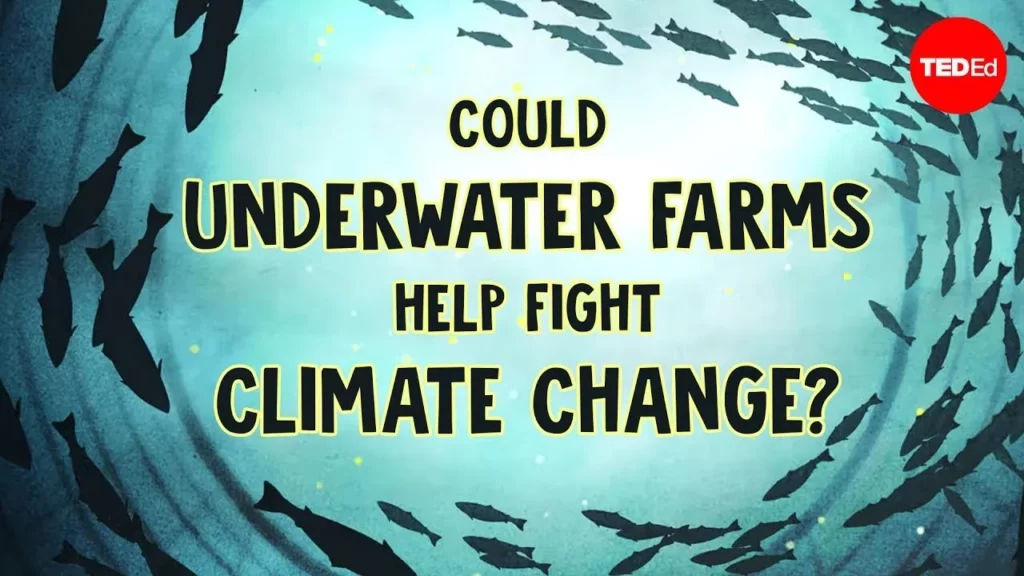
The lesson discusses the critical role of aquaculture in providing seafood, which is essential for global nutrition, while highlighting the environmental challenges associated with current farming practices. It emphasizes the need for sustainable methods, such as restorative ocean farming, which focuses on cultivating lower food chain organisms like shellfish and seaweeds that improve water quality and combat climate change. By adopting innovative and responsible farming techniques, we can support coastal communities and contribute to a healthier ocean ecosystem.
How do crystals work? – Graham Baird
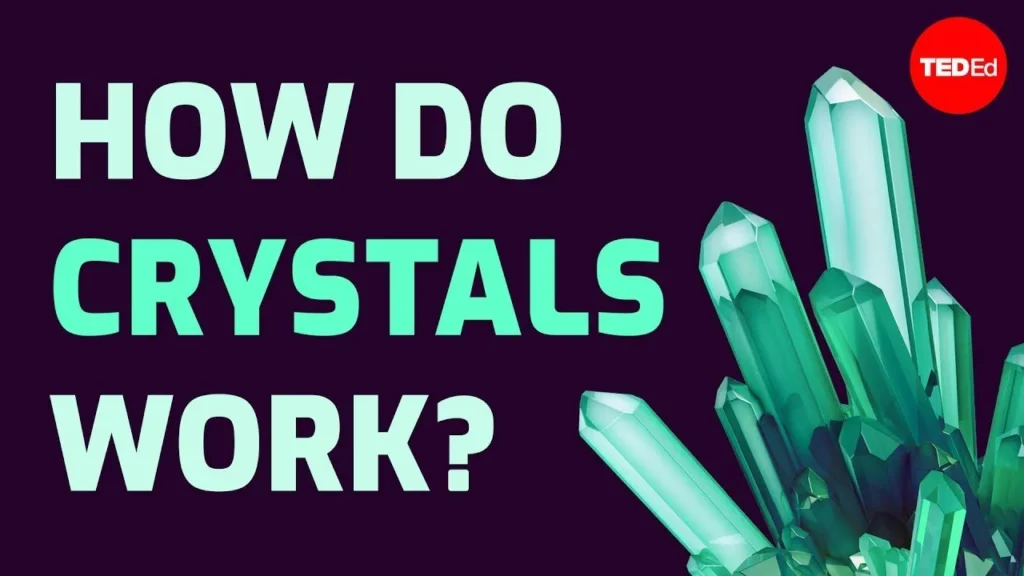
This lesson explores the formation and unique shapes of crystals, highlighting how they develop from cooling magma and mineral-rich groundwater in environments like Yellowstone. It explains that the distinct geometric shapes of crystals arise from their organized atomic structures, which can vary based on environmental conditions. Additionally, the lesson emphasizes the practical significance of crystal structures in various fields, underscoring the intricate relationship between nature and science.
Why should you read “Hamlet”? – Iseult Gillespie
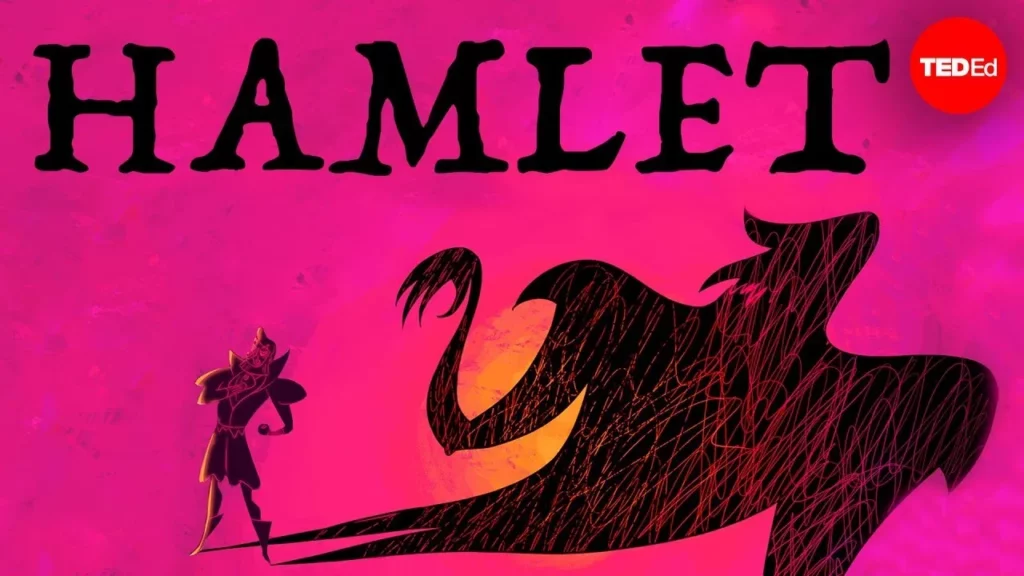
The lesson on “Hamlet” by Iseult Gillespie highlights the play’s exploration of themes such as moral uncertainty, indecision, and the complexities of human nature. Through the character of Prince Hamlet, Shakespeare delves into existential dilemmas and the consequences of inaction, while also examining the impact of deception and madness on relationships. Ultimately, the play invites readers to reflect on the nature of humanity and the tragic outcomes that arise from our choices and uncertainties.
What makes tuberculosis (TB) the world’s most infectious killer? – Melvin Sanicas
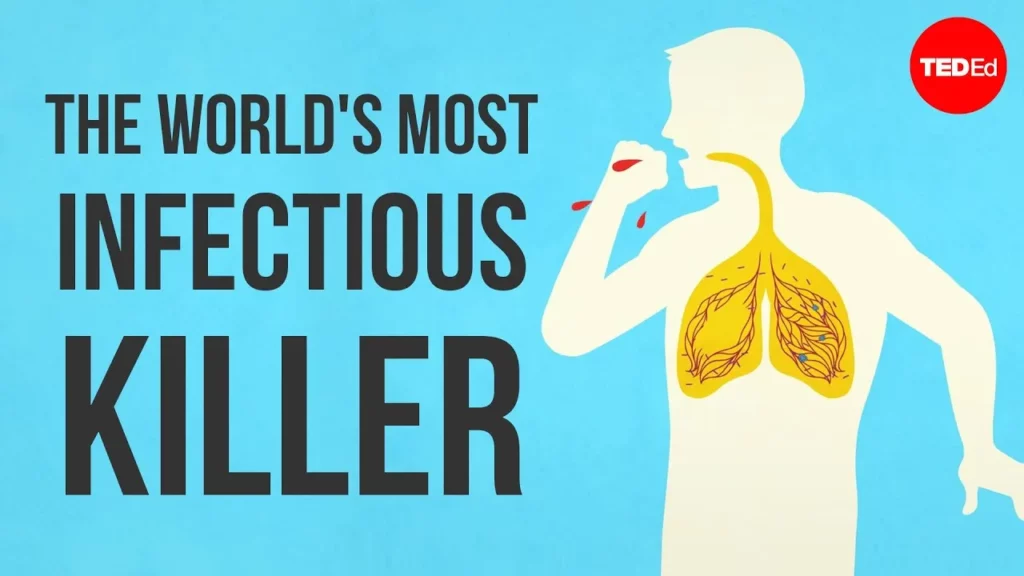
The lesson on tuberculosis (TB) highlights its historical significance as one of the deadliest infectious diseases, caused by the bacterium *Mycobacterium tuberculosis*, which primarily affects the lungs and can lead to severe health complications. Despite medical advancements, including the development of vaccines and antibiotics, TB remains a global health challenge due to issues like lengthy treatment regimens, drug resistance, and difficulties in diagnosis, particularly in regions with limited healthcare access. Ongoing research aims to improve diagnostic methods and treatment options, offering hope for better management and potential eradication of the disease in the future.